
Sustainable soy farming is a holistic agricultural approach that aims to produce soy without causing deforestation or converting natural habitats. To achieve true sustainability, farmers must implement practices that maintain soil health, protect water resources, respect labor rights, and utilize technologies that reduce chemical inputs while ensuring economic viability for local communities.
Soy is arguably one of the most controversial yet essential crops in the modern global food system. Whether it is the primary ingredient in your morning plant-based protein shake or the hidden feed source behind the poultry industry, soy’s reach is ubiquitous. However, the rapid expansion of soy cultivation has historically come at a steep environmental cost. As we look toward a future where food security must balance with ecological preservation, the transition to sustainable soy farming is not just an option—it is an imperative.
In the context of the “Soy Authority” niche, bridging New Zealand lifestyle values with global tech trends, understanding this transition requires a deep dive into agronomy, supply chain logistics, and consumer ethics. This guide explores how the humble soybean is being reimagined from a driver of deforestation to a pillar of regenerative agriculture.
The Environmental Footprint of Conventional Soy
To understand the solution, we must first rigorously examine the problem. Conventional soy cultivation has been a significant driver of land-use change, particularly in South America. The conversion of forests and savannahs into monoculture soy fields has led to alarming rates of biodiversity loss and carbon emissions.
The primary concern centers on the “soy frontier.” In regions like the Amazon and the Cerrado in Brazil, vast tracts of land have been cleared to meet the insatiable global demand for animal feed and biofuel. This deforestation releases gigatons of stored carbon into the atmosphere, accelerating climate change. Furthermore, conventional monocropping—growing the same crop on the same land year after year—depletes soil nutrients, necessitating the heavy use of synthetic fertilizers and pesticides.
Water usage is another critical factor. While soy is generally less water-intensive than animal protein sources, inefficient irrigation systems in water-scarce regions can deplete local aquifers. The runoff from agrochemicals can also contaminate local waterways, affecting aquatic ecosystems and the communities that rely on them.
Defining Sustainable Soy Farming: Core Principles
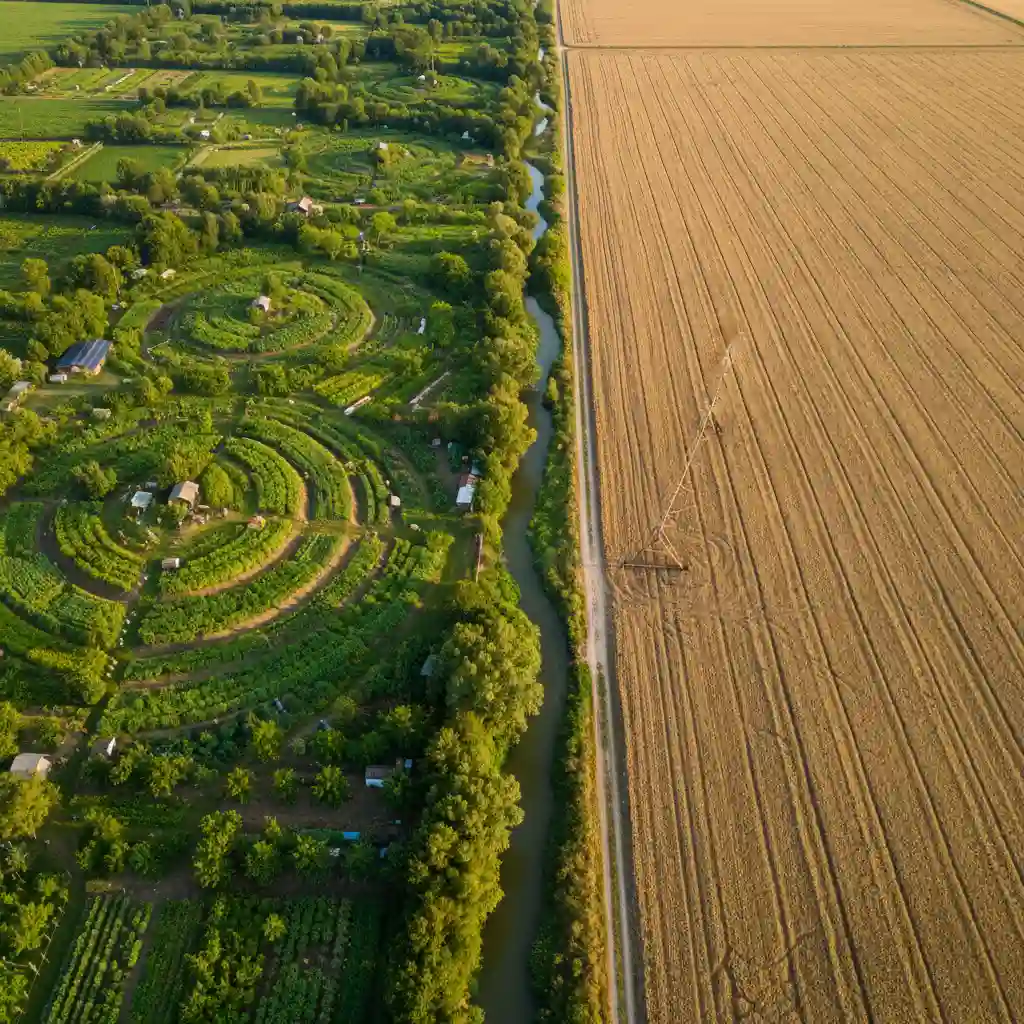
Sustainable soy farming is not merely about reducing harm; it is about active regeneration. It involves a shift from extractive methods to systems that work in harmony with natural cycles. This transition relies on several best practices that define the gold standard for the industry.
Regenerative Agriculture and Soil Health
At the heart of sustainability is soil health. Sustainable soy farmers employ no-till or low-till farming. By not ploughing the land, farmers keep the soil structure intact, which prevents erosion, retains moisture, and keeps carbon locked in the ground. This practice promotes the growth of beneficial soil, fungi, and bacteria, creating a robust ecosystem beneath the surface.
Crop Rotation and Cover Crops
Monocultures are susceptible to pests and diseases, leading to a reliance on chemicals. Sustainable systems utilize crop rotation—planting soy in one season and corn or wheat in the next. This disrupts pest cycles naturally. Additionally, the use of cover crops during off-seasons prevents soil erosion and adds organic matter back into the earth, acting as a natural fertilizer.
Integrated Pest Management (IPM)
Instead of blanket-spraying pesticides, sustainable farmers use Integrated Pest Management. This strategy involves monitoring pest levels and using biological controls—such as introducing natural predators like ladybugs—before resorting to chemicals. When chemicals are necessary, they are applied with precision technology to minimize environmental impact.
Innovation and Tech: The Future of Soy Cultivation
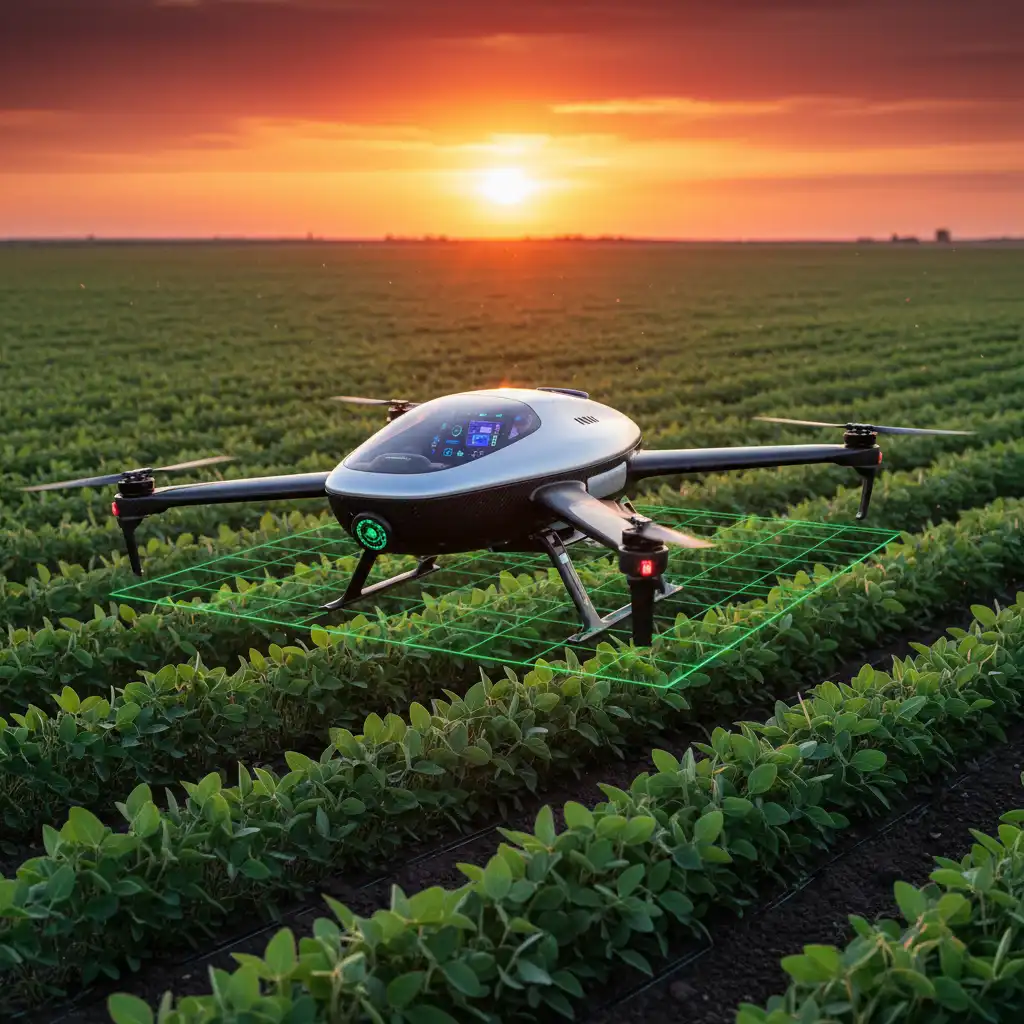
The future of sustainable soy is digital. The intersection of agriculture and technology, often referred to as AgTech, is revolutionizing how soy is grown, monitored, and traced. This aligns perfectly with the forward-thinking “Future Tech” aspect of the market.
Precision Agriculture
Modern tractors are no longer just vehicles; they are mobile data centers. Using GPS and IoT (Internet of Things) sensors, farmers can map their fields down to the square inch. This allows for variable rate application of seeds and fertilizers. A machine can detect which parts of a field need more nutrients and which need less, reducing waste and runoff significantly.
Satellite Monitoring and AI
To ensure compliance with zero-deforestation commitments, major buyers and NGOs are utilizing satellite imagery analyzed by Artificial Intelligence. These systems can detect land clearing in real-time, alerting supply chain managers if a supplier is violating environmental protocols. This level of transparency is unprecedented and vital for accountability.
Carbon Sequestration and Biodiversity
Soy has a unique biological advantage: it is a legume. Legumes have the natural ability to fix atmospheric nitrogen into the soil through a symbiotic relationship with rhizobia bacteria in their root nodules. This means soy requires less synthetic nitrogen fertilizer compared to other crops like corn, resulting in a lower carbon footprint regarding input manufacturing.
When managed sustainably, soy fields can actually act as carbon sinks. By combining no-till farming with cover cropping, farmers can sequester significant amounts of atmospheric CO2 into the soil organic matter. According to the World Wildlife Fund (WWF), responsible soy production is critical because it reduces the pressure to convert high-conservation value areas into farmland.
Biodiversity corridors are another essential component. Progressive farmers maintain buffer zones of native vegetation around their fields. These zones provide habitats for pollinators and wildlife, creating a mosaic landscape where agriculture and nature coexist rather than compete.
Navigating the Supply Chain: Challenges and Ethics
The journey from a farm in Mato Grosso to a supermarket shelf in Wellington is complex. The global soy supply chain is notoriously opaque, making it difficult to trace the origin of a specific bean. This opacity allows “dirty soy” (grown on deforested land) to mix with sustainable soy in processing facilities and ports.
The Role of Certification Schemes
To combat this, several certification bodies have emerged. The Round Table on Responsible Soy (RTRS) and ProTerra are among the most rigorous standards. They certify that soy production meets strict environmental and social criteria, including fair labor practices and land rights for indigenous communities.
However, challenges remain. The “mass balance” model, where sustainable and non-sustainable soy are mixed but tracked administratively, is a stepping stone but not a final solution. The ultimate goal is “segregated” supply chains, where sustainable soy is physically kept separate from farm to fork, ensuring 100% purity.
Consumer Guide: Identifying Truly Sustainable Products
For the conscious consumer, navigating the grocery aisle can be daunting. Soy is often an invisible ingredient, hidden in lecithin, vegetable oil, and animal feed. Here is how you can make more sustainable choices:
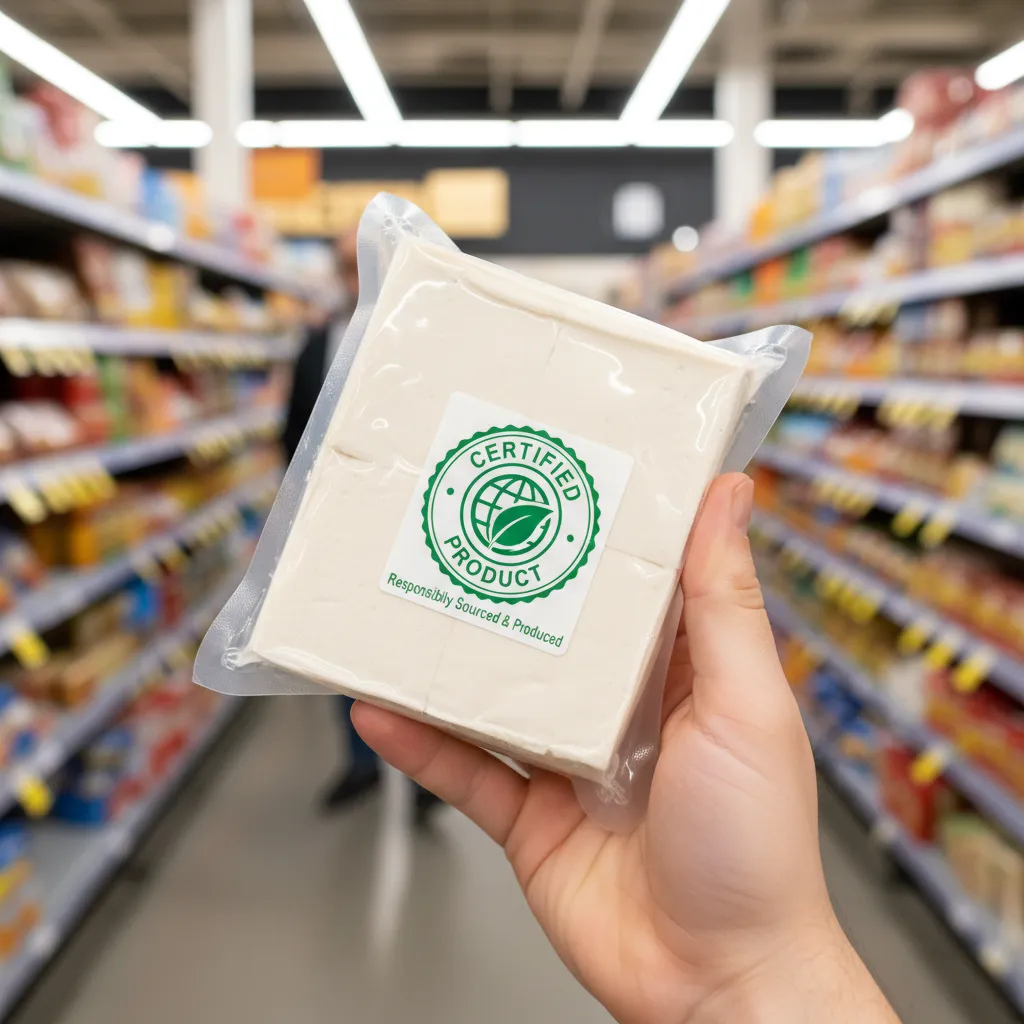
- Look for Labels: Seek out products carrying the RTRS, ProTerra, or Non-GMO Project Verified seals. While Non-GMO doesn’t automatically mean zero deforestation, it often correlates with more conscious supply chains.
- Reduce Indirect Consumption: The majority of the world’s soy is fed to livestock. By reducing meat consumption or choosing grass-fed, pasture-raised meat and dairy products, you reduce the demand for intensive soy-fed animal agriculture.
- Support Transparent Brands: Many plant-based meat alternative companies publish annual sustainability reports. Look for brands that disclose their sourcing regions and commit to zero-deforestation supply chains.
- Choose Domestic or Regional Soy: For those in regions like North America or parts of Europe, buying locally grown soy (like US-grown organic soybeans) can reduce transportation emissions and often adheres to stricter environmental regulations than soy imported from deforestation frontiers.
The transition to sustainable soy farming is a complex puzzle involving agronomy, economics, and ethics. However, with the integration of future technologies and a shift in consumer demand, a food system that nourishes the planet rather than depleting it is within reach.
People Also Ask
What is the biggest environmental problem with soy?
The most significant environmental issue associated with soy is deforestation, particularly in South America’s Amazon and Cerrado regions. The clearing of forests to create new farmland destroys habitats, reduces biodiversity, and releases massive amounts of carbon dioxide into the atmosphere.
Is organic soy always sustainable?
While organic soy prohibits synthetic pesticides and fertilizers, it does not automatically guarantee zero deforestation or fair labor practices. However, organic certification standards generally promote better soil health and biodiversity than conventional industrial farming.
How does soy farming affect climate change?
Soy farming affects climate change primarily through land-use change (deforestation) which releases carbon. Conversely, sustainable soy farming using no-till methods and cover crops can help mitigate climate change by sequestering carbon in the soil.
What is the RTRS certification?
The Round Table on Responsible Soy (RTRS) is a global certification scheme that ensures soy is produced in an environmentally correct, socially appropriate, and economically viable manner. It enforces zero deforestation and protects workers’ rights.
Why is most soy used for animal feed?
Approximately 77% of global soy is used for animal feed because it is a high-protein, cost-effective source of nutrition for poultry, pork, and cattle. Only a small percentage is consumed directly by humans as tofu, soy milk, or tempeh.
Can technology make soy farming more sustainable?
Yes, technologies like precision agriculture, satellite monitoring, and blockchain traceability allow farmers to optimize resource use, reduce chemical runoff, and prove that their crops are not grown on deforested land.