
Precision fermentation food is a transformative technology that uses genetically reprogrammed microorganisms, such as yeast or fungi, to produce specific functional ingredients like proteins, fats, and vitamins. Unlike traditional breeding, this process allows for the creation of bio-identical animal-free products, often utilizing plant-based feedstocks like soy sugars to fuel the fermentation process.
Understanding Precision Fermentation Food Technology
The global food system is undergoing a seismic shift, moving from resource-intensive animal agriculture toward more efficient, technology-driven solutions. At the forefront of this revolution is precision fermentation food technology. While the term may sound futuristic, the underlying concept has been used for decades to produce insulin and rennet for cheese. However, its application in creating mass-market food ingredients is a relatively new and explosive trend that promises to redefine how we consume protein.
For the discerning consumer and the agricultural sector—particularly in innovation hubs like New Zealand—understanding this technology is crucial. It represents a bridge between the natural efficiency of crops like soy and the functional demands of modern nutrition. Precision fermentation does not grow meat in a lab; rather, it programs microorganisms to “brew” specific molecules that provide the taste, texture, and nutrition of animal products without the animal.
The Science: How Microbes Become Factories
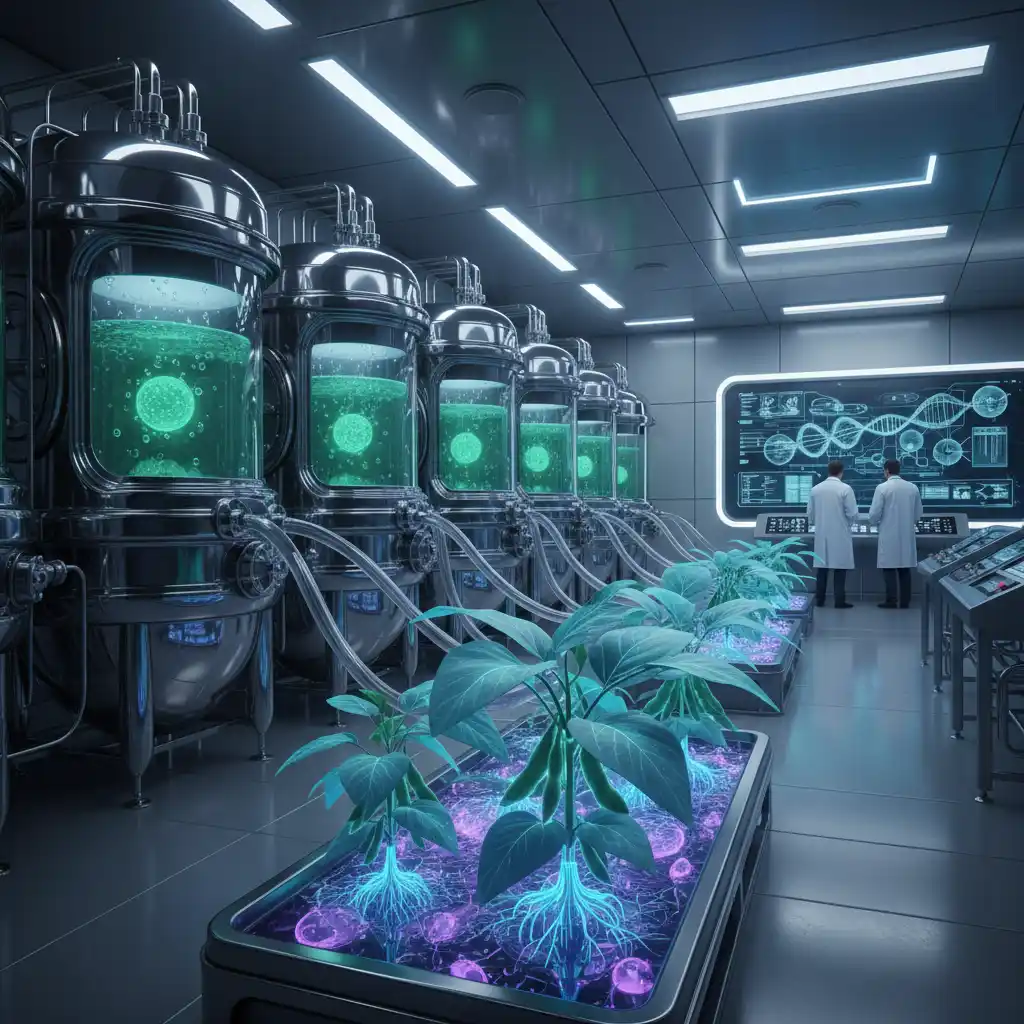
To grasp the potential of precision fermentation food, one must understand the biological mechanism at play. It differs significantly from traditional fermentation (used for beer, yogurt, or tempeh) and biomass fermentation (like Quorn). In precision fermentation, the microorganism itself is not the primary product; it is the manufacturing plant.
The Process Explained
The process begins with identifying a specific genetic sequence that codes for a desired protein—for example, whey protein found in cow’s milk or leghemoglobin found in the root nodules of soy plants. This genetic code is inserted into a host microorganism, typically a yeast (like Pichia pastoris) or a fungus (like Trichoderma reesei).
Once the host is programmed, it is placed in a fermentation tank—essentially a large brewery vat. Here, the microbes are fed a nutrient-rich broth containing sugars, micronutrients, and nitrogen sources. As the microbes consume this feedstock, they act as miniature factories, churning out the target protein in large quantities. The final step involves purifying the protein, separating it from the microbes, and drying it into a powder that is molecularly identical to its animal or plant counterpart.
Why This Matters for Food Security
This method decouples protein production from the biological constraints of livestock. A cow requires years to grow and massive amounts of land and water to produce milk proteins. A microbe can replicate and produce those same proteins in a matter of hours within a controlled environment. This efficiency is why organizations like the Good Food Institute cite fermentation as a critical pillar for a sustainable global food supply.
Soy’s Critical Role: Feedstock and Genetic Source
In the narrative of next-generation proteins, soy is often wrongly positioned as the “old guard” being replaced by high-tech alternatives. In reality, soy is integral to the success of precision fermentation food ecosystems. Soy plays two distinct and vital roles: as a genetic donor and as a feedstock substrate.
Soy Leghemoglobin: The Taste of Meat
The most famous application of precision fermentation involving soy is the production of heme (soy leghemoglobin). This is the “magic ingredient” that makes the Impossible Burger bleed and taste like meat. Originally found in the root nodules of soy plants, harvesting heme directly from soil-grown soy would be inefficient and destructive to the soil carbon cycle.
Instead, scientists took the DNA from soy that codes for heme and inserted it into yeast. By fermenting this yeast, they can produce vast quantities of soy-derived heme without digging up a single plant. This is a prime example of how soy’s genetic biodiversity serves as the blueprint for food innovation.
Soy as the Ultimate Feedstock
Microbes need to eat to produce protein. Their diet consists primarily of simple sugars and a nitrogen source. Currently, the most cost-effective and scalable sources of these nutrients come from agricultural crops. Soy processing byproducts, particularly soy molasses or hydrolyzed soy protein, act as an excellent, cost-efficient feedstock for these microbial factories.
Therefore, the rise of precision fermentation does not signal the end of soy farming. On the contrary, it creates a new, high-value market for soy derivatives, reinforcing soy’s status as a foundational crop in the bio-economy.
Traditional Soy vs. Precision Fermentation: A Comparative Analysis
For consumers navigating the aisles, distinguishing between traditional plant-based options and precision fermentation foods can be confusing. Both can be vegan, but they differ fundamentally in composition and processing.
Nutritional Profile and Complexity
Traditional Soy Foods (Tofu, Tempeh, Soy Milk): These are whole-food or minimally processed products. They contain a complex matrix of fiber, isoflavones, lipids, and complete proteins. They offer holistic health benefits, including cholesterol reduction and hormonal balance support.
Precision Fermentation Foods: These products usually focus on a single isolated ingredient, such as non-animal whey protein or egg white protein. While these proteins are highly functional (e.g., they melt, stretch, or foam exactly like dairy or eggs), they lack the fiber and phytonutrients found in whole soy. However, they are free from lactose, cholesterol, and antibiotics found in animal equivalents.
The Hybrid Future
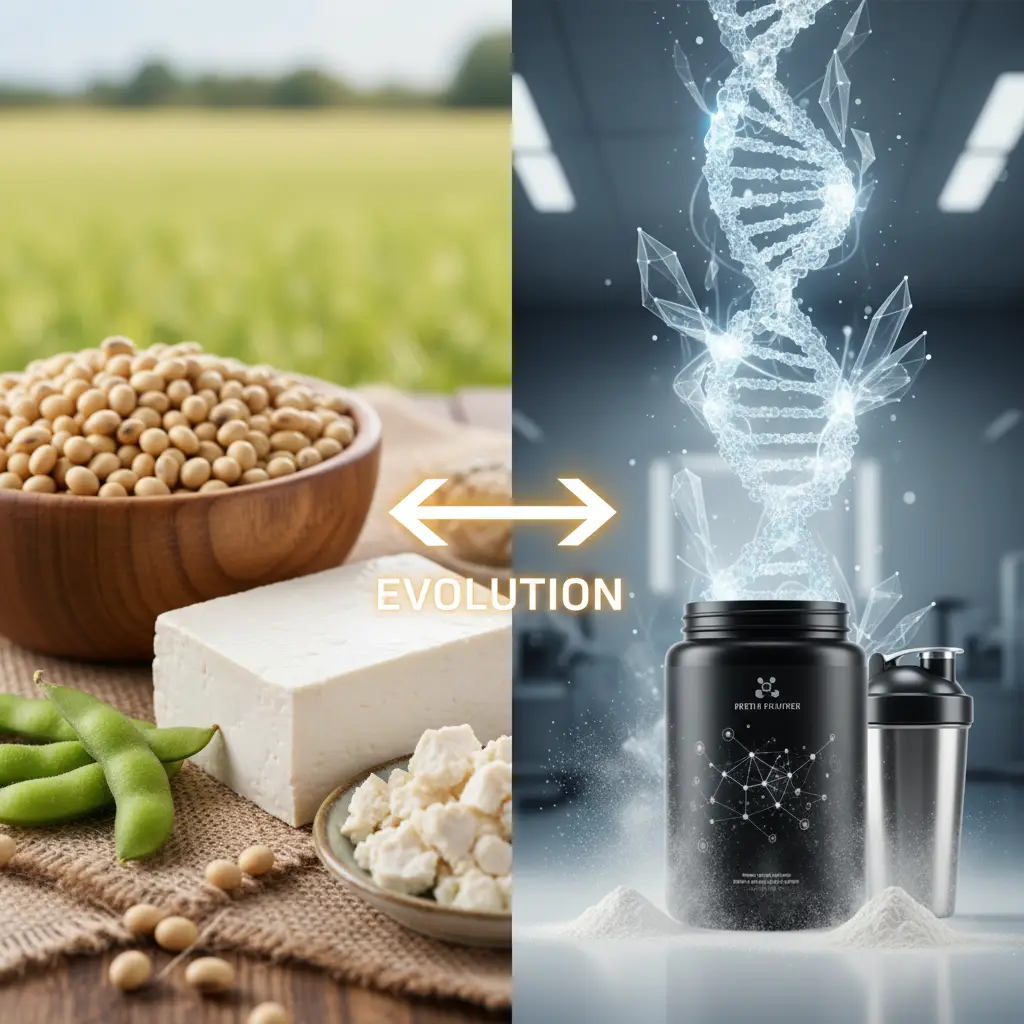
The most exciting development is the emergence of hybrid products. Food technologists are now combining the nutritional density of plant-based proteins (like soy) with the functional properties of precision-fermented ingredients. Imagine a soy milk yogurt that uses precision-fermented casein to achieve the exact texture of dairy yogurt, or a soy-based burger enhanced with fermented animal-like fats for better mouthfeel. This synergy leverages the best of both worlds: the sustainability and nutrition of soy with the sensory experience of animal products.
Sustainability and Ethics: The New Zealand Perspective
New Zealand has long marketed itself on a “Clean, Green” image, relying heavily on pasture-based animal agriculture. However, as global scrutiny on methane emissions and land use intensifies, precision fermentation offers a complementary path forward. This technology aligns with the values of environmental stewardship by drastically reducing the ecological footprint of protein production.
Resource Efficiency
Precision fermentation is incredibly resource-efficient. Studies suggest that producing protein via fermentation uses up to 99% less land and 96% less water than traditional dairy farming. For a country like New Zealand, or for global soy producers, this means the ability to produce more nutrition on less land, freeing up acreage for biodiversity restoration or regenerative soy farming practices.
Ethical Considerations
From an ethical standpoint, precision fermentation eliminates the need for animal slaughter and factory farming. It resolves the dilemma of animal welfare while satisfying the human craving for dairy and meat. For the “Soy Authority” audience—often comprised of flexitarians and ethical consumers—this technology validates a lifestyle that seeks to minimize harm without compromising on culinary enjoyment.
Furthermore, because the process occurs in a closed, sterile environment, it removes the risk of zoonotic diseases jumping from animals to humans, a significant concern in modern intensive animal agriculture.
Innovators and Future Trends in Food Tech
The landscape of precision fermentation food is moving at breakneck speed. Several key players and trends are defining the market.
Leading Innovators
- Perfect Day: A pioneer in creating animal-free dairy proteins. Their whey protein is already being used in ice creams and milk alternatives available in supermarkets.
- The EVERY Company: Focused on animal-free egg proteins, allowing for vegan macaroons and angel food cakes that were previously impossible to replicate perfectly.
- Motif FoodWorks: Working on high-impact ingredients that improve the flavor and texture of plant-based meats, often utilizing fermentation to create specific muscle proteins or fats.
Viral Trends to Watch
We are witnessing the rise of “Animal-Free Dairy” as a distinct category. This is not plant-based milk (like soy or almond); it is molecularly dairy, but no cow was involved. This distinction creates a new labeling challenge and opportunity. Consumers can expect to see “contains milk allergen” warnings on products that are certified vegan—a paradox made possible by precision fermentation.
Another trend is the localization of production. Because bioreactors can be set up anywhere, protein production does not need to be tethered to arable land. This could allow nations with limited agricultural space to achieve protein sovereignty, relying on imported feedstocks (like soy sugars) to brew their own high-quality proteins.
For further reading on the regulatory landscape governing these novel foods, the U.S. Food and Drug Administration (FDA) and other international bodies provide ongoing updates regarding safety assessments and labeling standards.
Frequently Asked Questions (PAA)
Here are answers to the most common questions regarding precision fermentation and its role in the future of food.
What is precision fermentation in food?
Precision fermentation is a technology that uses genetically engineered microorganisms, such as yeast, to produce specific functional ingredients like proteins, fats, or vitamins that are biologically identical to those found in animal products, without using animals.
Is precision fermentation food healthy?
Yes, generally. The proteins produced are molecularly identical to their animal counterparts but are free from antibiotics, hormones, and cholesterol often found in livestock products. However, they are often used as ingredients in processed foods, so overall healthiness depends on the final product.
How does soy relate to precision fermentation?
Soy plays two roles: it provides the genetic code for certain ingredients (like heme in Impossible Foods), and soy-derived sugars can serve as the nutrient feedstock to feed the microbes during the fermentation process.
Is precision fermentation the same as GMO?
The microbes used are genetically modified (GMO) to produce the target molecule. However, in many cases, the final protein product is purified and does not contain the genetically modified organism itself. Regulatory definitions vary by country.
What are examples of precision fermentation foods?
Current examples include the heme in Impossible Burgers, animal-free whey protein found in Brave Robot ice cream, and animal-free egg white proteins used in baking mixes and macarons.
Is precision fermentation sustainable?
Yes, it is considered highly sustainable. It requires significantly less land and water and generates fewer greenhouse gas emissions compared to conventional animal agriculture.