
The health benefits of soy are primarily derived from its unique status as a complete plant protein containing all nine essential amino acids, paired with high concentrations of isoflavones. Scientifically proven to lower LDL cholesterol and support bone density, soy acts as a versatile functional food that supports cardiovascular health and hormonal balance without the adverse effects often associated with animal proteins.
In the evolving landscape of global nutrition, few foods have sparked as much debate, research, and innovation as the humble soybean. Once relegated to the fringes of the Western diet as a simple meat substitute, soy has emerged as a titan of functional nutrition. For the modern consumer—whether you are an athlete in New Zealand seeking recovery fuel or a health-conscious individual navigating the complexities of aging—understanding the deep science behind soy is essential. This guide moves beyond basic tofu recipes to explore the molecular mechanisms, cardiovascular advantages, and future-tech applications of this legume.
The Nutritional Profile: A Complete Protein Powerhouse
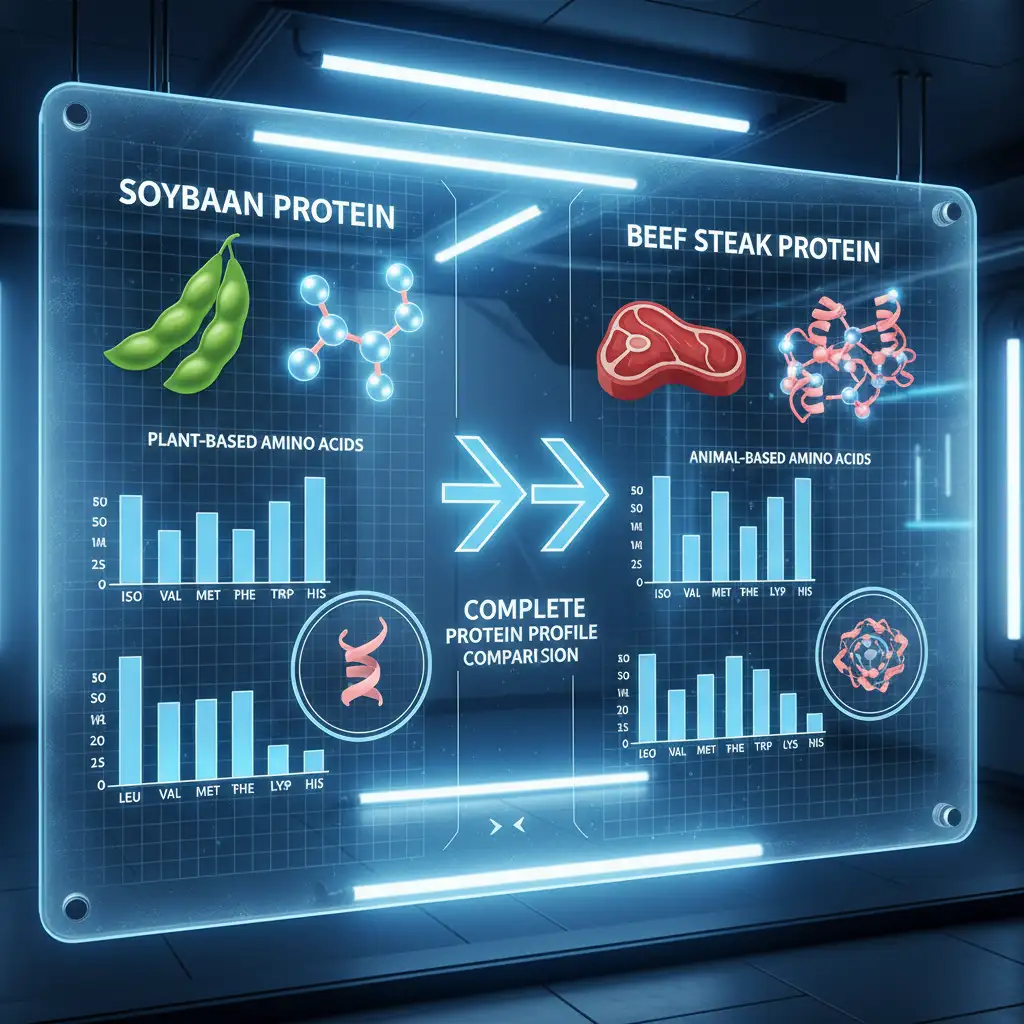
To understand the health benefits of soy, one must first appreciate its biochemical architecture. Unlike most plant-based proteins, soy is a “complete” protein. This means it contains all nine essential amino acids (EAAs) that the human body cannot synthesize on its own: histidine, isoleucine, leucine, lysine, methionine, phenylalanine, threonine, tryptophan, and valine.
For decades, the “gold standard” for protein quality was egg or whey protein. However, the Protein Digestibility Corrected Amino Acid Score (PDCAAS), which evaluates protein quality based on human amino acid requirements and their ability to be digested, rates soy protein isolate at 1.0—the highest possible score. This places soy on par with milk and meat proteins, a rarity in the plant kingdom.
Beyond protein, soybeans are dense with fiber, potassium, magnesium, and polyunsaturated fats. They are low in saturated fat and naturally cholesterol-free. This nutritional matrix allows soy to serve as a foundational element in diets aimed at metabolic regulation and weight management. The presence of insoluble fiber promotes digestive health, while the soluble fiber components contribute to glycemic control, preventing the rapid blood sugar spikes associated with refined carbohydrates.
Cardiovascular Health: The Heart of the Matter
The relationship between soy consumption and heart health is one of the most extensively studied areas in nutritional science. The primary mechanism of action involves the reduction of low-density lipoprotein (LDL) cholesterol, commonly known as “bad” cholesterol. Elevated LDL levels are a primary risk factor for atherosclerosis, the buildup of plaque in arteries that leads to heart attacks and strokes.
A meta-analysis of randomized controlled trials suggests that replacing animal proteins with soy protein can lead to a modest but significant reduction in LDL cholesterol and triglycerides. This effect is attributed not just to the protein itself, but to the displacement of saturated fats found in red meats. When you swap a steak for tempeh or a soy-based burger, you are actively removing saturated fats from your intake while adding beneficial bioactives.
Furthermore, soy contains lunasin, a unique peptide that has shown promise in regulating cholesterol synthesis in the liver. While research is ongoing, early studies suggest lunasin works synergistically with isoflavones to improve arterial flexibility. According to the Harvard T.H. Chan School of Public Health, regular consumption of soy foods is consistently linked to lower rates of cardiovascular disease, particularly in populations where soy is a dietary staple rather than an occasional additive.
Unlocking Isoflavones: Nature’s SERMs
The true “secret weapon” of soy lies in its concentration of isoflavones, specifically genistein, daidzein, and glycitein. These compounds are classified as phytoestrogens—plant-derived compounds with a chemical structure similar to human estrogen. However, calling them “estrogen” is a scientific oversimplification that leads to many myths.
Isoflavones function as Selective Estrogen Receptor Modulators (SERMs). The human body has two types of estrogen receptors: Alpha (ER-α) and Beta (ER-β). Estrogen receptors in reproductive tissues (like the breast and uterus) are primarily Alpha, while those in bone, brain, and vascular tissues are primarily Beta.
- ER-α (Alpha): Activation is associated with cell proliferation (growth).
- ER-β (Beta): Activation is associated with antiproliferative effects and regulation.
Soy isoflavones preferentially bind to ER-β receptors. This selective binding allows soy to provide the beneficial effects of estrogen (such as maintaining bone density and cardiovascular health) without stimulating the rapid cell growth in reproductive tissues that is associated with excess human estrogen. This distinct molecular action is why soy is considered protective rather than harmful.
Bone Density and Menopausal Relief
As the body ages, particularly in women entering menopause, natural estrogen levels plummet. This decline accelerates bone resorption, leading to osteopenia and osteoporosis. Because isoflavones mimic estrogen’s positive effects on bone tissue, soy consumption has been identified as a strategic dietary intervention for skeletal health.
Studies indicate that genistein, the most abundant isoflavone in soy, stimulates osteoblasts (bone-building cells) while inhibiting osteoclasts (bone-resorbing cells). This dual action helps preserve bone mineral density (BMD) in the lumbar spine and hips. For populations in New Zealand and Australia, where osteoporosis rates are a growing concern due to aging demographics, integrating soy foods like edamame, tofu, and soy milk could be a vital public health strategy.
Alleviating Hot Flashes
Beyond bones, the vasomotor symptoms of menopause—specifically hot flashes and night sweats—can be debilitating. Clinical evidence shows that women who consume high amounts of dietary isoflavones experience a reduction in the frequency and severity of these symptoms. This is thought to be due to the body converting daidzein into equol, a metabolite with potent estrogenic activity. Interestingly, the ability to produce equol depends on gut microbiome composition, highlighting the importance of gut health in unlocking the full health benefits of soy.
Dispelling Myths: Separating Fact from Fiction
Despite the overwhelming evidence supporting soy, myths persist in the fitness and wellness communities. It is time to address these with rigorous scientific scrutiny.
Myth: Soy Causes Feminization in Men
The Reality: This is perhaps the most pervasive myth. The fear is that phytoestrogens will lower testosterone and cause gynecomastia (“man boobs”). Extensive meta-analyses involving men consuming high levels of soy protein and isoflavones have found no significant effect on bioavailable testosterone or estrogen levels in men. The SERM activity of isoflavones does not trigger feminizing effects in male biology. Men can safely consume soy to support muscle recovery and heart health without fear of hormonal disruption.
Myth: Soy Increases Breast Cancer Risk
The Reality: This fear stems from the misunderstanding of how estrogen receptors work. Because high levels of human estrogen can fuel certain breast cancers, it was assumed phytoestrogens would do the same. However, current research indicates the opposite. The American Cancer Society and other major health organizations recognize that soy consumption may actually lower the risk of breast cancer recurrence and mortality. The binding to ER-β receptors appears to exert an antiproliferative effect, potentially inhibiting tumor growth.
Myth: Soy Destroys Thyroid Function
The Reality: Soy is a goitrogen, meaning it can interfere with iodine uptake if the individual is severely iodine deficient. For people with a healthy iodine intake (which is standard in developed nations with iodized salt), soy has no adverse effect on thyroid function. Hypothyroid patients taking synthetic thyroid hormone should simply ensure they do not consume soy at the exact same time as their medication to prevent absorption interference, a standard rule for many foods and supplements.
Personalized Nutrition: Soy for Diverse Diets
In the era of personalized nutrition, soy serves as a versatile tool for various dietary phenotypes. Its application goes far beyond the vegetarian or vegan demographic.
- The Athlete: For endurance and strength athletes, soy protein isolate offers a rapid absorption rate similar to whey, but with a higher content of arginine and glutamine—amino acids critical for tissue repair and immune function during heavy training blocks.
- The Lactose Intolerant: With approximately 65% of the human population having a reduced ability to digest lactose, soy milk provides a calcium-fortified, high-protein alternative that matches the nutritional density of cow’s milk without the gastrointestinal distress.
- The Weight Manager: The high satiety index of soy protein helps control appetite. Research published by the National Institutes of Health (NIH) supports the use of high-protein, soy-based diets for effective fat loss while preserving lean muscle mass.
Future Innovations: Beyond the Bean
The future of soy lies in biotechnology and advanced processing. We are moving beyond simple fermentation into the realm of bioactive peptide extraction.
One of the most exciting frontiers is the isolation of Lunasin. As mentioned earlier, this peptide is being researched for its epigenetic properties—the ability to influence how genes express themselves. Scientists are investigating Lunasin’s potential to turn off genes associated with cancer formation and cholesterol synthesis.
Additionally, innovations in food technology are improving the bioavailability of isoflavones. Fermented soy products like Natto and Tempeh have always offered superior absorption, but new enzymatic processing techniques are being developed to pre-digest soy proteins, making them hypoallergenic and even more digestible for infants and the elderly. The “Soy Authority” of the future will not just be a farmer, but a bio-engineer creating targeted nutritional therapies derived from this ancient crop.
In conclusion, the health benefits of soy are vast, scientifically validated, and integral to a modern, preventative health strategy. By looking beyond the myths and understanding the molecular nuance of isoflavones, consumers can leverage soy to improve heart health, strengthen bones, and fuel an active lifestyle.
People Also Ask
Is it safe to eat soy every day?
Yes, eating soy every day is considered safe and beneficial for most people. Clinical studies suggest that 1 to 2 servings of whole soy foods daily can lower cholesterol and provide high-quality protein without adverse effects.
Does soy raise estrogen levels in men?
No. Soy contains phytoestrogens (isoflavones), which are different from human estrogen. Extensive research shows that soy consumption does not raise circulating estrogen levels or lower testosterone levels in men.
What are the negative effects of soy?
Negative effects are rare but can occur in individuals with a specific soy allergy. Additionally, those with severe iodine deficiency should ensure adequate iodine intake, as soy can theoretically affect the thyroid in iodine-depleted individuals.
Is soy protein better than whey protein?
Soy and whey are both excellent, complete proteins. Whey absorbs slightly faster, making it popular for immediate post-workout recovery, while soy offers heart-health benefits and is suitable for vegans and those with lactose intolerance.
Can women who have had breast cancer eat soy?
Current guidelines from the American Cancer Society indicate that moderate consumption of whole soy foods is safe for breast cancer survivors and may even lower the risk of recurrence due to the antiproliferative nature of isoflavones.
What is the healthiest way to eat soy?
The healthiest way to consume soy is in its whole or fermented forms, such as edamame, tofu, tempeh, natto, and miso. These forms retain the highest levels of fiber, vitamins, and bioavailable isoflavones compared to highly processed isolates.