
Soy micronutrients encompass a diverse range of essential vitamins, minerals, and bioactive compounds found in soybeans, extending far beyond their well-known protein content. Key components include isoflavones like genistein, essential minerals such as iron, calcium, and zinc, B vitamins, and omega-3 fatty acids, all contributing significantly to metabolic health and chronic disease prevention.
The Hidden Nutritional Profile of Soy
For decades, the conversation surrounding soy products has been dominated by macronutrients. In the fitness and health communities of New Zealand and abroad, soy is heralded primarily as a complete plant-based protein—one of the few that contains all nine essential amino acids necessary for human health. While this accolade is well-deserved, focusing solely on protein creates a nutritional blind spot. It ignores the complex matrix of soy micronutrients that play pivotal roles in physiological function, disease prevention, and overall vitality.
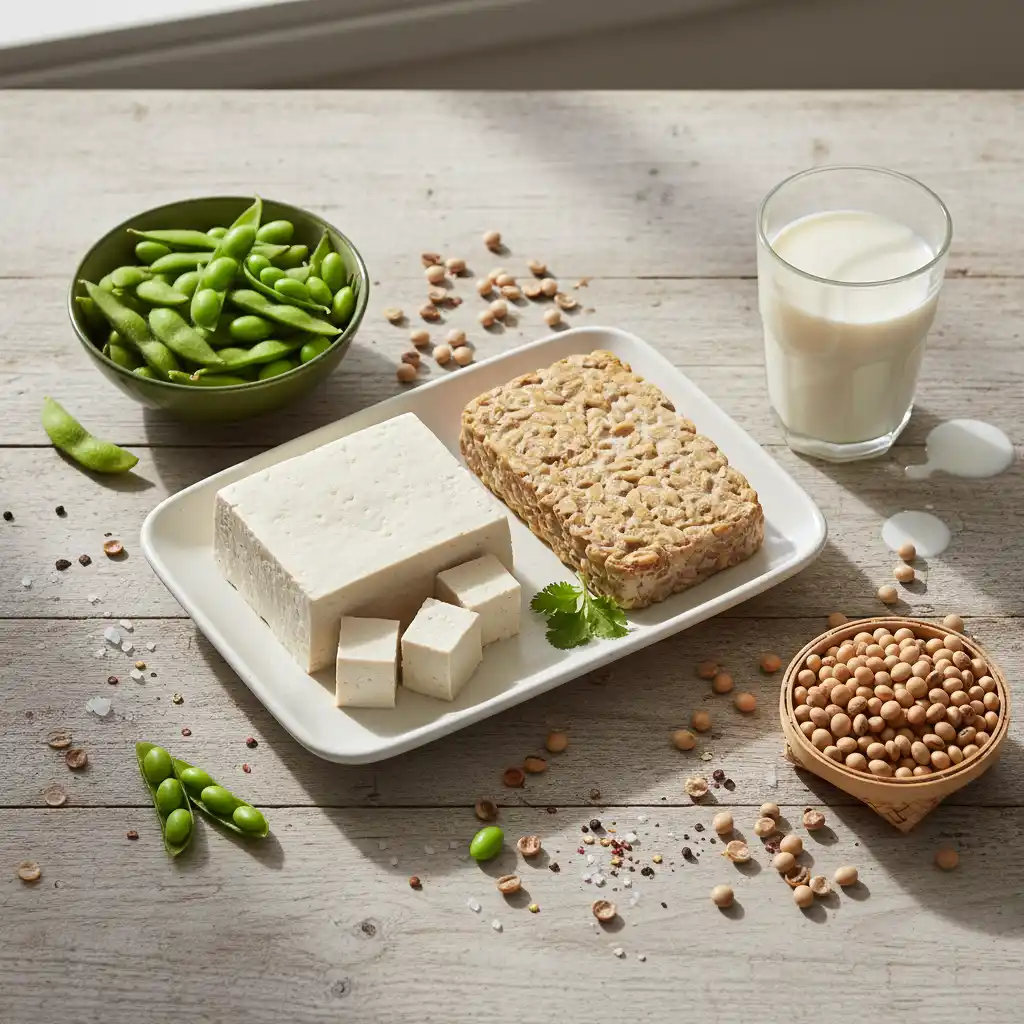
To view the soybean merely as a protein isolate is to overlook a pharmaceutical-grade powerhouse of nutrition. From maintaining bone density to regulating metabolic processes, the micronutrients in soy offer benefits that are particularly relevant to modern diets, which often lack specific trace minerals and bioactive compounds. Whether you are consuming edamame, tofu, tempeh, or soy milk, you are ingesting a sophisticated package of nutrition that supports the body at a cellular level.
The Role of Isoflavones in Soy
Perhaps the most distinct class of micronutrients found in soy are isoflavones. These are a type of phytoestrogen—plant-derived compounds that possess a chemical structure similar to human estrogen, though their effect on the body is much weaker and more complex. The primary isoflavones in soy are genistein, daidzein, and glycitein.
Mechanisms of Action
Isoflavones function as selective estrogen receptor modulators (SERMs). This means they can have different effects on different tissues. For instance, in bone tissue, they may mimic estrogen to help preserve density, while in breast tissue, they may have anti-estrogenic properties that could potentially lower the risk of certain cancers. This selective capability makes soy unique among legumes.
Cardiovascular and Menopausal Health
Research suggests that isoflavones contribute to arterial health by improving endothelial function—the ability of blood vessels to dilate and contract. For women, particularly during menopause, the intake of soy isoflavones has been linked to a reduction in the frequency and severity of hot flashes. While individual responses vary based on gut flora (specifically the ability to convert daidzein into equol), the presence of these phytonutrients elevates soy from a simple food to a functional food.
Soy as a Source of Iron, Calcium, and Zinc
A common critique of plant-based diets is the potential for mineral deficiencies. However, soy products are remarkably dense in essential minerals, specifically iron, calcium, and zinc. Understanding how to maximize the absorption of these minerals is key to unlocking their potential.
Iron: The Non-Heme Variety
Soybeans are rich in iron, specifically non-heme iron. While non-heme iron is generally less bioavailable than the heme iron found in animal products, soy contains significantly high quantities of it—often more per serving than many animal-based sources. For example, a cup of cooked soybeans can provide nearly half of the daily recommended intake for men and post-menopausal women.
To maximize absorption, New Zealand nutritionists recommend pairing soy-rich meals with Vitamin C sources. Adding kiwifruit, capsicum, or citrus to a meal containing tofu can significantly inhibit the effects of phytates (compounds that block mineral absorption) and enhance iron uptake.
Calcium: The Coagulant Factor
The calcium content in soy products, particularly tofu, varies largely depending on the manufacturing process. Tofu set with calcium sulfate (a traditional coagulant) is an exceptional source of calcium, often rivaling dairy milk. In New Zealand, checking the label is crucial; “calcium-set” tofu provides a highly bioavailable form of this bone-building mineral. Furthermore, many soy milks available in NZ supermarkets are fortified with calcium carbonate or tricalcium phosphate to match the nutritional profile of cow’s milk.
Zinc for Immune Support
Zinc is vital for immune function and DNA synthesis. Soybeans provide a respectable amount of zinc. While phytates in soy can reduce zinc absorption, traditional processing methods such as fermentation (found in tempeh and miso) break down these phytates, making the zinc more accessible to the body.
Understanding Omega-3 and Omega-6 in Soy
Fatty acids are micronutrients that serve as the building blocks for cell membranes and signaling molecules. Soy is one of the few legumes that has a significant fat content, and its lipid profile is nutritionally favorable.
Alpha-Linolenic Acid (ALA)
Soy oil and whole soybeans are good sources of alpha-linolenic acid (ALA), a type of plant-based Omega-3 fatty acid. ALA is an essential fat, meaning the body cannot produce it and must obtain it from the diet. It is a precursor to EPA and DHA, the active forms of Omega-3s. While the conversion rate in the human body is relatively low, consuming adequate ALA is still critical for cardiovascular health and inflammation reduction.
The Omega-6 Consideration
Soy also contains linoleic acid, an Omega-6 fatty acid. Modern Western diets often contain a disproportionately high ratio of Omega-6 to Omega-3, which can be pro-inflammatory. However, whole soy foods (like edamame and tempeh) offer a more balanced profile compared to highly processed soybean oil. For New Zealanders looking to optimize their lipid intake, prioritizing whole soy foods over processed soy oils helps maintain a healthier fatty acid balance.
For a deeper dive into the importance of fatty acid ratios, reputable sources like the Harvard T.H. Chan School of Public Health provide extensive data on how plant-based Omega-3s support heart health.
Essential B-Vitamins and Antioxidants
Beyond minerals and fats, soy is a robust carrier of B-complex vitamins, which are essential for energy metabolism and neurological function.
Folate and Thiamin
Soybeans are particularly rich in folate (Vitamin B9) and thiamin (Vitamin B1). Folate is critical for cell division and DNA synthesis, making it a vital nutrient during pregnancy and periods of rapid growth. A single serving of edamame can provide a substantial portion of the daily requirement for folate. Thiamin is necessary for converting carbohydrates into energy and for proper nerve function.
Antioxidant Capacity
In addition to isoflavones, soy contains other phenolic acids and saponins which act as antioxidants. These compounds help neutralize free radicals in the body, reducing oxidative stress. The darker varieties of soybeans (black soybeans) are particularly high in anthocyanins, the same antioxidants found in blueberries, offering enhanced protection against cellular damage.

The Impact of Fermentation on Nutrient Bioavailability
Not all soy products are created equal. The processing method significantly dictates the micronutrient profile and how well your body can absorb it. In the context of nutrition, fermentation is a game-changer.
Fermented soy products, such as Tempeh, Miso, and Natto, undergo a biochemical change where bacteria or fungi break down the complex carbohydrates and proteins. This process yields several benefits:
- Phytate Reduction: Fermentation significantly lowers phytate levels, unlocking minerals like iron and zinc for better absorption.
- Vitamin K2 Synthesis: Natto, a sticky fermented soybean dish, is one of the world’s richest sources of Vitamin K2 (specifically MK-7). Vitamin K2 is crucial for directing calcium into the bones and keeping it out of the arteries, a synergy that complements the calcium content in soy.
- Probiotics: Miso and unpasteurized tempeh can provide beneficial bacteria that support gut health, which in turn improves overall nutrient absorption.
Incorporating Diverse Soy Products into Your Diet
To fully benefit from the spectrum of soy micronutrients, variety is essential. Relying solely on processed soy protein isolate powders will provide protein but miss many of the vitamins, minerals, and fiber found in whole foods.
Edamame
Edamame (immature soybeans) are the least processed form of soy. They are rich in folate, Vitamin K1, and fiber. They make excellent snacks or additions to salads.
Tofu
Rotate between silken, firm, and extra-firm varieties. As mentioned, look for calcium-set tofu to boost mineral intake. Tofu is a flavor sponge, making it versatile for curries, stir-fries, and even smoothies.
Tempeh and Miso
Tempeh offers a nutty flavor and a dense texture, along with higher fiber and protein content than tofu. Miso paste is a micronutrient-dense seasoning; however, it is high in sodium, so it should be used mindfully. Adding miso at the end of cooking preserves its probiotic activity.
Navigating the New Zealand Soy Market
For New Zealand consumers, the quality of soy products is generally high. New Zealand food standards are rigorous, and there is a strong consumer preference for non-GMO ingredients.
Most soy milk and tofu products manufactured in New Zealand utilize non-GMO soy beans, often sourced from Australia or certified growers. When selecting soy micronutrients sources in the supermarket aisle, look for “Whole Bean” soy milk rather than those made from soy protein isolate. Whole bean milk retains more of the natural lipid profile and micronutrients of the bean.
Furthermore, because New Zealand soil is notoriously low in iodine and selenium, checking nutrition labels for fortification is a smart strategy. Some soy milks are fortified not just with calcium, but also with B12 and iodine, making them a more complete nutritional replacement for dairy.
For authoritative information on nutrient content in foods, the USDA FoodData Central database acts as a global standard for analyzing the micronutrient density of raw and cooked soybeans.

Frequently Asked Questions
Below are some common questions regarding the micronutrient content and safety of soy products.
Does soy deplete minerals in the body?
No, soy does not deplete minerals. While soy contains phytates which can bind to minerals like iron and zinc reducing their absorption, this effect is minimized by cooking, fermenting, or soaking the beans. Furthermore, the high mineral content of soy generally outweighs the reduction in absorption rates.
Is the iron in soy as good as red meat?
Soy contains non-heme iron, which is absorbed less efficiently than the heme iron in red meat. However, you can significantly increase absorption by consuming soy with Vitamin C-rich foods like citrus, capsicum, or broccoli.
Which soy product has the most calcium?
Calcium-set firm tofu generally has the highest calcium content, often containing more calcium per serving than cow’s milk. Fortified soy milk is also a reliable source, provided the container is shaken well before pouring.
Do soy micronutrients help with menopause?
Yes, specifically the isoflavones found in soy. These phytoestrogens can bind to estrogen receptors and have been shown in numerous studies to reduce the frequency and severity of hot flashes in menopausal women.
Is soy a good source of Vitamin B12?
No, soy products do not naturally contain Vitamin B12. Vegans and vegetarians should look for soy milks that are specifically fortified with B12 or take a separate supplement.
Does fermentation change the nutrients in soy?
Yes, fermentation (as in tempeh, miso, and natto) improves the bioavailability of minerals by breaking down phytates. It also creates new nutrients, such as Vitamin K2 in natto, and introduces beneficial probiotics.