
Soy estrogen myths in NZ often stem from a fundamental misunderstanding of plant biology versus human endocrinology. Soy contains isoflavones, which are phytoestrogens (plant oestrogens) that possess a similar chemical structure to human oestrogen but function differently within the body. Rather than simply elevating oestrogen levels, these compounds act as Selective Estrogen Receptor Modulators (SERMs), meaning they can have either weak oestrogenic or anti-oestrogenic effects depending on the tissue type, posing no proven threat to hormonal balance in healthy individuals.
For decades, the humble soybean has been a battleground of nutritional ideology. In New Zealand, where dairy is a cultural staple and agricultural powerhouse, the shift toward plant-based proteins has sparked intense debate regarding soy safety. From gym floors in Auckland to GP offices in Wellington, questions persist: Does soy feminise men? Does it cause cancer in women? Is it safe for children?
To navigate the NZ soy lifestyle effectively, we must move from defensive science to practical daily living, dissecting the clinical data to separate persistent folklore from physiological fact.
Phytoestrogens vs. Human Oestrogen: The Science
The core of the controversy lies in biochemistry. To understand why the fears surrounding soy are largely unfounded, one must distinguish between the hormone produced by the human endocrine system and the compounds found in legumes.
The Mechanism of Isoflavones
Soybeans are a rich source of isoflavones, specifically genistein, daidzein, and glycitein. These are classified as phytoestrogens. Because their chemical structure resembles 17β-estradiol (the primary human oestrogen), they can bind to oestrogen receptors in the human body. However, this binding affinity is significantly weaker than that of human oestrogen.
Crucially, the human body has two types of oestrogen receptors: Alpha (ERα) and Beta (ERβ). Activation of ERα is typically associated with cell proliferation (which raises cancer concerns), while ERβ activation is often associated with preventing cell growth and other protective functions. Isoflavones generally prefer binding to ERβ receptors. This selective binding explains why soy can have beneficial effects without the negative risks associated with excess human oestrogen.
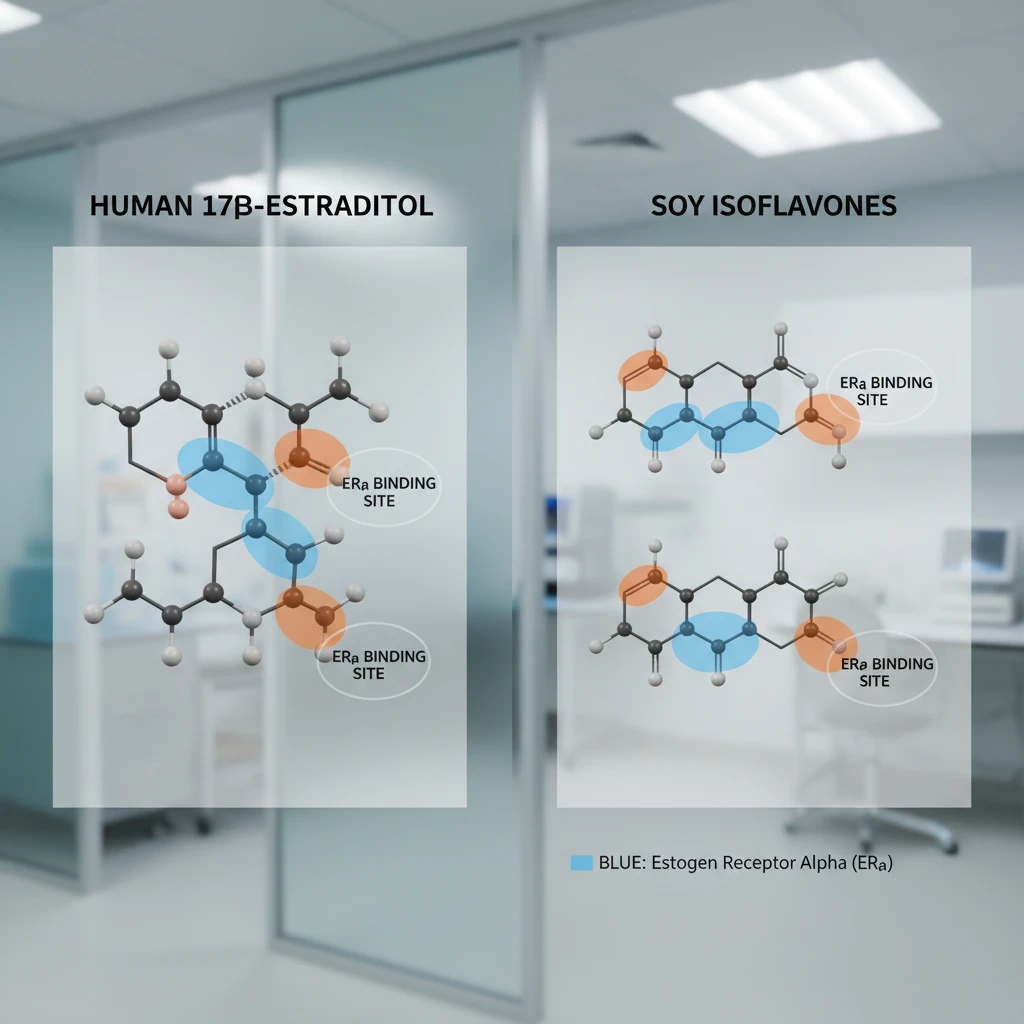
The SERM Effect
Scientists now classify soy isoflavones as Selective Estrogen Receptor Modulators (SERMs). This means their effect changes based on the hormonal environment of the individual:
- In a high-oestrogen environment (such as a pre-menopausal woman), isoflavones may compete with the more potent human oestrogen for receptor sites, potentially blunting the overall oestrogenic effect.
- In a low-oestrogen environment (such as a post-menopausal woman), they may provide a weak oestrogenic boost, which can be beneficial for bone health and symptom management.
Impact on Men’s Health: Fertility and Testosterone
Perhaps the most pervasive myth in the fitness and wellness community is the “Soy Boy” trope—the idea that soy consumption lowers testosterone and increases feminine characteristics in men. This fear drives many New Zealand men to avoid soy protein powders and tofu, despite their high nutritional value.
Debunking the Testosterone Drop
Extensive clinical research has investigated whether soy protein or isoflavone intake alters reproductive hormones in men. A comprehensive meta-analysis published in Fertility and Sterility reviewed over 30 studies and found no significant effects of soy protein or isoflavone intake on testosterone levels, sex hormone-binding globulin (SHBG), free testosterone, or the free androgen index.
The studies that initially sparked fear were largely based on rodent models or isolated case studies involving men consuming astronomical amounts of processed soy (equivalent to liters of soy milk daily) in the context of an unbalanced diet. For the average Kiwi male consuming a balanced diet, moderate soy intake (1-3 servings per day) has zero impact on testosterone production.
The Prostate Paradox
Far from being harmful, soy may offer specific protection for men’s health. Epidemiological data consistently shows that men in Asian countries, where soy consumption is high, have significantly lower rates of prostate cancer compared to men in Western nations like New Zealand.
While lifestyle factors vary, research suggests that the ERβ binding affinity of isoflavones may inhibit the growth of prostate cancer cells. Consequently, including edamame or tempeh in a weekly meal rotation is increasingly viewed by urologists and dietitians as a proactive strategy for long-term prostate health.
Impact on Women’s Health: Menopause and Breast Cancer
For New Zealand women, the narrative around soy has been confusing, swinging from “superfood” to “carcinogen” and back again. The primary concern has historically been breast cancer, given that many breast cancers are oestrogen-receptor-positive (ER+).
Soy and Breast Cancer Risk
The fear that soy “feeds” breast cancer is based on the misunderstanding that phytoestrogens act exactly like human oestrogen. Current evidence, supported by the American Cancer Society and the NZ Cancer Society, suggests that soy foods are safe and may even be protective.
Large-scale population studies indicate that women who consume soy products during childhood and adolescence may have a reduced risk of developing breast cancer later in life. For women who have had breast cancer, current guidelines indicate that consuming natural soy foods is safe. The SERM effect mentioned earlier means isoflavones do not stimulate breast tissue cell proliferation in the same way human oestrogen does.

Managing Menopause Naturally
As oestrogen levels drop during menopause, many women experience hot flushes (vasomotor symptoms). Because isoflavones provide a weak oestrogenic effect, they can help mitigate these symptoms. While not as potent as Hormone Replacement Therapy (HRT), dietary soy is a popular first-line natural intervention.
However, the effectiveness can vary due to gut health. Only about 30-50% of people possess the gut bacteria required to convert the isoflavone daidzein into equol, a metabolite with stronger biological activity. This highlights the importance of overall gut health in the NZ soy lifestyle.
Research Findings Specific to NZ Diet & Soy Consumption
New Zealand presents a unique context for soy consumption due to our specific agricultural environment and dietary patterns. Two major factors distinguish the Kiwi perspective: Iodine deficiency and GMO regulations.
The Iodine Connection
New Zealand soils are notoriously low in iodine. Historically, this led to high rates of goitre. Today, iodine is fortified in bread, but mild deficiency remains a concern. Why does this matter for soy?
Soy isoflavones can inhibit the activity of thyroid peroxidase (TPO), an enzyme required for thyroid hormone synthesis. However, this is generally only an issue if iodine intake is inadequate. For Kiwis, this means that if you are increasing your soy intake, you must ensure you are getting enough iodine (via iodised salt, seafood, or seaweed) to prevent any potential thyroid sluggishness. It is not that soy harms the thyroid directly, but rather that it stresses a system already compromised by low iodine.
GMO vs. Non-GMO in New Zealand
A common concern in the “soy estrogen myths NZ” narrative is the quality of the soy itself. New Zealand has strict labelling laws enforced by Food Standards Australia New Zealand (FSANZ). Genetically Modified (GM) soy is widely used in animal feed but is strictly labelled in human food products.
Most soy milk, tofu, and tempeh products sold in NZ supermarkets (like Sanitarium or Bean Supreme) are made from non-GMO whole soybeans. This distinction is vital for consumers concerned about glyphosate residues or genetic modification. When buying soy in NZ, look for “Non-GMO” on the label—it is a standard claim for premium local brands.
Recommendations for Balanced Soy Intake
Moving from theory to practice, how should the average New Zealander incorporate soy into their diet? The goal is to maximize benefits while maintaining dietary diversity.
Prioritise Whole and Fermented Foods
Not all soy is created equal. The health benefits attributed to soy in Asian cultures come from whole or fermented sources, not highly processed soy protein isolates (SPI) often found in cheap protein bars and meat analogues.
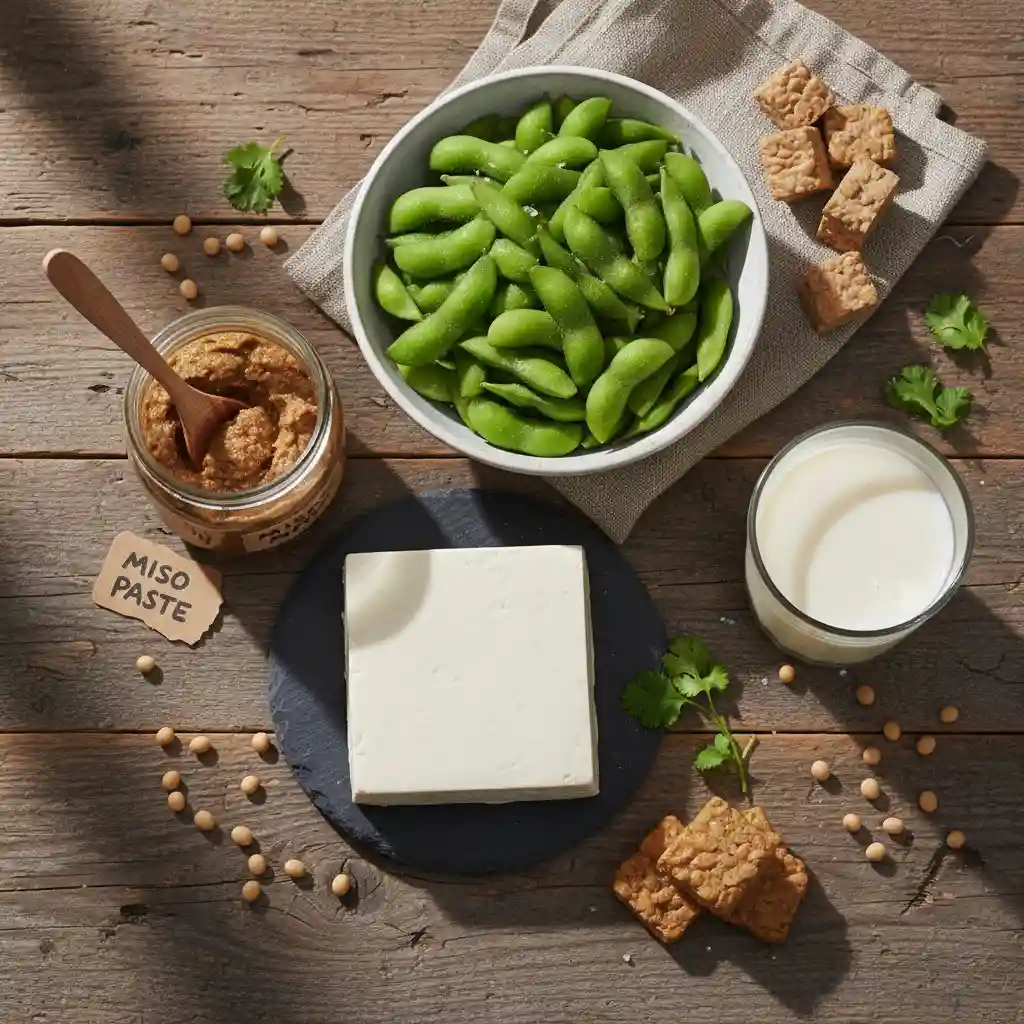
- Best Sources: Tempeh, Miso, Natto (fermented sources are easier to digest and have lower anti-nutrient content), Edamame, and firm Tofu.
- Good Sources: Unsweetened Soy Milk (calcium-fortified).
- Limit: Highly processed soy nuggets, “fake meats” with long ingredient lists, and soy protein isolate powders if you have digestive sensitivities.
Daily Intake Guidelines
Based on current evidence reviewed by the NZ Heart Foundation and international bodies, a safe and beneficial intake is approximately 1 to 2 servings per day. A serving might look like:
- 250ml of soy milk
- 100g of tofu
- 1/2 cup of edamame beans
This level of intake provides roughly 25-50mg of isoflavones, sufficient to offer health benefits without overwhelming the digestive system or raising concerns about iodine absorption.
A Note on Infants
The NZ Ministry of Health recommends breast milk as the primary source of nutrition for infants. Soy-based infant formula is available and considered safe for full-term infants who cannot tolerate cow’s milk formula, but it should be used under medical advice. For older children, soy foods are a nutritious part of a varied diet, providing essential protein, calcium, and healthy fats.
In conclusion, the myths surrounding soy and estrogen in New Zealand are largely outdated. When consumed as whole foods and as part of a balanced diet rich in iodine, soy is not only safe but a powerful ally for long-term health.
Frequently Asked Questions
Does eating soy lower testosterone levels in men?
No. Comprehensive meta-analyses of clinical studies have shown that neither soy foods nor soy protein supplements lower testosterone levels in men. The phytoestrogens in soy do not function as human oestrogen in the male body and do not cause feminisation when consumed in normal dietary amounts.
Is soy safe for women who have had breast cancer?
Yes. Current research, supported by major cancer organisations, indicates that moderate consumption of natural soy foods is safe for breast cancer survivors. Some studies even suggest a lower risk of recurrence, likely due to the selective binding nature of isoflavones.
Does soy cause thyroid problems in New Zealanders?
Soy does not cause thyroid disease in people with healthy thyroid function and adequate iodine intake. However, because NZ soils are iodine-deficient, Kiwis consuming high amounts of soy should ensure they use iodised salt or eat iodine-rich foods, as soy can interfere with iodine absorption if levels are already low.
How much soy is safe to eat per day?
Health experts generally recommend 1 to 2 servings of soy foods per day. This equates to roughly one cup of soy milk and 100g of tofu. This amount provides health benefits without potential downsides.
Is most soy in New Zealand Genetically Modified (GMO)?
While much of the world’s soy crop is GMO, the majority of soy foods (tofu, soy milk) sold for human consumption in New Zealand supermarkets are made from non-GMO beans. FSANZ regulations require GM foods to be labelled, so look for “Non-GMO” on the packaging.
Should children avoid soy products?
No, children do not need to avoid soy. It is a healthy source of plant protein, calcium, and vitamins. Unless a child has a specific soy allergy, foods like tofu and soy milk are safe and nutritious additions to their diet.