
Soy milk drinks encompass a versatile range of plant-based beverages, from traditional espresso-based coffees to modern smoothies and cocktails, utilizing the protein-rich liquid derived from soybeans. To create the perfect soy milk drink, one must select a barista-grade blend for texturing or a clean, organic variety for nutritional density in cold beverages.
The Evolution of Soy Milk Drinks in Modern Cafe Culture
For decades, soy milk was the solitary alternative to dairy in coffee shops worldwide. While the market has recently been flooded with almond, oat, and coconut options, soy milk remains the gold standard for protein content and creaminess in the realm of plant-based beverages. In New Zealand and Australia, where the flat white reigns supreme, the demand for high-quality soy milk drinks has driven innovation in food technology, leading to formulations that mimic the mouthfeel of full-cream dairy without the lactose.
The modern consumer is no longer satisfied with a watery, separated soy latte. The expectation has shifted toward a culinary experience where the plant milk complements, rather than masks, the flavor profile of the espresso or tea. This evolution is driven by a convergence of lifestyle trends: the rise of veganism, the demand for sustainable agriculture, and the pursuit of functional nutrition. Soy milk, with its complete amino acid profile, sits uniquely at this intersection, offering a beverage base that is as scientifically fascinating as it is delicious.
Understanding soy milk drinks today requires looking beyond the simple substitution of dairy. It involves appreciating the chemistry of protein coagulation, the balance of acidity in coffee roasting, and the textural dynamics required for viral-worthy latte art. As we explore the depth of this category, we move from basic consumption to genuine appreciation of the bean.

Selecting the Best Soy Milk for Barista Excellence
Not all soy milks are created equal, especially when heat and acidity are involved. The primary challenge in creating hot soy milk drinks is the interaction between the hot, acidic coffee and the soy proteins. When the pH drops, proteins tend to bond together and separate from the liquid, resulting in the dreaded “curdling” effect. To combat this, baristas and home enthusiasts must choose their brand wisely.
The Difference Between “Barista” and “Regular” Blends
You may have noticed cartons labeled “Barista Series” or “Professional Blend” on supermarket shelves. These are not merely marketing terms; they indicate a specific chemical formulation designed to withstand the rigors of a steam wand. Regular soy milk, often intended for cereal or cold consumption, typically contains a lower fat content and fewer stabilizers.
Barista blends generally include:
- Acidity Regulators: Ingredients like dipotassium phosphate act as buffers, preventing the pH of the coffee from shocking the soy proteins into coagulation.
- Vegetable Oils: The addition of sunflower or canola oil increases the fat content, which is crucial for creating the silky micro-foam necessary for latte art.
- Stabilizers: Gums (such as gellan or carrageenan) help maintain the suspension of solids, ensuring a smooth texture from the first sip to the last.
For cold soy milk drinks, such as smoothies or iced lattes where heat is not a factor, organic and unsweetened varieties are often superior. These allow the natural nutty flavor of the soy to shine without the added oils or gums, providing a cleaner nutritional profile.
Mastering the Art of Soy: Barista Tips for Foam and Texture
Creating cafe-quality soy milk drinks at home requires technique adjustments compared to dairy milk. Soy protein is more temperature-sensitive than casein (milk protein), meaning it can burn or degrade at lower temperatures.
The Temperature Sweet Spot
The cardinal rule of steaming soy milk is to keep it cooler than dairy. While dairy milk is often steamed to 65°C (149°F), soy milk performs best between 55°C and 60°C (131°F – 140°F). Exceeding 60°C significantly increases the risk of curdling once the milk hits the espresso. If you do not have a thermometer, a good rule of thumb is to stop steaming as soon as the pitcher becomes too hot to touch comfortably for more than a second.
Stretching and Texturing
Soy milk requires a more aggressive “stretch” (introduction of air) at the beginning of the steaming process compared to dairy. However, because soy creates stable foam quickly, you must transition to the “rolling” phase (submerging the wand to create a vortex) sooner to break down those large bubbles into micro-foam. Ideally, the stretching phase should only last for the first 5-10 seconds.
The Pouring Technique
When pouring a soy flat white or latte, speed is essential. Soy foam separates from the liquid faster than dairy foam. Swirl the pitcher vigorously before pouring to reintegrate the texture. Pour with confidence to ensure the crema of the coffee lifts, providing that beautiful contrast required for latte art. According to Perfect Daily Grind, a leading voice in coffee science, allowing the milk to rest for even thirty seconds can result in a separation that ruins the texture, so pour immediately after steaming.
Beyond the Latte: Unique Soy Milk Drink Recipes
While coffee is a staple, the neutral yet creamy profile of soy milk makes it an incredible canvas for a variety of beverages. From functional smoothies to indulgent evening cocktails, here are three recipes to elevate your soy milk repertoire.
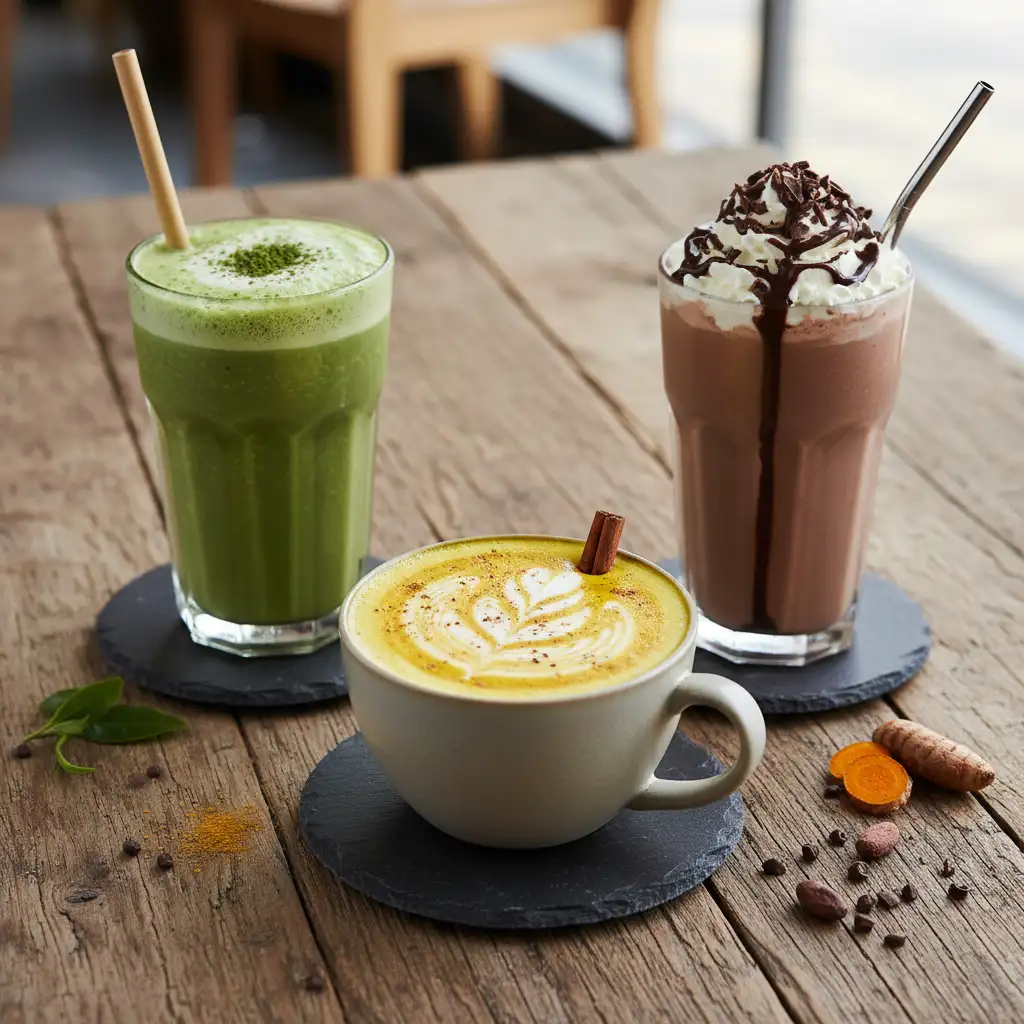
1. The “Golden Soy” Turmeric Latte (Iced or Hot)
- Ingredients: 250ml Barista Soy Milk, 1 tsp ground turmeric, 1/4 tsp cinnamon, 1/4 tsp ginger powder, 1 tsp maple syrup, pinch of black pepper (to activate curcumin).
- Method: Whisk spices and syrup into a paste with a splash of hot water. For hot: steam the soy milk and pour over the paste. For iced: shake the soy milk and paste with ice in a cocktail shaker until frothy.
2. Matcha Soy Cloud Smoothie
A high-protein, antioxidant-rich breakfast option that leverages the natural sweetness of soy.
- Ingredients: 200ml Unsweetened Soy Milk, 1 frozen banana, 1 tsp ceremonial grade matcha powder, 1 scoop vanilla plant protein, handful of spinach.
- Method: Blend on high speed until completely smooth. The soy milk creates a fluffy, cloud-like texture that dairy often fails to achieve in blenders.
3. The Soy White Russian
A plant-based twist on the classic cocktail. The richness of soy milk stands up surprisingly well to alcohol.
- Ingredients: 60ml Vodka, 30ml Coffee Liqueur (e.g., Kahlúa), 60ml Creamy Soy Milk.
- Method: Fill a rocks glass with ice. Pour in the vodka and coffee liqueur. Gently float the soy milk on top. Stir slowly before serving to create a marbling effect.
Nutritional Profile: Health Benefits of Soy Beverages
Soy milk drinks offer more than just a dairy-free alternative; they provide a distinct nutritional package that is beneficial for long-term health. Unlike almond or rice milk, which are often low in protein, soy milk is comparable to cow’s milk in protein content, typically offering 7-9 grams per cup.
Complete Protein Source
Soy is one of the few plant-based sources of “complete” protein, meaning it contains all nine essential amino acids that the human body cannot produce on its own. This makes soy milk drinks an excellent post-workout recovery beverage for vegans and vegetarians.
Isoflavones and Heart Health
Soybeans are rich in isoflavones, a class of phytoestrogens. Extensive research suggests that regular consumption of soy protein can help lower LDL (bad) cholesterol levels. According to the Harvard T.H. Chan School of Public Health, soy is a nutrient-dense food that can safely be consumed several times a week, and may provide protective benefits against heart disease.
Bone Health
Many commercial soy milks are fortified with Calcium and Vitamin D, making them essential for bone density, particularly in populations that avoid dairy. When selecting a soy milk for health reasons, always check the label to ensure it is fortified, as raw soy milk does not naturally contain high levels of calcium.
The DIY Frontier: Homemade Soy Milk and Flavor Infusions
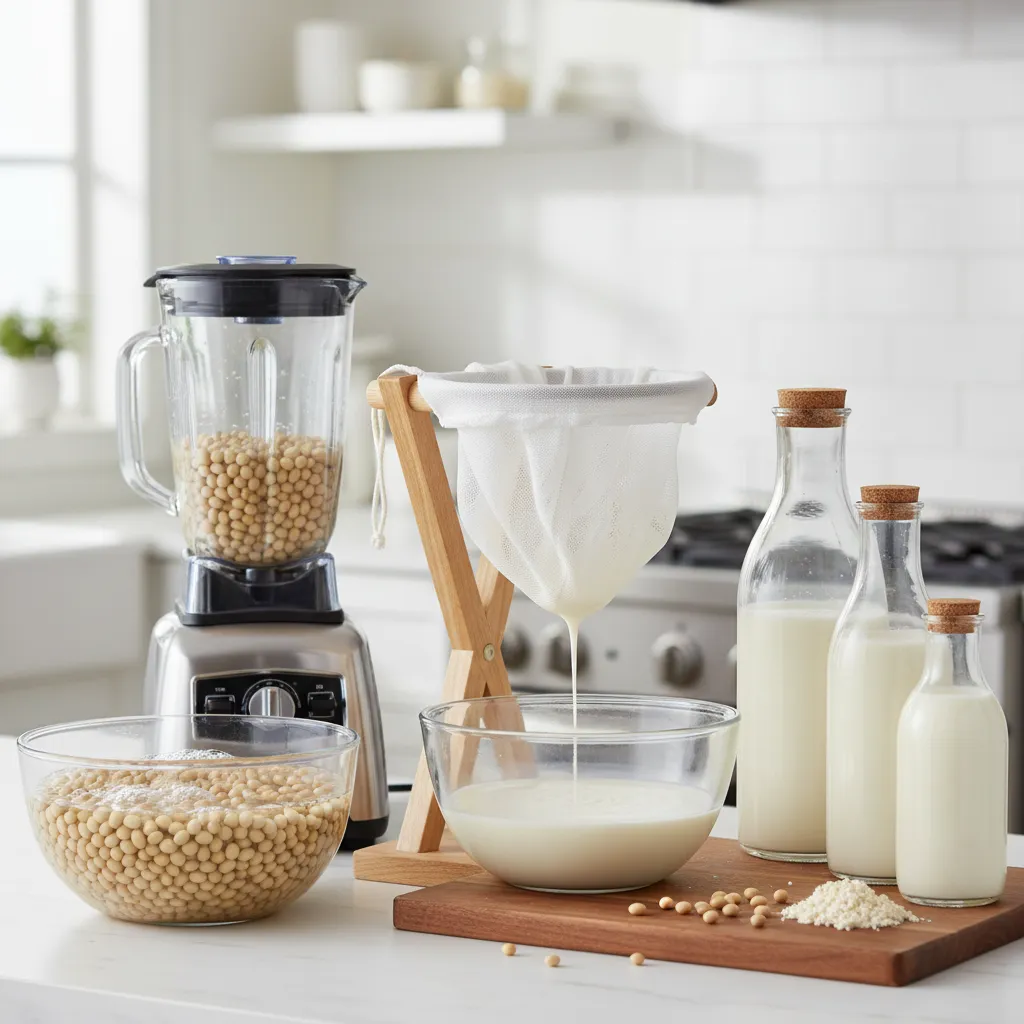
For the true enthusiast, the ultimate control over flavor and texture comes from making soy milk at home. This process, while time-consuming, yields a product that is fresher and more flavorful than anything found in a carton. Dive deeper into the art of DIY Soy Milk & Yogurt.
- Soak: Soak 1 cup of organic dried soybeans in water for at least 12 hours. The beans will expand significantly.
- Blend: Drain the beans and remove the outer skins (optional, but improves texture). Blend with 4 cups of fresh water until smooth.
- Strain: Pour the mixture into a nut milk bag or cheesecloth over a pot. Squeeze out as much liquid as possible. The leftover pulp is called “okara” and can be used in baking. For more comprehensive guides on utilizing soy in various culinary applications, explore the Ultimate Air Fryer Tofu Guide.
- Cook: This is critical. Raw soy protein is indigestible. Bring the strained milk to a boil, skim off the foam, and simmer for 20 minutes.
Flavor Infusions
Once you have your base, the infusion possibilities are endless. Because soy has a savory undertone, it pairs beautifully with aromatic ingredients.
- Pandan Soy Milk: Add a knotted pandan leaf to the pot while simmering for a fragrant, vanilla-like Asian twist.
- Black Sesame Soy: Blend toasted black sesame seeds with the soybeans for a grey, nutty, and rich variation.
- Date & Sea Salt: Sweeten your homemade batch naturally by blending in two pitted dates and a pinch of sea salt before the final strain.
Future Tech and Sustainability in Soy Production
As we look toward the future of soy milk drinks, technology is playing a pivotal role. The “New Zealand Lifestyle” approach—valuing purity, sustainability, and high-tech agriculture—is influencing global soy trends. Innovations in precision fermentation are currently being explored to create soy proteins that are molecularly identical to dairy casein, potentially solving the curdling issue forever without additives.
Furthermore, sustainability is a major driver. While soy has faced criticism regarding deforestation, the vast majority of soy grown for human consumption (like soy milk) is sourced from sustainable, non-GMO crops, whereas deforestation-linked soy is primarily used for livestock feed. By choosing certified organic and non-GMO soy milk brands, consumers are supporting a food system that is efficient in water usage and carbon footprint compared to dairy farming.
The future of soy milk drinks is not just about the beverage itself, but about the technology that ensures it can be produced ethically and deliciously for generations to come. Whether you are a barista mastering the pour or a health-conscious consumer blending a morning smoothie, soy milk remains a dynamic and essential part of the modern drink landscape.
Frequently Asked Questions
Is soy milk good for coffee?
Yes, soy milk is excellent for coffee due to its creamy texture and nutty flavor. However, it requires specific barista blends and lower steaming temperatures (55-60°C) to prevent curdling when mixed with acidic espresso.
Why does soy milk curdle in coffee?
Soy milk curdles in coffee because of the acidity in the coffee beans and the heat. The acid causes the soy proteins to coagulate. Using a ‘Barista Blend’ containing acidity regulators and letting the coffee cool slightly can prevent this.
Can you froth regular soy milk?
You can froth regular soy milk, but it may not hold its texture as well as barista blends. Regular soy milk often lacks the added vegetable oils and stabilizers that help create the micro-foam needed for latte art.
Is soy milk healthier than oat milk?
Soy milk is generally higher in protein than oat milk, offering a complete amino acid profile similar to dairy. Oat milk is higher in carbohydrates and fiber. The ‘healthier’ option depends on your dietary goals, such as protein intake versus fiber requirements.
How long does homemade soy milk last?
Homemade soy milk typically lasts 3 to 5 days when stored in an airtight container in the refrigerator. Because it lacks the preservatives found in commercial brands, it spoils faster and should be consumed quickly.
What does soy milk taste like in tea?
In tea, soy milk adds a smooth, creamy consistency with a distinct savory or nutty undertone. It pairs exceptionally well with strong black teas like Chai or Earl Grey, as the robust tea flavors balance the soy taste.