
Miso paste recipes rely on the complex, enzymatic transformation of soybeans and grains to deliver a potent punch of umami flavor to culinary creations. To master these recipes, you must understand how to balance the paste’s inherent salinity with fats and acids, utilizing it as a foundational seasoning for soups, marinades, and modern dressings.
Unlocking Umami: The Power of Fermented Soy
In the culinary landscape of New Zealand and beyond, the search for depth of flavor—often referred to as umami or the “fifth taste”—inevitably leads to one powerhouse ingredient: miso. As we bridge the gap between traditional techniques and future food technology, fermented soy stands as a pillar of both gastronomic pleasure and nutritional density. While soy sauce has long been a staple in Kiwi pantries, miso paste is rapidly gaining ground as the ultimate secret weapon for home cooks and professional chefs alike.
Miso is more than just a soup base; it is a living, breathing ingredient. Created through the inoculation of soybeans with a fermentation culture known as Aspergillus oryzae (or Koji), miso represents a months-long (sometimes years-long) biological process that breaks down proteins into amino acids. This process releases glutamate, the compound responsible for that savory, mouth-watering sensation that defines umami. Mastering miso paste recipes requires an appreciation for this delicate chemistry.
The Science of Miso: Varieties and Profiles
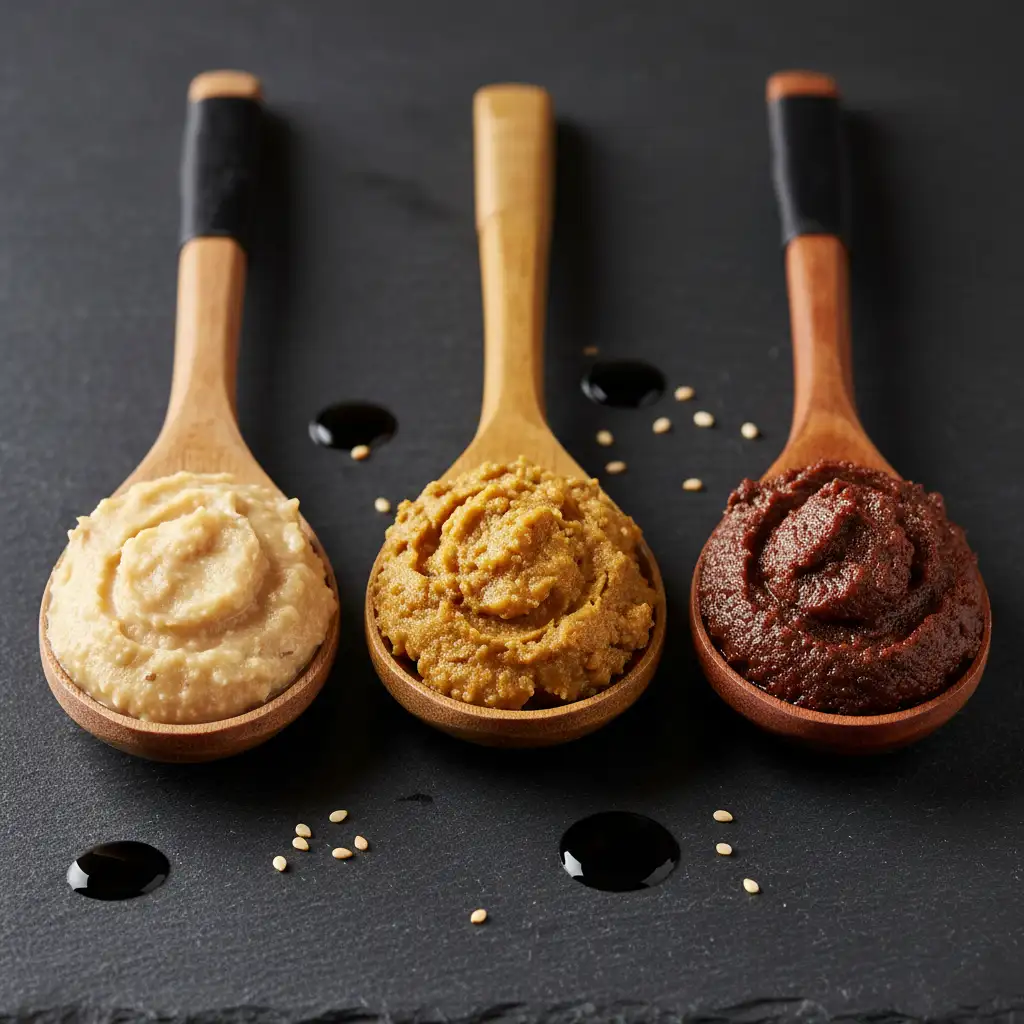
To effectively utilize miso in your cooking, you must first navigate the spectrum of varieties available. The color and flavor of miso are determined by the ingredients used (rice, barley, or soybeans), the ratio of soybeans to koji, and the duration of fermentation.
Shiro Miso (White Miso)
Shiro miso is fermented for a shorter period and contains a higher percentage of rice koji. This results in a pale yellow color and a flavor profile that is sweet, mellow, and lightly salty. It is the most versatile entry point for beginners and is excellent for salad dressings, light soups, and even desserts.
Aka Miso (Red Miso)
Fermented for a much longer period—often up to three years—Aka miso develops a deep russet or dark brown color. The flavor is intense, salty, and pungent with heavy umami notes. It stands up well in hearty stews, braises, and rich glazes for red meat or eggplant.
Awase Miso (Mixed Miso)
Awase is a blend of red and white miso, offering a balance of sweetness and depth. It is often the standard “all-purpose” miso found in grocery stores and is perfect for those who want a single tub in the fridge that can handle both delicate and robust recipes.
Fermentation and Gut Health: Why It Matters
The resurgence of fermented soy is not merely a culinary trend; it is deeply rooted in the growing awareness of microbiome health. Unpasteurized miso is a potent probiotic food. The fermentation process cultivates beneficial bacteria that can aid digestion and support the immune system.
Furthermore, the fermentation process degrades anti-nutrients found in raw soybeans, such as phytic acid, making the minerals in soy (like zinc and iron) more bioavailable to the body. According to research published by the National Institutes of Health (NIH), regular consumption of fermented soy products is associated with reduced risks of certain chronic diseases, highlighting the intersection of ancient wisdom and modern nutritional science.
Essential Miso Paste Recipes for the Modern Kitchen
Transitioning from theory to practice, here are three definitive recipes that showcase the versatility of miso. These miso paste recipes range from traditional applications to modern fusion dishes suitable for the NZ lifestyle.
1. The Ultimate Miso Glaze (For Salmon or Tofu)
This glaze relies on the “Sa-Shi-Su-Se-So” principle of Japanese cooking but is adapted for a thicker, glossier finish perfect for grilling or baking.
- Ingredients:
- 3 tbsp White Miso (Shiro)
- 2 tbsp Mirin (Sweet Rice Wine)
- 1 tbsp Sake (or dry white wine)
- 1 tbsp Brown Sugar or Maple Syrup
- 1 tsp Grated Ginger
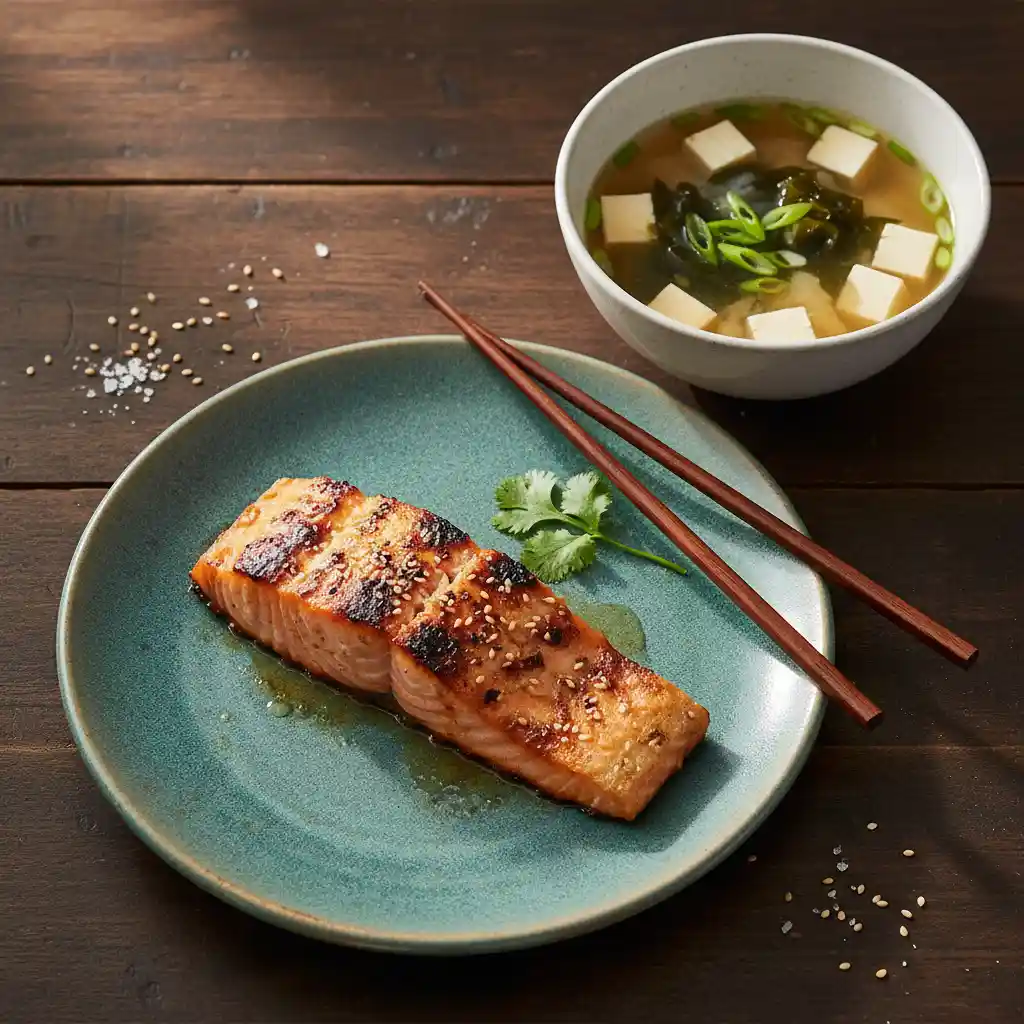
- Method: Whisk all ingredients in a small bowl until the sugar dissolves. Pat your protein (Salmon fillets or firm Tofu blocks) dry. Brush the glaze generously over the top. Let it marinate for 30 minutes. Broil or bake at 200°C for 8-10 minutes until the glaze bubbles and caramelizes.
2. Kiwi-Style Kumara and Miso Soup
A local twist on the classic, incorporating New Zealand sweet potato (Kumara) for added earthiness.
- Ingredients:
- 4 cups Dashi stock (or vegetable broth with kombu)
- 3 tbsp Red or Awase Miso
- 1 medium Gold Kumara, peeled and cubed
- 1 cup Spinach or Silverbeet
- Spring onions for garnish
- Method: Bring the stock to a boil and add the Kumara. Simmer until tender (about 10 minutes). Add the greens and cook for 1 minute. Crucial Step: Turn off the heat. Place the miso in a ladle and lower it into the broth, using chopsticks to dissolve it into the liquid. Never boil miso, as high heat kills the probiotic bacteria and degrades the flavor.
3. Creamy Ginger-Miso Dressing
This dressing mimics the famous salad topping found in Japanese steakhouses but uses fresh ingredients for a punchier flavor.
- Ingredients:
- 2 tbsp White Miso
- 1 tbsp Rice Vinegar
- 1 tbsp Soy Sauce
- 1 tsp Sesame Oil
- 1 tbsp Water (to thin)
- 1 clove Garlic, minced
- Method: Blitz all ingredients in a blender or whisk vigorously until emulsified. Drizzle over fresh greens, roasted vegetables, or grain bowls.
Beyond Soup: Viral Trends and Sweet Applications
In the era of TikTok and Instagram Reels, miso has broken free from the savory category. The salty-sweet combination is a hallmark of modern dessert architecture. By introducing salinity through miso rather than table salt, bakers can add a nutty, toasted complexity to sweets.
Miso Caramel Sauce
Replace the salt in your standard salted caramel recipe with a tablespoon of white miso. The fermented funk cuts through the sugar more effectively than sea salt, creating a sophisticated topping for vanilla ice cream or sticky date pudding.
Miso Butter Toast
Mix equal parts unsalted butter and white miso. Spread this onto thick slices of sourdough toast and top with honey and toasted sesame seeds. This “umami bomb” breakfast has trended globally for its simplicity and depth of flavor.
DIY Guide: Making Simple Fermented Soy at Home
For the true enthusiast, making miso at home is the ultimate engagement with the product. While traditional miso takes months, you can start with “quick” fermented soy products.
The Basic Concept: You need soybeans, salt, and Koji rice (steamed rice inoculated with Aspergillus oryzae). You can purchase dried Koji from specialty Asian grocers or online fermentation shops.
- Soak and Boil: Soak dry soybeans overnight, then boil until soft enough to crush between your fingers.
- Mash: Mash the beans while warm.
- Mix: Combine the mashed beans with salt and the Koji rice. The salt ratio is critical (usually 10-12% of the weight) to prevent spoilage.
- Pack: Pack the mixture tightly into a sterilized jar, removing all air pockets.
- Weight and Wait: Place a weight on top, cover with a cloth, and store in a dark, cool place.
While this is a simplified overview, successful fermentation requires strict hygiene and patience. For a deep dive into safety and science, resources like Sandor Katz’s fermentation guides are invaluable for the home fermenter.
Mastering the Palette: Pairing White vs. Red Miso
Choosing the right miso is akin to choosing the right wine. The intensity of the paste must match the intensity of the ingredients.
- White Miso (Sweet/Light): Pairs best with delicate ingredients. Think scallops, white fish (Snapper/Tarakihi), chicken breast, cauliflower, corn, and dairy (butter/cream). It is the preferred choice for warm weather dishes.
- Red Miso (Salty/Deep): Requires robust partners. Pair with beef, lamb, eggplant, mushrooms, and oily fish like mackerel. It shines in winter stews and heavy gravies.
The Future of Soy: Technology and Sustainability
As we look toward the future of food, fermented soy plays a pivotal role in sustainability. The production of miso and tempeh has a significantly lower carbon footprint compared to animal proteins. Furthermore, “The Soy Authority” recognizes that future tech is moving toward precision fermentation.
Startups are currently exploring ways to use the fermentation vats used for miso to cultivate novel proteins and enhance the nutritional profile of plant-based meats. By mastering the ancient art of miso today, we are essentially practicing the food science of tomorrow. Whether you are looking for simple miso paste recipes or exploring the biotech frontiers of food, the humble soybean remains at the center of innovation.
Frequently Asked Questions
What is the best way to dissolve miso paste in soup?
The best method is to place the miso paste into a ladle or small strainer, lower it into the hot broth (without boiling), and use chopsticks or a whisk to dissolve it directly into the liquid. This prevents clumps and protects the probiotics from high heat.
Can I eat miso paste raw?
Yes, miso paste is safe to eat raw and is actually healthier when consumed this way. Heating miso to boiling temperatures kills the beneficial probiotic bacteria, so it is best added at the very end of cooking or used raw in dressings.
How long does miso paste last in the fridge?
Due to its high salt content and fermentation, miso paste is incredibly shelf-stable. Once opened, it can last in the refrigerator for up to a year. The color may darken over time, but the flavor usually remains intact.
What is a good substitute for miso paste?
If you don’t have miso, soy sauce combined with a pinch of brown sugar can mimic the savory-sweet profile, though it lacks the texture. For a closer texture match, tahini mixed with soy sauce or fish sauce can work in a pinch.
Is miso paste gluten-free?
Miso made entirely from rice and soybeans (like most Shiro miso) is usually gluten-free. However, miso made with barley (Mugi miso) or wheat contains gluten. Always check the label if you have celiac disease or gluten sensitivity.
Why is my miso soup separating?
Miso soup naturally separates because the particulate matter in the paste settles. This is normal and is known as the “blooming” effect. Simply stir the soup just before drinking to reintegrate the miso.