
Sustainable soy NZ refers to soybean products—ranging from tofu and plant milks to animal feed—that are sourced through supply chains certified to prevent deforestation, habitat conversion, and human rights abuses. For New Zealand consumers, achieving sustainability involves selecting brands that utilize non-GMO, organic beans, or verifying that agricultural imports for the dairy and poultry sectors adhere to strict standards like the Round Table on Responsible Soy (RTRS).
The Environmental Footprint of Soy Production
Soy is one of the world’s most versatile and widely cultivated crops, yet its environmental reputation is polarized. On one hand, it is a highly efficient source of plant-based protein; on the other, its rapid agricultural expansion has been linked to significant ecological damage. Understanding the nuance of this footprint is essential for New Zealanders who wish to consume responsibly.
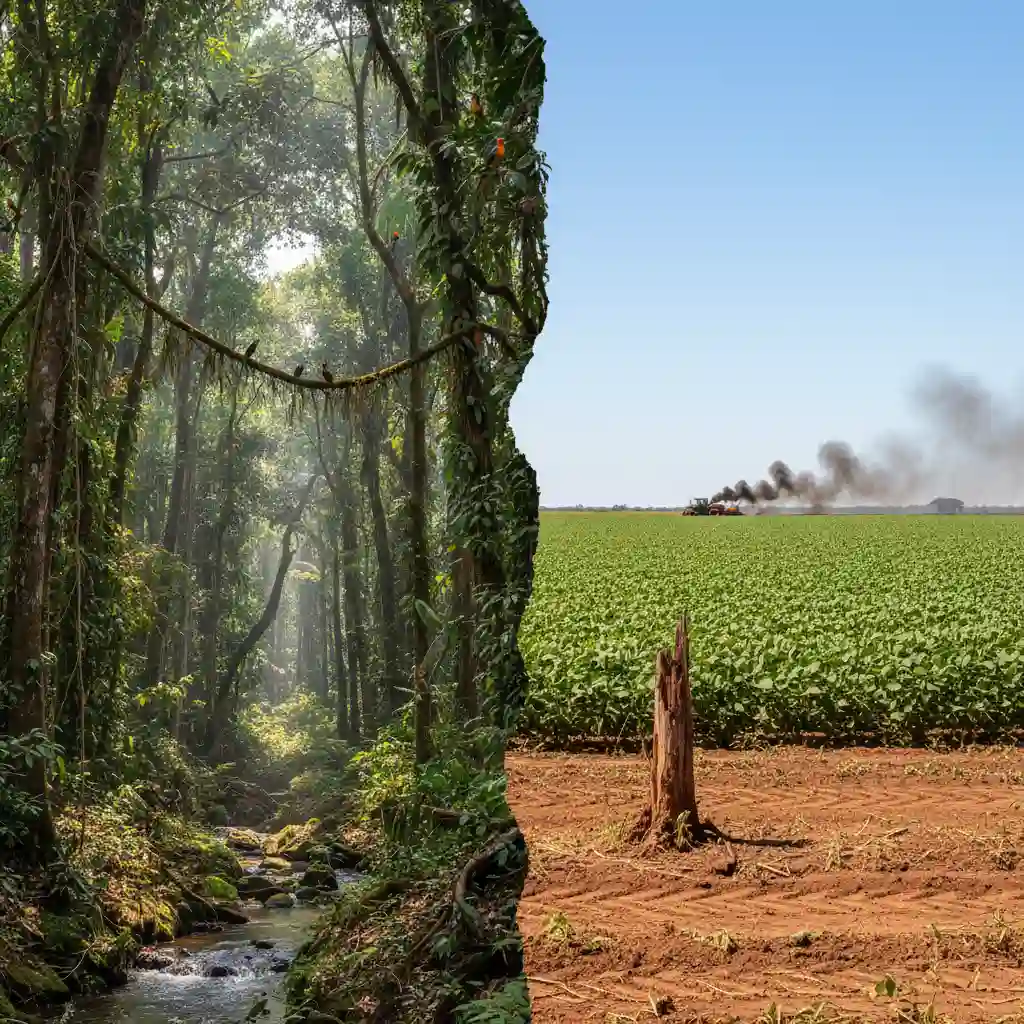
Globally, the primary concern surrounding soy is land-use change. Vast areas of critical biodiversity, particularly in the Amazon Rainforest, the Cerrado, and the Gran Chaco in South America, have been cleared to make way for soybean monocultures. This deforestation releases massive amounts of stored carbon into the atmosphere, contributing to climate change, and threatens the habitats of countless species.
However, the footprint is not solely about land. Water usage is another critical factor. While soy generally requires less water per gram of protein compared to animal products, industrial cultivation often relies on intensive irrigation systems that can deplete local aquifers. Furthermore, the use of agrochemicals—herbicides and pesticides—in non-organic soy farming can lead to soil degradation and water pollution, affecting downstream ecosystems.
For New Zealand, a nation that prides itself on a clean, green image, the importation of soy carries an embedded carbon footprint. The transportation of soy products from major producers like the United States, Brazil, or Argentina involves significant maritime emissions. Therefore, the definition of “sustainable soy” in the NZ context must account for both the method of cultivation at the source and the logistics of getting the product to our shores.
Is Soy Deforestation a Concern for NZ Products?
When walking down the aisle of a New Zealand supermarket, consumers often wonder if the block of tofu or carton of soy milk in their trolley is contributing to the destruction of the Amazon. The answer requires a distinction between soy produced for direct human consumption and soy produced for animal feed.
The vast majority of soy grown globally—approximately 77%—is used to feed livestock for meat and dairy production. Only a small fraction is processed into soy foods for humans. In New Zealand, most manufacturers of soy-based food products (tofu, tempeh, soy milk) are acutely aware of consumer ethics. Consequently, many NZ brands source their beans from certified sustainable, non-GMO sources in countries like Canada, the United States, or Australia, rather than from deforestation-risk zones in South America.
However, the risk is not entirely absent. If a product contains “vegetable oil” or “soy lecithin” without a specific sustainability certification or origin statement, there is a possibility it enters the supply chain from mixed sources where traceability is lower. To ensure you are not supporting deforestation, it is crucial to look for explicit sourcing information on the packaging.
According to the World Wildlife Fund (WWF), the expansion of soy production is a leading driver of deforestation in vital ecosystems. For New Zealand importers, ensuring supply chain transparency is the only way to mitigate this risk effectively.
The Hidden Soy in New Zealand Agriculture
While the tofu on your plate is likely sustainable, the “hidden soy” in the New Zealand food system poses a more complex challenge. New Zealand is a major agricultural producer, and our dairy, poultry, and pork industries rely heavily on imported feed supplements to maintain high production levels.
Soybean meal is a high-protein feed ingredient used to supplement the diet of cows, chickens, and pigs. A significant portion of the soy imported into New Zealand is destined for this purpose. Unlike the food-grade market, the feed-grade market is more commoditized, and tracing the origin of every shipment to a deforestation-free farm is more difficult without rigorous certification schemes.
The Dairy Connection
New Zealand’s dairy industry mainly utilizes pasture-based systems, but Palm Kernel Expeller (PKE) and soy meal are used as supplementary feeds, particularly during winter or droughts. This means that consuming conventional dairy or meat products in New Zealand indirectly contributes to the global demand for soy. If that soy is sourced from areas prone to deforestation, the environmental footprint of that glass of milk or chicken breast increases significantly.
Industry bodies and major cooperatives like Fonterra have made commitments to sustainable sourcing, but the complexity of global supply chains means that vigilance is required. Consumers concerned about sustainable soy must therefore consider their entire diet, not just their plant-based purchases.
Supporting Local: NZ Brands and Import Practices
Fortunately, New Zealand is home to several forward-thinking brands that prioritize ethical sourcing. These companies understand that Kiwi consumers demand transparency and environmental stewardship.
Bean Supreme, a well-known NZ brand, publicly states that they use whole soybeans sourced from growers who do not engage in deforestation. They typically utilize non-GMO beans, often sourced from North America where deforestation is not a primary concern compared to the Amazon.
Tonzu, another popular manufacturer, emphasizes organic certification. By adhering to organic standards, they ensure that the soy is grown without synthetic pesticides and fertilizers, and organic certification often includes strict traceability requirements that preclude beans from deforested land.
Chalmers Organics provides a range of soy products manufactured in New Zealand using certified organic beans. Their commitment extends beyond just the raw material to the entire production process, minimizing waste and energy use.
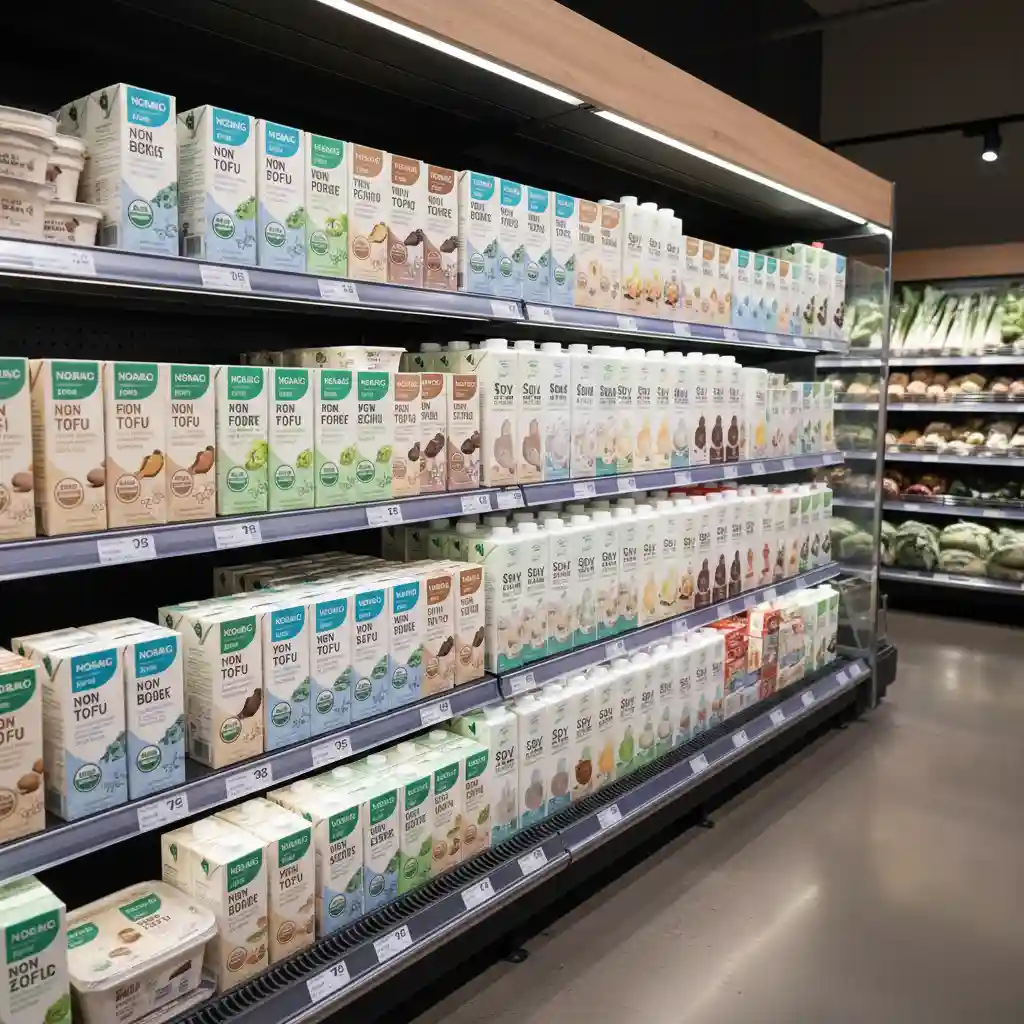
When evaluating import practices, it is encouraging to see a shift toward “identity preserved” supply chains. This means that the soy is segregated from the farm to the factory, ensuring that sustainable beans are not mixed with conventional, potentially unethical beans during storage or shipping. This level of traceability is the gold standard for sustainable soy in NZ.
Can Soy Be Grown in New Zealand?
Given the concerns over carbon miles and import reliance, a logical question arises: Why don’t we just grow soy in New Zealand? The answer lies in our climate and geography.
Soybeans are traditionally a warm-season crop requiring specific soil temperatures and photoperiods (day lengths) to flower and pod successfully. Historically, New Zealand’s maritime climate was considered too cool and variable for commercial soy production, particularly in the South Island.
However, this is changing. With the development of new, cold-tolerant soybean cultivars and the reality of a warming climate, trials have been conducted in regions like Gisborne, Hawke’s Bay, and the Waikato. The Foundation for Arable Research (FAR) has investigated the viability of soy as a rotation crop for maize growers. Domestic production would offer massive sustainability benefits:
- Zero Food Miles: Drastically reducing shipping emissions.
- Traceability: Complete oversight of the growing conditions.
- Soil Health: Legumes fix nitrogen, potentially reducing the need for synthetic fertilizers in subsequent crops.
While we are not yet at the stage of mass domestic production, the emergence of New Zealand-grown soy is a distinct possibility in the near future. Until then, supporting brands that import responsibly is the primary action consumers can take.
Making Informed Choices About Your Soy Purchases
Navigating the supermarket shelves requires a mix of skepticism and knowledge. Here is a practical guide to ensuring your soy consumption aligns with your values.
1. Read the Ingredient List
Look for specificity. Does the label say “Soybeans” or “Organic Soybeans”? Avoid generic “Vegetable Protein” if the source isn’t specified, although in NZ this usually refers to soy. The more transparent the label, the more likely the brand has nothing to hide.
2. Check for Non-GMO
While genetically modified organisms (GMOs) are a contentious topic, in the context of soy, GMOs are inextricably linked to industrial monocultures and high herbicide usage (Roundup Ready soy). By choosing Non-GMO Project Verified or certified organic products, you are generally opting out of the industrial soy complex that drives deforestation.
3. Look for “Whole Bean” Products
Products made from whole soybeans (like traditional tofu and tempeh) are less processed and have a lower carbon footprint than soy protein isolates or concentrates, which require heavy industrial processing.
4. Diversify Your Plant Proteins
Sustainability is also about biodiversity. While soy is excellent, rotating your intake with New Zealand-grown pulses, hemp seeds, or oats reduces the pressure on any single crop. NZ has a thriving hemp industry, which is a highly sustainable, local alternative for protein.
Understanding Certifications and Labels
To cut through the greenwashing, familiarize yourself with the certifications that matter in the soy industry.
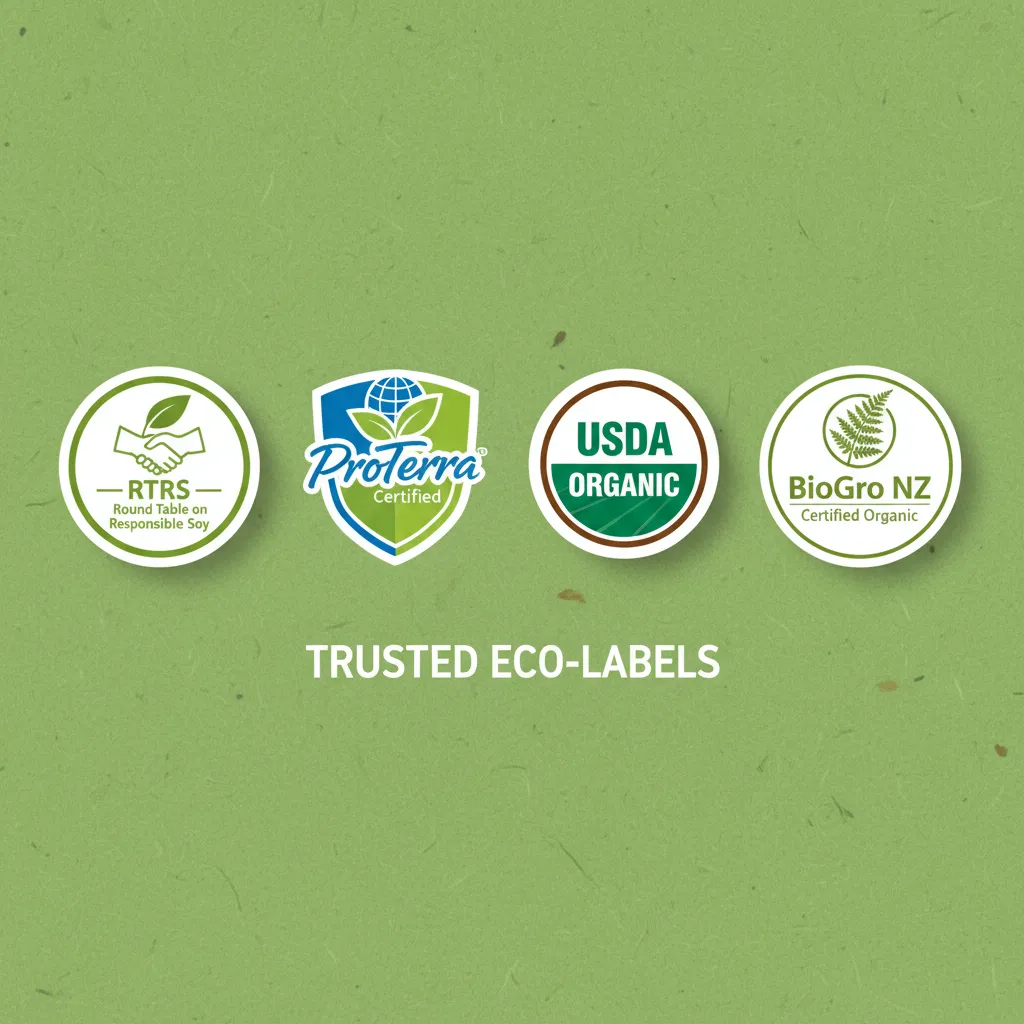
RTRS (Round Table on Responsible Soy)
The RTRS is a global platform promoting responsible soy production. Their certification ensures that soy is not grown on deforested land and that labor rights are respected. It is one of the most robust standards available for industrial soy.
ProTerra Standard
This certification focuses on social responsibility and environmental sustainability. It strictly prohibits the use of GMOs and requires the protection of high-conservation-value areas.
BioGro / AsureQuality (Organic)
In New Zealand, the BioGro and AsureQuality logos are trusted indicators of organic status. While they don’t certify the farm in the overseas country directly, they verify the organic chain of custody. Organic soy is prohibited from being grown on recently deforested land under most international organic standards.
By prioritizing these labels, New Zealand consumers can vote with their wallets, signaling to importers and supermarkets that environmental ethics are non-negotiable.
People Also Ask
Is soy milk sold in NZ sustainable?
Generally, yes. Most soy milk brands available in New Zealand, such as Vitasoy and Sanitarium (So Good), source their soybeans from Australia or other non-Amazon regions. These brands often use non-GMO beans. However, it is always best to check the packaging for organic certification or specific origin statements to be certain.
Does New Zealand import soy from the Amazon?
New Zealand imports soy products globally. While direct food-grade soy often comes from North America or Asia, feed-grade soy (for dairy and poultry) can originate from South America. Major importers are increasingly pressured to verify that their South American supply chains are deforestation-free, but the risk remains in the animal feed sector.
What is the most environmentally friendly milk in NZ?
Oat milk is widely considered one of the most sustainable options in New Zealand because oats can be and are grown locally in the South Island (e.g., Otago Southland), requiring less water than almonds and having a lower carbon footprint than imported soy. However, locally sourced organic soy milk is also a very low-impact choice.
Can farmers grow soybeans in New Zealand?
Yes, but it is not yet a major commercial crop. Trials in warmer regions like Gisborne and Hawke’s Bay have been successful. As climate change alters growing seasons and cold-tolerant varieties improve, domestic soy production is expected to increase, offering a local alternative to imports.
Why is soy bad for the environment?
Soy itself is not bad; the method of cultivation is the issue. The primary environmental concern is deforestation in South America to create new farmland, which destroys biodiversity and releases carbon. Additionally, industrial soy farming often uses high levels of pesticides. Sustainable, organic soy farming avoids these issues.
Which NZ tofu brands are organic?
Brands like Tonzu and Chalmers Organics offer certified organic tofu options in New Zealand. Bean Supreme also offers products made from whole soybeans that are non-GMO. Reading the label for the BioGro or AsureQuality logo is the best way to confirm organic status.