
GMOs in the NZ Market: Is Soy in NZ GMO-Free?
An exhaustive exploration of New Zealand’s regulatory framework, the current status of soy, and the future of genetic modification in the Aotearoa food landscape.

1. The Regulatory Landscape: EPA and FSANZ
New Zealand maintains one of the world’s most stringent regulatory frameworks regarding Genetically Modified Organisms (GMOs). The oversight is split between two primary entities: the Environmental Protection Authority (EPA) and Food Standards Australia New Zealand (FSANZ). While the EPA manages the environmental release of GMOs under the Hazardous Substances and New Organisms (HSNO) Act 1996, FSANZ regulates what enters the food supply.
Under current laws, no GM crops are approved for commercial cultivation in New Zealand. This means that any produce grown on New Zealand soil is, by definition, non-GMO. However, the food market is global, and FSANZ has approved several GM ingredients for consumption, provided they meet safety assessments. This includes specific varieties of soy, corn, canola, and sugar beet, predominantly imported from countries like the USA, Brazil, and Argentina.
2. Deep Dive: Is Soy in NZ GMO-Free?
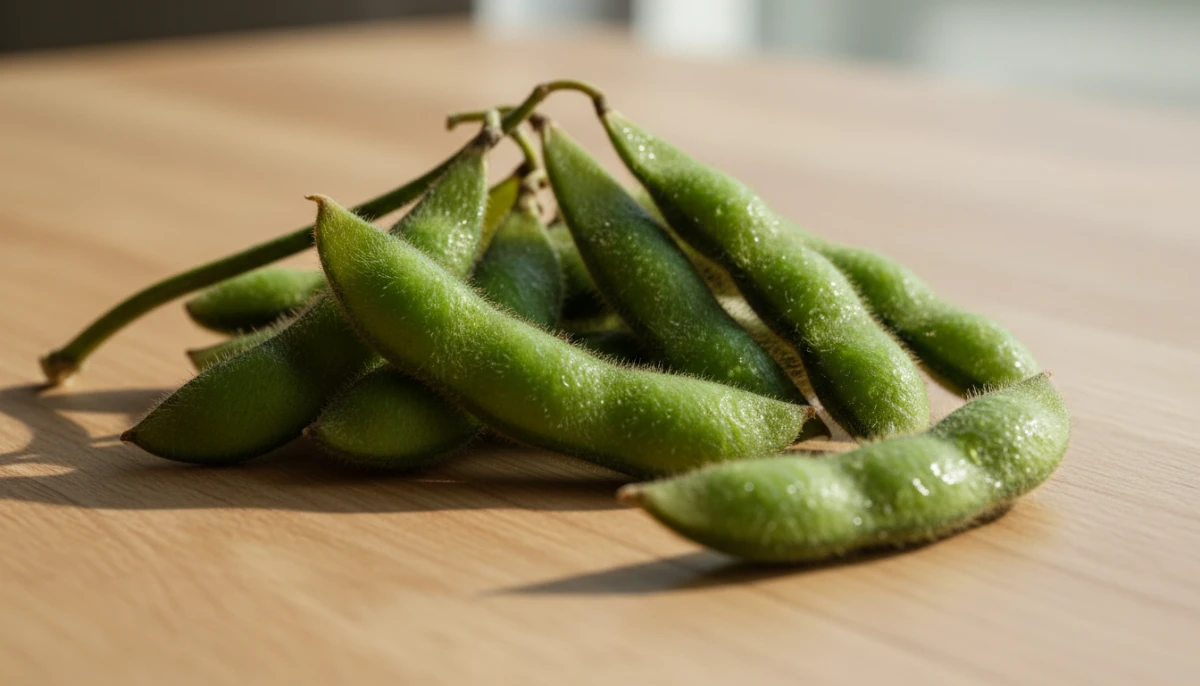
When consumers ask, “is soy in nz gmo free”, the answer depends heavily on the form of the soy and its origin. New Zealand does not grow soy commercially at a scale that meets domestic demand. Consequently, most soy products—ranging from soy milk and tofu to soy lecithin and soybean oil—are imported.
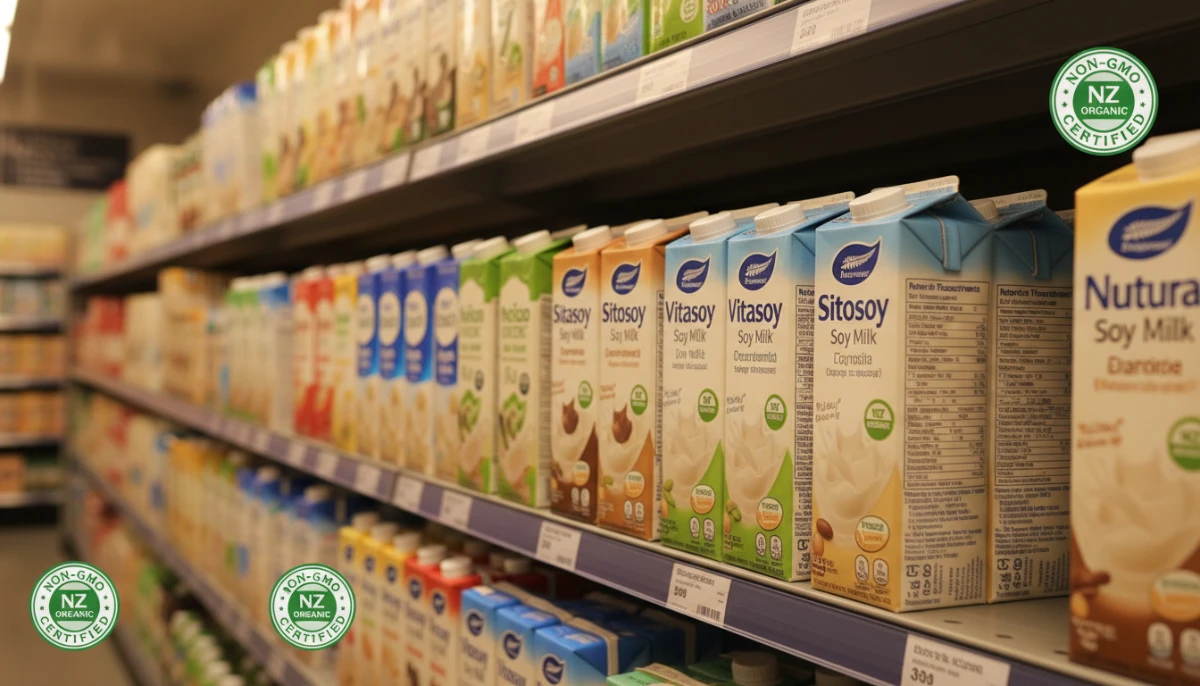
For the health-conscious consumer, the distinction lies in the processing. Whole soy products sold in New Zealand, such as organic tofu or premium soy milks, are frequently sourced from non-GMO crops. However, soy is a ubiquitous ingredient in processed foods. Approximately 80-90% of global soy production is genetically modified to be herbicide-tolerant. Therefore, unless a product is specifically labeled as ‘Organic’ or ‘Non-GMO Project Verified,’ there is a high statistical likelihood that the soy components in processed items (like vegetable oils or emulsifiers) are derived from GM sources.
The Prevalence of Soy Lecithin and Oil
Soy lecithin (additive 322) is used in everything from chocolate to bread. Under NZ law, highly refined products like soy oil or lecithin do not always require a ‘Genetically Modified’ label if the DNA or protein from the modification is removed during the refining process. This creates a nuance in the market where a product may contain GM-derived soy without a prominent warning label.
3. The Ban on Commercial Cultivation
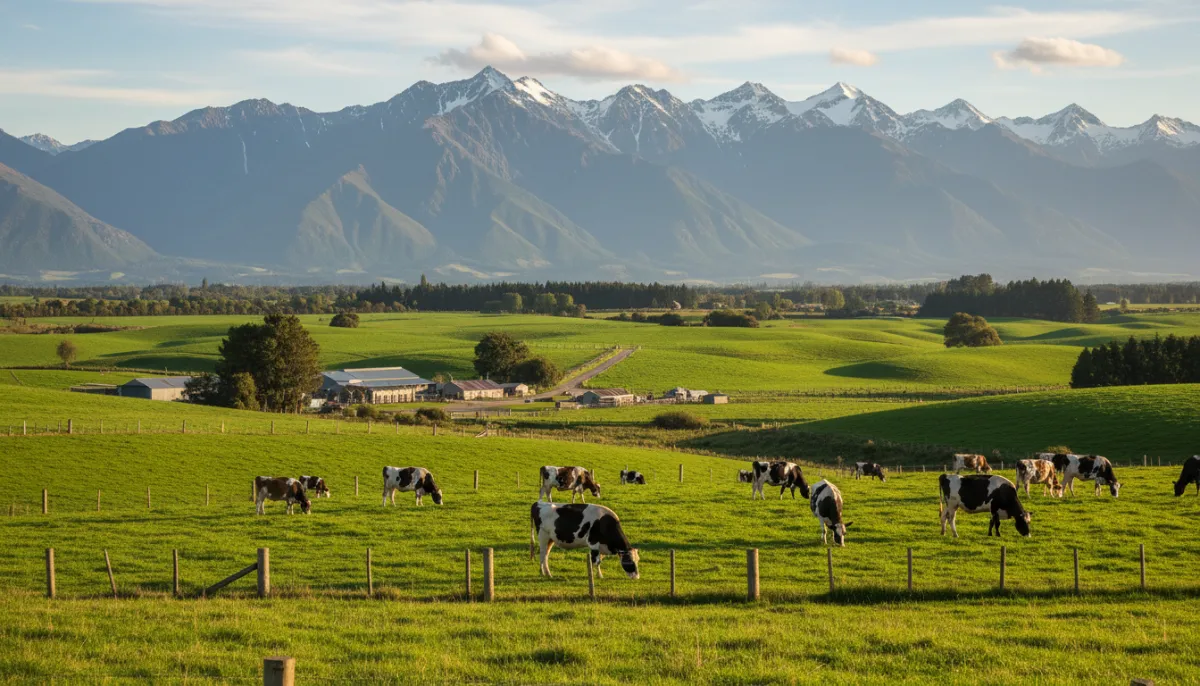
New Zealand’s ‘Zero Tolerance’ for growing GMOs is a cornerstone of its agricultural identity. While laboratory research is permitted under strict containment, no genetically engineered seeds have been released for use in New Zealand pastures or orchards. This stance is bolstered by regional councils, some of which have declared their territories ‘GMO-Free Zones,’ adding a secondary layer of protection against the accidental cross-pollination of conventional crops.
This environmental restriction ensures that New Zealand’s primary exports—such as honey, kiwi fruit, and dairy—remain uncontaminated by GM pollen or traits, preserving the high-value ‘clean green’ premium in international markets.
4. Understanding Food Labelling Requirements
The Australia New Zealand Food Standards Code requires that food must be labeled as ‘genetically modified’ if it contains novel DNA or protein. This is designed to provide consumers with the right to make informed choices. However, there are significant exemptions:
- Highly Refined Foods: As mentioned, oils and sugars where the refining process removes the GM material do not require labels.
- Accidental Presence: A threshold of up to 1% per ingredient is allowed for the unintended presence of GM material.
- Food Prepared for Immediate Consumption: Restaurants and cafes are not required to label GM ingredients on their menus, though they must provide the information if asked.
- Animal Products: Meat, milk, and eggs from animals fed on GM soy or corn do not require GM labeling.
5. The Animal Feed Paradox: Indirect GMO Consumption
While New Zealanders may avoid GM soy in their direct diet, the agricultural sector relies heavily on imported soy meal for animal feed. The poultry, pig, and dairy industries (to a lesser extent) use soy as a high-protein supplement. Much of this soy meal is sourced from GM-heavy regions in the Americas.
The ‘Paradox’ lies in the fact that while the animal consumes GM soy, the resulting product (chicken breast, bacon, or butter) contains no GM DNA and is thus classified as non-GMO. For consumers seeking a truly GMO-free lifestyle, this necessitates looking for ‘Certified Organic’ or ‘Pasture-Raised’ labels where the feed source is strictly controlled.
6. The Economic Impact on the ‘Clean Green’ Brand
New Zealand’s economic strategy is inextricably linked to its reputation for purity. The ‘Pure New Zealand’ brand allows exporters to command higher prices in Europe and Asia. Proponents of the current ban argue that any shift toward GM cultivation would irrevocably damage this brand. Conversely, some industry leaders argue that staying ‘traditional’ in a world of high-tech agriculture may lead to a loss of competitiveness, particularly in terms of yield and climate resilience.
7. New Breeding Techniques (NBTs) and Legislative Reform
The conversation in NZ is currently shifting toward ‘Gene Editing’ (such as CRISPR). Unlike traditional GM, which often involves inserting DNA from a different species (transgenic), gene editing makes precise changes to an organism’s own DNA. Current New Zealand law treats gene-edited organisms the same as transgenic GMOs. However, there is ongoing political debate about updating the HSNO Act to allow for NBTs, which could help New Zealand meet its methane reduction targets or develop drought-resistant grass.
8. Frequently Asked Questions (FAQ)
Is soy in NZ GMO free?
Generally, whole soy products (tofu, soy milk) sold in New Zealand are sourced from non-GMO beans. However, many processed foods contain soy derivatives (oil, lecithin) that may come from GM crops grown overseas. Look for ‘Certified Organic’ to ensure 100% GMO-free status.
Does New Zealand grow any GM crops?
No. Currently, no GM crops are approved for commercial release or cultivation in the New Zealand environment. All produce grown in NZ is non-GM.
How can I tell if a product has GMOs?
Under FSANZ regulations, if a food contains novel DNA or protein from a GM source, it must state ‘genetically modified’ on the label. This does not apply to refined oils or foods prepared in restaurants.
Are animals in NZ fed GM soy?
Yes, some poultry and pigs are fed imported soy meal, which is likely GM. However, the meat and eggs produced do not contain GM material and do not require GM labeling.