
Soy milk nutrition vs oat comparisons reveal a distinct advantage for soy regarding protein density and quality. While oat milk offers higher carbohydrates and fiber ideal for quick energy, soy milk provides a complete protein profile comparable to dairy, containing all nine essential amino acids, making it the superior choice for muscle maintenance and overall satiety.
The Rise of Plant Milks in New Zealand
The landscape of dairy alternatives has shifted dramatically over the last decade. Walk into any supermarket in Auckland or a boutique café in Wellington, and you are no longer limited to just standard dairy. The shelves are stocked with an array of plant-based options, with soy, oat, and pea milks leading the charge. For consumers within the New Zealand soy products market, understanding the nutritional nuances between these beverages is critical for maintaining a balanced diet.
While taste and texture often drive the initial switch from cow’s milk, the long-term viability of a plant-based diet relies heavily on nutritional adequacy. Many Kiwis assume all plant milks are created equal, but this could not be further from the truth. The nutritional divergence between a glass of soy milk and a glass of oat milk is significant, particularly regarding macronutrients like protein and carbohydrates.
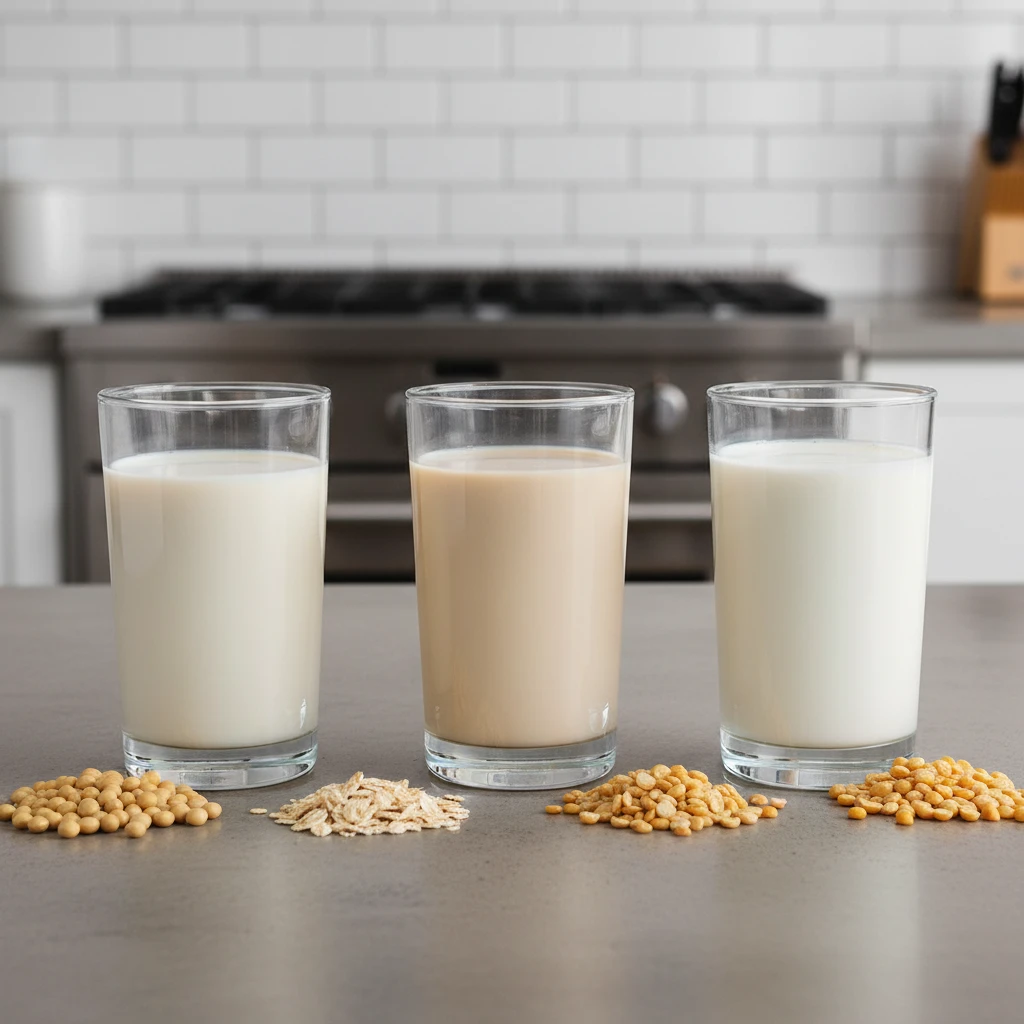
Protein Content Comparison: Gram for Gram
When analyzing soy milk nutrition vs oat or pea milk, protein is the most significant differentiator. Protein is the building block of life, essential for tissue repair, immune function, and muscle growth. In the context of plant milks, quantity varies wildly.
Soy Milk: The Gold Standard
Soy milk has long been considered the nutritional benchmark for dairy alternatives. On average, a 250ml cup of fortified soy milk contains between 7 to 9 grams of protein. This is nearly identical to the protein content found in cow’s milk. For vegetarians and vegans, soy milk serves as a primary protein source, ensuring that daily intake requirements are met without the need for supplementation.
Pea Milk: The Strong Contender
Pea milk, a newer entrant to the New Zealand market derived from yellow split peas, is gaining traction specifically for its protein density. Like soy, pea milk is robust, offering approximately 8 grams of protein per cup. It is often marketed to those who have soy allergies but still require a high-protein liquid staple. However, the texture and taste profile can be distinctively “earthy,” which polarizes some consumers.
Oat Milk: The Low-Protein Option
Despite its skyrocketing popularity in coffee shops due to its creamy texture and frothing ability, oat milk falls short in the protein department. A standard cup of oat milk typically contains only 1 to 3 grams of protein. While delicious, it cannot be relied upon as a primary protein source. If you are swapping dairy for oat milk, you must actively seek protein from other dietary sources to compensate for this deficit.
Understanding Amino Acid Profiles
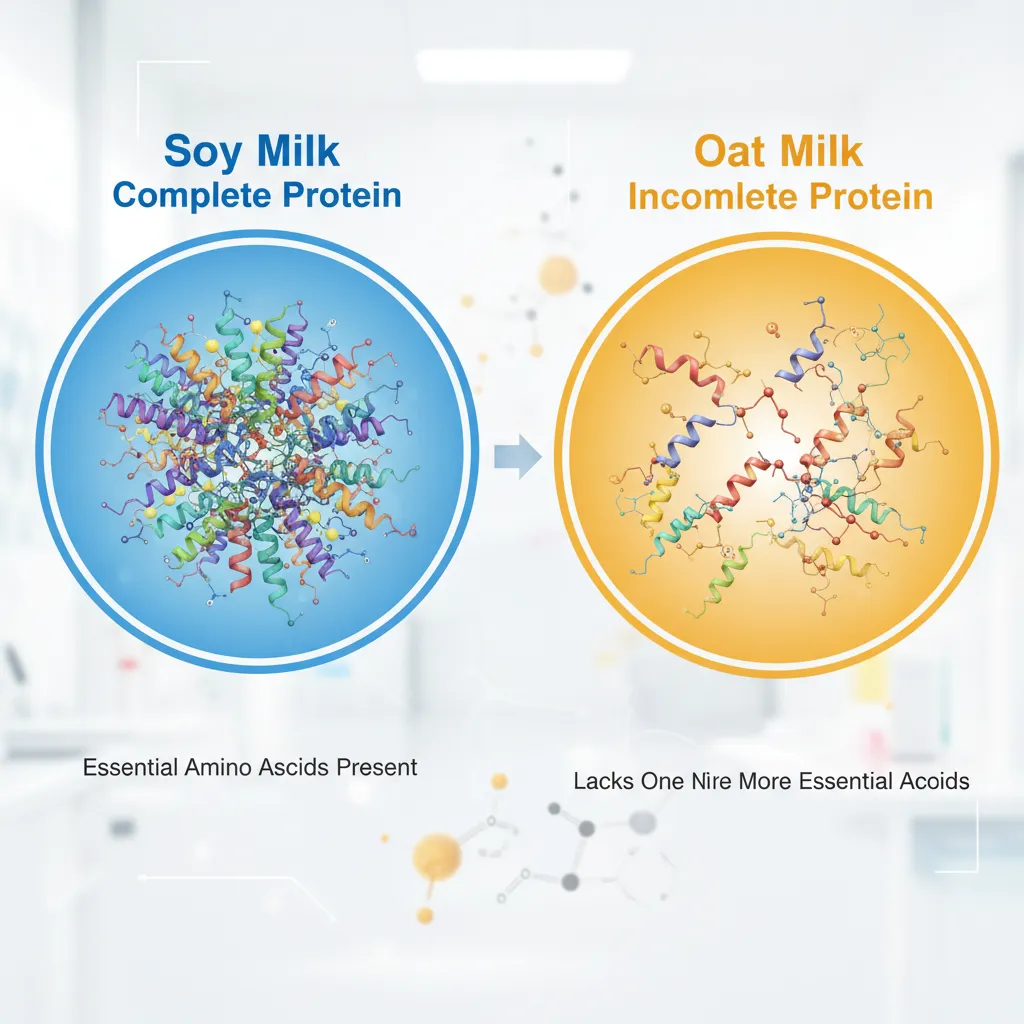
It is not just about the grams of protein; it is about the quality of that protein. Proteins are made up of amino acids. There are nine “essential” amino acids that the human body cannot produce on its own and must obtain from food.
The Completeness of Soy
Soy protein is unique among plant sources because it is a complete protein. It contains all nine essential amino acids in adequate proportions for human health. This gives soy a Protein Digestibility Corrected Amino Acid Score (PDCAAS) of nearly 1.0, which is the highest possible score and equivalent to egg white or casein protein. This makes soy products an invaluable resource for plant-based nutrition in New Zealand.
The Limiting Factors of Oat and Pea
Pea protein is high quality but is slightly low in methionine, an essential amino acid. While it is a potent protein source, it is technically not “complete” in isolation, though it comes very close. Oat milk, conversely, is not only low in total protein but also lacks sufficient lysine. If oat milk is your primary “milk,” you must ensure your diet is rich in lysine sources like beans, lentils, or—ironically—soy products.
Carbohydrates, Sugar, and Glycemic Impact
The macronutrient profile shifts drastically when we look at carbohydrates. This is where the “soy milk nutrition vs oat” debate takes a turn depending on your energy needs.
Oat Milk: High Energy, High Carb
Oats are a grain, and consequently, oat milk is a carbohydrate-rich beverage. During the enzymatic production process, starches in the oats are broken down into simple sugars (maltose). This gives oat milk its naturally sweet taste without added sugar, but it also means it has a higher glycemic index (GI) compared to other plant milks. A cup can contain 15-20 grams of carbohydrates. For athletes needing quick glycogen replenishment, this is excellent. For those managing insulin resistance or seeking weight loss, it requires moderation.
Soy and Pea: Low Carb Stability
Unsweetened soy and pea milks are naturally low in carbohydrates, typically containing 1 to 4 grams per cup. They have a very low glycemic index, meaning they do not cause rapid spikes in blood sugar. This stability makes soy milk the preferred option for diabetics or those following low-carb and keto diets.
Vitamin & Mineral Fortification in Plant Milks
In New Zealand, the soil is naturally low in iodine and selenium, making dietary intake crucial. Furthermore, when removing dairy from the diet, calcium and Vitamin B12 become nutrients of concern.
Most reputable brands of soy, oat, and pea milk in NZ are fortified. However, you must read the label. “Organic” varieties often skip fortification to maintain organic certification, which can leave a nutritional gap.
- Calcium: Look for milks fortified with Calcium Carbonate or Tricalcium Phosphate to match the 300mg/cup found in dairy. Soy milk absorbs calcium fortification very well.
- Vitamin B12: Essential for nerve function and preventing anemia. This is almost exclusively found in animal products, so vegans must choose a plant milk fortified with B12 or take supplements.
- Vitamin D: Often added to aid calcium absorption.
According to the Harvard T.H. Chan School of Public Health, soy is a nutrient-dense source of protein that can safely replace red meat and other animal protein sources. Ensuring your soy milk is fortified bridges the final gap between plant and animal nutrition.
Which Plant Milk is Best for Your Dietary Needs?
Choosing the winner in the “soy milk nutrition vs oat vs pea” showdown depends entirely on your specific health goals and dietary restrictions.
Best for Muscle Building & Satiety: Soy Milk
If you are looking to build muscle or stay full longer, soy milk is the clear winner. Its high protein content and complete amino acid profile support muscle synthesis just as effectively as whey or dairy. It is the most nutritionally dense option.
Best for Allergies (Soy/Nut Free): Pea Milk
For those who cannot tolerate soy and are allergic to nuts, pea milk is the best high-protein alternative. It is hypoallergenic and creamy, offering a nutritional safety net for those with restrictive diets.
Best for Taste & Coffee Lovers: Oat Milk
If nutrition is secondary to sensory experience, oat milk reigns supreme. It foams beautifully for flat whites and lattes, offering a neutral, creamy flavor that doesn’t overpower the coffee beans. However, treat it more as a carbohydrate source than a protein source.

A Note on Sustainability
While nutrition is the focus, the environmental footprint is often a deciding factor for NZ consumers. All three plant milks are significantly better for the planet than dairy milk regarding greenhouse gas emissions and land use.
Oat milk is often touted for its low water usage. Pea milk is incredibly sustainable as peas fix nitrogen in the soil, reducing the need for fertilizers. Soy milk has faced criticism due to deforestation, but the vast majority of soy associated with deforestation is grown for livestock feed, not human consumption. Soy grown for human consumption (tofu, milk) is highly efficient and sustainable.
People Also Ask
Is oat milk or soy milk better for weight loss?
Soy milk is generally better for weight loss than oat milk. Soy milk is higher in protein and lower in carbohydrates and sugar, which promotes satiety and keeps blood sugar levels stable. Oat milk contains more carbohydrates and calories per serving, which can impact total daily caloric intake.
Does soy milk contain estrogen?
No, soy milk does not contain estrogen. It contains phytoestrogens (isoflavones), which are plant compounds that have a weak structure similar to human estrogen but behave differently in the body. Current research indicates that moderate soy consumption does not negatively affect hormone levels in men or women.
Which plant milk has the most protein?
Soy milk and pea milk have the most protein, typically offering 7 to 9 grams per cup (250ml). This is comparable to cow’s milk. Oat milk, almond milk, and rice milk are significantly lower in protein, usually providing only 1 to 3 grams per serving.
Is pea milk healthier than soy milk?
Both are excellent choices. Pea milk is hypoallergenic and high in protein, making it ideal for those with soy allergies. However, soy milk contains a slightly superior “complete” amino acid profile. The “healthier” choice depends on your specific dietary restrictions and taste preferences.
Why is oat milk so high in sugar?
Even unsweetened oat milk contains natural sugars. During processing, enzymes are added to break down the oat starch into maltose (a simple sugar) to create a creamy texture and natural sweetness. This results in a higher sugar content compared to unsweetened soy or pea milk.
Can toddlers drink plant milk instead of cow’s milk?
In New Zealand, health guidelines suggest that fortified soy milk is the only suitable plant-based alternative to cow’s milk for toddlers (over 1 year old) due to its comparable protein and fat content. Oat, almond, and rice milks are generally not recommended as main milk drinks for young children as they lack sufficient protein and energy for growth.