
Vegan cafes in Wellington define the city’s modern culinary identity, offering a diverse array of plant-based dining options ranging from high-end bistros to grungy Cuba Street eateries. To navigate this vibrant scene, food enthusiasts must explore specific neighborhoods like Te Aro and Newtown, where chefs utilize soy and advanced plant proteins to create world-class meat alternatives and dairy-free delicacies.
The Capital of Plant-Based Innovation
Wellington, New Zealand, often cited as the culinary capital of the country, has undergone a radical transformation over the last decade. While historically known for its seafood and lamb, the city has pivoted aggressively toward sustainability and innovation, emerging as a global hotspot for plant-based cuisine. For the discerning palate, the search for vegan cafes Wellington is no longer about finding a single menu item; it is about immersing oneself in a culture that treats soy and plant proteins with the same reverence as traditional proteins.
This shift is not merely a trend but a reflection of Wellington’s progressive ethos. The city’s geography—compact, walkable, and densely packed with creative industries—fosters a unique environment where food trends spread rapidly. Here, the humble soybean is elevated through fermentation, precision cooking, and creative fusion, bridging the gap between traditional New Zealand lifestyle and the future of food technology. Whether you are a lifelong vegan or a flexitarian exploring the benefits of soy, Wellington’s hospitality sector offers an authoritative masterclass in meat-free dining.
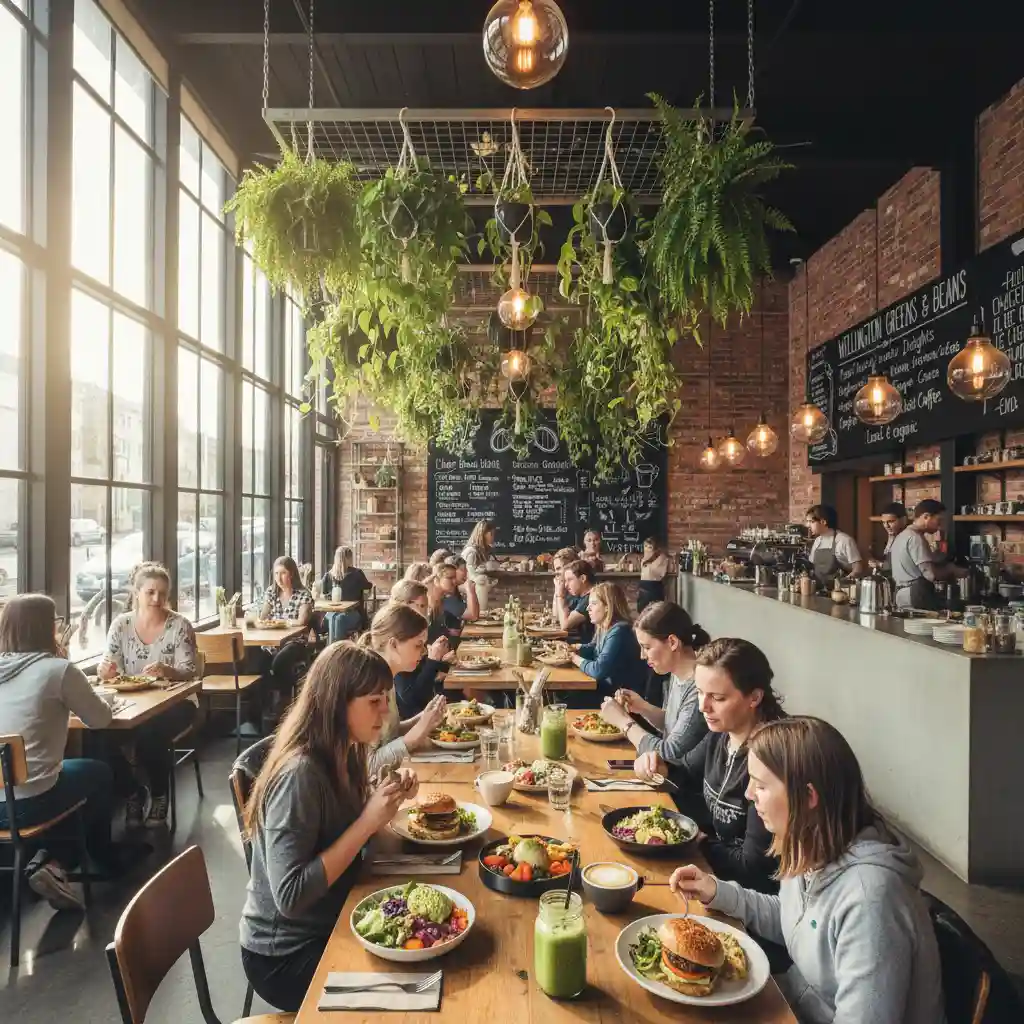
Premier Vegan Cafes Wellington: The Heavy Hitters
When investigating the commercial landscape of Wellington’s vegan dining, several establishments stand out not just for their menus, but for their institutional status in the city. These venues have pioneered the use of soy-based ingredients to replicate and surpass traditional comfort foods.
The Botanist: Botany and Gastronomy Combined
Located in Lyall Bay, The Botanist is arguably the crown jewel of Wellington’s plant-based scene. With views of the ocean, this venue proves that vegan dining can be synonymous with fine dining. Their approach to soy is sophisticated; they utilize marinated tofu and tempeh (fermented soy) to create textures that appeal to carnivores and herbivores alike. Their “fish” and chips, often utilizing banana blossom or soy-protein bases, demonstrates a mastery of texture that defines the current market niche.
Mockingbird: The Cuba Street Icon
Situated on the famous Cuba Street, Mockingbird caters to the “junk food” vegan market. This is where the versatility of soy shines. From soy-based “chicken” burgers to creamy, dairy-free aiolis made from soy lecithin emulsions, Mockingbird showcases the comfort-food potential of plant proteins. It is a vital stop for anyone researching how soy can be engineered to mimic the mouthfeel of fast food without the environmental footprint.
Sweet Release: The Baker’s Art
Originally Wellington’s first all-vegan cafe, Sweet Release has evolved into a powerhouse for savory and sweet options. Their use of soy milk in baking creates moist, dense cakes that rival traditional dairy versions. Furthermore, their savory menu often features seitan and soy blends to create hearty bagel fillings, proving that breakfast in the capital can be entirely plant-powered without sacrificing satiety.
Soy-Centric Specialties & Unique Interpretations
Wellington chefs are known for their refusal to simply serve plain tofu. The city’s “unique Wellingtonian interpretations” involve complex preparation methods that highlight the nutritional profile and culinary flexibility of soy.
The Art of Tempeh in Newtown
Newtown, a suburb known for its cultural diversity, is home to cafes that prepare tempeh from scratch. Unlike mass-produced store varieties, local Wellington tempeh is often fermented longer for a deeper, nuttier flavor profile. You will find this featured in “dragon bowls” and salads where the soy protein is the star, not a substitute. The fermentation process increases the bioavailability of the soy protein, aligning with the health-conscious demands of the local demographic.
Soy-Based Ricotta and Italian Fusion
At establishments like Nolita, New Zealand’s first plant-based pizzeria, the boundaries of soy dairy are pushed to the limit. Using a combination of soy curds and fermentation techniques, they produce house-made cheeses that melt and stretch. Their soy-based ricotta and mozzarella alternatives are crucial for anyone investigating the viability of vegan cheese in a commercial setting. It demonstrates that soy is not just a meat replacement but a functional dairy alternative capable of withstanding high-heat pizza ovens.
The Flat White Revolution: Soy Milk Mastery
You cannot discuss Wellington without discussing coffee. The “Flat White” is a national obsession, and the transition to plant-based milks has been rigorous. In Wellington, ordering a soy flat white is a test of a barista’s skill. Soy milk behaves differently than cow’s milk when steamed; it has a lower denaturation point, meaning it can curdle if overheated.
Top-tier roasteries like Flight Coffee Hangar and Havana Coffee Works have adapted their roast profiles to complement the nutty, creamy profile of soy milk. They prioritize high-quality soy milks, often fortified and specifically formulated for baristas (like the Happy Happy Soy Boy brand often seen on counters). This ensures that the micro-foam is silky and stable.
For the soy connoisseur, the key is to look for cafes that treat soy milk as a premium ingredient rather than an afterthought. The acidity of Wellington’s preferred espresso blends cuts through the sweetness of soy, creating a balanced beverage that has become a staple of the local diet. According to Wikipedia’s overview of NZ Coffee Culture, the standard for milk texturing is exceptionally high, and this extends rigorously to alternative milks.

Hidden Gems & Suburban Spots
While the CBD attracts the tourists, the true “Soy Authority” knows that the best vegan cafes Wellington has to offer are often tucked away in the suburbs.
Hillside Kitchen (Thorndon)
Though often leaning towards vegetarian fine dining, Hillside Kitchen is a pioneer in foraging and local sourcing. Their use of New Zealand-grown soy beans (when available) and house-made soy ferments places them at the cutting edge of the farm-to-table movement. It is a hidden gem for those seeking a gastronomic experience that deconstructs plant-based ingredients to their molecular roots.
Pranah Café (Newtown)
A long-standing vegetarian institution, Pranah offers a rustic, unpretentious vibe. Their approach to soy is traditional yet effective, focusing on marinated tofu steaks and soy-based smoothies. It is a favorite among locals who value consistency and nutritional density over viral food trends.
Seize (Lambton Quay)
Hidden among the corporate high-rises, Seize offers clean eating for the busy professional. Their salad bowls frequently utilize edamame (young soybeans) and tofu to provide the protein necessary for the city’s workforce. This represents the functional side of the soy market niche—fueling the city’s economy through high-protein, plant-based nutrition.
Future Tech: The Intersection of Soy & Sustainability
Wellington is not just consuming soy; it is innovating it. The region is home to a growing number of food-tech startups looking at the future of protein. Cafes in the capital are increasingly becoming testing grounds for new soy technologies.
We are seeing the introduction of “high-moisture extrusion” soy products in cafe menus—a technique that aligns soy fibers to replicate muscle tissue more accurately than ever before. This bridges the gap labeled in our market niche as “Future Tech.” By eating at these cafes, patrons are effectively participating in a live beta-test of the next generation of sustainable food.
Furthermore, the sustainability aspect is paramount. Wellington cafes are meticulous about the sourcing of their soy, ensuring it is non-GMO and deforestation-free. This transparency is demanded by the Wellington consumer base, who are generally well-educated on environmental issues. For more on the environmental impact of food choices, reliable data can be found through resources like the Ministry for Primary Industries (MPI), which tracks New Zealand’s food production standards.
Frequently Asked Questions
What is the most popular vegan cafe in Wellington?
The Botanist in Lyall Bay is widely considered the most popular vegan cafe in Wellington due to its stunning ocean views, comprehensive plant-based menu, and high-quality soy and seitan meat alternatives.
Do Wellington cafes charge extra for soy milk?
While some cafes still charge a small fee (usually 50 cents to $1) for alternative milks, an increasing number of specialty coffee shops in Wellington offer soy milk at no extra cost to encourage sustainable choices.
Are there gluten-free options at vegan cafes in Wellington?
Yes, Wellington is very allergy-aware. Places like Sweet Release and Mockingbird offer extensive gluten-free menus alongside their vegan offerings, often using soy flour or rice flour blends.
Which Wellington neighborhood has the best vegan food?
Te Aro (specifically Cuba Street) and Newtown are the top neighborhoods. They host the highest density of vegan cafes, ethnic restaurants with soy options, and plant-based bakeries.
Can I find soy-free vegan options in Wellington?
Absolutely. While soy is popular, many cafes offer pea protein, seitan (wheat gluten), and jackfruit alternatives. Menus are typically clearly labeled with allergens.
Is vegan food in Wellington expensive?
Prices vary. You can find affordable eats at places like Aunty Mena’s (famous for soy-based mock meats) for under $15 NZD, while upscale spots like The Botanist will be priced similarly to standard bistro dining.