
New Zealand plant based recipes are evolving rapidly by integrating versatile soy ingredients like tofu, tempeh, and TVP into traditional Kiwi dishes. To successfully adapt classics like mince pies or Sunday roasts, home cooks must focus on seasoning and texture techniques that replicate the savory depth of animal proteins while significantly boosting dietary sustainability.
The Evolution of Kiwi Cuisine: Embracing the Bean
For decades, the quintessential New Zealand dinner plate followed a strict formula: meat and three veg. From high country sheep stations to suburban Auckland dining tables, animal protein has historically been the centerpiece of Kiwi culinary culture. However, a seismic shift is occurring across Aotearoa. As health consciousness rises and environmental concerns regarding carbon footprints take center stage, New Zealanders are increasingly looking toward plant-based alternatives that do not compromise on flavor or tradition.
Soy has emerged as the definitive bridge between the old and the new. Unlike other plant proteins that may struggle to mimic the texture of meat, soy products—specifically Textured Vegetable Protein (TVP), tofu, and tempeh—offer a unique versatility that allows them to absorb the rich, savory flavors inherent in Kiwi cooking. Whether it is the umami of Marmite or the sweetness of a Manuka honey glaze, soy acts as a culinary chameleon, making it the perfect candidate for modernizing our heritage recipes.
The integration of soy is not merely a trend; it is a reflection of a maturing palate and a connection to global food technology. As we move further into the 21st century, the ability to cook sophisticated, high-protein plant-based meals is becoming an essential skill for the modern Kiwi home cook.
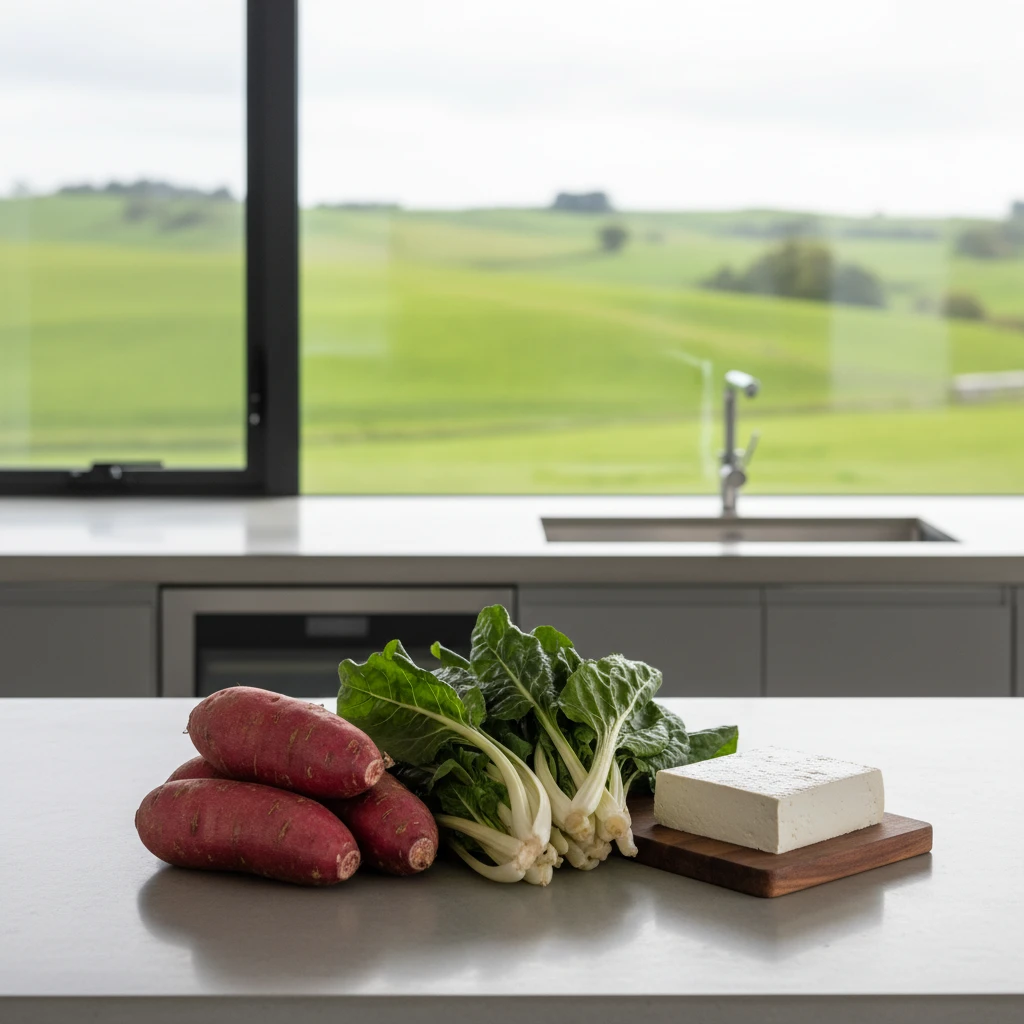
Reinventing the Classics: Soy-Based Kiwi Staples
The challenge for many New Zealanders switching to a flexitarian or vegan diet is the fear of losing comfort foods. The good news is that with the right preparation, soy can replicate the heartiness of our national dishes. Here is how to adapt three iconic Kiwi favorites.
The Ultimate Plant-Based Mince and Cheese Pie
Nothing says “New Zealand” quite like a hot mince and cheese pie. To recreate this using soy, the secret weapon is Textured Vegetable Protein (TVP) or a coarse soy mince. Unlike lentils, which can become mushy, TVP retains a “meaty” chew.
- The Base: Rehydrate 2 cups of TVP in a strong vegetable stock fortified with a teaspoon of dark soy sauce and a teaspoon of Marmite for that deep, beefy color and flavor.
- The Gravy: Sauté onions, garlic, and celery. Add the rehydrated TVP and brown slightly. Dust with flour and add stock, cooking until thick. A splash of Worcestershire sauce (ensure it is vegan) is critical here.
- The Cheese: Use a high-quality plant-based cheddar or a savory nutritional yeast sauce thickened with soy milk.
- Assembly: Encase in flaky pastry and bake until golden. The result is indistinguishable from the bakery classic but with zero cholesterol.
Tofu “Fish” and Chips
Replicating the flake of snapper or tarakihi is difficult, but firm tofu offers a compelling alternative when treated correctly.
- Preparation: Slice a block of extra-firm tofu into fillets. Press them for at least 30 minutes to remove excess water.
- The Ocean Flavor: Marinate the tofu slices in lemon juice, salt, and crumbled nori sheets. The nori infuses the tofu with the necessary saline, oceanic taste.
- The Batter: Use a standard tempura or beer batter. Dip the nori-wrapped tofu into the batter and deep fry. Serve with Agria potato chips and a wedge of lemon.
The Sunday Roast: Soy-Glazed Tempeh
Instead of a leg of lamb, consider a Tempeh loaf or glazed blocks. Tempeh, a fermented soy product, has a nutty, complex flavor profile that pairs beautifully with roast vegetables.
- Technique: Steam the tempeh first to open its pores and remove bitterness.
- The Glaze: Create a glaze using tamari, ginger, garlic, and a touch of maple syrup or golden syrup.
- Pairing: Serve alongside roasted kumara, pumpkin, and parsnips. The fermentation of the tempeh aids digestion, making it a lighter alternative to heavy meats.
Mastering the Trinity: Tofu, Tempeh, and Miso in NZ Kitchens
To truly excel at new zealand plant based recipes, one must master the three primary forms of soy. Each serves a distinct purpose in the kitchen.
Tofu: The Sponge
Tofu comes in various firmness levels. Silken tofu is excellent for dairy-free creamy desserts or thickening pumpkin soups without cream. Firm and extra-firm tofu are your meat substitutes. The golden rule for firm tofu is the “press.” By wrapping the block in a clean tea towel and placing a heavy weight (like a cast-iron skillet) on top for 20 minutes, you expel water. This allows the tofu to absorb marinades—such as a kiwi-onion dip mix or soy-ginger sauce—much more effectively.
Tempeh: The Texture
Tempeh is less processed than tofu, retaining the whole soybean. It has a firm, chewy texture ideal for skewers on the BBQ. Because it is fermented, it has a strong flavor that can be polarizing. To mellow it out, simmer cubes of tempeh in vegetable broth for 10 minutes before frying or baking. This softens the bean and prepares it to take on flavors like barbecue sauce or a spicy peri-peri rub.
Miso: The Umami Bomb
Miso paste is a fermented soybean paste that adds depth. In New Zealand cooking, it is a fantastic substitute for beef stock cubes. Add a tablespoon of white miso to mashed potatoes (kumara or potato) instead of butter for a savory kick. It also works wonders in salad dressings when combined with lemon juice and olive oil.
Seasonal Pairings: Matching Soy with Aotearoa’s Produce
One of the joys of cooking in New Zealand is the abundance of high-quality seasonal produce. Integrating soy means aligning your protein source with what is growing in the garden.
Summer (December – February):
Summer calls for BBQs and salads. Marinate tofu skewers in a spicy peanut satay sauce and grill them alongside capsicums and courgettes. Serve with a fresh salad of sweet corn, avocado, and cherry tomatoes. Cold silken tofu with a soy and sesame dressing makes for a refreshing starter on a hot day.
Autumn (March – May):
As the feijoas start to drop, consider incorporating them into a salsa to serve with crispy fried tempeh. The tartness of the feijoa cuts through the nuttiness of the soy. This is also the season for root vegetables; a hearty stew using TVP chunks, carrots, and potatoes is perfect for cooling evenings.
Winter (June – August):
Comfort food is king. Use soy milk to make a creamy béchamel sauce for a cauliflower cheese or a vegan lasagna. Miso soup with added cubes of tofu and silverbeet provides a warming, nutrient-dense lunch that supports the immune system.
Spring (September – November):
New potatoes and asparagus are the stars. Pan-fry asparagus with garlic and crumbled smoked tofu (which mimics bacon bits). Toss boiled new potatoes in a dressing made from silken tofu, lemon, and dill for a lighter, high-protein potato salad.

Sustainable Dining: The Environmental Impact of Plant-Based Diets
Adopting new zealand plant based recipes is not just a culinary choice; it is an environmental imperative. New Zealand has a strong reputation for agricultural quality, but the environmental cost of animal agriculture is a significant topic of discussion. Shifting a portion of dietary intake from animal protein to soy protein can drastically reduce an individual’s carbon footprint.
Soy production, particularly when sourced for human consumption rather than animal feed, requires significantly less land and water than beef or lamb production. According to global sustainability data, plant-based proteins are far more efficient in terms of resource input versus caloric output. By integrating soy into our diets, Kiwis are participating in a global movement toward food security and climate resilience.
For more detailed information on healthy eating guidelines and sustainability, the New Zealand Ministry of Health provides resources on integrating legumes and soy into a balanced diet.
Family-Friendly Soy Recipes for Weeknight Dinners
Getting the whole family on board with plant-based meals can be tricky, especially with fussy eaters. The key is familiarity. Here are two “stealth health” recipes that are guaranteed winners.
Kiwi Spaghetti Bolognese
This staple is easily converted using fine TVP or crumbled firm tofu.
- Method: Sauté onion, carrot, and celery (the soffritto). Add garlic and rehydrated TVP. Cook until the moisture evaporates.
- Sauce: Add canned tomatoes, tomato paste, oregano, and a teaspoon of sugar to balance the acidity. Simmer for 45 minutes.
- Secret Ingredient: Add a splash of soy milk right at the end of cooking. This tenderizes the TVP and gives the sauce a rich, creamy texture similar to slow-cooked meat ragu. Serve over spaghetti with a sprinkle of nutritional yeast or dairy-free parmesan.
Soy Milk Scones
Baking is a great way to introduce soy milk to the family diet. Soy milk has a higher protein content than almond or oat milk, making it react similarly to cow’s milk in baking.
- Ingredients: 3 cups flour, 4 tsp baking powder, 50g plant-based butter, 1 cup soy milk (unsweetened).
- Method: Rub the butter into the flour/baking powder mix until it resembles breadcrumbs. Add the soy milk and mix quickly with a knife. Do not overwork the dough.
- Bake: Press out to 2cm thickness, cut, and bake at 220°C for 12-15 minutes. Serve with jam and whipped coconut cream.
Future Tech: The Next Generation of Soy in New Zealand
The landscape of food technology is shifting rapidly. We are moving beyond simple blocks of tofu into the era of high-moisture extrusion technology, which allows soy protein to mimic the fibrous texture of chicken and beef with uncanny accuracy. New Zealand innovators and food scientists are currently experimenting with growing soy and other legumes domestically to reduce reliance on imports, aiming to create a “grain-to-gate” plant-based economy.
As the “Soy Authority” in your kitchen, staying ahead of these trends means experimenting with new products as they hit the supermarket shelves. From fermentation precision to 3D-printed soy steaks, the future of Kiwi cooking is high-tech, sustainable, and delicious. For a broader look at how plant-based diets are shaping global health policies, refer to the World Health Organization guidelines on healthy diets.
Frequently Asked Questions
What is the best soy substitute for mince in NZ recipes?
Textured Vegetable Protein (TVP) is the best substitute for mince in Kiwi recipes. It is cost-effective, shelf-stable, and absorbs flavors like Marmite and soy sauce efficiently, providing a texture very similar to ground beef in pies and bolognese.
Can you grow soybeans in New Zealand?
Yes, soybeans can be grown in New Zealand, particularly in the warmer northern regions like Gisborne and Hawke’s Bay. However, most commercial soy products available in NZ supermarkets are currently imported or manufactured from imported beans.
Is tofu healthy for children?
Yes, tofu is a healthy, nutrient-dense food for children. It is a complete protein containing all nine essential amino acids, along with calcium and iron, which are vital for growth and development.
How do I make tofu taste good in a roast?
To make tofu taste good in a roast, press it firmly to remove water, then marinate it for at least an hour. Use strong flavors like garlic, rosemary, soy sauce, and a sweetener like maple syrup to create a glaze that caramelizes in the oven.
What is the difference between tofu and tempeh?
Tofu is made from coagulated soy milk and has a soft, neutral taste. Tempeh is made from whole fermented soybeans pressed into a cake; it has a firmer, chewier texture and a nutty, earthy flavor profile.
Are there gluten-free plant-based NZ recipes?
Absolutely. Most soy-based recipes can be made gluten-free by using Tamari instead of standard soy sauce and ensuring that any stock or thickeners (like cornflour instead of wheat flour) used in gravies are certified gluten-free.