
Men’s Health & Soy: Does Soy Affect Testosterone?
A comprehensive, science-based investigation into the impact of soy consumption on male hormonal health, muscle synthesis, and long-term wellness.
Table of Contents
- 1. The Soy Controversy: An Overview
- 2. The Core Question: Does Soy Affect Testosterone?
- 3. Understanding Phytoestrogens and Isoflavones
- 4. What Meta-Analyses Reveal About Men’s Hormones
- 5. Soy Protein and Muscle Hypertrophy
- 6. Beyond Hormones: Prostate and Heart Health
- 7. Common Myths Debunked
- 8. Practical Recommendations and Serving Sizes
- 9. Frequently Asked Questions

The Soy Controversy: An Overview
For decades, soy has been one of the most polarizing foods in the world of nutrition, particularly regarding its place in a man’s diet. The debate is often centered around a single, persistent concern: the fear that soy consumption might lead to feminization or a significant drop in testosterone levels. This concern stems from the presence of isoflavones—plant compounds that are structurally similar to human estrogen. In the fitness and wellness communities, this has led to the stigmatization of soy, often labeled as a ‘testosterone killer’ without deep dives into the clinical literature.
However, as nutritional science has evolved, the gap between popular myth and clinical reality has widened. To understand whether soy is a friend or foe to men’s health, we must move beyond anecdotal evidence and look at the robust body of peer-reviewed research. This article explores the biochemical reality of soy, its interaction with the endocrine system, and why the ‘testosterone scare’ might be one of the most significant misunderstandings in modern dietary history.
The Core Question: Does Soy Affect Testosterone?
The most direct answer, based on the current scientific consensus, is a resounding no. For the vast majority of men, moderate to high intake of soy does not clinically lower testosterone levels or increase estrogen levels. This conclusion is not based on a single study but on decades of cross-sectional and longitudinal research involving diverse populations.
“Extensive clinical data indicates that neither soy protein nor isoflavones affect reproductive hormone levels in men, including testosterone and estrogen.”
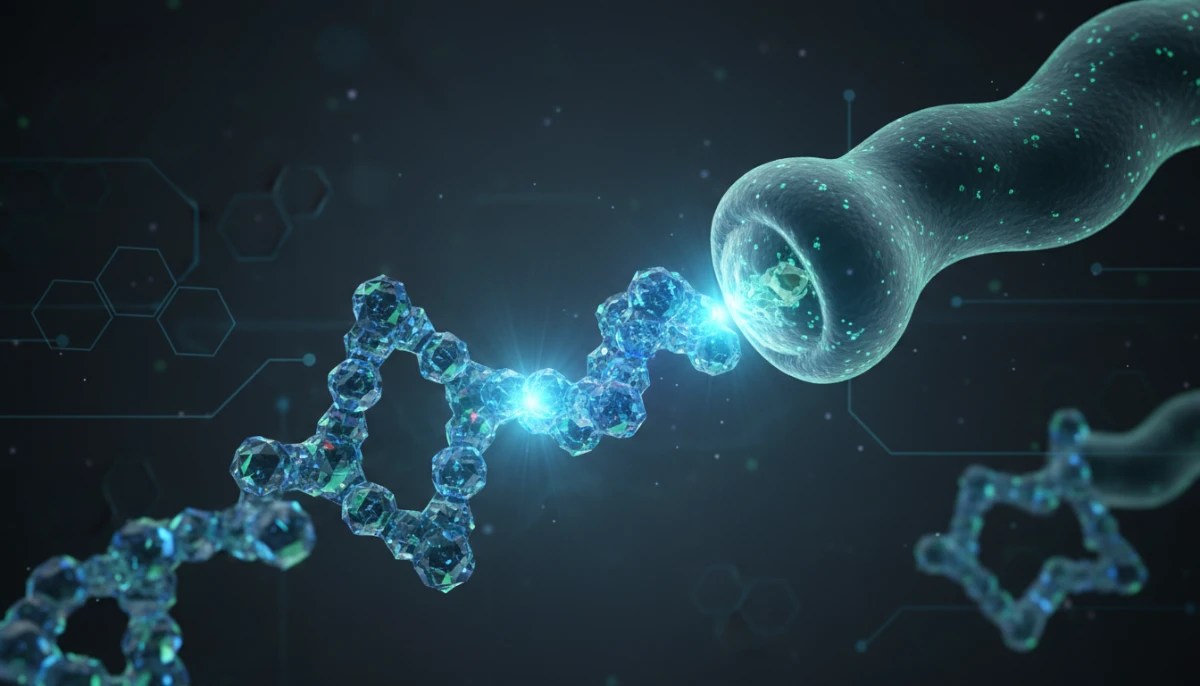
The misunderstanding usually arises from the classification of isoflavones as ‘phytoestrogens.’ While ‘phyto’ means plant, the term often leads people to believe these compounds behave identically to the hormone estrogen in the human body. In reality, phytoestrogens have a much weaker affinity for estrogen receptors and can even act as selective estrogen receptor modulators (SERMs), potentially blocking stronger estrogens from binding in certain tissues.
Understanding Phytoestrogens and Isoflavones
Soy is unique among legumes because it contains high concentrations of isoflavones, primarily genistein and daidzein. These are polyphenolic compounds that can exert both estrogenic and anti-estrogenic effects depending on the biological context. This complexity is what makes soy so interesting—and so misunderstood.
The Receptor Mechanism
Human beings have two primary types of estrogen receptors: Alpha (ERα) and Beta (ERβ). ERα is found predominantly in the uterus and mammary glands, while ERβ is more prevalent in the prostate, bone, and cardiovascular system. Soy isoflavones prefer binding to ERβ. This preference is crucial because it means soy does not typically trigger the same physiological responses as high levels of circulating estradiol (the primary human estrogen). For men, binding to ERβ in the prostate may actually have protective effects, which we will discuss later.
What Meta-Analyses Reveal About Men’s Hormones
When evaluating scientific claims, a meta-analysis—a study of studies—is the gold standard. A landmark meta-analysis published in the journal *Reproductive Toxicology* (2010) and updated in 2021 by Dr. Mark Messina and colleagues analyzed over 40 clinical trials. The researchers examined the effects of soy protein and isoflavones on testosterone, free testosterone, and estrogen levels.
Key Findings from Clinical Research:
- No Significant Change: No significant effects of soy protein or isoflavone intake were found on any measure of male reproductive hormones.
- Dose Independence: Even at levels far exceeding typical Western or even Asian dietary patterns (up to 150mg of isoflavones per day), there was no negative impact on testosterone.
- Diverse Forms: The results held true whether the subjects consumed soy milk, tofu, or isolated soy protein powders.
The rare cases where soy appeared to cause hormonal issues often involved extreme, isolated instances—such as a case report of a man consuming 12-20 servings of soy per day in the context of an otherwise nutrient-deficient diet. For the average man consuming 1-4 servings a day, the risk appears non-existent.

Soy Protein and Muscle Hypertrophy
For athletes and bodybuilders, the primary concern isn’t just testosterone, but how soy impacts muscle protein synthesis (MPS). There is a common belief that plant proteins are inferior to animal proteins like whey because of their amino acid profiles. While it is true that soy is lower in the branched-chain amino acid (BCAA) leucine compared to whey, soy is a ‘complete’ protein, containing all nine essential amino acids.
Leucine and the Anabolic Window
Research comparing soy protein to whey protein for muscle gain generally shows that both are effective. While whey might have a slight edge in stimulating MPS in the short term due to its higher leucine content and faster digestion speed, long-term studies (12 weeks or more of resistance training) show no significant difference in lean muscle mass gains between groups consuming whey and those consuming soy protein, provided total protein intake is sufficient.
Beyond Hormones: Prostate and Heart Health
While many men avoid soy for fear of negative effects, they may be missing out on significant health benefits. Soy has been linked to lower risks of some of the most common health issues facing men today.
- Prostate Health: Epidemiological studies have consistently shown that men in countries with high soy consumption have lower rates of prostate cancer. Isoflavones may inhibit the growth of prostate cancer cells and lower PSA (prostate-specific antigen) levels.
- Cardiovascular Wellness: Soy protein is known to lower LDL (the ‘bad’ cholesterol) and improve arterial flexibility. Given that heart disease remains the leading cause of death for men globally, incorporating plant-based proteins like soy can be a strategic cardiovascular move.
Common Myths Debunked
Myth: Soy causes ‘Man Boobs’ (Gynecomastia)
Fact: Clinical trials have found no evidence that soy consumption leads to the development of breast tissue in men. This condition is usually caused by hormonal imbalances unrelated to soy, such as obesity or specific medications.
Myth: Soy lowers sperm count
Fact: While one small observational study suggested a link, larger more controlled clinical trials have shown that isoflavones have no effect on sperm concentration, count, or motility.
Practical Recommendations and Serving Sizes
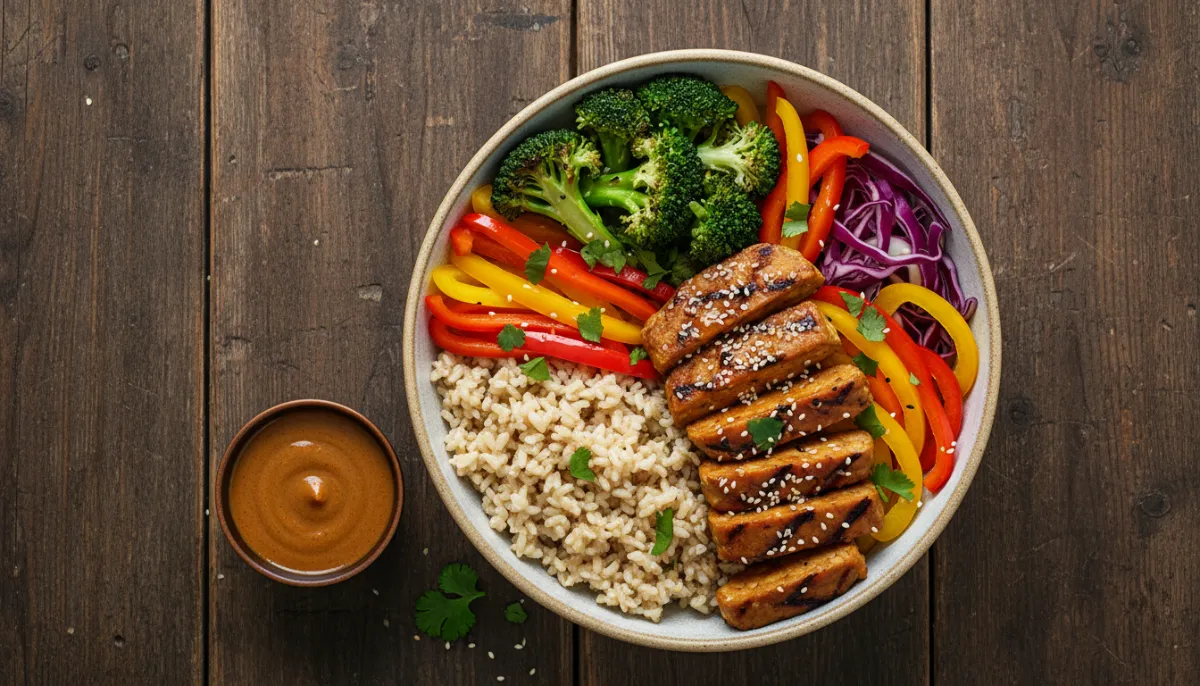
If you are considering adding soy to your diet, focus on whole or minimally processed versions. These provide the best balance of protein, fiber, and micronutrients.
| Soy Food | Protein (per 100g) | Best For |
|---|---|---|
| Tempeh | 19g | Gut health (fermented) |
| Firm Tofu | 8-10g | Stir-frys and grilling |
| Edamame | 11g | Snacking and salads |
| Soy Milk | 3g | Smoothies and coffee |
Most health organizations suggest that 2-3 servings of soy per day are perfectly safe and potentially beneficial. A serving is generally considered 1 cup of soy milk, 1/2 cup of tofu/tempeh, or 1/2 cup of edamame.
Frequently Asked Questions
Does soy milk lower testosterone?
No. Studies specifically looking at soy milk consumption show no clinically significant reduction in testosterone levels in men.
Is fermented soy better than unfermented?
Fermented soy (like tempeh or miso) contains probiotics and may have better mineral bioavailability, but both forms are safe regarding hormone levels.
Should bodybuilders avoid soy?
There is no reason to avoid it. Soy is a high-quality protein source that supports muscle recovery and growth effectively.