
Women’s Health & Hormones: The Definitive Guide to Soy Phytoestrogens and Menopause
Navigating the complexities of the menopausal transition through evidence-based nutritional strategies and the power of plant-derived isoflavones.
1. Understanding the Hormonal Shift
The transition into menopause represents one of the most significant physiological shifts in a woman’s life. This biological milestone, typically occurring between the ages of 45 and 55, is marked by a profound decrease in the production of estrogen and progesterone by the ovaries. As these hormone levels fluctuate and eventually decline, the body undergoes a series of systemic changes that affect everything from thermoregulation and metabolism to cognitive function and bone integrity. For many women, this decline results in symptoms such as vasomotor instability (hot flashes), night sweats, mood disturbances, and sleep disruptions. Understanding the mechanism of this shift is the first step in managing its impact. The endocrine system operates on a delicate feedback loop; when ovarian output slows, the pituitary gland increases its production of follicle-stimulating hormone (FSH) in an attempt to jumpstart the system, leading to the hormonal volatility characteristic of the perimenopausal period. This state of flux creates a biological demand for stability, which has led researchers and clinicians to investigate natural compounds that can mimic or modulate estrogenic activity without the risks associated with some traditional hormone replacement therapies.

The search for alternative therapies has highlighted the role of diet and lifestyle as foundational pillars in menopause management. While traditional HRT remains an option for many, a significant portion of the global population seeks botanical and nutritional interventions to mitigate symptoms. This is where the study of soy phytoestrogens menopause benefits becomes crucial, offering a bridge between conventional medicine and holistic wellness.
2. What are Phytoestrogens?
Phytoestrogens are a diverse group of naturally occurring non-steroidal plant compounds that possess a structural similarity to 17β-estradiol (E2), the primary female sex hormone. This structural homology allows phytoestrogens to bind to estrogen receptors (ERs) within the human body. There are two main types of estrogen receptors: ER-alpha (ERα) and ER-beta (ERβ). Interestingly, phytoestrogens often show a higher affinity for ERβ, which is prevalent in tissues like the bones, brain, and vasculature, rather than ERα, which is more dominant in the uterus and breast tissue. This selective binding is the reason why phytoestrogens are often referred to as natural Selective Estrogen Receptor Modulators (SERMs).
When endogenous estrogen levels are high, phytoestrogens can actually exert a mild anti-estrogenic effect by competing with estradiol for receptor sites. Conversely, during menopause when estrogen levels are low, they provide a weak estrogenic stimulus, helping to buffer the sudden loss of the body’s natural hormones. This dual-action capability makes them a fascinating subject of clinical study. They are classified into several categories, including isoflavones, lignans, coumestans, and stilbenes, with isoflavones being the most researched and potent in the context of women’s health.
3. Soy Isoflavones: Genistein and Daidzein
Soybeans are the richest dietary source of isoflavones, specifically genistein, daidzein, and to a lesser extent, glycitein. These compounds are found in the plant as glycosides (sugar-bound molecules) and must be converted by gut bacteria into their active aglycone forms to be absorbed and utilized by the body. One of the most critical aspects of soy metabolism is the production of equol. Equol is a metabolite of daidzein produced by specific strains of intestinal bacteria. Research indicates that only about 30-50% of the human population possesses the necessary gut flora to produce equol. These “equol producers” often experience significantly greater benefits from soy consumption, particularly regarding the reduction of hot flashes and the protection of bone density.
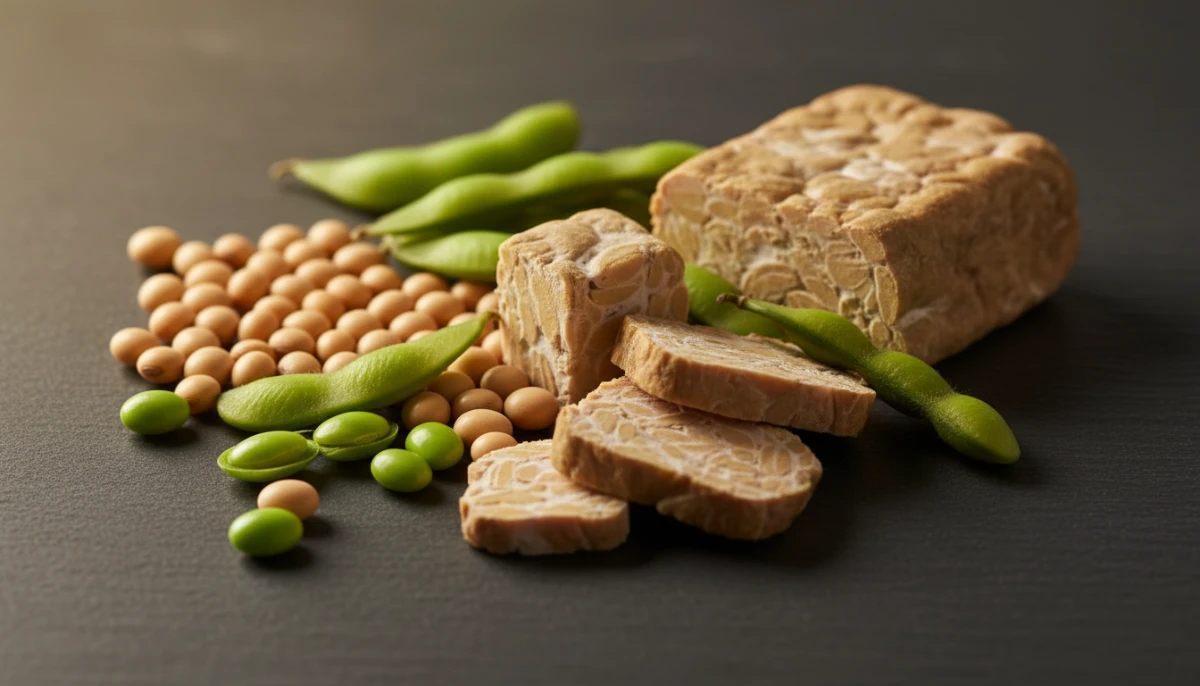
Genistein, the most abundant isoflavone in soy, has been extensively studied for its role in cellular signaling. Beyond its estrogenic activity, genistein serves as a tyrosine kinase inhibitor, which may contribute to its potential anti-carcinogenic properties. For women in menopause, the presence of these compounds in the diet provides a steady, albeit mild, estrogenic signal that helps the central nervous system adapt to the declining levels of internal estrogen production.
4. Clinical Benefits for Menopause
Reduction in Vasomotor Symptoms
Multiple meta-analyses of randomized controlled trials have demonstrated that soy isoflavone supplementation can lead to a 20% to 50% reduction in the frequency and severity of hot flashes. While the effect is less rapid than conventional HRT, it offers a sustainable long-term alternative with a high safety profile.
Improved Sleep and Mood
The stabilization of hormonal fluctuations through phytoestrogens has been linked to better sleep quality. By reducing night sweats, women report fewer sleep interruptions, which directly translates to improved daytime mood, reduced irritability, and better cognitive clarity.
The effectiveness of soy depends largely on the dose and the duration of consumption. Studies suggest that a daily intake of at least 15 to 25 grams of soy protein, containing 50 to 100 mg of isoflavones, is required to see significant clinical improvements in menopausal symptoms. Furthermore, consistency is key; the body requires several weeks of regular intake to reach a steady-state concentration of these compounds in the blood.
5. Bone Density and Cardiovascular Health
Post-menopausal women face an increased risk of osteoporosis due to the protective effect of estrogen on bone resorbing cells (osteoclasts). Soy isoflavones, particularly genistein, have been shown to stimulate osteoblastic activity (bone building) and inhibit osteoclastic activity. Long-term studies in Asian populations, where soy intake is traditionally high, show a lower incidence of hip fractures and higher bone mineral density compared to Western populations. Supplementation with soy has been shown to slow the rate of bone loss in the lumbar spine, providing a vital tool for skeletal longevity.

Cardiovascular health is another critical area where soy phytoestrogens menopause benefits shine. Estrogen plays a role in maintaining the elasticity of blood vessels and a healthy lipid profile. After menopause, LDL (bad) cholesterol often rises while HDL (good) cholesterol may fall. Soy protein has been FDA-recognized for its heart health benefits, specifically its ability to lower LDL cholesterol and improve endothelial function. By mimicking some of the vascular-protective effects of estrogen, soy helps mitigate the increased cardiovascular risk that arises during the post-menopausal years.
6. Addressing Common Myths and Safety
One of the most persistent myths regarding soy is its purported link to breast cancer. This misconception stems from the fact that estrogen can fuel certain types of breast cancer. However, as previously mentioned, phytoestrogens bind differently to receptors than human estrogen. Large-scale epidemiological studies, including the Shanghai Women’s Health Study, have consistently shown that soy consumption is either neutral or protective against breast cancer. In fact, early-life soy consumption is linked to a significantly lower risk of developing breast cancer later in life.
Another concern often raised involves thyroid function. While high doses of isolated isoflavones may interfere with thyroid hormone synthesis in individuals with pre-existing iodine deficiency, there is no evidence that moderate soy consumption negatively affects thyroid health in euthyroid individuals with adequate iodine intake. For women on thyroid medication, it is simply recommended to consume soy at a different time of day than their medication to ensure proper absorption.
7. Optimizing Your Dietary Intake
To reap the full benefits of soy, it is best to focus on whole, traditional soy foods rather than highly processed soy isolates found in many protein bars and mock meats. Fermented soy products, such as tempeh, miso, and natto, are particularly beneficial as the fermentation process breaks down anti-nutrients and increases the bioavailability of isoflavones.
- •Edamame: Young soybeans that are rich in fiber and protein.
- •Tofu: A versatile source that absorbs the flavors of the dishes it is cooked in.
- •Tempeh: A fermented soy cake with a nutty flavor and high probiotic content.
- •Soy Milk: A convenient dairy alternative; ensure it is organic and non-GMO when possible.
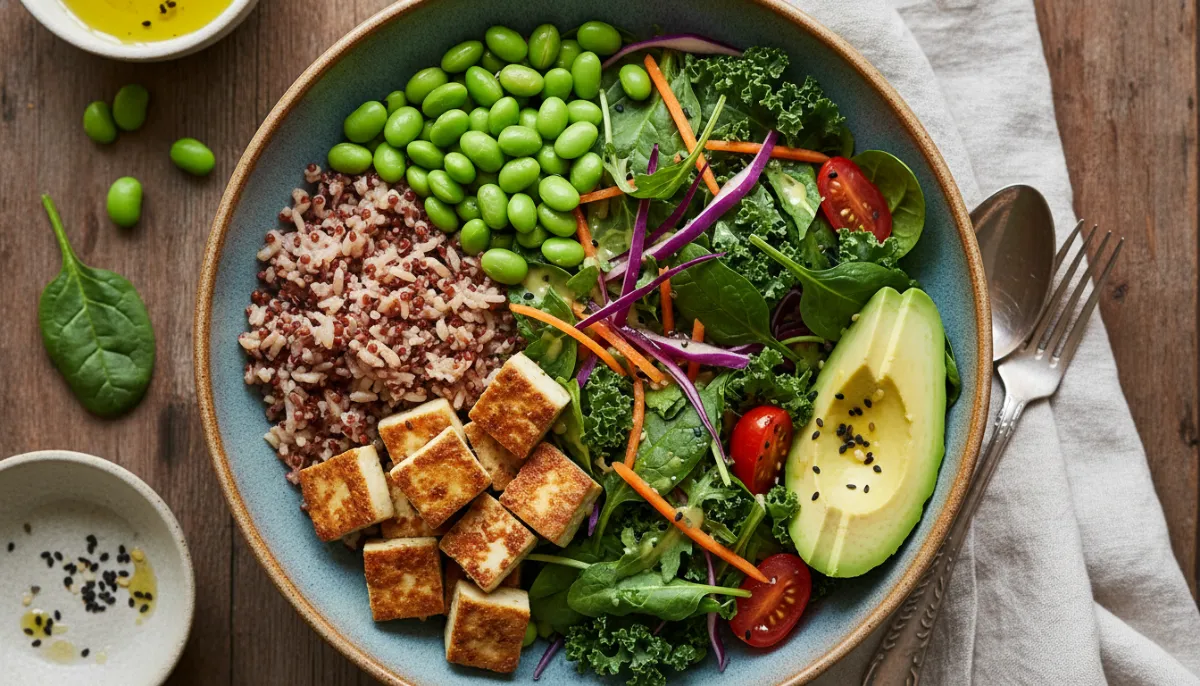
Incorporating 1-2 servings of these foods daily can provide the 50mg of isoflavones often cited as the therapeutic threshold. For those who cannot tolerate soy or choose not to consume it, other phytoestrogen sources like flaxseeds (rich in lignans), sesame seeds, and legumes like chickpeas and lentils also offer supportive benefits, though they are generally less potent than soy.
8. Frequently Asked Questions
How long does it take for soy to help with hot flashes?
Most clinical studies show that it takes between 4 to 12 weeks of consistent daily soy intake to notice a significant reduction in the frequency and severity of hot flashes.
Is soy safe for women with a history of breast cancer?
Current research from major cancer organizations suggests that moderate soy consumption (1-3 servings per day) is safe for breast cancer survivors and may even be associated with lower recurrence rates.
Can I get enough phytoestrogens from a supplement?
While supplements are available, whole food sources are preferred as they provide a complex matrix of fiber, protein, and minerals that work synergistically with isoflavones.