
Local Artisan Soy Map: The Definitive Guide to Fresh Tofu in Wellington and Auckland
An exhaustive exploration of New Zealand’s premium artisanal soy landscape, focusing on quality, sustainability, and commercial availability.
1. The Renaissance of Fresh Tofu in New Zealand
For decades, tofu was often relegated to the peripheries of health food stores, frequently found in vacuum-sealed blocks with indefinite shelf lives. However, a seismic shift has occurred within the New Zealand culinary landscape. Consumers are increasingly seeking out “fresh tofu Wellington Auckland” as they move away from mass-produced alternatives toward artisanal, locally-crafted soy products. This movement is driven by a desire for superior texture, clean labels, and the unmistakable nutty sweetness that only fresh-pressed soy milk can provide. In cities like Wellington and Auckland, a new generation of artisans is blending traditional East Asian techniques with premium New Zealand-grown non-GMO soy beans, creating a product that is as much about craft as it is about nutrition.
2. The Artisan Difference: Why Freshness Dictates Quality
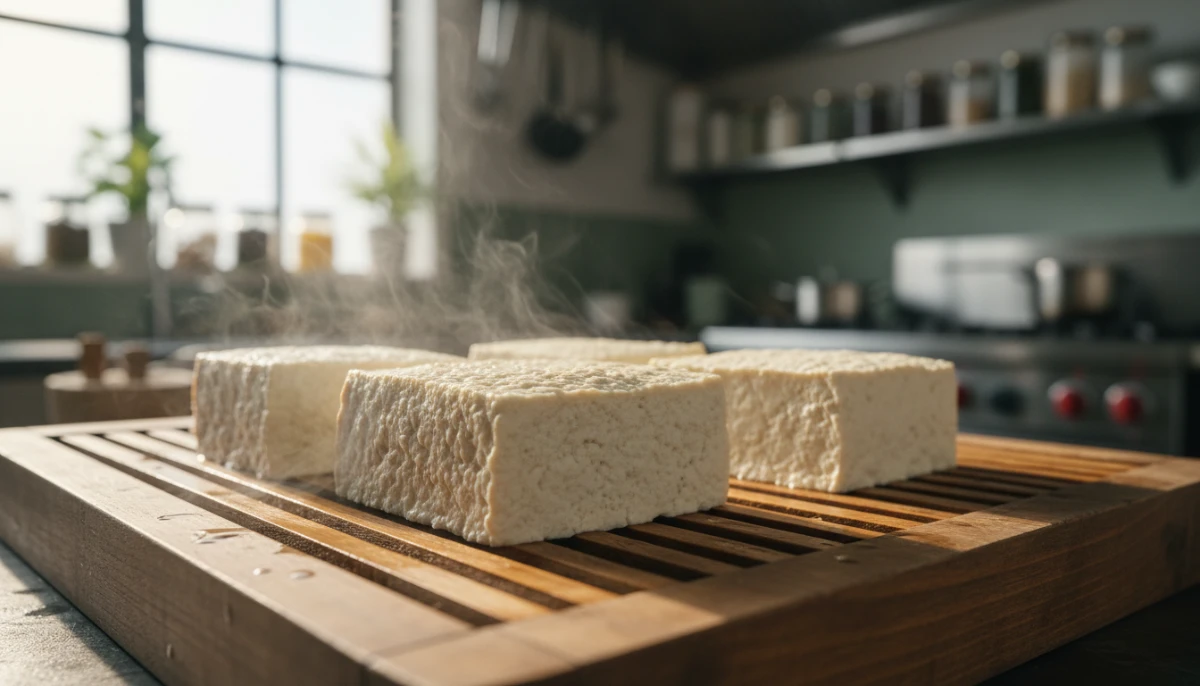
The primary differentiator between commercial, long-life tofu and artisanal fresh tofu lies in the coagulation process and the interval between production and consumption. Fresh tofu is typically made in small batches, using nigari (magnesium chloride) or calcium sulfate as a coagulant. This process, when performed by a skilled artisan, results in a curd structure that is either incredibly silky or satisfyingly firm without becoming rubbery. Achieving this perfect consistency is key to Mastering Tofu Textures. Commercial variants often rely on stabilizers and preservatives to ensure a three-month shelf life, which frequently imparts a chemical aftertaste and degrades the delicate cellular structure of the soy curd.
The Role of Local Water and Bean Quality
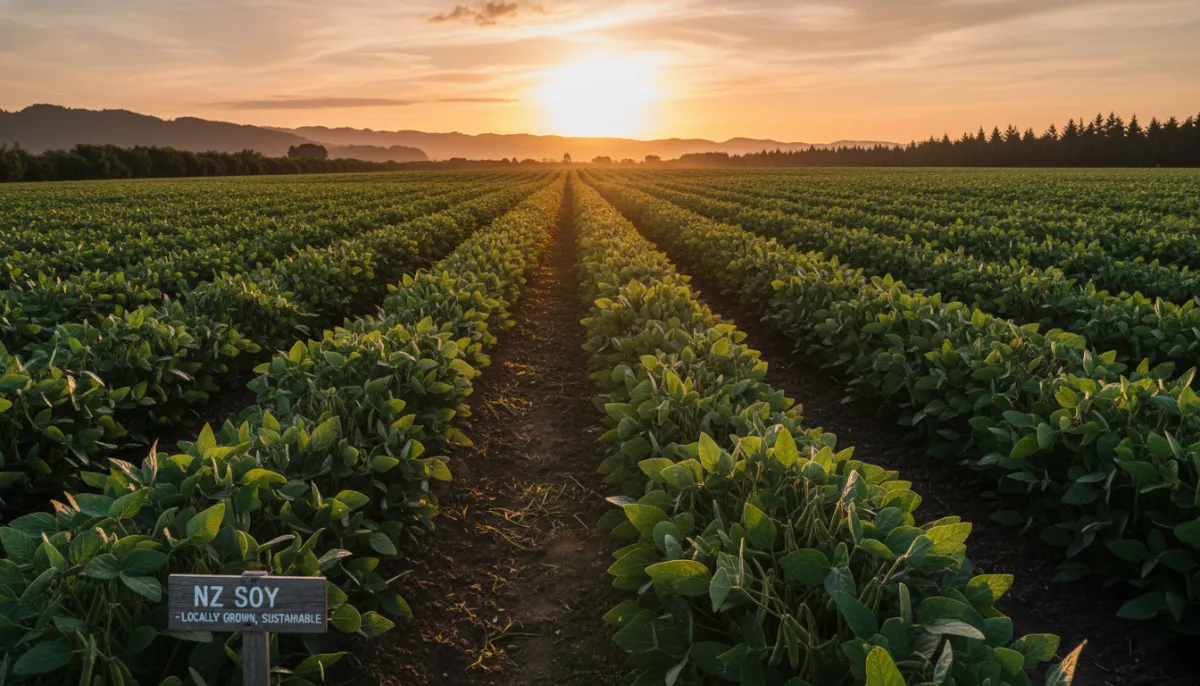
In both Wellington and Auckland, the mineral profile of the local water significantly impacts the final product. Wellington’s softer water is often cited by local makers as a key factor in producing an exceptionally smooth silken tofu. Conversely, Auckland’s supply allows for a robust curd formation ideal for firm and extra-firm varieties. The beans themselves—often sourced from the Canterbury plains or high-quality imported non-GMO crops—provide the essential protein density required for that signature artisan mouthfeel.
3. Wellington’s Craft Soy Pioneers
The capital city’s food scene is defined by its intimacy and commitment to quality. When searching for fresh tofu in Wellington, one cannot overlook the small-scale producers operating out of urban micro-factories. These artisans often supply the city’s top-tier restaurants before their products even hit the retail shelves. The Wellington style tends to favor the ‘moment-to-table’ philosophy, where the tofu is pressed in the early hours of the morning and delivered to local markets by 8:00 AM. This proximity ensures that the natural enzymes remain active, providing a flavor profile that is vastly superior to imported counterparts.
Key Characteristics of Wellington Tofu:
- High moisture content for superior silkiness.
- Focus on small-batch, manual pressing.
- Direct-to-consumer sales via local farmers’ markets (Harbourside, Victoria Street).
4. Auckland’s Diverse Soy Ecosystem
Auckland represents a more diverse and expansive soy market. Due to its larger population and significant East Asian influence, the city hosts several established soy houses that have been operating for decades alongside newer, modern ’boutique’ soy brands. From the industrial hubs of Penrose to the bustling markets of Northcote, Auckland’s tofu map is extensive. Here, you can find specialty variants such as five-spice pressed tofu, fermented bean curd (furu), and incredibly fresh ‘yuba’ or bean curd skin, which is a delicacy sought after by high-end chefs across the country.
Innovation in the North
Auckland’s makers are leading the way in innovation, introducing smoked tofu varieties and organic sprouted soy options. This innovation is a response to the city’s sophisticated commercial market, where fresh tofu is not just a meat substitute but a culinary center-piece. For those seeking fresh tofu in Auckland, the diversity of choice is unmatched, ranging from hyper-local community makers to sophisticated operations that maintain traditional standards at a larger scale.
5. Commercial Selection: A Buyer’s Checklist
For restaurant owners, wholesale buyers, or discerning home cooks, selecting fresh tofu requires a keen eye for detail. When evaluating soy products for commercial use, consider the following parameters:
6. Culinary Applications in Modern Kiwi Cuisine
The versatility of fresh tofu makes it a darling of the modern New Zealand kitchen. We are seeing a departure from the standard ‘stir-fry’ application toward more adventurous uses. In Auckland, some bistros are experimenting with ‘Tofu Ricotta’ made from silken tofu and nutritional yeast, while Wellington chefs are using fresh bean curd skins as a gluten-free alternative to pasta. The high protein content and ability to absorb flavors make fresh tofu an ideal canvas for New Zealand’s bold seasonal ingredients, such as horopito-spiced oils or manuka-honey glazes. For more detailed insights, consider Mastering Soy Cooking & Prep. Beyond just tofu, the broader plant-based culinary world also offers innovations such as Baking with Aquafaba. For other modern cooking methods, exploring an Ultimate Air Fryer Tofu Guide can open up new culinary possibilities.
Pro-Tip: Searing the Perfect Tofu Steak
To achieve a restaurant-quality crust on your fresh tofu, ensure it is properly pressed to remove excess surface moisture. A light dusting of cornstarch mixed with sea salt before searing in a hot cast-iron skillet with a high-smoke-point oil (like rice bran oil) will yield a golden, crispy exterior while preserving the creamy interior that only fresh tofu can provide.
7. Ethics and Sustainability in Local Production
Choosing local artisan soy is not just a culinary preference; it is an environmental statement. By sourcing fresh tofu in Wellington and Auckland, consumers significantly reduce ‘food miles’ compared to imported shelf-stable options. Furthermore, many New Zealand soy artisans are committed to a circular economy. The ‘okara’ (the soy pulp left over after pressing milk) is frequently redirected to local bakeries or used as high-nutrient animal feed for organic farms. This zero-waste approach is a hallmark of the artisanal soy movement in New Zealand, aligning perfectly with the country’s broader sustainability goals.
8. Frequently Asked Questions
A: You can find fresh tofu at the Harbourside Market on Sundays, as well as specialty Asian grocers in the CBD and Lower Hutt which receive daily deliveries from local makers.
A: For optimal flavor and texture, it should be consumed within 3-5 days. Always keep it submerged in clean, cold water and change the water daily to extend its freshness.
A: Artisanal tofu typically contains fewer additives and preservatives. Because it is often made using traditional coagulation methods, it may retain more of the natural isoflavones and proteins found in whole soybeans. For informed decisions on nutritional claims, it’s beneficial to have a good grasp of Understanding Study Bias. To further understand nutritional values and how proteins are assessed, delving into Protein Quality & PDCAAS can be very informative.
A: Yes, freezing fresh tofu changes its structure to a more sponge-like, chewy texture. This is excellent for braised dishes where you want the tofu to absorb as much sauce as possible.