
Baking with Aquafaba: The Ultimate Technical Guide
Mastering the science and art of the vegan meringue aquafaba recipe for professional-grade results.
Table of Contents
The Evolution of Plant-Based Leavening
For decades, the quest for a perfect egg-white substitute in vegan baking remained the Holy Grail of culinary science. While flaxseeds and chia seeds provided binding properties, they lacked the structural integrity required for delicate foams like meringues or macarons. It wasn’t until 2014 that Joël Roessel, a French tenor and food enthusiast, discovered that the liquid from canned chickpeas (legume brine) could be whipped into a stable foam. This discovery was later refined by Goose Wohlt, an American software engineer, who coined the term ‘aquafaba’—a Latin-derived name combining ‘aqua’ (water) and ‘faba’ (bean).
Today, aquafaba is recognized as a revolutionary ingredient that has democratized vegan pastry. It provides the necessary proteins and starches to create aerated structures that were previously impossible without albumin. In this guide, we dive deep into the technical nuances of the vegan meringue aquafaba recipe, ensuring you achieve the stiff peaks and glossy finish of a master patissier.
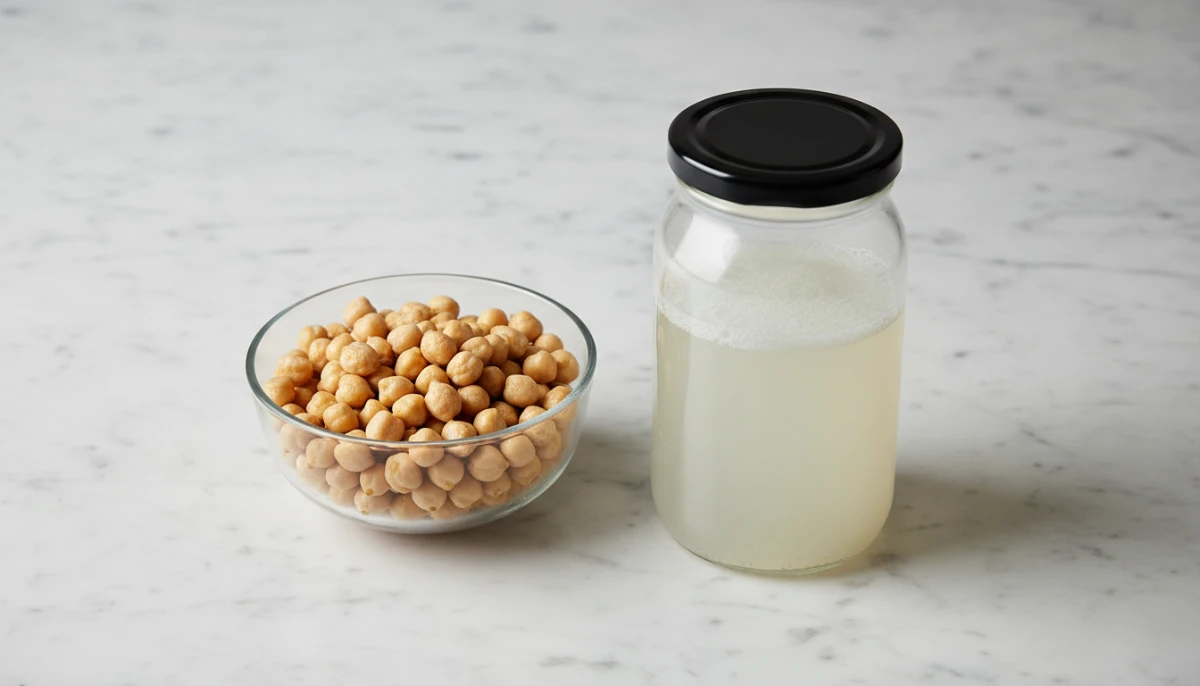
The Molecular Science: How It Works
Aquafaba is a complex mixture of proteins, carbohydrates, and vegetable solids that have migrated from the seeds into the cooking water during the canning or boiling process. The key to its foaming ability lies in three primary components:
- Saponins: These are natural surfactants that lower surface tension, allowing air to be incorporated into the liquid more easily.
- Soluble Proteins: Similar to egg albumin, these proteins denature when beaten, forming a structural network that traps air bubbles.
- Starches: Legume starches provide viscosity, which helps stabilize the bubble walls and prevents the foam from collapsing prematurely.
Note: While many legumes produce aquafaba, chickpeas (garbanzo beans) are preferred for their neutral flavor and high protein-to-liquid ratio.
Preparation: Sourcing and Reduction
Canned vs. Homemade
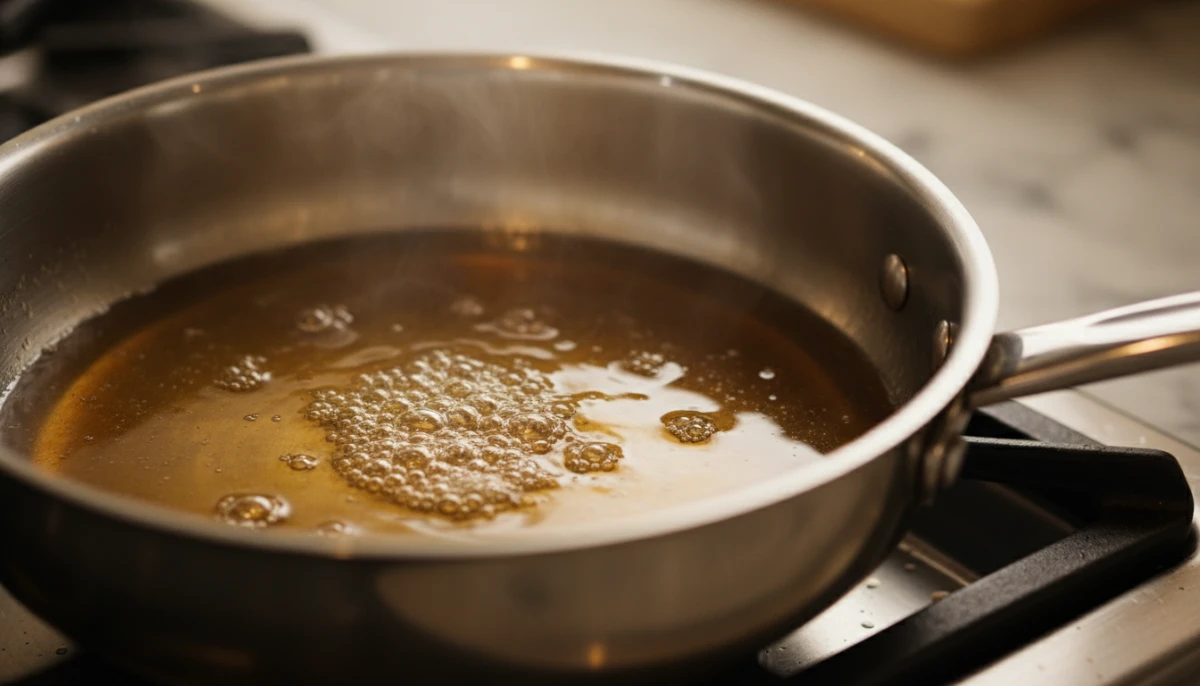
For most bakers, canned chickpea liquid is the gold standard because the industrial canning process applies high pressure and heat, which consistently extracts a concentrated amount of protein. However, if using homemade liquid, it must be reduced by half on the stovetop until it reaches the consistency of egg whites.
The Reduction Process
If your aquafaba is watery, simmer it in a wide saucepan. A wide surface area allows for faster evaporation. Once the liquid has reached a slightly viscous, yellowish hue, let it cool completely. Using warm aquafaba is a recipe for failure; cold liquid holds air better and allows for a more stable protein bond during the whipping phase.
The Master Vegan Meringue Aquafaba Recipe
Ingredients
- 150ml Aquafaba (chilled)
- 1/2 tsp Cream of Tartar (essential stabilizer)
- 200g Superfine Sugar (caster sugar)
- 1 tsp Pure Vanilla Extract
- 1/4 tsp Sea Salt (fine)
Instructions
- Clean all equipment with lemon juice to remove residual grease.
- Whisk aquafaba and cream of tartar on medium-high until soft peaks form.
- Add sugar one tablespoon at a time while continuing to whisk.
- Increase speed to high until glossy, stiff peaks are achieved (approx. 10-15 mins).
- Pipe onto parchment and bake at 100°C (212°F) for 90 minutes.
Technical Mastery: The Whipping Stages
Whipping aquafaba is a test of patience. Unlike egg whites, which can be over-whipped into a grainy mess relatively quickly, aquafaba is more forgiving but takes significantly longer to reach peak volume. You must monitor the transitions carefully:
-
The Frothy Stage (0-3 Minutes)
The liquid becomes pale and foamy with large bubbles. This is when the cream of tartar should be added to provide an acidic environment that helps the proteins cross-link.
-
The Soft Peak Stage (4-8 Minutes)
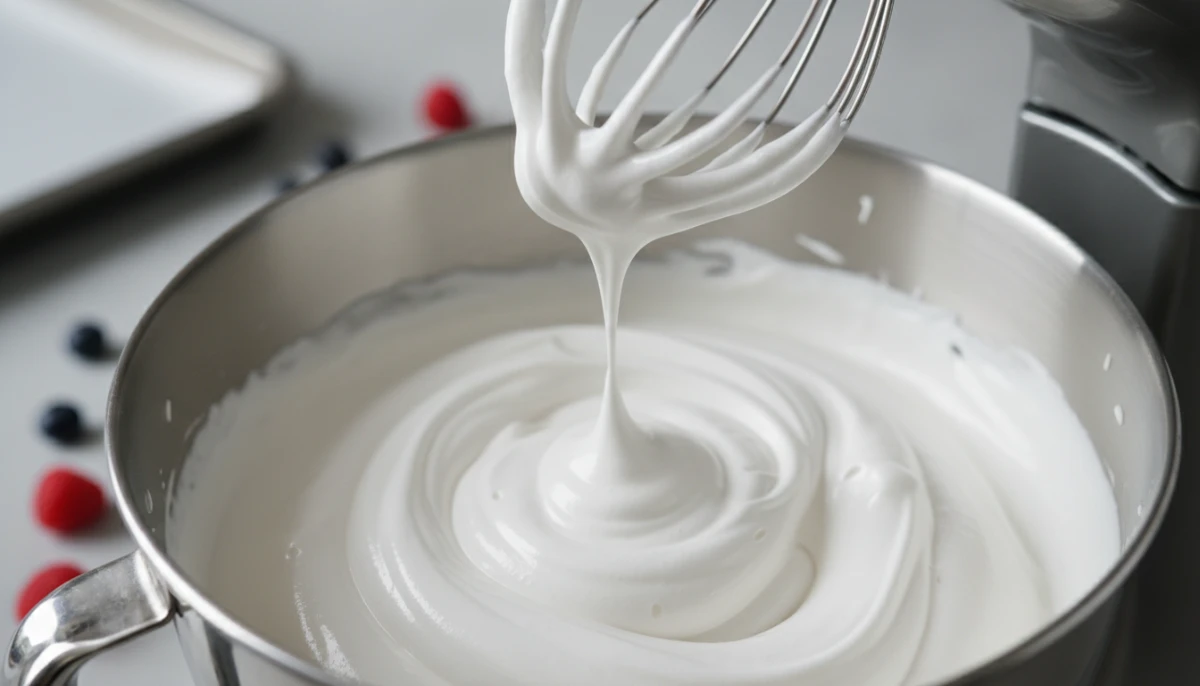
The foam turns white and opaque. When the whisk is lifted, the peak curls over. This is the stage to begin introducing sugar gradually. Adding sugar too early can weigh down the proteins and prevent expansion.
-
The Stiff Peak Stage (10-15 Minutes)
The mixture is thick, glossy, and holds its shape vertically. If you can turn the bowl upside down without the meringue moving, you have achieved the perfect foundation for your vegan meringue aquafaba recipe.
Troubleshooting: Why Meringues Fail
Issue: Meringue is Weeping
This usually occurs due to high humidity or sugar not being fully dissolved. Ensure you use superfine sugar and bake on a dry day. If the meringue leaks liquid after baking, it was likely under-baked or cooled too rapidly.
Issue: Foam Won’t Form
The most common culprit is residual grease. Even a tiny amount of oil in the bowl or on the whisk will inhibit the saponins from creating bubbles. Always wipe your tools with vinegar or lemon juice before starting.
Advanced Culinary Applications
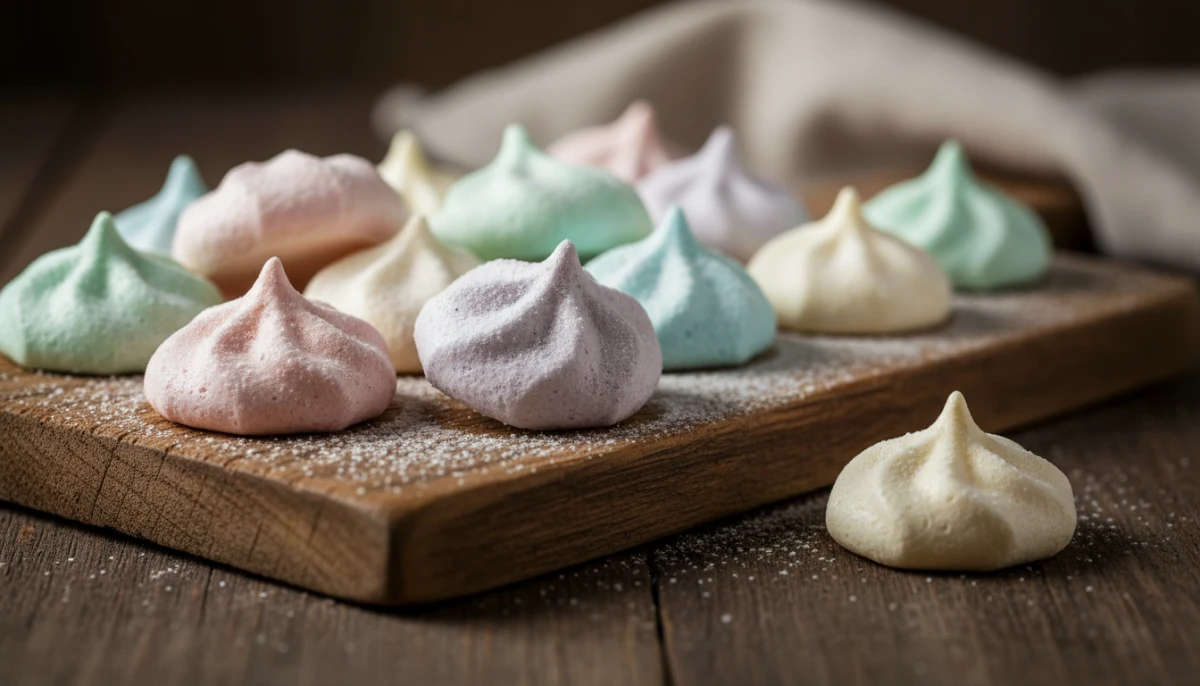
While the vegan meringue aquafaba recipe is the most popular use, this miracle liquid serves many other purposes in the professional kitchen:
Frequently Asked Questions
Does it taste like beans?
Once whipped with sugar and vanilla, the bean flavor completely vanishes. The final product is indistinguishable from traditional egg-white meringues.
Can I use other beans besides chickpeas?
White beans (cannellini) also work well and have an even milder flavor. Black bean liquid works but will result in a gray, unappealing meringue.
How long does aquafaba last?
It can be stored in the refrigerator for up to 5 days or frozen in ice cube trays for up to 3 months. One cube typically equals one egg white (approx. 2 tablespoons).