
Soy Curls & TVP: The Ultimate Professional Guide to Plant-Based Proteins
Explore the nuances of Textured Vegetable Protein and whole-bean soy curls, and master the art of how to cook soy curls for professional-grade results.
1. Introduction to Soy-Based Proteins
In the evolving landscape of plant-based nutrition, two ingredients have risen to the top of the culinary hierarchy for their versatility and texture: Soy Curls and Textured Vegetable Protein (TVP). While both are derived from soybeans, they offer distinct culinary applications, nutritional profiles, and preparation methods. This guide provides a deep dive into these pantry staples, focusing specifically on how to cook soy curls to achieve a meat-like consistency that satisfies even the most discerning palates.
2. What are Soy Curls?
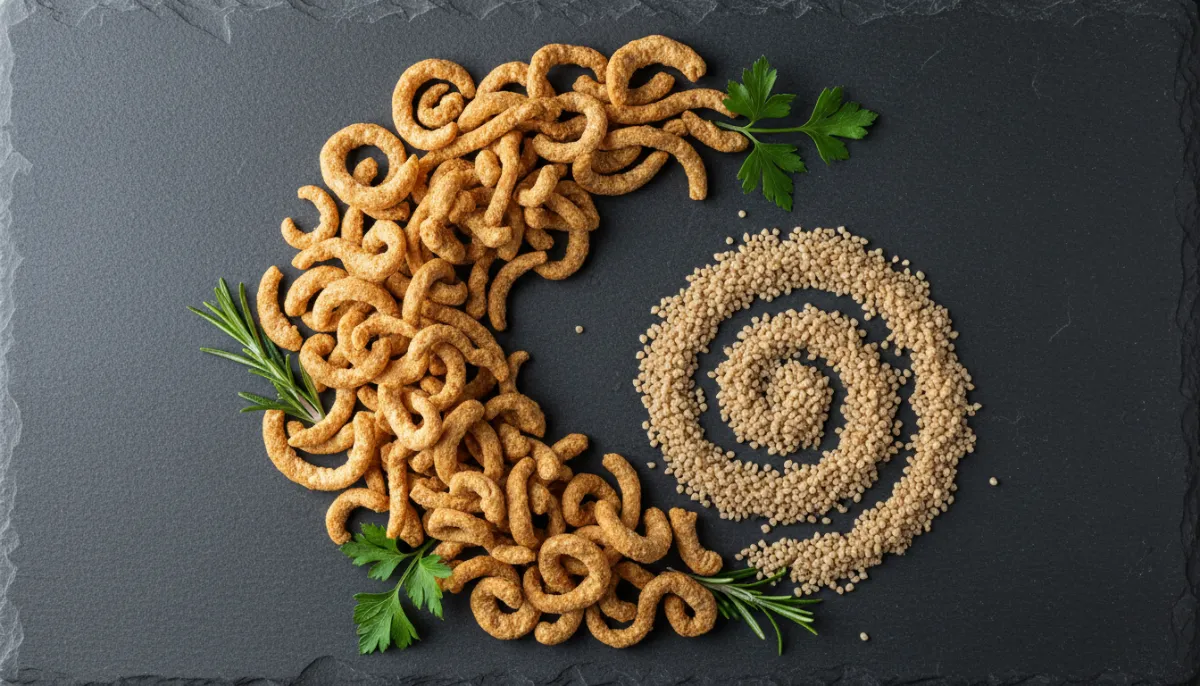
Soy curls are a minimally processed, whole-food product made from single-ingredient non-GMO soybeans. The process involves cooking the whole bean and then drying it at low temperatures into irregular, curly shapes. Because the whole bean is used, soy curls retain all the natural fiber and healthy fats found in soy, unlike many other meat alternatives that rely on isolated proteins.
The Butler Foods Origin
The most famous manufacturer of soy curls is Butler Foods. Their proprietary process ensures that no chemicals or additives are used, making soy curls a favorite among whole-food plant-based (WFPB) enthusiasts. The texture, once rehydrated, is remarkably similar to chicken strips or pork carnitas.
3. Understanding TVP (Textured Vegetable Protein)
Textured Vegetable Protein, or TVP, is a high-protein meat substitute made from defatted soy flour. It is a byproduct of soybean oil production. The flour is cooked under pressure and then extruded into various shapes—most commonly small granules that resemble ground meat, though it can also be found in chunks or slices.
Versatility in Form
Because TVP is defatted, it has an incredibly long shelf life and is highly absorbent. It is a culinary chameleon, capable of taking on the flavor of whatever liquid it is rehydrated in, making it ideal for chilis, tacos, and bolognese sauces.
4. How to Cook Soy Curls: The Essential Method
Mastering how to cook soy curls requires understanding the three-step process: Rehydrate, Season, and Sear.
Step 1: Rehydration (The Critical Foundation)
Place your dry soy curls in a large bowl and cover them with warm water or broth. Let them soak for about 10 minutes until they are soft and pliable. For maximum flavor, use a vegan chicken-style broth or a mixture of soy sauce and liquid smoke.
Step 2: Squeezing and Drying
This is the step most beginners skip. Once hydrated, you must squeeze the excess liquid out of the curls. If they are too wet, they will steam rather than brown. Place them in a clean kitchen towel and wring them out thoroughly.
Step 3: Seasoning and Searing
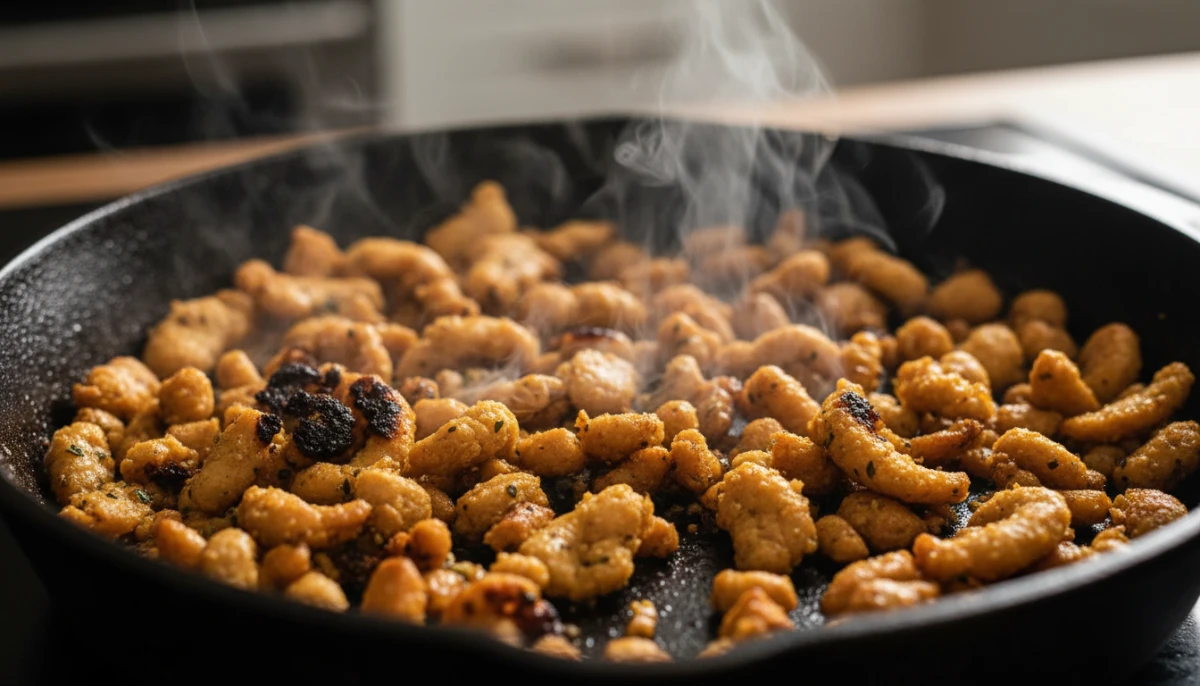
Toss the damp curls with your choice of spices (paprika, garlic powder, onion powder, and poultry seasoning are excellent choices). Heat a heavy-bottomed skillet over medium-high heat with a small amount of high-heat oil. Cook the curls until they are golden brown and crispy on the edges. This Maillard reaction is key to a meaty texture.
5. Advanced Flavoring and Marinating
To elevate your soy curls from basic to gourmet, consider these professional marinating techniques:
- The Umami Blast: Rehydrate in water mixed with miso paste, nutritional yeast, and balsamic vinegar.
- The Smoky BBQ: After searing, toss the curls in a high-quality barbecue sauce and bake at 400°F (200°C) for an additional 10 minutes to caramelize the sugars.
- The Asian Stir-Fry: Use ginger-infused broth for rehydration, then sear with sesame oil and finish with a glaze of tamari and agave.
6. Mastering TVP in Modern Cuisine
TVP is often misunderstood as a bland filler, but when prepared correctly, it is a powerhouse ingredient. Unlike soy curls, TVP does not always require a separate rehydration step if you are cooking it in a liquid-heavy dish like a stew or sauce.
The Direct-Absorption Method
Add dry TVP directly to your simmering tomato sauce or chili. The granules will absorb the flavorful liquid, resulting in a perfectly seasoned protein. Use a 1:1 ratio of TVP to liquid for the best texture.
The Skillet-Crisping Method
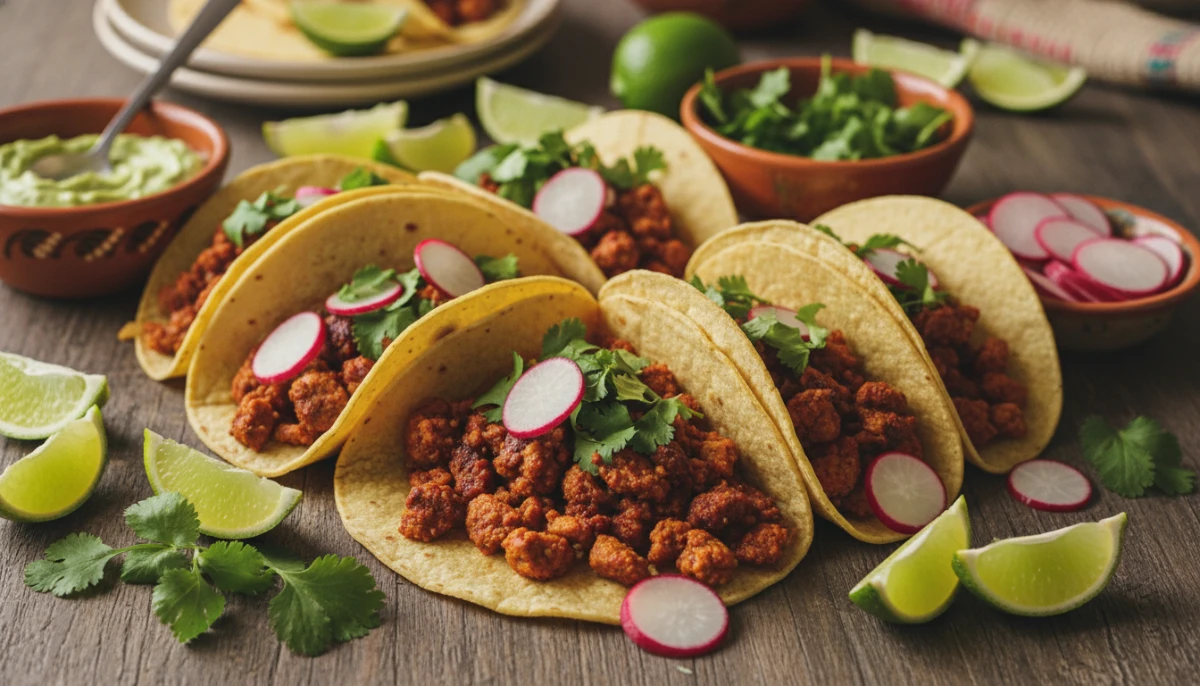
For TVP tacos or ‘bacon’ bits, rehydrate the TVP first with minimal liquid (just enough to moisten), then fry in a pan with smoked paprika and maple syrup until it becomes chewy and slightly crunchy.
7. Nutritional Comparison
| Nutrient (per 1/2 cup dry) | Soy Curls | TVP |
|---|---|---|
| Calories | 100 | 80 |
| Protein | 10g | 12g |
| Fiber | 6g | 4g |
| Fat | 5g | 0g |
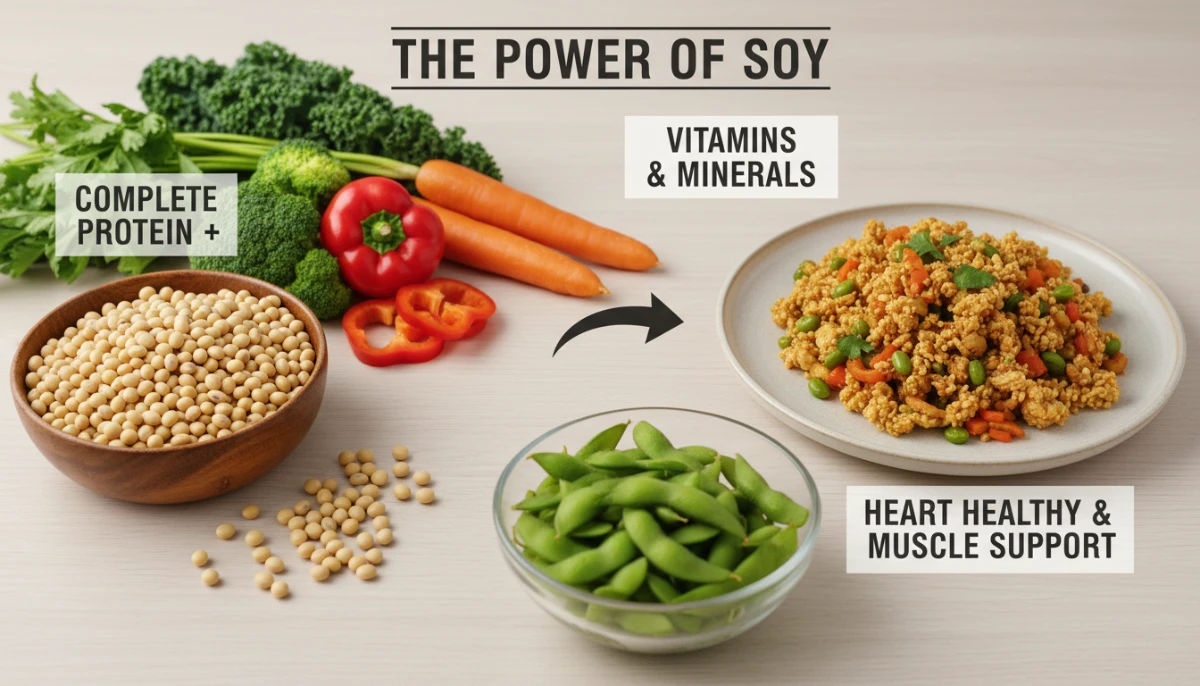
Soy curls are the winner for those seeking a whole-food approach, as they contain the natural soy fats and higher fiber content. TVP is superior for those seeking the highest protein-to-calorie ratio and zero fat content.
9. Frequently Asked Questions
How long do cooked soy curls last in the fridge?
Once cooked, soy curls can be stored in an airtight container for up to 5 days. They also freeze exceptionally well for up to 3 months.
Are soy curls gluten-free?
Yes, soy curls are naturally gluten-free as they are made only from soybeans. However, always check the labels of any seasonings or broths you use during the cooking process.
Can I cook soy curls in an air fryer?
Absolutely! After rehydrating and seasoning, air fry at 375°F (190°C) for 8-12 minutes, shaking the basket halfway through. This produces a very crispy, chicken-like texture.
Do I need to wash TVP before using it?
No, TVP does not need to be washed. It is a dry, shelf-stable product that is ready to be rehydrated or added directly to recipes.