
Cooking with Miso
An exhaustive exploration of Japan’s most versatile fermented treasure, from ancient history to the ultimate miso glaze recipe for vegetables.
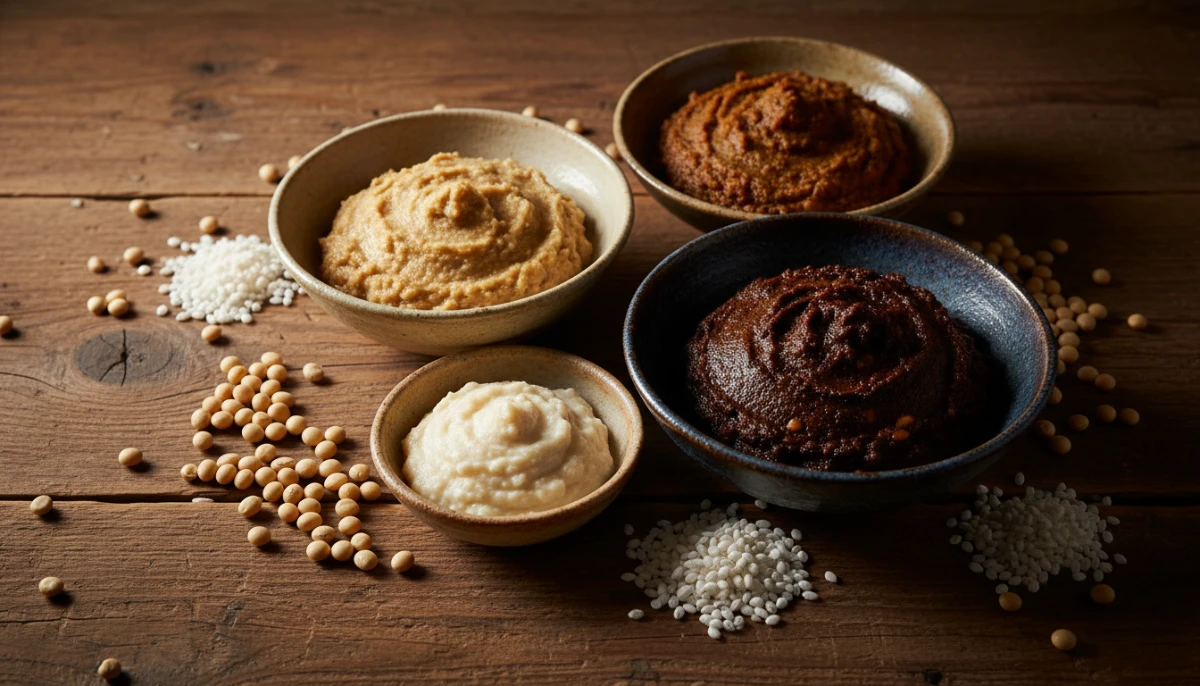
The Origins and Evolution of Miso
To truly understand the depth of flavor miso provides, one must look back over a millennium. Miso’s history begins not in Japan, but likely in China, where fermented soy pastes known as ‘jiang’ were used as early as the 4th century BC. When Buddhist monks introduced these techniques to Japan during the Nara period (710–794 AD), the Japanese refined the process into the miso we recognize today. Initially, miso was a luxury reserved for the nobility, often used as a spread on food or as a status symbol. It wasn’t until the Muromachi period that samurai began making their own miso, realizing its high nutritional value for battle sustenance. By the Edo period, miso shops became a staple of urban life, and regional varieties began to flourish based on local climates and available grains.
The craftsmanship involved in traditional miso making is akin to fine winemaking. It requires the inoculation of grains—usually rice, barley, or soybeans—with the mold Aspergillus oryzae, known as koji. This koji acts as the catalyst for fermentation, breaking down complex proteins and starches into simple sugars and amino acids, specifically glutamic acid, which creates that unmistakable savory ‘umami’ sensation. The aging process can last from a few weeks to several years, with each month adding complexity, darkness, and a more robust saltiness to the final product.
Understanding Miso Varieties: Shiro, Aka, and Beyond
Shiro Miso (White)
Short-fermented (weeks to months) with a high rice-to-soybean ratio. It is mild, sweet, and perfect for dressings and light soups.
Aka Miso (Red)
Long-fermented (up to 3 years) with a high concentration of soybeans. Salty and deep, it stands up to heavy meats and rich stews.
Awase Miso (Mixed)
A versatile blend of red and white miso. It offers a balanced flavor profile suitable for almost any culinary application.
Lesser-known varieties like Mugi Miso (made with barley) or Hatcho Miso (pure soybean miso aged for years in cedar kegs) offer even more granular control over the flavor profile of your dishes.

The Ultimate Miso Glaze Recipe for Vegetables
This miso glaze recipe for vegetables is a masterclass in balance. It combines the saltiness of miso with the acidity of rice vinegar and the sweetness of mirin to create a lacquer-like finish that transforms humble produce into a gourmet centerpiece.
Ingredients
- 3 tablespoons Shiro (White) Miso
- 2 tablespoons Mirin (Japanese sweet rice wine)
- 1 tablespoon Sake (optional, for depth)
- 1 tablespoon Honey or Brown Sugar
- 1 teaspoon Rice Vinegar
- 1 teaspoon Toasted Sesame Oil
- 1/2 teaspoon Grated Fresh Ginger
Method of Preparation
- Whisk: In a small bowl, whisk together the miso, mirin, and sake until the mixture is smooth and no clumps of miso remain.
- Balance: Add the honey, rice vinegar, and sesame oil. Whisk vigorously. The vinegar is crucial as it cuts through the heaviness of the fermented paste.
- Infuse: Stir in the grated ginger. Let the glaze sit for 10 minutes to allow the flavors to meld.
- Apply: Roast your vegetables (such as carrots, eggplant, or broccoli) at 400°F until they are 80% cooked. Brush the glaze generously over the vegetables and return to the oven for 5-7 minutes until the glaze bubbles and begins to caramelize.
- Finish: Look for small charred spots; this indicates the Maillard reaction is complete, providing a smoky contrast to the sweet glaze.
The Science of Umami: Why Miso Enhances Everything
Umami, the fifth taste, is the secret weapon of the culinary world. Miso is essentially a concentrated umami bomb. During the long fermentation process, the enzymes produced by the koji mold break down the soy protein into amino acids, primarily glutamate. When we eat foods rich in glutamates, they bind to specific receptors on our tongue, signaling to the brain that we are consuming something nutrient-dense and satisfying.
But miso does more than just add savory notes. It also contains sugars and organic acids that enhance other flavors. For example, adding a small amount of miso to a chocolate ganache or a batch of cookies doesn’t make them taste like soup; rather, it amplifies the richness of the cocoa and provides a subtle saltiness that balances the sugar. In savory cooking, miso acts as a bridge between ingredients, smoothing out the harshness of spices and adding a ‘long’ finish to the palate that lingers far longer than salt alone.
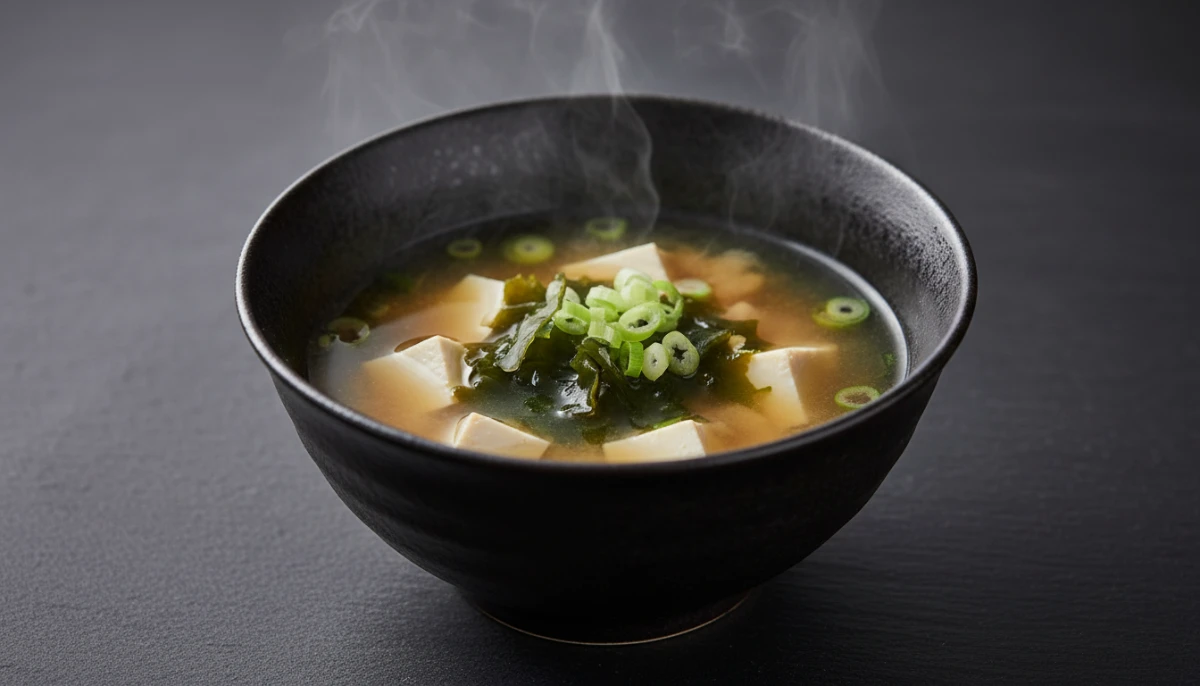
Beyond the Glaze: Advanced Culinary Techniques
While the miso glaze recipe for vegetables is a staple, the professional chef’s repertoire with miso extends much further. Here are four ways to elevate your cooking using this fermented paste:
1. Miso-Cured Egg Yolks
By burying egg yolks in a bed of miso for 24 to 48 hours, the miso draws out moisture and ‘cures’ the yolk. The result is a firm, grateable disk that tastes like a cross between parmesan cheese and cured meat, perfect for shaving over pasta or avocado toast.
2. Compound Miso Butters
Mixing softened grass-fed butter with red miso and lemon zest creates a versatile compound butter. This can be melted over seared steaks, folded into mashed potatoes, or used to sauté mushrooms for an instant flavor upgrade.
3. Fermentation Starters
Because miso is a living food, it can be used to jumpstart other fermentations. A small spoonful of unpasteurized miso added to a pickling brine can introduce beneficial bacteria and depth to quick-pickled cucumbers or radishes.
4. Miso in Pastry
The high salt and sugar content of white miso makes it a perfect addition to caramel sauces. Miso caramel provides a sophisticated, salty-sweet profile that elevates panna cotta, apple tarts, or simple vanilla bean ice cream.
The Health Benefits: A Probiotic Powerhouse
Miso is not just a flavor enhancer; it is a functional food. As a fermented product, it is rich in probiotics—beneficial bacteria that support gut health and the microbiome. Research suggests that a healthy gut flora is linked to improved immunity, better digestion, and even enhanced mental clarity. However, to reap these benefits, it is vital to remember that high heat kills these sensitive bacteria. For soups, always whisk the miso in at the very end, after the liquid has been removed from the heat source.
Additionally, miso is a complete protein, containing all essential amino acids, and is high in manganese, zinc, and vitamin K. Despite its salt content, studies have shown that the sodium in miso may not affect the cardiovascular system in the same way as table salt, possibly due to the presence of other soy-based compounds that mitigate blood pressure spikes.

Frequently Asked Questions
Miso is a preservative itself. While it doesn’t ‘spoil’ in the traditional sense due to its high salt content, its flavor can oxidize and darken over time. It is best used within a year of opening and should always be stored in the refrigerator.
You can, but you must adjust the quantity. Red miso is much stronger and saltier. If a recipe calls for red and you only have white, use a bit more. If the recipe calls for white and you have red, use about half the amount and add a touch of sweetener.
Not always. Many miso varieties use barley or rye as the koji substrate. Always check the label for ‘Certified Gluten-Free’ or look for miso made exclusively with rice or soybeans.