
Cheap plant based meals NZ are best achieved by prioritizing versatile soy proteins like tofu, tempeh, and textured vegetable protein (TVP) over processed mock meats. By combining these affordable protein staples with seasonal New Zealand produce—such as kumara, pumpkin, and carrots—and shopping at local Asian grocers or utilizing bulk bins, Kiwi households can drastically reduce grocery bills while maintaining high nutritional value.
The Economic Case for Soy in New Zealand
In the current economic climate, New Zealand households are facing unprecedented pressure on their grocery budgets. With the price of dairy cheese, beef mince, and fresh poultry fluctuating significantly, many Kiwis are turning to plant-based alternatives not just for ethical or health reasons, but purely for economic survival. However, a common misconception persists that a vegan or vegetarian diet is inherently expensive. This is only true if one relies heavily on imported, processed meat alternatives found in the freezer aisle.
The reality is that traditional soy products remain some of the most cost-effective sources of complete protein available in Aotearoa. When analyzed on a cost-per-gram-of-protein basis, dried soy beans, TVP, and firm tofu consistently outperform meat products. For families looking to stretch their dollar further, mastering the art of cooking with soy is an essential skill. It allows for the creation of hearty, satisfying meals that align with the search for cheap plant based meals NZ without sacrificing flavor or satiety.
Leveraging Tofu and Tempeh for Cost-Effective Meals
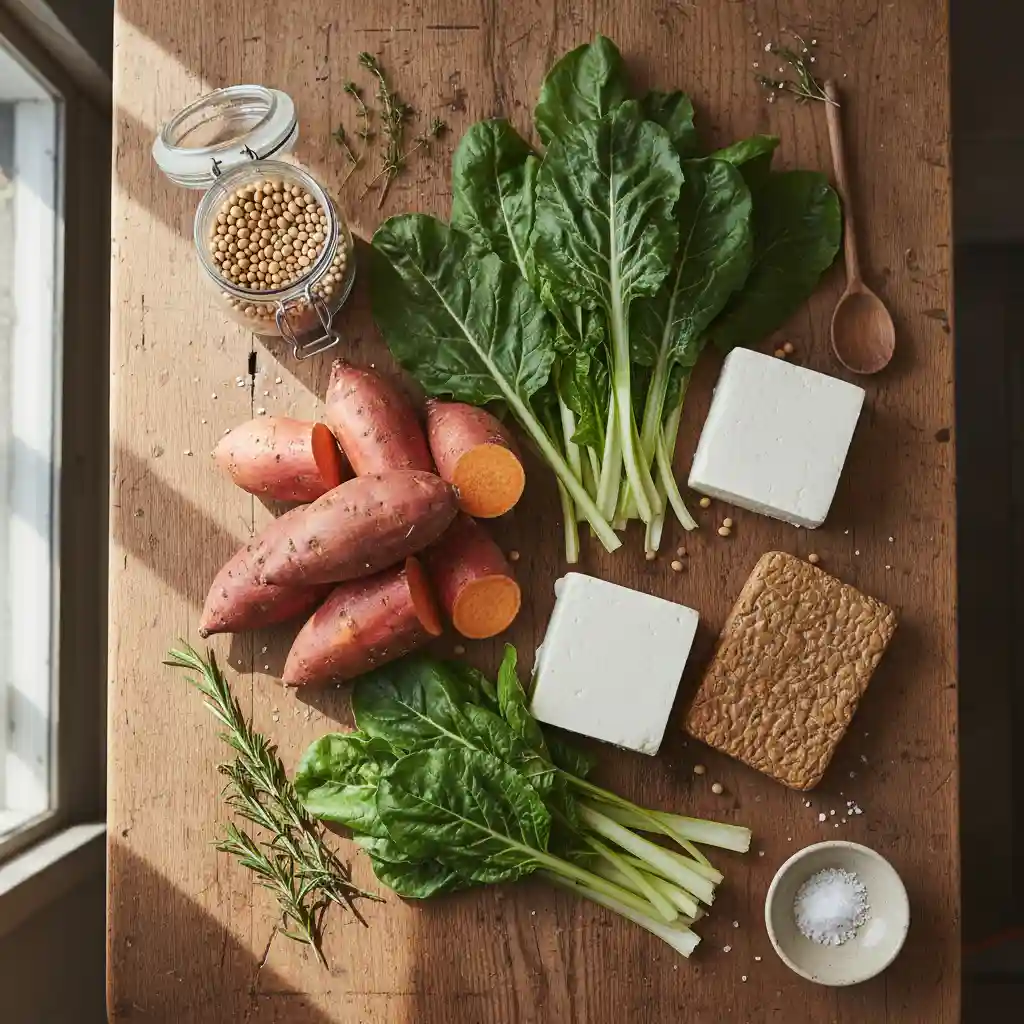
Tofu and tempeh are the powerhouses of plant-based nutrition. Originating from soybeans, they offer distinct textures and nutritional profiles that can mimic various meat dishes when prepared correctly.
Maximizing Value with Tofu
Tofu is incredibly versatile. In New Zealand supermarkets, you will typically find soft (silken) and firm varieties. For budget-conscious cooks, firm tofu is often the better investment because it is denser and contains more protein per block. To get the most out of a standard 300g or 500g block:
- Pressing is Key: Removing excess water allows the tofu to absorb marinades, meaning you use less sauce for more flavor.
- The Freezing Hack: Freezing a block of tofu before cooking changes its cellular structure. When thawed and pressed, it becomes chewy and sponge-like, closely resembling the texture of chicken. This technique is free and upgrades a cheap ingredient into a premium-feeling protein.
Tempeh: The Nutrient-Dense Option
Tempeh is made from fermented whole soybeans. While sometimes slightly more expensive than tofu, it is more nutrient-dense, meaning smaller portion sizes are required to feel full. It has a nutty, earthy flavor that pairs exceptionally well with savory glazes. Because it holds its shape well, sliced tempeh is an excellent, low-cost alternative to bacon or sandwich meats.
The Secret Weapon: Textured Vegetable Protein (TVP)
If you are strictly looking for the absolute cheapest source of protein in New Zealand, Textured Vegetable Protein (TVP) is the undisputed winner. Often found in the bulk bins of stores like Bin Inn or the health food section of supermarkets (sometimes labeled as “Soya Mince”), TVP is a dehydrated soy product.
Because it is dry, it is shelf-stable for months, eliminating food waste. When rehydrated with hot water or stock, it expands to 2-3 times its dry volume. A 500g bag of TVP can cost a fraction of the price of 500g of beef mince but yields significantly more cooked volume. It absorbs the flavor of whatever it is cooked in, making it perfect for “Kiwi classic” dishes like Shepherd’s Pie, Spaghetti Bolognese, or Chili con Carne.
NZ Supermarket Staples: Sourcing Soy for Less
Knowing where to shop is half the battle when constructing cheap plant based meals in NZ. While the major chains (Pak’nSave, Woolworths, New World) are convenient, they are not always the most economical choice for specific soy products.
Asian Grocers vs. Mainstream Supermarkets
Local Asian supermarkets are goldmines for budget soy products. You can often find fresh tofu made locally for significantly less than the branded, vacuum-sealed options in big-box stores. Furthermore, items like soy sauce, miso paste, and dried bean curd sticks are often half the price compared to the “International” aisle in a standard supermarket.
Domestic Brands to Watch
New Zealand has a robust local soy industry. Brands like Bean Supreme and Tonzu produce high-quality tofu and tempeh. Tonzu, for example, produces organic products in Auckland. While organic usually implies a higher price tag, buying local supports the NZ economy and often ensures a fresher product. Keep an eye on “Yellow Ticket” specials or “Club Price” deals at supermarkets to stock up on these staples.
Soy-Based Meal Prep Ideas on a Budget
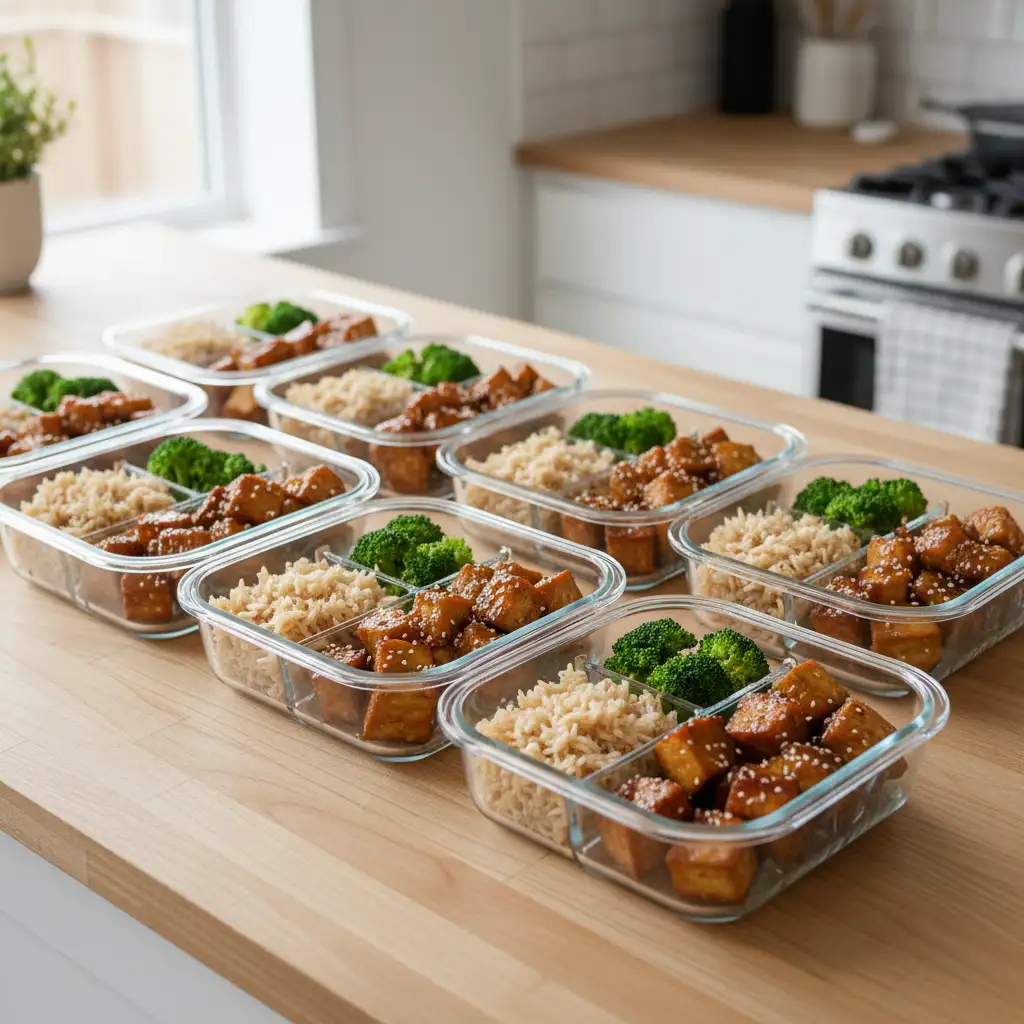
Meal prepping is a critical strategy for saving money. By cooking in bulk, you reduce energy costs and minimize the temptation to buy expensive takeaways. Soy lends itself perfectly to this approach.
Batch Cooking with TVP
Create a massive base sauce using TVP, canned tomatoes, onions, garlic, and grated seasonal vegetables (carrots and celery are usually cheap). This “ragu” can be portioned out and frozen. Later, it can be served over pasta, on top of a baked potato, or topped with mashed kumara for a cottage pie.
Marinated Tofu Blocks
Prep 4-5 blocks of tofu at the start of the week. Cube them, press them, and store them in containers with different marinades (e.g., Soy & Ginger, BBQ, Curry Powder & Oil). Throughout the week, you can quickly pan-fry or air-fry a portion to add to a salad or stir-fry in minutes.
Healthy Eating Without Breaking the Bank
A common concern with budget diets is the potential lack of nutrition. However, soy is a complete protein, meaning it contains all nine essential amino acids necessary for human health. This makes it comparable to animal protein but without the cholesterol and high saturated fat content.
To ensure your cheap plant-based meals are nutritionally complete, focus on variety. Pair your soy protein with iron-rich leafy greens (like silverbeet or spinach) and a source of Vitamin C (like lemon juice or capsicum) to aid iron absorption. Calcium-fortified soy milk is also a budget-friendly way to ensure bone health.
For authoritative guidelines on maintaining a balanced diet while reducing meat intake, the Ministry of Health NZ provides comprehensive resources on healthy eating for adults.
Top 5 Budget-Friendly Soy Recipes for Kiwis
Here are five practical ways to integrate soy into your weekly rotation using ingredients commonly found in New Zealand kitchens.
1. Classic Kiwi “Mince” on Toast
Using TVP instead of beef mince makes this comfort food incredibly cheap. Rehydrate the TVP in beef-style vegetable stock (Massel brand is popular and vegan). Sauté onion and garlic, add the TVP, a splash of soy sauce, tomato paste, and a dash of Worcestershire sauce (check the label for anchovies). Serve over thick-cut toast for a hearty breakfast or lunch.
2. Soy-Glazed Tofu Stir-Fry
Utilize frozen mixed vegetables—often cheaper than fresh—for this dish. Cube firm tofu and toss in cornflour, then fry until crispy. Remove the tofu, stir-fry the frozen veggies, and return the tofu to the pan with a sauce made from soy sauce, sugar, vinegar, and garlic. Serve over white rice.
3. Creamy Silken Tofu Pasta Sauce
Cashews are often used for vegan cream sauces, but they are expensive in NZ. Silken tofu is a fraction of the price. Blend a block of silken tofu with nutritional yeast, lemon juice, garlic powder, and salt. Pour over cooked pasta and heat gently. It creates a rich, protein-packed Alfredo-style sauce.
4. Tempeh “Bacon” Sandwiches
Thinly slice a block of tempeh. Marinate in liquid smoke (optional), soy sauce, maple syrup (or brown sugar), and smoked paprika. Pan-fry until dark and crispy. Serve on bread with lettuce and tomato for a cost-effective BLT alternative.
5. Scrambled Tofu
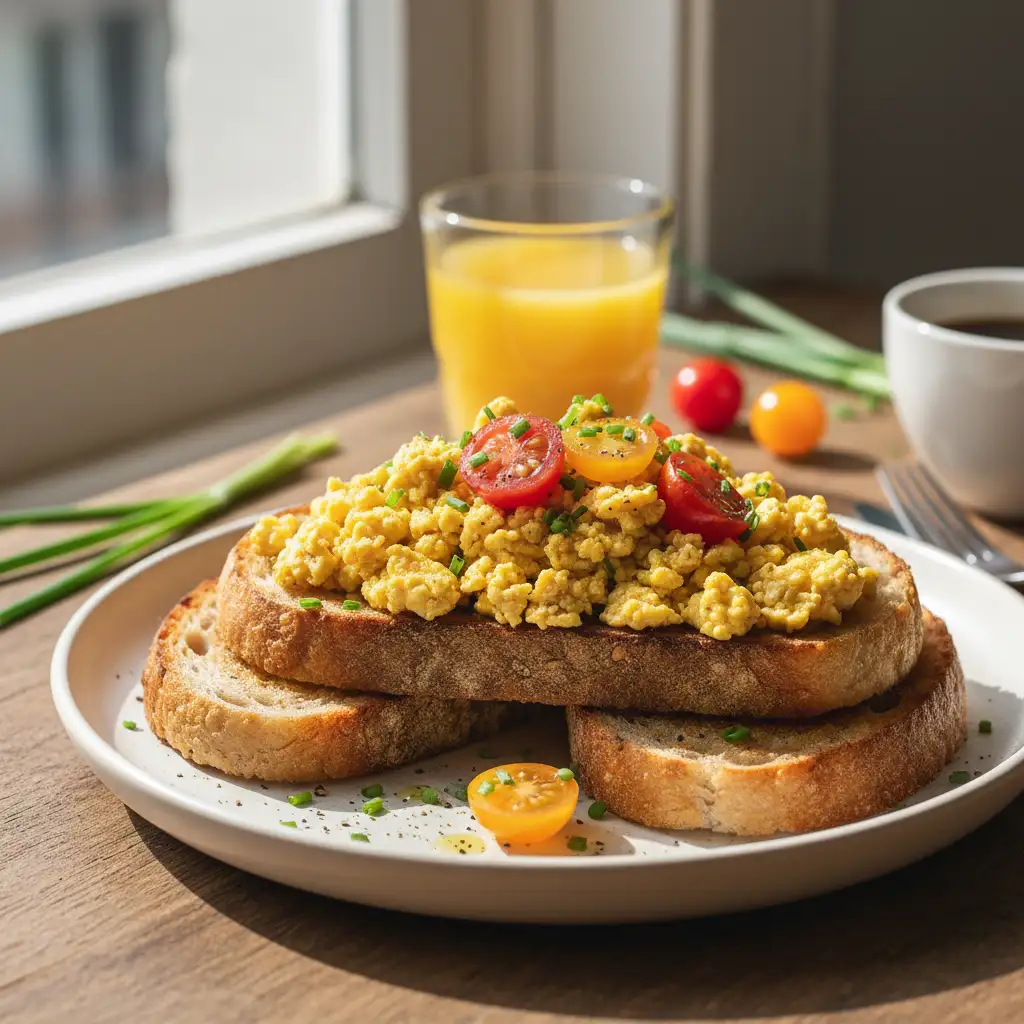
With the price of eggs rising, tofu scramble is a wallet-friendly breakfast. Mash a block of firm tofu with a fork. Sauté with turmeric (for color), nutritional yeast, and black salt (kala namak) if available for an eggy sulfur taste. Add spinach or diced tomatoes to bulk it up.
Frequently Asked Questions
Below are answers to common questions about eating soy on a budget in New Zealand.
Is tofu cheaper than meat in New Zealand?
Yes, generally tofu is cheaper than meat in New Zealand. A standard 300g block of firm tofu typically costs between $2.50 and $4.00 NZD. In comparison, 300g of beef mince or chicken breast usually costs significantly more, especially when not on special. Dried soy products like TVP offer even greater savings per serving.
What is the cheapest plant-based protein in NZ?
Textured Vegetable Protein (TVP) and dried legumes (lentils, chickpeas, dried soybeans) are the cheapest plant-based proteins available in NZ. Buying these items in bulk from bin stores or Asian grocers provides the lowest cost per gram of protein.
Where is the best place to buy tofu in NZ?
Asian supermarkets are often the best place to buy tofu in NZ for both price and variety. They frequently stock fresh, locally made tofu at lower prices than major supermarket chains. However, supermarkets like Pak’nSave and Woolworths also stock affordable house-brand (Macro) and local brands.
How do I cook TVP so it tastes good?
To make TVP taste good, rehydrate it in a strong, flavorful vegetable or ‘beef-style’ stock rather than plain water. Sautéing it with onions, garlic, and spices after rehydrating improves the texture. It works best in sauce-heavy dishes like bolognese, chili, or curry where it can absorb the surrounding flavors.
Is soy healthy for daily consumption?
Yes, for most people, soy is healthy for daily consumption. It is a complete protein containing all essential amino acids and is low in saturated fat. Organizations like the Heart Foundation NZ recognize soy as a heart-healthy protein source.
Can I freeze tofu?
Yes, you can freeze tofu. Freezing it changes the texture, making it more sponge-like, chewy, and better at absorbing marinades. It is a popular technique for giving tofu a ‘meaty’ texture suitable for fried chicken alternatives or hearty stews.