
The cheapest protein powder in NZ is consistently Soy Protein Isolate (SPI), primarily due to its efficient agricultural scalability and lower processing costs compared to dairy-based whey. While market prices fluctuate, soy protein typically averages between $0.03 and $0.05 per gram of protein, positioning it as the most cost-effective complete plant-based protein source available to New Zealand consumers.
The Search for the Cheapest Protein Powder in NZ
In the competitive landscape of New Zealand’s health and fitness market, the rising cost of living has forced many athletes and health-conscious individuals to scrutinize their grocery bills. Protein supplements, once considered a luxury for bodybuilders, have become a staple for everyday Kiwis looking to meet their nutritional requirements. However, with the price of dairy exports soaring, the cost of traditional whey protein has seen a sharp increase, prompting a significant shift in consumer behavior toward more affordable alternatives.
The quest for the cheapest protein powder NZ retailers have to offer is not merely about finding the lowest sticker price; it is about calculating the cost per gram of actual protein yield. While New Zealand is a dairy-producing powerhouse, the domestic price of whey protein concentrate (WPC) and isolate (WPI) is heavily influenced by global commodity prices. This has opened the door for plant-based alternatives, specifically soy protein, to dominate the budget-friendly sector of the market.
Understanding the nuances of protein pricing requires a deep dive into production costs, importation logistics, and the biological value of the ingredients. This guide aims to dismantle the pricing structures of the most popular supplements in New Zealand to determine if soy protein truly reigns supreme as the most affordable option.
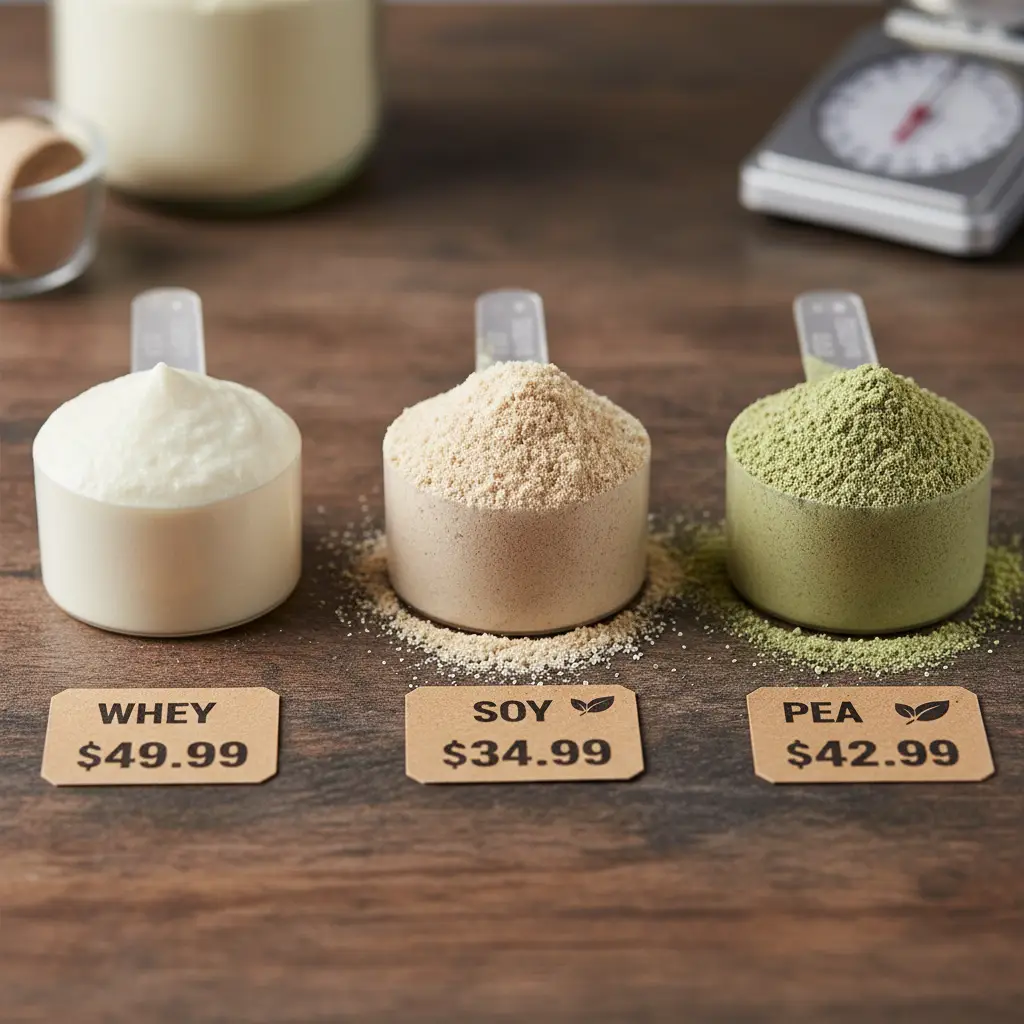
Per Gram Cost Comparison: Soy vs. Pea vs. Whey
To accurately assess value, we must move beyond the price of the tub and analyze the cost per serving and, more critically, the cost per gram of protein. Marketing tactics often obscure the true value of a product by varying scoop sizes or serving suggestions. Here is a detailed breakdown of how soy stacks up against its main competitors: Pea Protein and Whey Protein.
The Cost of Whey Protein
Whey protein is derived from milk during the cheese-making process. Despite New Zealand being a massive dairy exporter, local prices for Whey Protein Concentrate (WPC) are relatively high. This is because NZ dairy is a premium global commodity. When international demand rises, local prices follow suit.
- Average Market Price (1kg): NZD $45.00 – $65.00
- Protein Content: ~80% for Concentrate
- Cost Per Gram of Protein: Approximately $0.056 – $0.081
Whey Protein Isolate (WPI), which undergoes further processing to remove lactose and fat, is even more expensive, often pushing the cost per gram significantly higher, making it difficult to categorize as a budget option.
The Cost of Pea Protein
Pea protein, usually extracted from yellow split peas, is a popular hypoallergenic alternative. It sits in the middle ground regarding pricing. While cheaper than premium whey isolates, the manufacturing process to neutralize the strong “earthy” flavor and improve solubility adds to the production cost.
- Average Market Price (1kg): NZD $35.00 – $50.00
- Protein Content: ~80-85%
- Cost Per Gram of Protein: Approximately $0.043 – $0.062
The Cost of Soy Protein
Soy Protein Isolate (SPI) is the clear winner in terms of raw economics. Soybeans are one of the most widely grown crops globally, and the infrastructure for processing soy is highly mature and efficient. Furthermore, soy protein is often 90% protein by weight, meaning you get more actual protein powder and less filler per scoop than many concentrates.
- Average Market Price (1kg): NZD $25.00 – $40.00
- Protein Content: ~90% (Isolate)
- Cost Per Gram of Protein: Approximately $0.027 – $0.044
When analyzing these figures, it becomes evident that for the consumer focused strictly on the cheapest protein powder NZ can provide, soy holds a mathematical advantage, often costing 30% to 50% less than comparable whey products.
The Economic Benefits of Choosing Soy Protein
The affordability of soy protein is not accidental; it is structural. Understanding the economic drivers behind soy’s low price point helps reassure consumers that “cheap” does not mean “low quality.” It is a reflection of agricultural efficiency rather than corner-cutting.
Agricultural Scalability
Soybeans are incredibly efficient to grow. They require less water and land per gram of protein produced compared to animal agriculture. The logistics of the dairy industry involve raising cattle, feed management, veterinary care, and complex milking operations. In contrast, soy is a crop that can be harvested and processed with high mechanization. This efficiency trickles down to the final retail price in New Zealand stores.
Dual-Stream Revenue
One of the primary reasons soy protein is so affordable is that the soybean industry is driven largely by soybean oil production. After the oil is extracted from the bean, the remaining “cake” is protein-rich. Because the oil has already generated significant revenue for the processor, the protein component can be sold at a more competitive rate. It is effectively a co-product of the massive global vegetable oil industry.
Import Stability
While NZ produces dairy, a significant portion of soy products are imported. However, because soy is a shelf-stable dry good, it is inexpensive to ship in bulk compared to temperature-controlled dairy products. Large New Zealand supplement companies can import tons of raw soy isolate at low freight costs, packaging it locally to keep the final retail price down.
Quality vs. Cost: Understanding Value Beyond Price
A common misconception among fitness enthusiasts is that if a product is the cheapest protein powder NZ offers, it must be inferior in nutritional value. This bias often stems from the historical dominance of whey marketing. However, when analyzed through scientific metrics, soy protein offers exceptional value that rivals animal proteins.
The PDCAAS Score
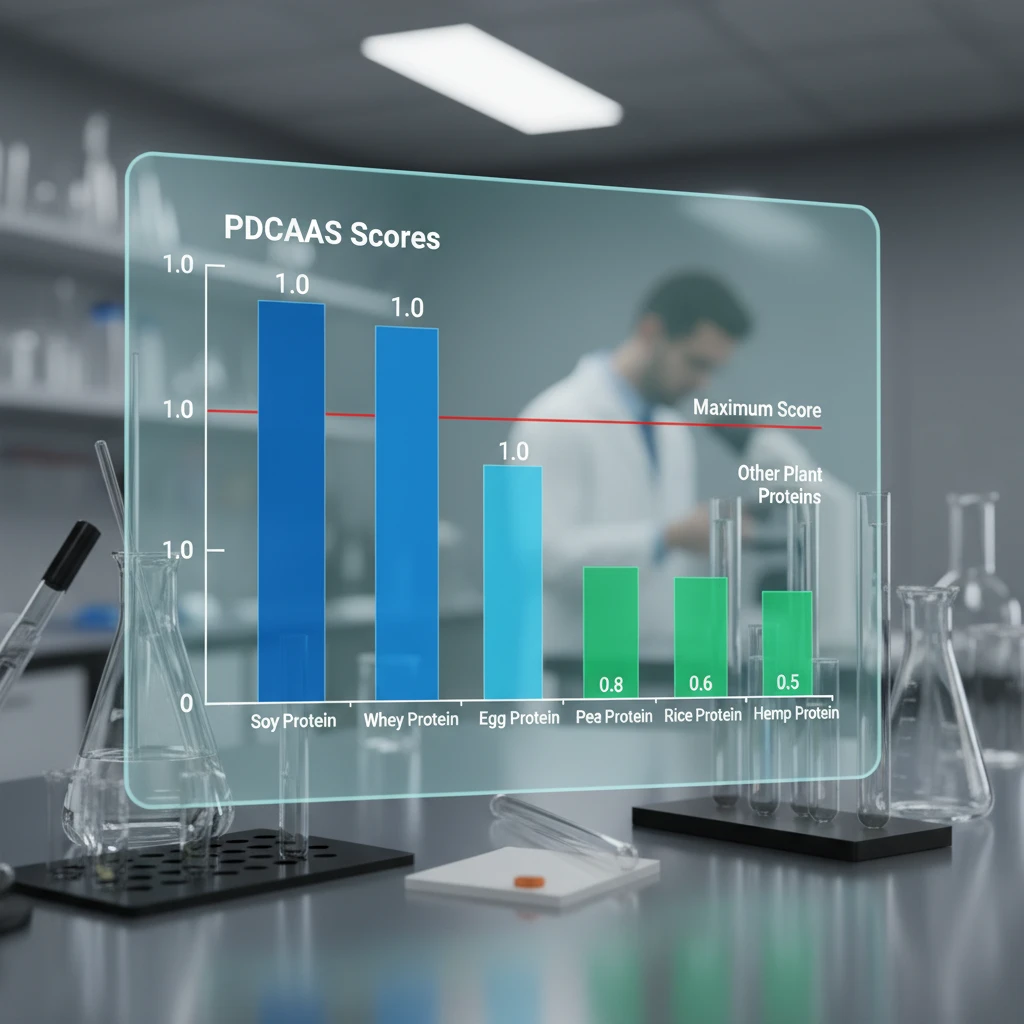
The global standard for evaluating protein quality is the Protein Digestibility Corrected Amino Acid Score (PDCAAS). This metric evaluates a protein based on both the amino acid requirements of humans and their ability to digest it.
Soy Protein Isolate has a PDCAAS score of 1.0. This is the highest possible score, placing it on the same level as egg white, casein, and whey protein. In comparison, pea protein typically scores around 0.69 to 0.89, and beef is around 0.92. This means that despite being the most affordable option, soy provides a “complete” protein profile, containing all nine essential amino acids in the correct proportions needed for muscle repair and growth.
For more detailed information on protein quality scoring, you can refer to Wikipedia’s entry on Protein Quality.
Absorption and Bioavailability
While whey is known for rapid absorption (ideal for immediate post-workout recovery), soy is a moderate-release protein. It digests faster than casein but slower than whey. This makes it a versatile “all-rounder” for New Zealanders. It can be used in baking, morning smoothies, or post-gym shakes. The value proposition here is high: you are paying a budget price for a premium, complete protein source.
Where to Find Affordable Soy Protein Supplements in NZ
Finding the absolute best price requires knowing where to look. In New Zealand, the market is split between large pharmacy chains, specialized supplement stores, and direct-to-consumer online brands.
Direct-to-Consumer (DTC) Brands
The lowest prices are almost exclusively found through NZ-based online retailers that package their own bulk powders. Brands like NZ Protein and Reactiv Supplements often undercut international giants because they avoid the overhead of physical retail stores and international distributor markups. Buying “house brand” soy isolate is usually the most direct route to savings.
Discount Chemists
Retailers like Chemist Warehouse and Bargain Chemist have disrupted the NZ market by offering high-volume sales at low margins. They frequently stock entry-level soy protein brands. While these may contain more fillers or flavorings than the raw isolates found online, the convenience and frequent “half-price” sales make them a viable option for budget hunters.
Bin Inn and Bulk Food Stores
For the ultra-frugal, stores like Bin Inn sometimes stock unflavored soy protein isolate in self-serve bins. This eliminates packaging costs entirely. However, the availability can be inconsistent, and you miss out on the flavor technology that modern supplement companies utilize to mask the beany taste of soy.
Maximising Value: Bulk Buying and Deals
Identifying the cheapest protein powder NZ has to offer is step one; purchasing it strategically is step two. Even the lowest-priced soy protein can be made cheaper with the right buying habits.
The 1kg vs. 5kg Rule
The packaging cost for a 1kg bag is not significantly lower than that of a 5kg bag. Consequently, manufacturers heavily discount larger volumes. In the NZ market, moving from a 1kg bag to a 5kg bag of soy isolate can drop the price per kilogram by an additional 15-20%. If you are committed to soy, the larger upfront investment yields massive long-term savings.
Unflavored vs. Flavored
Flavoring systems (sweeteners like sucralose or stevia, plus cocoa or vanilla agents) cost money. Unflavored Soy Protein Isolate is almost always cheaper than the Chocolate or Vanilla counterparts. If you primarily use protein in fruit smoothies where the flavor is masked by bananas or berries, buying unflavored is an easy way to shave dollars off your monthly supplement budget.
Subscription & Loyalty Programs
Many NZ online supplement stores now offer “Subscribe and Save” models, offering 5-10% discounts for recurring orders. Combined with loyalty points (often redeemable for vouchers), this ensures you are consistently paying below market rate. For authoritative advice on maintaining a balanced diet while using supplements, resources like Health New Zealand (Te Whatu Ora) provide excellent dietary guidelines.
Frequently Asked Questions
Below are answers to the most common questions regarding the cost and efficacy of soy protein in New Zealand.
Is soy protein cheaper than whey in NZ?
Yes, soy protein is generally cheaper than whey in New Zealand. Due to lower agricultural production costs and efficient processing, Soy Protein Isolate typically costs 30-40% less per kilogram than Whey Protein Concentrate or Isolate.
Does cheap soy protein build muscle as well as whey?
Yes. Soy protein is a complete protein with a PDCAAS score of 1.0, meaning it contains all essential amino acids required for muscle growth. Studies suggest that for general muscle building, soy is comparable to whey when total daily protein intake is sufficient.
Why is protein powder so expensive in NZ right now?
Protein powder prices in NZ have risen due to increased global supply chain costs, inflation, and high demand for New Zealand dairy exports, which drives up the local price of whey raw materials.
Is pea protein or soy protein cheaper?
Soy protein is usually cheaper than pea protein. While both are plant-based, the global scale of soy agriculture allows for lower production costs compared to pea protein extraction.
Are there side effects to using cheap soy protein?
For most people, soy protein is safe and beneficial. Concerns about soy affecting hormones (estrogen/testosterone) have been largely debunked by modern research for moderate consumption. However, those with soy allergies must avoid it.
What is the best way to make soy protein taste better?
Soy protein can have a thicker texture and earthier taste than whey. To improve the taste, blend it with bananas, peanut butter, or berries, or use it in baking (like pancakes) rather than drinking it strictly with water.