
Water Footprint Tofu vs Meat: A Comprehensive Resource Analysis
Exploring the ecological ripple effects of our dietary choices by comparing the hydrological demands of plant-based proteins versus traditional livestock.
1. Introduction to Water Footprints
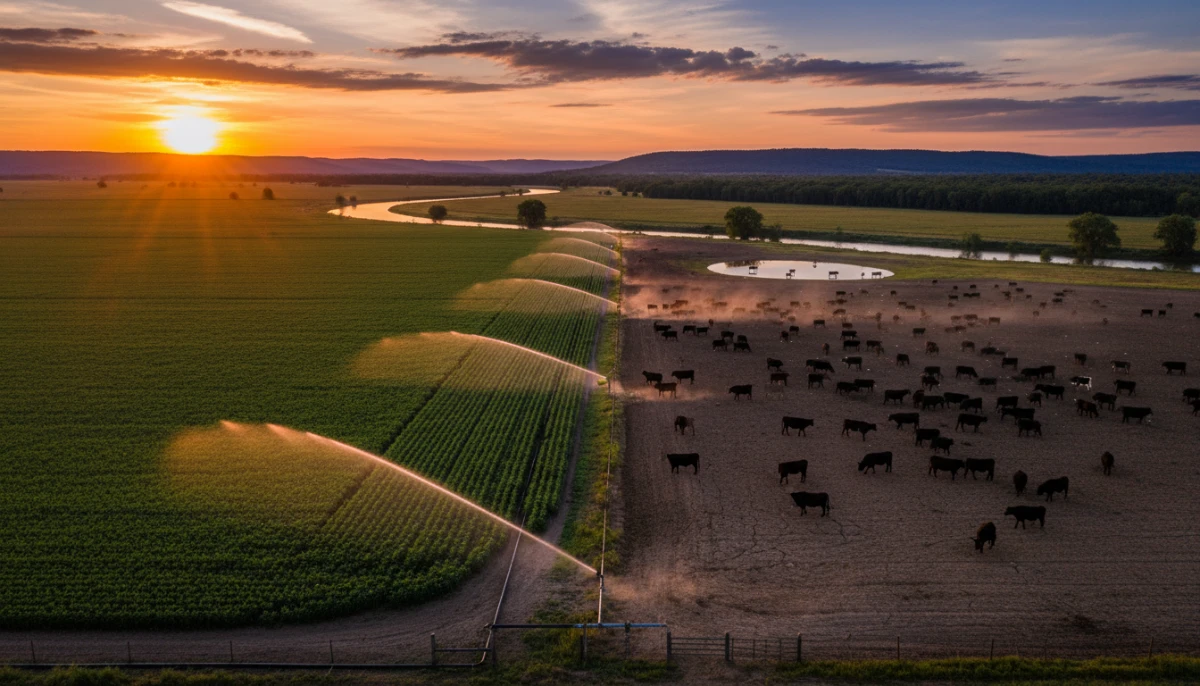
As the global population climbs toward 10 billion, the strain on our planet’s freshwater resources has reached a critical juncture. Water is the lifeblood of our civilization, yet it is a finite resource. While much of the public discourse surrounding environmentalism focuses on carbon emissions and plastic waste, the concept of the “water footprint” remains an essential, albeit often overlooked, metric of sustainability. Nowhere is this more apparent than in the global food industry, which accounts for roughly 70% of all freshwater withdrawals worldwide.
In this detailed analysis, we investigate the water footprint of tofu versus meat. This comparison is not merely a matter of personal preference but a vital inquiry into how we manage global reservoirs, rivers, and aquifers. By understanding the volume of water required to produce a single kilogram of protein, consumers and policymakers can make more informed decisions that safeguard our ecological future.
2. Understanding Blue, Green, and Gray Water
To accurately compare the water footprint of tofu and meat, we must first understand the metrics used by the Water Footprint Network. A total water footprint is categorized into three distinct types:
Green Water
The volume of rainwater consumed during the production process. This is particularly relevant for crops and pasture land.
Blue Water
The volume of surface and groundwater consumed (evaporated or incorporated into the product) during production.
Gray Water
The volume of freshwater required to assimilate the load of pollutants based on existing water quality standards.
3. The Deep Dive: Meat’s Water Usage
The production of animal protein is notoriously water-intensive. This is not just because animals drink water, but because of the massive amounts of water required to grow the crops used for their feed. When we examine meat, specifically beef, we are looking at an inefficient conversion of calories and resources.
The Beef Giant
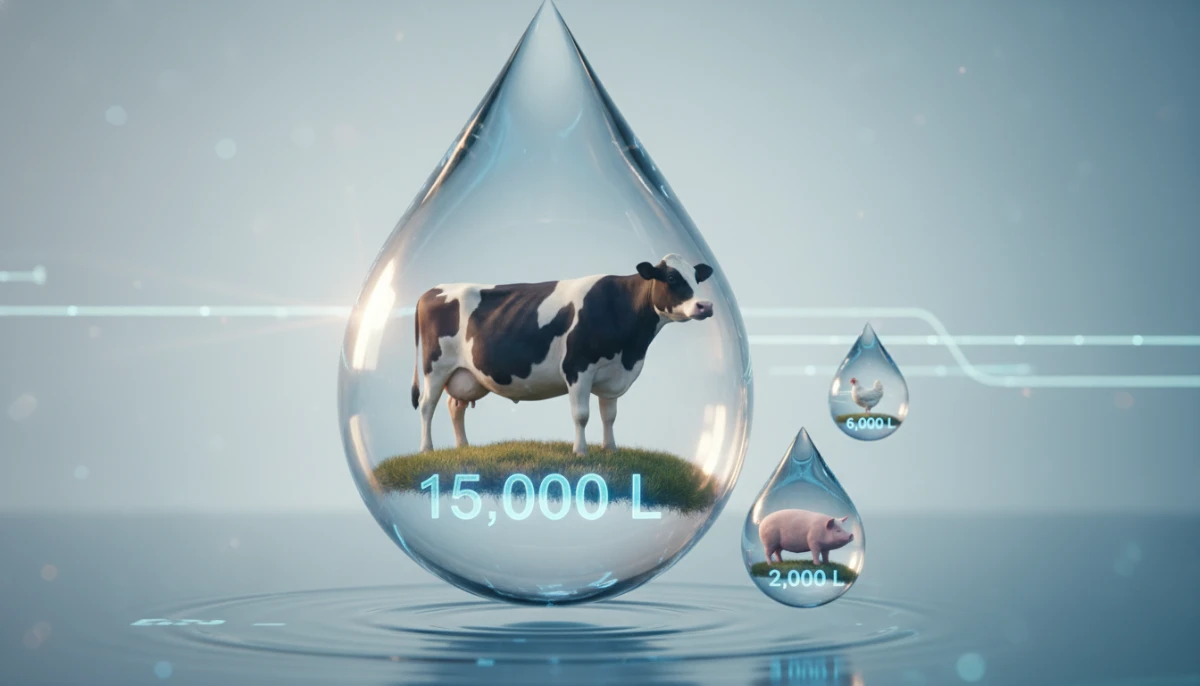
Beef is the outlier in almost every environmental metric. On average, it takes approximately 15,415 liters of water to produce just one kilogram of beef. This astronomical figure is driven by the long lifespan of the animal and the volume of feed (maize, soy, and grain) it consumes over its life. For every kilogram of edible beef, a cow may consume between 7 and 12 kilograms of grain, all of which require significant irrigation and rainfall.
Pork and Poultry
Pork and chicken have lower water footprints than beef, but they still remain significantly higher than plant proteins. Pork requires roughly 5,988 liters per kilogram, while chicken averages about 4,325 liters per kilogram. These animals have better feed-conversion ratios and shorter lifespans, which reduces their cumulative water “debt” to the environment.
4. The Hydrological Profile of Tofu
Tofu, a staple of plant-based diets, is derived from soybeans. Beyond its environmental benefits, soy is also known for its health properties; explore Isoflavones and Long-term Health for more details. While soy cultivation has its own environmental challenges, its water efficiency is markedly superior to that of animal products. The water footprint of tofu is estimated to be approximately 2,520 liters per kilogram.
From Bean to Block
The production of tofu involves several stages: growing the soybeans, harvesting, cleaning, soaking, grinding, and boiling. The majority of the water footprint (nearly 90%) is attributed to the agricultural stage—growing the beans. The processing stage, where the Soy Milk Manufacturing process leads to coagulation into tofu, uses relatively little water, and modern facilities have implemented closed-loop systems to recycle processing water.
Efficiency of Direct Consumption
When humans eat tofu, they are consuming the soy directly. This eliminates the “middleman” (the animal), avoiding the massive loss of energy and water that occurs when nutrients are passed through a livestock metabolism. This direct consumption path is the primary reason tofu maintains a lower footprint. For innovative ways to prepare tofu, check out our Ultimate Air Fryer Tofu Guide.
For culinary insights and detailed preparation guides, explore Mastering Soy Cooking & Prep.
5. Head-to-Head Comparison: Data & Stats
| Protein Source | Liters of Water per kg | Relative Efficiency |
|---|---|---|
| Beef | 15,415 L | Lowest Efficiency |
| Pork | 5,988 L | Moderate-Low |
| Chicken | 4,325 L | Moderate |
| Tofu | 2,520 L | High Efficiency |
| Pulses (Lentils/Beans) | 1,250 L | Very High |
Data sourced from the Water Footprint Network and various environmental impact studies. Figures represent global averages; local variations may occur based on climate and farming practices.

To manage your resources effectively, consider tips on Bulk Buying & Budget.
6. Environmental and Socio-Economic Impact
The difference in water usage between tofu and meat has profound implications for global ecology. Water scarcity is not a localized issue; it is a systemic threat to food security and peace.
Pollution and Gray Water
Industrial meat production generates vast quantities of manure and chemical runoff. This waste often enters local waterways, leading to eutrophication—where excess nutrients cause algae blooms that deplete oxygen and kill aquatic life. The “gray water” footprint of meat is significantly higher due to the need to dilute these potent pollutants. In contrast, soy cultivation, while it can involve pesticides, typically results in less concentrated nutrient runoff than factory farming.
Aquifer Depletion
Many of the world’s most productive meat-producing regions rely on fossil aquifers—underground water sources that do not replenish on human timescales. When we consume water-intensive meat, we are essentially “mining” water that will not be available for future generations. Reducing meat consumption in favor of tofu can slow the depletion of these critical reserves.
7. Improving Agricultural Efficiency
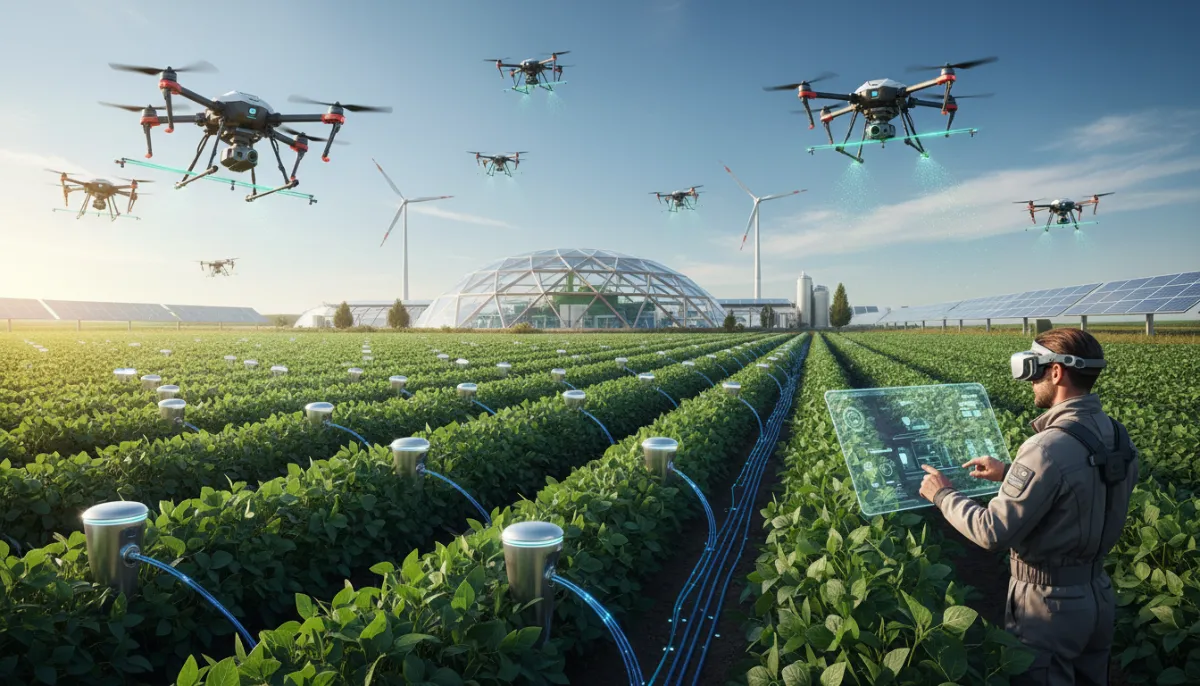
While shifting from meat to tofu is a powerful individual action, systemic changes in agriculture are also necessary. For tofu to reach its maximum sustainability potential, soy farmers are adopting precision irrigation, which uses sensors to deliver water only when and where it is needed. Similarly, regenerative grazing practices are being explored in the meat industry, though their ability to reach the efficiency of plant-based protein remains a subject of intense scientific debate.
For a broader understanding of agricultural and economic transformations, see our insights on Strategic Reconstruction.
8. Conclusion: Choosing for the Future
The evidence is clear: the water footprint of tofu vs meat reveals a stark disparity. By opting for tofu, a consumer can potentially save thousands of liters of water per meal. As the climate changes and water becomes more precious, our dietary habits will increasingly be viewed through the lens of resource management. Transitioning toward a plant-forward diet is one of the most effective ways an individual can contribute to a water-secure world.
9. Frequently Asked Questions
Is all soy production bad for the environment?
Not all soy production is equal. While soy is often linked to deforestation in the Amazon, the vast majority of that soy is grown for animal feed. Soy grown for direct human consumption, like that used in tofu, is a much more efficient use of land and water.
How does the water footprint of tofu compare to almonds?
Almonds are known for their high water usage, requiring about 16,000 liters per kilogram. Tofu, at roughly 2,520 liters per kilogram, is significantly more water-efficient than almonds.
Does organic meat have a lower water footprint?
Not necessarily. Because organic livestock often take longer to reach maturity and spend more time moving (burning more energy), they can sometimes have a higher total water footprint than conventionally raised animals, despite the lack of chemical pesticides in their feed production.