
Is Soy a Complete Protein? A Deep Dive into Soy Protein Profile & PDCAAS
An in-depth scientific exploration into the nutritional architecture, amino acid composition, and bioavailability of soy-based proteins.
Defining Completeness: Is Soy a Complete Protein?
In the landscape of plant-based nutrition, the question “is soy a complete protein?” often serves as the focal point for discussions regarding vegan and vegetarian diets. From a strictly biological perspective, the answer is a definitive yes. To understand why, we must first define what a “complete” protein actually entails.
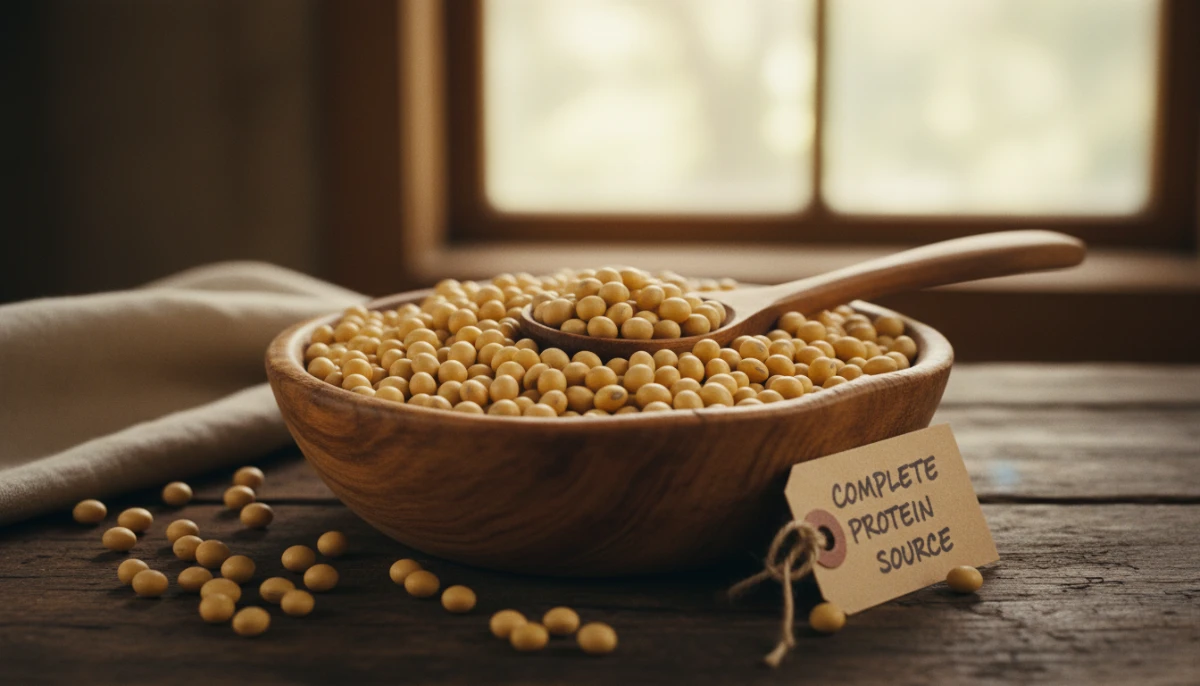
Proteins are composed of twenty amino acids. While the human body can synthesize eleven of these on its own (non-essential amino acids), nine must be obtained through dietary sources. These are known as the Essential Amino Acids (EAAs). A protein source is categorized as “complete” if it contains all nine essential amino acids in proportions that roughly match human nutritional requirements. Soybeans (Glycine max) are unique among legumes because they offer a robust EAA profile that satisfies the needs of both children and adults.
Unlike beans or lentils, which are typically low in methionine, or grains, which are often deficient in lysine, soy provides a balanced ratio. This makes it a high-quality protein source capable of supporting growth, repair, and immune function without the mandatory requirement of protein pairing—a common practice in plant-based diets to ensure EAA sufficiency.
The Amino Acid Profile of Soy: A Molecular Breakdown
The nutritional efficacy of soy protein is rooted in its specific concentration of amino acids. For those tracking muscle synthesis or metabolic health, the Branched-Chain Amino Acid (BCAA) content is of particular interest. Soy protein contains significant amounts of Leucine, Isoleucine, and Valine, which are the primary drivers of muscle protein synthesis.
| Essential Amino Acid | Amount in Soy Isolate (mg/g) | WHO Requirement (Adults) |
|---|---|---|
| Leucine | 65-80 | 39 |
| Lysine | 50-63 | 30 |
| Methionine + Cysteine | 24-26 | 15 |
| Phenylalanine + Tyrosine | 80-90 | 25 |
| Threonine | 35-38 | 15 |
While soy is technically lower in methionine compared to animal proteins like whey or egg white, it still meets the World Health Organization’s (WHO) reference patterns for human health. Furthermore, soy is exceptionally high in Arginine and Glutamine. Arginine plays a vital role in nitric oxide production and blood flow, while Glutamine supports gut health and immune response, especially under physiological stress.
Understanding PDCAAS: The Gold Standard of Quality
The Protein Digestibility Corrected Amino Acid Score (PDCAAS) is the primary method used by the FDA and WHO to evaluate protein quality. It measures protein based on the amino acid requirements of humans and their ability to digest it.
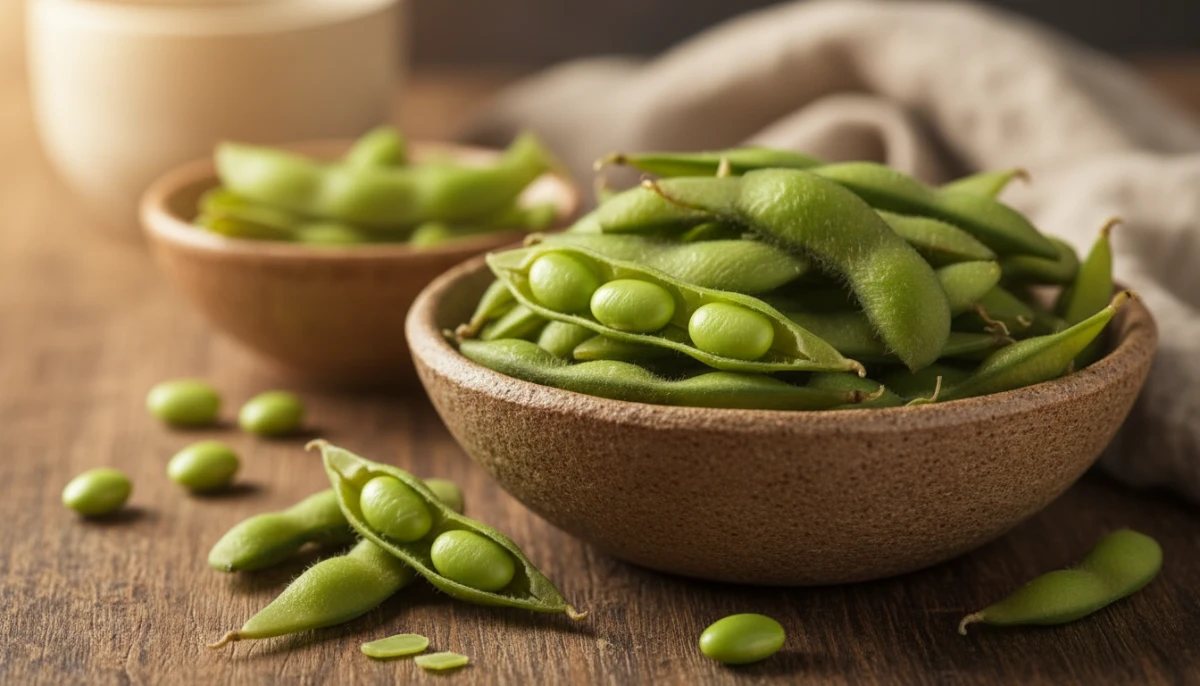
PDCAAS scores range from 0.0 to 1.0. A score of 1.0 signifies that the protein provides 100% (or more) of the essential amino acids required per unit of protein and is highly digestible. Soy protein isolate consistently scores a 1.0, placing it on the same level as milk protein (casein), egg white, and whey. This is a significant distinction, as most other plant proteins score significantly lower (e.g., black beans score approximately 0.75, while whole wheat scores roughly 0.40).
The high PDCAAS of soy is a result of advanced processing techniques that remove most of the fiber and antinutrients (like trypsin inhibitors) found in the whole bean, which can otherwise interfere with protein absorption. This high score validates soy as a viable standalone protein source for athletes and individuals with high-performance demands.
DIAAS vs. PDCAAS: The Evolving Science
In recent years, the Digestible Indispensable Amino Acid Score (DIAAS) has been proposed as a more accurate replacement for PDCAAS. DIAAS measures amino acid digestibility at the end of the small intestine (ileal digestibility) rather than the entire digestive tract (fecal digestibility). This distinction is important because the microbiome in the large intestine can consume amino acids, leading to an overestimation of protein absorption in the PDCAAS system.
Under the DIAAS system, animal proteins generally maintain very high scores (often above 1.0), while plant proteins, including soy, tend to see their scores adjusted slightly downward. Even under these stricter criteria, soy protein remains a “high-quality” source (DIAAS > 0.75), outperforming nearly every other plant-based alternative. This reinforces the status of soy as a premium nutritional choice for those avoiding animal products.
Soy vs. Animal Proteins: A Comparative Analysis
When comparing soy to animal-derived proteins like whey, several key differences emerge. Whey protein is often lauded for its high Leucine content (~11%), which is the primary trigger for the mTOR pathway, leading to muscle hypertrophy. Soy protein contains slightly less Leucine (~8%), which has led some to believe it is inferior for muscle building.
However, longitudinal studies have shown that when total protein intake is sufficient, there is no significant difference in muscle mass gains between groups consuming soy versus whey. Soy also offers unique advantages, such as being naturally cholesterol-free and lower in saturated fats. Additionally, soy contains phytonutrients called isoflavones (genistein and daidzein), which have been linked to improved arterial health and reduced oxidative stress.
Health Implications and Muscle Protein Synthesis (MPS)
Soy protein is not just about meeting basic survival needs; it is a functional food. Research suggests that the consumption of soy protein can lower LDL (bad) cholesterol by approximately 3-5%, a finding that has supported an FDA-approved heart health claim for decades.
Regarding Muscle Protein Synthesis (MPS), soy is considered a “fast-acting” protein, though slightly slower than whey. This means it causes a rapid rise in blood amino acid levels, making it an excellent choice for post-workout recovery. Many modern protein blends now combine soy with pea or rice protein to create a sustained-release amino acid profile that mimics the digestion kinetics of dairy-based blends.
Debunking Phytoestrogen Myths and Antinutrients
One of the most persistent barriers to soy consumption is the concern over phytoestrogens (isoflavones). Critics often claim that these compounds mimic estrogen and can lead to hormonal imbalances in men or increased cancer risk. However, extensive clinical trials and meta-analyses have consistently found that soy does not affect testosterone levels or estrogen levels in men.
Phytoestrogens are Selective Estrogen Receptor Modulators (SERMs). They have a much weaker affinity for estrogen receptors than the hormone itself and can actually have an anti-estrogenic effect in certain tissues by blocking more potent estrogens from binding. Furthermore, many studies suggest that soy consumption may actually reduce the risk of prostate and breast cancers due to these unique properties.
Comparing Soy Isolate, Concentrate, and Whole Foods
The form in which you consume soy affects its protein density and digestibility:
- Soy Protein Isolate (SPI): The most refined form, containing ~90% protein. Most carbohydrates and fats are removed, and it has the highest PDCAAS score (1.0).
- Soy Protein Concentrate (SPC): Contains ~70% protein. It retains some fiber, making it common in meat alternatives.
- Whole Soy (Edamame, Tofu, Tempeh): These provide protein alongside fiber, vitamins, and minerals. Tempeh, being fermented, offers improved digestibility and probiotic benefits.
Conclusion: Final Verdict on Soy Protein
In conclusion, the scientific evidence overwhelmingly confirms that soy is a complete protein. With a PDCAAS score of 1.0, soy protein isolate stands shoulder-to-shoulder with whey and egg protein in terms of quality and bioavailability. Whether your goal is muscle hypertrophy, cardiovascular health, or maintaining a balanced plant-based diet, soy provides the essential building blocks necessary for optimal physiological function.
By understanding the nuances of its amino acid profile and debunking common myths regarding hormonal impact, consumers can confidently incorporate soy as a primary protein source. Its versatility, combined with its unique heart-health benefits, makes it a cornerstone of modern nutritional science.
Frequently Asked Questions
Is soy a complete protein for vegans?
Yes, soy is one of the few plant-based sources that contains all nine essential amino acids in appropriate ratios, making it a complete protein for vegans and vegetarians.
What is the PDCAAS of soy?
Soy protein isolate has a PDCAAS of 1.0, which is the highest possible score, indicating it meets all essential amino acid requirements and is highly digestible.
Does soy protein cause estrogen to rise in men?
No. Multiple meta-analyses have shown that soy protein and soy isoflavones do not affect testosterone or estrogen levels in men, even at high levels of consumption.