
Tempeh Techniques: The Definitive Guide to Preparation, Marination, and Perfection
Master the art of plant-based protein with advanced culinary methods and sophisticated tempeh marinade recipes designed for the professional kitchen.
1. The Origins and Science of Tempeh
Tempeh is a traditional Indonesian soy product that transcends the typical classification of meat alternatives. Unlike tofu, which is made from coagulated soy milk, tempeh is a whole-food product created through a natural culturing and controlled fermentation process. This process binds soybeans into a firm, cake-like form using the fungus Rhizopus oligosporus. This fermentation doesn’t just change the texture; it fundamentally alters the nutritional profile, breaking down phytates and increasing the bioavailability of minerals and protein. From a culinary perspective, tempeh offers a nutty, earthy flavor profile and a robust, chewy texture that absorbs flavors through specific osmosis-driven techniques.
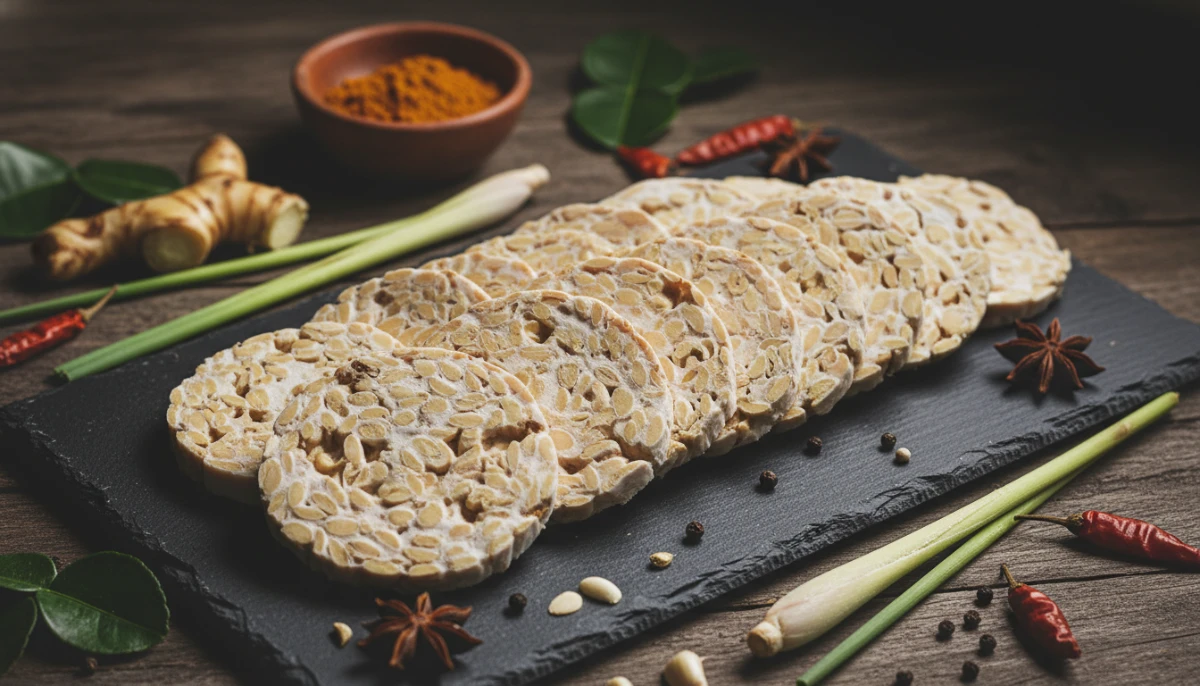
The nutritional density of tempeh is remarkable. A single serving provides nearly 20 grams of protein, significant amounts of fiber, and a wealth of probiotics. However, the density of the soybean cake can be a barrier to flavor absorption if not handled correctly. Understanding the cellular structure of the fermented block is the first step toward mastering tempeh techniques. Because the beans are tightly packed by the mycelium, a superficial soak in a liquid is rarely enough to reach the core. We must use heat and acidity to open up the structure, preparing the vessel for the infusion of complex flavors.
2. Critical Pre-treatment: Steaming vs. Boiling
The most common complaint regarding tempeh is a lingering bitterness or a dry, chalky interior. This is almost always a result of skipping the pre-treatment phase. Pre-treating tempeh serves two primary purposes: it neutralizes the natural bitterness inherent in the fermentation process and it hydrates the soybeans, allowing them to expand and become more porous. This porosity is vital for the success of your tempeh marinade recipes.
The Professional Steaming Method
Place your sliced or cubed tempeh in a steamer basket over boiling water. Cover and steam for 10 to 12 minutes. This gentle moist heat penetrates the mycelium without water-logging the beans. Once removed, the tempeh will be hot and significantly more receptive to cold marinades, as the cooling process will actually pull the liquid into the center of the block—a process known as thermal contraction absorption.
Alternatively, boiling the tempeh in a seasoned broth (including salt, garlic, and perhaps a bay leaf) for 10 minutes can infuse a baseline of seasoning directly into the protein. However, steaming is generally preferred by chefs who want to maintain the structural integrity of the tempeh before searing or air-frying. Regardless of the method chosen, always ensure the tempeh is patted dry before moving to the marination phase if you intend to achieve a crispy exterior later.
3. The Science of the Marinade
To create truly exceptional tempeh, one must understand the four pillars of a successful marinade: Salt, Acid, Fat, and Aromatics. Because tempeh is a dense, high-protein substrate, it requires a higher concentration of these elements than a lighter protein like tofu. Salt breaks down the surface tension, acid (such as rice vinegar or lime juice) denatures the proteins and adds brightness, fat (oils) carries fat-soluble flavors into the beans, and aromatics provide the top-note complexity.
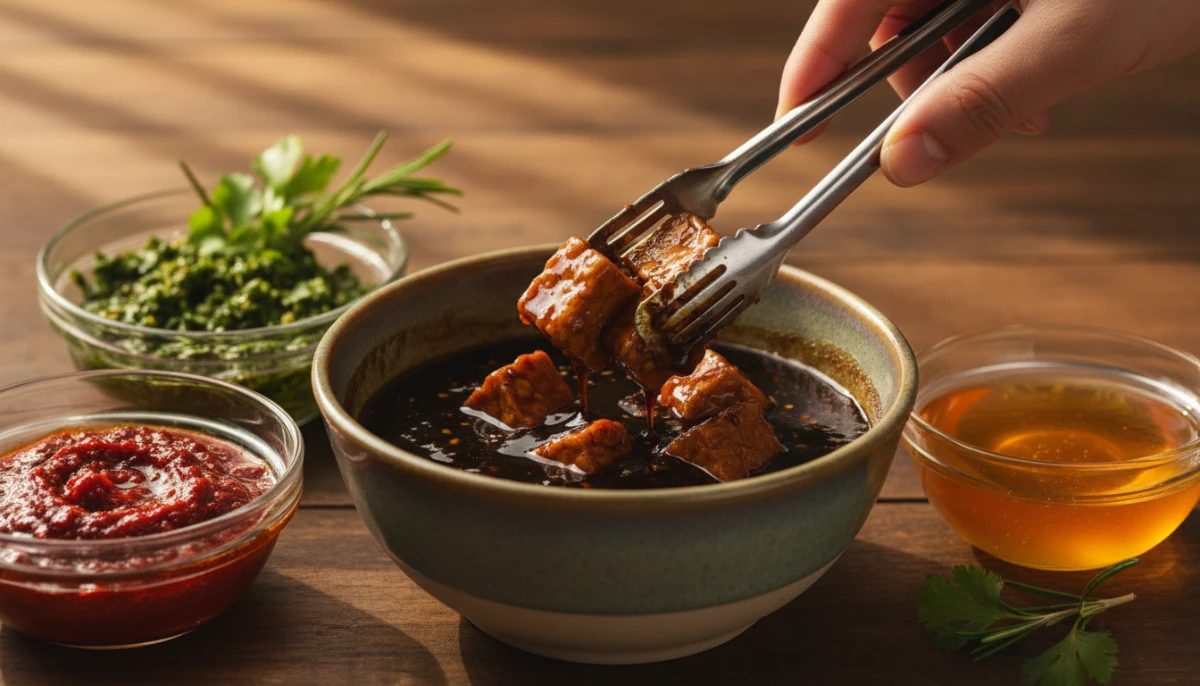
Timing is also a critical factor. While a quick 30-minute soak is better than nothing, the optimal window for tempeh marination is between 4 and 12 hours. Beyond 24 hours, the acids in the marinade may begin to break down the mycelium too much, leading to a mushy texture. For those seeking maximum flavor efficiency, vacuum sealing the tempeh with the marinade can accelerate the process, forcing the liquid into the beans in a fraction of the time.
4. Signature Tempeh Marinade Recipes
These recipes are formulated to provide a deep, resonant flavor that stands up to various cooking methods. Each recipe yields enough for one 8-ounce block of tempeh.
The Umami Bomb (Asian-Inspired)
Best for: Stir-fries and Grain Bowls
- 1/4 cup Low-sodium Soy Sauce or Tamari
- 1 tbsp Toasted Sesame Oil
- 1 tbsp Freshly Grated Ginger
- 2 cloves Garlic, minced
- 1 tbsp Rice Vinegar
- 1 tsp Sriracha or Chili Garlic Sauce
- 1 tbsp Maple Syrup or Agave
Smoky Maple Bourbon BBQ
Best for: Grilling and Sandwiches
- 1/3 cup Quality Bourbon
- 2 tbsp Maple Syrup
- 1 tbsp Liquid Smoke
- 2 tbsp Tomato Paste
- 1 tsp Smoked Paprika
- 1 tsp Garlic Powder
- 1/2 tsp Black Pepper
Mediterranean Lemon-Herb
Best for: Salads and Wraps
- 1/4 cup Extra Virgin Olive Oil
- Juice and Zest of 1 Large Lemon
- 2 tsp Dried Oregano
- 1 tsp Dried Thyme
- 3 cloves Garlic, crushed
- 1/2 tsp Sea Salt
- 1/4 tsp Red Pepper Flakes
When applying these marinades, always ensure the tempeh is completely submerged. If you are using a shallow dish, flip the tempeh halfway through the marination time. For an even more intense flavor, you can reserve a few tablespoons of the clean marinade (before adding the raw tempeh) to use as a glazing sauce during the final minutes of cooking.
5. Advanced Cooking Techniques
How you cook your marinated tempeh is just as important as the marinade itself. The goal is typically to achieve a contrast between a crispy, caramelized exterior and a tender, flavorful interior.
The Cast Iron Sear
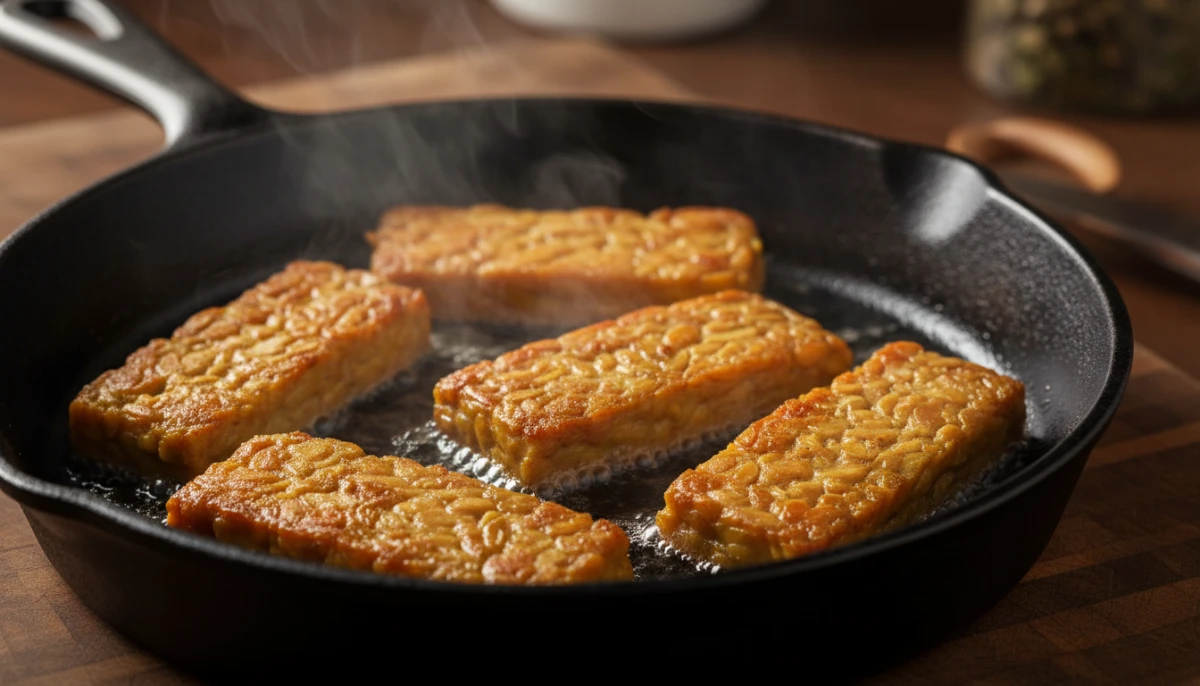
For the best texture, a well-seasoned cast iron skillet is unrivaled. Heat the skillet over medium-high heat with a high-smoke-point oil (like avocado or grapeseed oil). Place the marinated tempeh slices in a single layer, ensuring they aren’t crowded. Sear for 3-4 minutes per side until a deep mahogany crust forms. In the final 60 seconds, pour the remaining marinade into the pan; it will reduce into a thick, sticky glaze that coats the tempeh perfectly.
Air-Frying for Maximum Crunch
If you prefer a lower-oil option that still delivers crunch, the air fryer is your best friend. Arrange marinated cubes in the basket and cook at 375°F (190°C) for 12-15 minutes, shaking the basket halfway through. The circulating air dehydrates the surface of the tempeh, creating a snap that is difficult to achieve in a standard oven.
Baking for Batch Prep
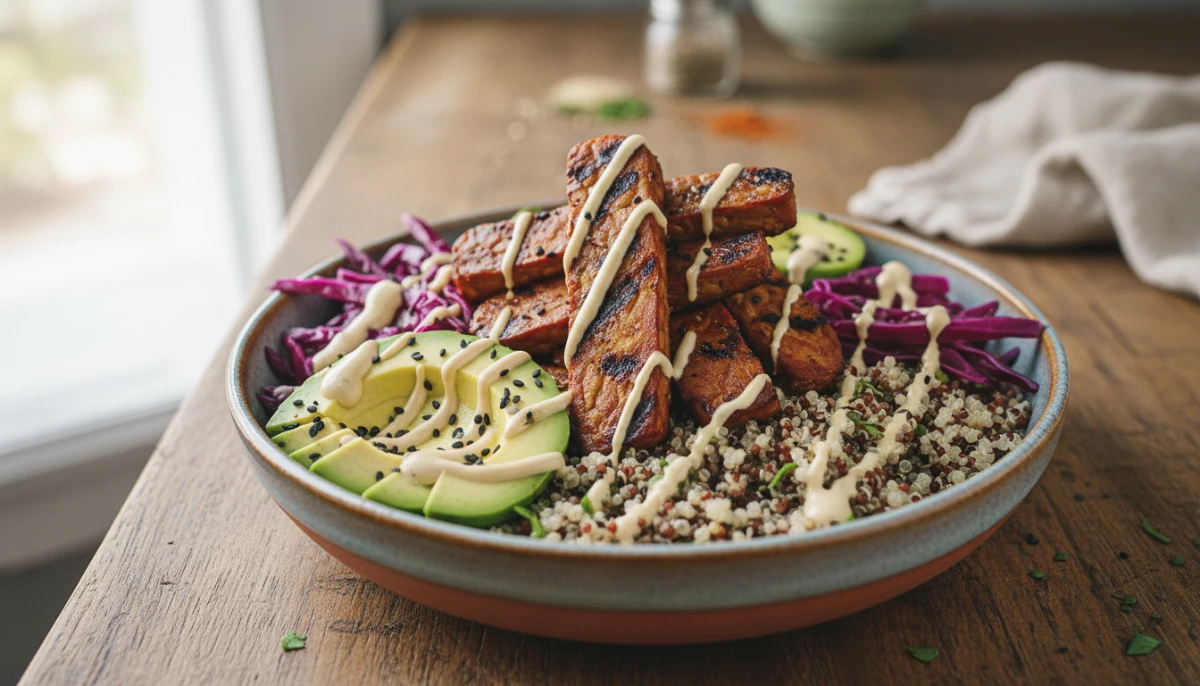
When preparing tempeh for the week, baking is the most efficient method. Line a baking sheet with parchment paper and bake at 400°F (200°C) for 20-25 minutes. To prevent the tempeh from drying out, brush it with extra marinade or a thin layer of oil before it goes into the oven. This method is ideal for creating ‘tempeh bacon’ or protein toppers for massive meal-prep salads.
6. Frequently Asked Questions
Why is my tempeh bitter?
Bitterness is a natural byproduct of the fermentation process. To remove it, steam the tempeh for 10-15 minutes before marinating or cooking. This ‘opens’ the bean structure and washes away the bitter compounds.
Can I freeze marinated tempeh?
Yes! Freezing tempeh in its marinade is actually a fantastic technique. As the water in the marinade freezes, it expands, creating tiny pathways into the tempeh. When it thaws, the marinade is pulled deep into those pathways.
Is tempeh healthier than tofu?
Both are excellent protein sources, but tempeh is generally considered more nutrient-dense. Because it is fermented and uses the whole bean, it has more fiber, protein, and vitamins than tofu, and is often easier to digest for some people.
How long does marinated tempeh last in the fridge?
Once marinated, tempeh should be cooked within 2-3 days for optimal texture. If you need to store it longer, it is best to freeze it in the marinade.