
Strategic Reconstruction, in the context of the Soy Online Service document, refers to the deliberate corporate marketing effort aimed at rebranding the soybean from a primarily industrial resource into a staple human health food. This process involved altering public perception to create a lucrative market for soy protein isolate, which was originally considered a waste byproduct of soy oil production.
Understanding Strategic Reconstruction in the Soy Industry
The phrase “Strategic Reconstruction” as referenced in the URL http://www.soyonlineservice.co.nz/03summary.htm serves as a critical headline for understanding one of the most significant shifts in modern food history. For decades, researchers and nutritionists have debated the efficacy and safety of soy consumption. The document in question, hosted by the Soy Online Service, outlines a thesis that the ubiquity of soy in the Western diet is not the result of organic culinary evolution, but rather a calculated commercial reconstruction of the bean’s image.
To fully grasp this concept, one must look beyond the grocery store shelves and into the history of agricultural economics. The central argument presented in this critique is that the soybean was historically viewed as a rotation crop or a source of industrial oil for paints and glues. The protein-rich meal left over after oil extraction was difficult to dispose of. The “Strategic Reconstruction” was the industry’s solution: transforming this waste product into a value-added commodity labeled as a “superfood.”
This perspective challenges the mainstream narrative that soy has always been a benevolent health food. Instead, it posits that the health claims surrounding soy were manufactured to solve a supply-side problem. By analyzing the historical trajectory detailed in the Soy Online Service summary, we uncover a complex interplay between industrial processing, government lobbying, and marketing psychology.

The Origins of Soy Online Service
The Soy Online Service (soyonlineservice.co.nz) emerged as a significant voice in the nutritional counter-culture movement, closely aligned with organizations like the Weston A. Price Foundation. The website acted as a repository for scientific studies, historical data, and investigative articles that contradicted the glowing reputation soy enjoyed in the 1990s and early 2000s.
The specific document, “03summary.htm,” functioned as an executive summary of their broader investigation. It was designed to provide a concise overview of how the soy industry managed to change the perception of their product. The site was not merely anti-soy; it was pro-transparency, aiming to reveal the processing methods that critics argued denatured the proteins and introduced toxins.
The authority of this source comes from its extensive compilation of toxicity studies that were often overlooked by mainstream regulatory bodies during the approval of soy health claims. For researchers and health enthusiasts, the site became a primary reference point for understanding the “dark side” of the soy industry, focusing on issues such as hormonal disruption and mineral malabsorption.
From Industrial Byproduct to Health Miracle
The core of the “Strategic Reconstruction” thesis lies in the economic history of the soybean in America. Before World War II, soy was largely grown for its oil. The oil had numerous applications, from cooking to industrial manufacturing. However, the extraction process left behind a massive amount of defatted soy meal.
Initially, this meal was used as fertilizer or animal feed. However, the profit margins on animal feed were slim. The industry realized that if they could sell this protein to humans, the value of the crop would skyrocket. The problem was that soy, in its raw or simply processed state, was not particularly palatable to the Western palate, nor was it easily digestible due to high levels of anti-nutrients.
The “reconstruction” involved technological advancements in food science. Technologies were developed to isolate the protein, mask the “beany” flavor, and texturize the substance to resemble meat or dairy. This technological reconstruction was accompanied by a narrative reconstruction. Marketers began to associate soy with the longevity of Asian populations, effectively rebranding an industrial byproduct as the secret to Eastern health. This pivot is what the Soy Online Service document refers to as a strategic masterstroke.
The Myth of Asian Consumption
A pivotal component of the Soy Online Service’s argument is the deconstruction of the “Asian Myth.” Marketing campaigns in the West frequently cited the high soy consumption in countries like Japan and China as proof of soy’s safety and benefits. The logic was simple: Asians eat lots of soy and have lower rates of heart disease and breast cancer; therefore, soy prevents these diseases.
The document at 03summary.htm counters this by analyzing historical dietary data. It argues that:
- Quantity: Historical consumption of soy in Asia was actually quite low, often used as a condiment or small side dish rather than a primary protein replacement.
- Fermentation: Traditional Asian preparation methods typically involved long fermentation processes (e.g., miso, tempeh, natto, soy sauce). Fermentation deactivates many of the bean’s anti-nutrients.
- Processing: Modern Western soy products (like soy protein isolate found in energy bars and shakes) are unfermented and highly processed using chemical solvents like hexane, a method unknown to traditional Asian cultures.
By conflating traditional fermented soy with modern industrial soy protein isolate, the industry successfully transferred the healthy reputation of the former onto the latter. This, according to the critique, is a fundamental deception in the strategic reconstruction of soy.
Processing Methods and Nutritional Concerns
The Soy Online Service document delves deeply into the biochemistry of the soybean to explain why the “Strategic Reconstruction” might be hazardous to health. The critique focuses on several key anti-nutrients found in unfermented soy:
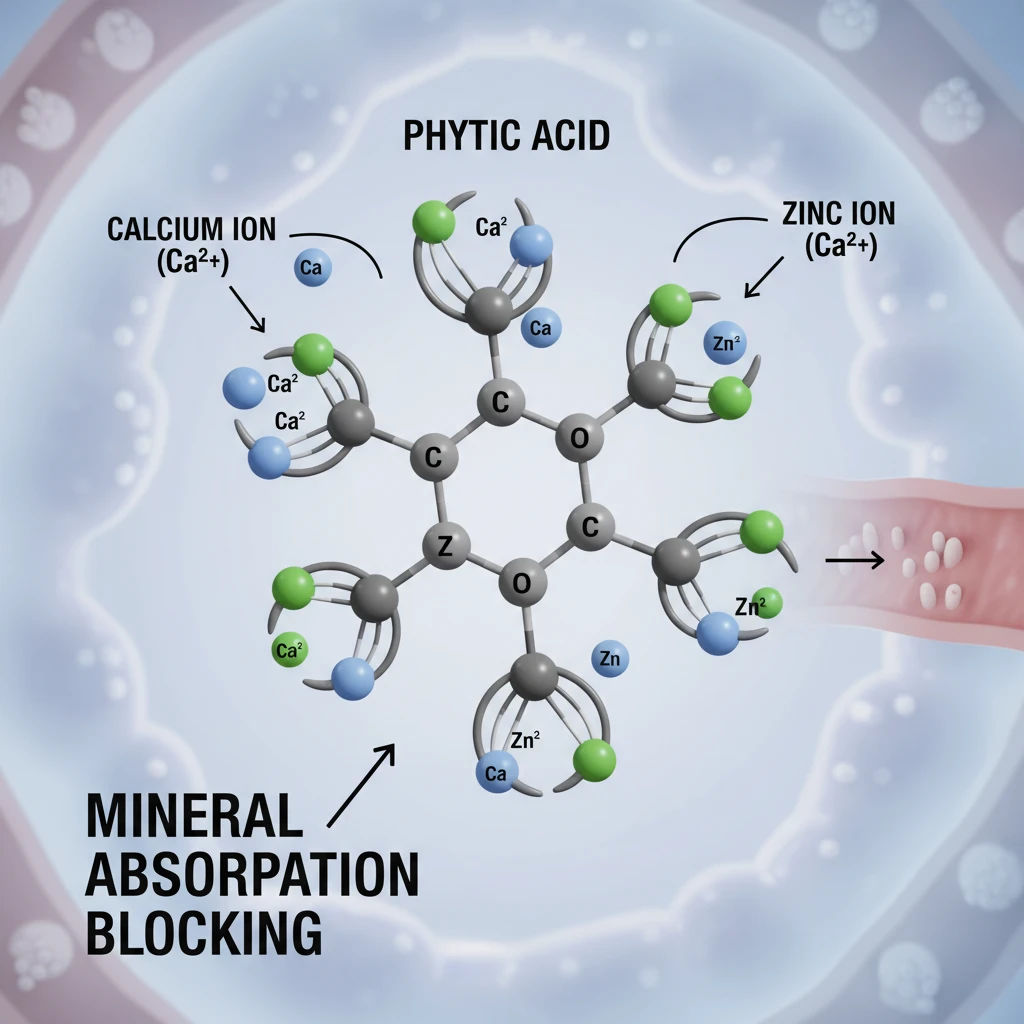
Phytates and Mineral Blocking
Soybeans have one of the highest phytate levels of any grain or legume. Phytates (phytic acid) bind to minerals like calcium, magnesium, copper, iron, and zinc in the intestinal tract, blocking their absorption. The document argues that a diet high in unfermented soy can lead to mineral deficiencies, regardless of mineral supplementation.
Trypsin Inhibitors
Soy contains potent enzyme inhibitors that block the action of trypsin and other enzymes needed for protein digestion. While heat treatment reduces these inhibitors, it does not eliminate them entirely. The critique suggests that residual inhibitors can cause gastric distress and chronic deficiencies in amino acid uptake.
Phytoestrogens
Perhaps the most controversial aspect discussed is the presence of isoflavones (genistein and daidzein), which are phytoestrogens—plant compounds that mimic human estrogen. While the industry marketed these as beneficial for menopausal symptoms, the Soy Online Service highlighted potential risks, including endocrine disruption and developmental issues in infants fed soy formula.
The Marketing Machinery Behind the Bean
The “Strategic Reconstruction” was not just about food science; it was a triumph of lobbying and public relations. The document details how the soy industry poured millions into funding research that would support health claims. This is a common practice in the food industry, but the scale regarding soy was unprecedented.
A major milestone in this strategy was the 1999 FDA approval of a health claim stating that “diets low in saturated fat and cholesterol that include 25 grams of soy protein a day may reduce the risk of heart disease.” This approval allowed manufacturers to put heart-healthy labels on everything from cereal to soy milk. The Soy Online Service and other critics argue that this approval was based on selective data, ignoring studies that showed no benefit or potential harm.
For more context on the history of agricultural marketing and government policy, resources like the United States Department of Agriculture (USDA) provide historical data on crop utilization shifts over the 20th century. Additionally, the Weston A. Price Foundation has maintained an extensive archive of the critiques similar to those found on the Soy Online Service.
Modern Implications of the Critique
Years after the publication of the “Strategic Reconstruction” summary, the landscape of soy consumption has shifted again. While soy remains a massive global commodity, consumer awareness regarding processing methods has increased. The rise of the “clean label” movement and the popularity of fermented foods suggest that the arguments made by Soy Online Service have permeated the mainstream consciousness to some degree.
Consumers are now more likely to distinguish between whole, fermented soy products (like tempeh) and highly processed soy protein isolates (often found in processed vegan meats). The “Strategic Reconstruction” succeeded in making soy a staple, but the counter-movement has forced a nuance into the conversation that did not exist in the 1990s.
Understanding this history is vital for anyone navigating the modern food landscape. It serves as a reminder that “health foods” are often defined not just by their nutrient profile, but by the marketing budgets and strategic positioning of the industries that produce them.
Conclusion
The document “Strategic Reconstruction” at http://www.soyonlineservice.co.nz/03summary.htm remains a seminal piece of literature for those critical of the industrial food system. It tells the story of how a humble legume was reinvented through science and marketing to become a pillar of the modern diet. Whether one accepts all the nutritional critiques presented by the Soy Online Service or not, the historical narrative of how the industry repositioned its product is undeniable.
For the consumer, the takeaway is vigilance. The transition of soy from an industrial oil source to a health miracle illustrates the power of “Strategic Reconstruction.” It encourages us to look past the health claims on the front of the box and understand the history, processing, and true nature of the ingredients we consume.
People Also Ask
What is the main argument of the Soy Online Service regarding soy?
The main argument is that the modern reputation of soy as a health food is the result of a “Strategic Reconstruction” by the industry to sell industrial waste products (soy protein) as human food, often ignoring potential health risks like anti-nutrients and hormonal disruption.
Is soy protein isolate considered a processed food?
Yes, soy protein isolate is a highly processed food. It is created by removing the fats and carbohydrates from soy beans, often using chemical solvents like hexane, leaving behind a nearly pure protein powder that differs significantly from whole soybeans.
What is the difference between fermented and unfermented soy?
Fermented soy (like miso, tempeh, and natto) has undergone a microbial process that reduces anti-nutrients like phytates and trypsin inhibitors. Unfermented soy (like soy milk and tofu) retains higher levels of these compounds unless heavily processed.
Why do critics call the Asian soy consumption a myth?
Critics argue it is a myth because historical data suggests Asians consumed soy in much smaller quantities than recommended in the West, and primarily in fermented forms, rather than as a primary protein replacement like soy isolate.
What are the potential dangers of phytates in soy?
Phytates (phytic acid) can bind to essential minerals such as calcium, magnesium, iron, and zinc in the digestive tract, potentially preventing the body from absorbing these nutrients and leading to mineral deficiencies.
Did the FDA approve a health claim for soy?
Yes, in 1999, the FDA approved a health claim stating that 25 grams of soy protein a day, as part of a diet low in saturated fat and cholesterol, may reduce the risk of heart disease. This decision remains a point of contention for soy critics.