
A comprehensive tofu brand comparison evaluates leading soy products based on texture, protein density, and flavor profiles to determine the best culinary application. By analyzing major brands like Nasoya, House Foods, and Hodo, consumers can select the ideal firmness for stir-fries or silken varieties for smoothies, ensuring optimal taste and nutrition.
Tofu, once relegated to the sidelines of health food stores, has exploded into the culinary mainstream. However, any seasoned cook knows that not all bean curds are created equal. Standing in the grocery aisle, you are often faced with a wall of white blocks—Nasoya, House Foods, Wildwood, Mori-Nu, and various store brands. While the basic ingredients (soybeans, water, and coagulant) remain consistent, the manufacturing processes, bean quality, and pressing techniques vary wildly. This guide provides a definitive comparison of the top tofu brands to help you stop guessing and start cooking with precision.
Understanding Tofu Variables: More Than Just Soybeans
Before diving into specific brand performance, it is critical to understand the metrics used in this comparison. Tofu is essentially soy milk curdled with a coagulant and pressed into blocks. The variables that change the end product include:
- The Coagulant: Brands typically use Calcium Sulfate (gypsum), Magnesium Chloride (nigari), or Glucono Delta Lactone (GDL). Nigari tends to produce a sweeter, more refined taste, while Calcium Sulfate adds slightly more firmness and calcium content.
- The Press: The duration and weight of the press determine the water content. “Extra Firm” varies significantly between brands; one company’s extra firm is another’s medium.
- The Bean: Non-GMO and organic soybeans are the industry standard for premium brands, affecting the earthiness and “beany” flavor of the curd.
Major Tofu Brand Comparison: The Contenders
We have analyzed the most widely available brands in the North American market. Here is how they stack up.
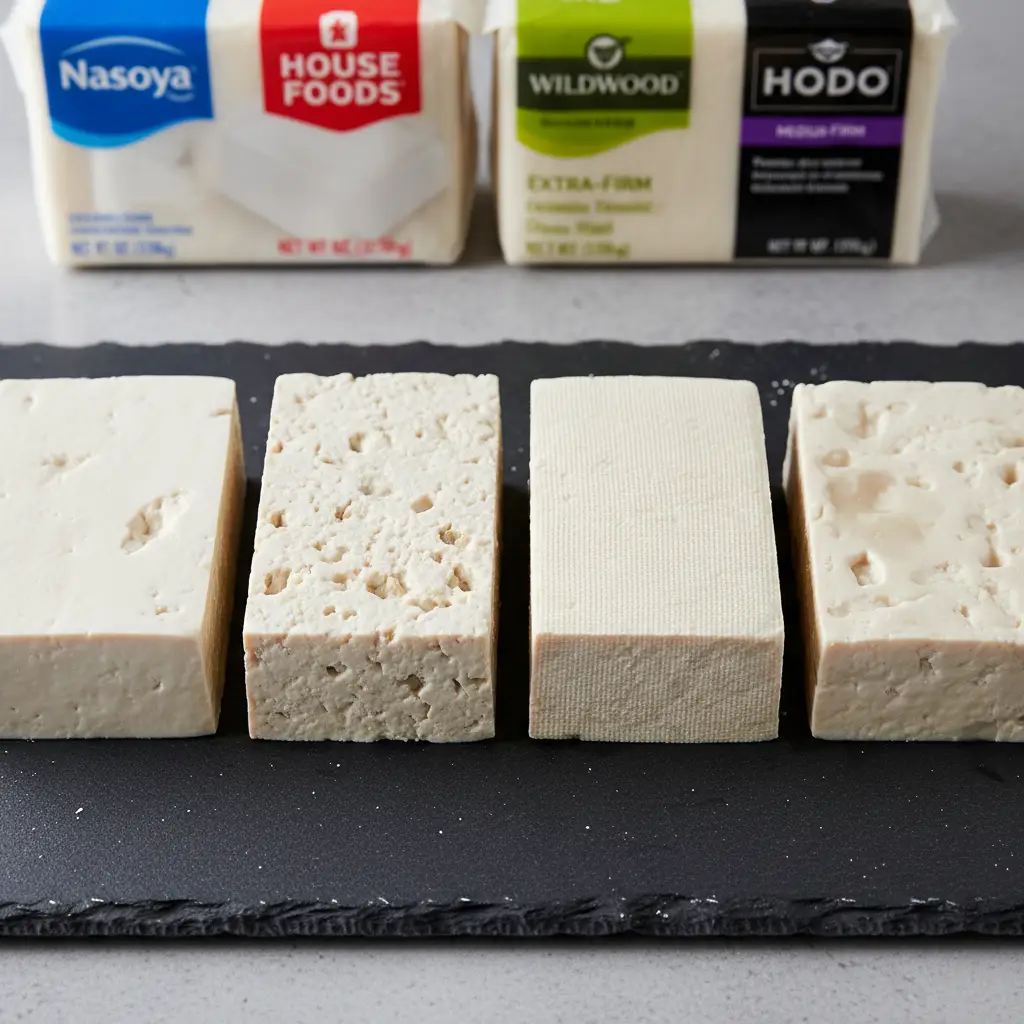
1. Nasoya
The Ubiquitous Choice. Nasoya is arguably the most recognizable brand in US supermarkets. Their product line is extensive, ranging from Silken to Super Firm.
- Pros: Widely available, reliable organic certification, and offers a “TofuPlus” line fortified with vitamins.
- Cons: Their standard “Extra Firm” tends to be softer and more water-logged than competitors. It requires significant pressing before frying.
- Verdict: A solid baseline tofu, but expect to do some work to remove moisture.
2. House Foods
The Traditionalist. A massive player in the global soy market, House Foods offers a texture that leans closer to traditional Japanese tofu.
- Pros: Excellent consistency. Their “Premium” line uses non-GMO soybeans and has a very clean, neutral flavor profile that absorbs marinades well.
- Cons: Like Nasoya, their water-packed tubs require pressing. The packaging can sometimes be difficult to open without a knife.
- Verdict: The best mid-range option for everyday soups and stews.
3. Wildwood
The Protein Powerhouse. Wildwood is a favorite among athletes and those following keto or high-protein diets.
- Pros: Their “Super Firm” high-protein tofu comes vacuum-sealed, not water-packed. This is a game-changer. It is extremely dense and requires no pressing.
- Cons: It is more expensive than water-packed varieties. The texture is so dense it can be rubbery if overcooked.
- Verdict: The absolute winner for stir-fries and grilling where structural integrity is paramount.
4. Hodo Soy
The Artisan. Based in Oakland, California, Hodo has gained a cult following for its artisanal approach.
- Pros: Incredible flavor. Hodo tofu tastes distinctly nutty and fresh, unlike the blandness of mass-market brands. It has a complex texture that is firm yet creamy.
- Cons: Premium pricing and limited distribution compared to Nasoya.
- Verdict: The best tasting tofu to eat raw or lightly dressed. It stands on its own as a dish.
5. Mori-Nu
The Pantry Staple. Mori-Nu is famous for its aseptic (shelf-stable) packaging.
- Pros: You can store it in the cupboard for months. It has a uniquely smooth, custard-like texture, even in the “firm” variety.
- Cons: It lacks the porous structure needed to absorb marinades. It is fragile and breaks easily.
- Verdict: Unbeatable for smoothies, purees, and miso soup, but poor for stir-frying.
Texture and Firmness Analysis
Texture is the primary complaint among tofu skeptics. In our comparison, we found a distinct divide between water-packed and vacuum-packed options.
Water-Packed (Nasoya, House Foods): These blocks are like sponges. They are porous and hold a significant amount of water. While this makes them softer, it also means they steam from the inside out when cooked, preventing a crispy crust unless thoroughly pressed. For detailed information on food science and texture, resources like Serious Eats or similar culinary authorities often highlight the importance of moisture reduction in Maillard reactions.
Vacuum-Packed (Wildwood, Trader Joe’s High Protein): These are mechanically pressed to a much higher degree. The texture is meaty and chewy. In a blind taste test, the vacuum-packed varieties scored highest for “meat-like mouthfeel” but lowest for “ability to absorb marinade” simply because there is no room left in the curd for liquid to enter.
Flavor Profiles and Ingredient Quality
While tofu is known as a flavor sponge, the base product does have a taste.
Hodo presented the strongest “soy” flavor—rich, creamy, and nutty. This is likely due to the higher concentration of soy solids and traditional coagulation methods.
House Foods and Nasoya were the most neutral, bordering on flavorless. This isn’t necessarily a negative; if you are making a chocolate mousse or a heavily spiced mapo tofu, a neutral base is preferred.
Mori-Nu has a distinct mineral aftertaste, likely due to the Glucono Delta Lactone used to ensure shelf stability.
Nutritional Breakdown by Brand
For many consumers, protein density is the deciding factor. Here is a comparison based on a standard 3oz (85g) serving:
- Wildwood Super Firm: ~14g Protein. Highest density.
- Trader Joe’s High Protein: ~14g Protein. Comparable to Wildwood.
- Hodo Firm: ~11g Protein. High density for a water-packed tofu.
- Nasoya Extra Firm: ~9g Protein. Lower density due to higher water content.
- House Foods Premium Extra Firm: ~8g Protein.
- Mori-Nu Firm: ~6g Protein.
If your goal is macronutrient efficiency, the vacuum-packed varieties are superior. They provide roughly 50% more protein per bite than standard water-packed blocks. For more on the health benefits of soy protein, you can refer to the FDA’s guidelines and heart health.
Best Tofu Brands for Specific Applications
To achieve culinary success, you must match the brand to the method.
Best for Stir-Fry and Crispy Tofu
Winner: Wildwood Super Firm / Trader Joe’s High Protein.
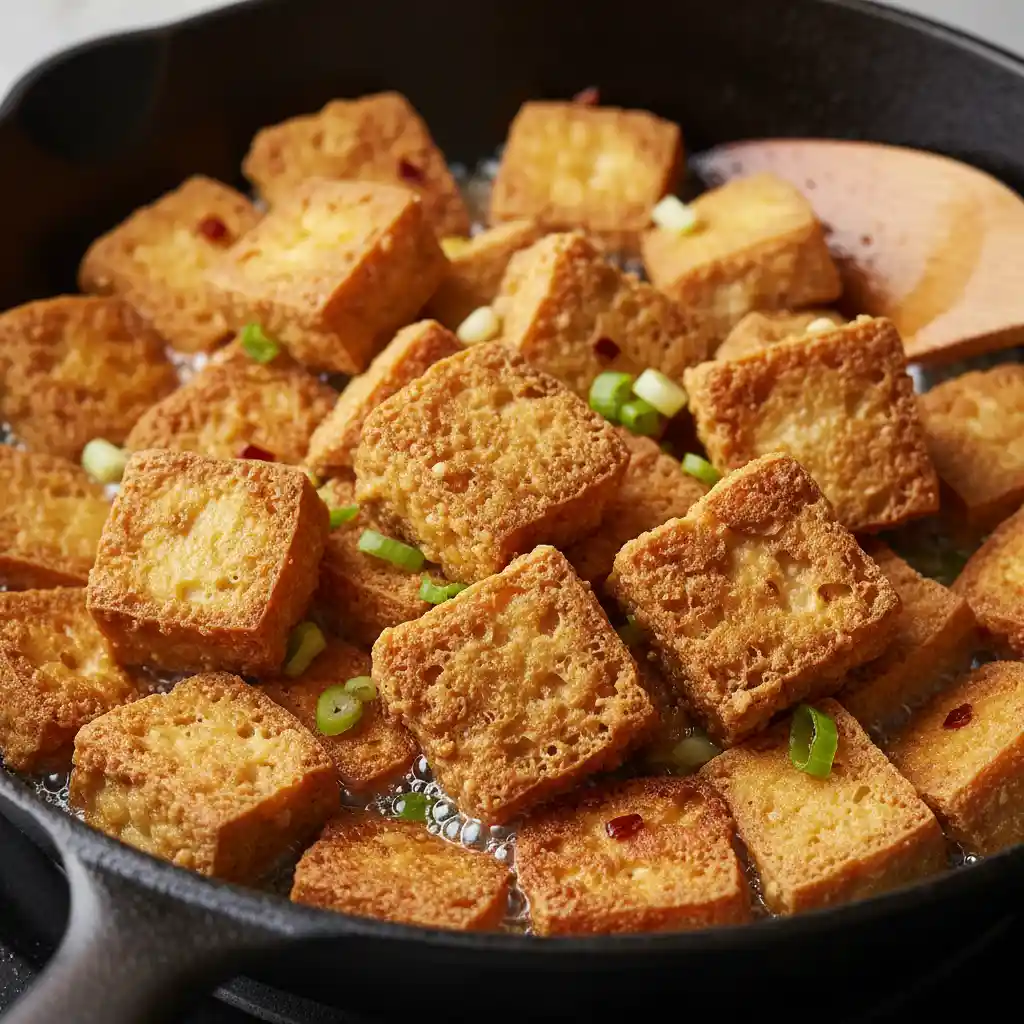
Because these contain so little water, they crisp up immediately in hot oil. They do not fall apart in the wok, even with vigorous tossing.
Best for Scrambles
Winner: Nasoya Firm or Extra Firm.
For a tofu scramble, you want a texture that mimics soft scrambled eggs. The vacuum-packed brands are too hard for this. Nasoya’s slightly softer “Extra Firm” crumbles perfectly into curds that retain just enough moisture to be fluffy, not dry.
Best for Soups (Miso/Hot and Sour)
Winner: House Foods Soft or Medium.
House Foods excels at softer textures. Their soft tofu holds its shape in broth but melts in your mouth, providing the classic soup experience found in Japanese restaurants.
Best for Desserts and Smoothies
Winner: Mori-Nu Silken.
The ultra-smooth, non-porous texture of Mori-Nu blends seamlessly into puddings, dressings, and smoothies without leaving any graininess.
Storage, Shelf Life, and Packaging
Packaging technology significantly impacts how you buy and store tofu.
Shelf Stability: Mori-Nu is the undisputed king here. It requires no refrigeration until opened, making it ideal for camping trips or emergency food supplies.
Refrigerator Life: Vacuum-packed tofu (Wildwood) generally has a longer use-by date than water-packed tubs because there is less water activity to encourage bacterial growth. Once opened, however, all tofu should be submerged in water in an airtight container and used within 3 to 5 days, changing the water daily to maintain freshness.
Ease of Use: The peel-back plastic films on Nasoya and House Foods are notoriously difficult to open cleanly. Hodo and Wildwood often use easier-to-open vacuum seals, though they can sometimes be messy if the seal is tight.
Conclusion: Choosing Your Staple
There is no single “best” tofu brand, but there is certainly a best brand for your specific dinner plans. If you are looking for a high-protein meat substitute that requires zero prep work, Wildwood or Trader Joe’s High Protein are the clear winners. They offer convenience and structural integrity that water-packed brands cannot match.
However, for traditional applications, soups, or dishes where the tofu needs to absorb complex sauces, House Foods and Nasoya remain staples for a reason. And for the gourmand who appreciates the subtle, nutty flavor of fresh soy, Hodo is worth the premium price tag.
By understanding the correlation between packaging, firmness, and protein density, you can stop treating tofu as a generic commodity and start utilizing it as the versatile, dynamic ingredient it is.
Frequently Asked Questions
What is the best tasting tofu brand?
For pure flavor, Hodo Soy is widely considered the best tasting brand. Unlike mass-market options, Hodo produces artisanal tofu with a distinct, rich, and nutty soybean flavor that is delicious enough to be eaten raw or with minimal seasoning.
Which tofu brand is the firmest?
Wildwood Super Firm and Trader Joe’s High Protein Tofu are the firmest options on the market. They are vacuum-packed rather than water-packed, resulting in a dense, meaty texture that does not require pressing before cooking.
Is there a difference between organic and non-organic tofu?
Yes. Organic tofu is made from non-GMO soybeans grown without synthetic pesticides. Many consumers find that organic tofu, such as that from Nasoya or Hodo, has a cleaner, earthier flavor compared to conventional tofu, in addition to the environmental benefits.
Do I need to press all brands of tofu?
No. You do not need to press vacuum-packed tofu brands like Wildwood or Trader Joe’s High Protein, as they have very low water content. However, water-packed brands like Nasoya and House Foods (even Extra Firm varieties) should be pressed to improve texture and absorption.
Which tofu is best for beginners?
Nasoya Extra Firm is the best for beginners due to its widespread availability and versatility. It is forgiving to cook with and works well in scrambles, stir-fries, and baked dishes, making it a great entry point for experimenting with soy.
Why is shelf-stable tofu different from refrigerated tofu?
Shelf-stable tofu, like Mori-Nu, is packaged in aseptic boxes that keep out light and air. It is often smoother and silkier than refrigerated tofu because it is coagulated right inside the box, but it is generally more fragile and less porous.