
New Zealand’s culinary landscape is undergoing a significant transformation. Traditionally known as a nation built on dairy and lamb, the Kiwi kitchen is increasingly embracing plant-based proteins. Among these, soy products like tofu, tempeh, and soy milk have emerged as versatile staples. Whether you are a lifelong vegetarian, a flexitarian looking to reduce meat consumption, or simply a food enthusiast eager to experiment, mastering soy cookery offers a pathway to nutritious, sustainable, and flavourful meals.
Tofu recipes NZ refers to the adaptation of traditional New Zealand cuisine using soy-based proteins, specifically tailoring textures and flavours to suit the local palate. To successfully incorporate tofu into Kiwi meals, home cooks must utilize techniques like pressing firm tofu for meatier textures in pies and stir-fries, while employing silken varieties for dairy-free baking alternatives.
Classic NZ Dishes Reimagined with Soy
The true test of any alternative protein in New Zealand is how well it performs in the classics. Kiwi comfort food is defined by savoury richness, flaky pastry, and hearty textures. Soy products, particularly firm tofu and Textured Vegetable Protein (TVP), are uniquely suited to replicate these characteristics when treated with the right culinary techniques.
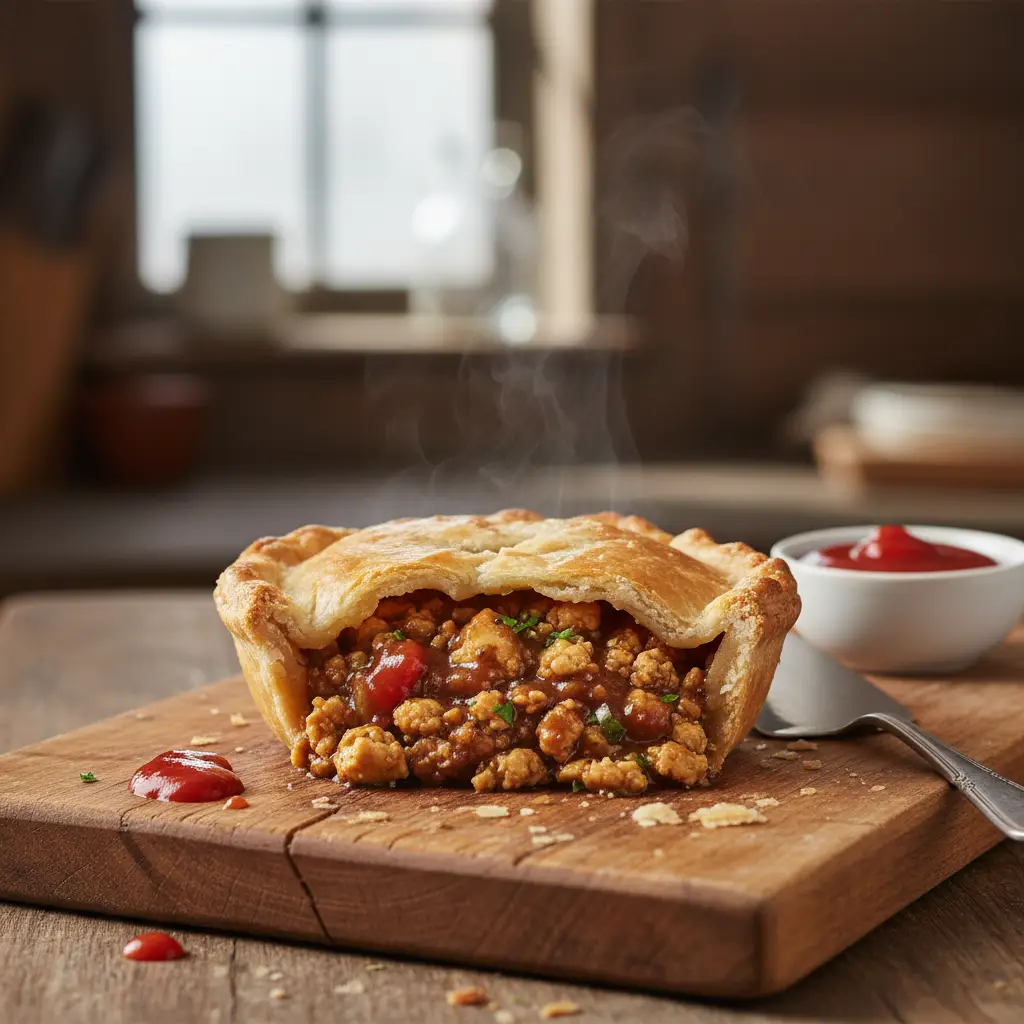
The Plant-Based “Mince” and Cheese Pie
The mince and cheese pie is an icon of New Zealand gastronomy. Recreating this using soy requires focusing on the “umami” profile. Instead of beef mince, the definitive soy version utilizes a combination of frozen firm tofu (grated) and dark soy sauce.
The Technique: Freezing a block of firm tofu before thawing and pressing it changes the cellular structure, making it spongier and more absorbent. Once grated, this tofu mimics the texture of ground meat. To achieve the signature depth of flavour, sauté the tofu crumbs with onion, garlic, and a teaspoon of Marmite or yeast extract—a secret weapon in NZ pantries for adding savoury richness. Simmer this mixture in a rich vegetable stock thickened with cornflour until it achieves a glossy, gravy-like consistency. For the “cheese” element, a savoury soy-based béchamel or a high-quality dairy-free cheddar alternative completes the filling before it is encased in flaky pastry.
Beer-Battered Tofu “Fish” and Chips
Friday night takeaways are a ritual, but the traditional fish and chips can be heavy. Tofu offers a lighter, ocean-friendly alternative that does not compromise on the crunch. The key here is flavour infusion.
The Preparation: Use firm tofu cut into fillets. To replicate the taste of the ocean, marinate the tofu slices in a mixture of lemon juice, caper brine, and crushed nori sheets (seaweed) for at least four hours. The seaweed imparts a natural saline, fish-like flavour. When ready to cook, dip the fillets in a batter made from flour, baking powder, and a classic New Zealand lager. The carbonation in the beer ensures the batter puffs up and becomes incredibly crispy when deep-fried. Serve with kumara chips and a wedge of lemon for an authentic Kiwi experience.
Quick and Easy Weeknight Soy Meals
Modern New Zealand families require meals that are nutritious, affordable, and quick to prepare. Tofu and tempeh are excellent protein sources that cook faster than most meats, making them ideal for the busy 5:30 PM rush.
Roast Kumara and Smoked Tofu Salad
This dish celebrates the sweet, earthy flavour of Kumara (New Zealand sweet potato) paired with the density of smoked tofu. Smoked tofu is readily available in NZ supermarkets and requires no cooking, though pan-frying it briefly enhances its texture.
Cube gold or orange kumara and roast until caramelized. While the kumara is warm, toss it with baby spinach, toasted pine nuts, and cubes of smoked tofu. The dressing is crucial here; a vinaigrette made from olive oil, wholegrain mustard, and a dash of maple syrup ties the smokiness of the tofu to the sweetness of the kumara. This dish serves as a robust main course or a perfect side for a summer BBQ.
Soy Glazed Tofu Stir-fry with Manuka Honey
Asian-fusion cuisine has a strong foothold in New Zealand. A sticky soy glaze utilizing local Manuka honey creates a perfect balance of sweet and savoury.
Start by coating cubes of firm tofu in cornflour and pan-frying them until they form a crispy skin. Remove them from the wok and stir-fry seasonal vegetables—broccoli, capsicum, and bok choy are excellent choices. Return the tofu to the pan and pour over a sauce made from soy sauce, grated ginger, garlic, sesame oil, and a generous tablespoon of NZ Manuka honey. The honey not only sweetens the dish but also helps the sauce cling to the tofu, ensuring every bite is flavourful. Serve over steamed jasmine rice or udon noodles.
Soy in Baking and Desserts
Baking is ingrained in New Zealand culture, from school gala treats to morning teas. Soy products, particularly silken tofu and soy milk, are chemical marvels in the world of egg-free and dairy-free baking. They provide structure, moisture, and emulsification properties that are essential for successful desserts.

The Impossible Soy Pavlova
The Pavlova is perhaps the most contentious dessert in the trans-Tasman rivalry, but it is undeniably a Kiwi staple. Traditionally made with egg whites, a vegan version seemed impossible until the discovery of aquafaba—the viscous liquid found in a can of chickpeas or soy beans.
While chickpea liquid is common, the liquid from canned soy beans (if available) or reduced soy protein isolates can also whip into a meringue. However, for a soy-centric twist on the toppings, we look to the cream. Coconut cream is a standard alternative, but whipped silken tofu blended with vanilla bean paste and a touch of icing sugar creates a high-protein, low-fat topping that mimics the texture of heavy cream without the heaviness. Pile this onto your meringue base and top with kiwifruit and strawberries for a guilt-free national dish.
Dairy-Free Soy Milk Custard Squares
Custard squares (or vanilla slices) are a bakery favourite. The challenge in a plant-based version is getting the custard to set firm enough to slice.
Soy milk is the preferred plant milk for custard because of its high protein content, which helps with setting and browning. To make the filling, heat soy milk with vanilla and turmeric (for colour). Whisk in a mixture of sugar, cornflour, and agar powder (a seaweed-based gelatin substitute). The combination of cornflour and agar ensures the custard holds its shape at room temperature. Sandwich this thick, creamy filling between two sheets of puff pastry (many commercial brands in NZ are accidentally vegan) and top with a lemon icing. The result is indistinguishable from the dairy-laden original.
Tips for Cooking with Tofu and Tempeh
Many New Zealanders are hesitant to cook with tofu because of previous experiences with bland or soggy dishes. The secret lies not in the ingredient itself, but in the preparation. Treating soy products with the same respect and technique as high-quality meat is essential for success.
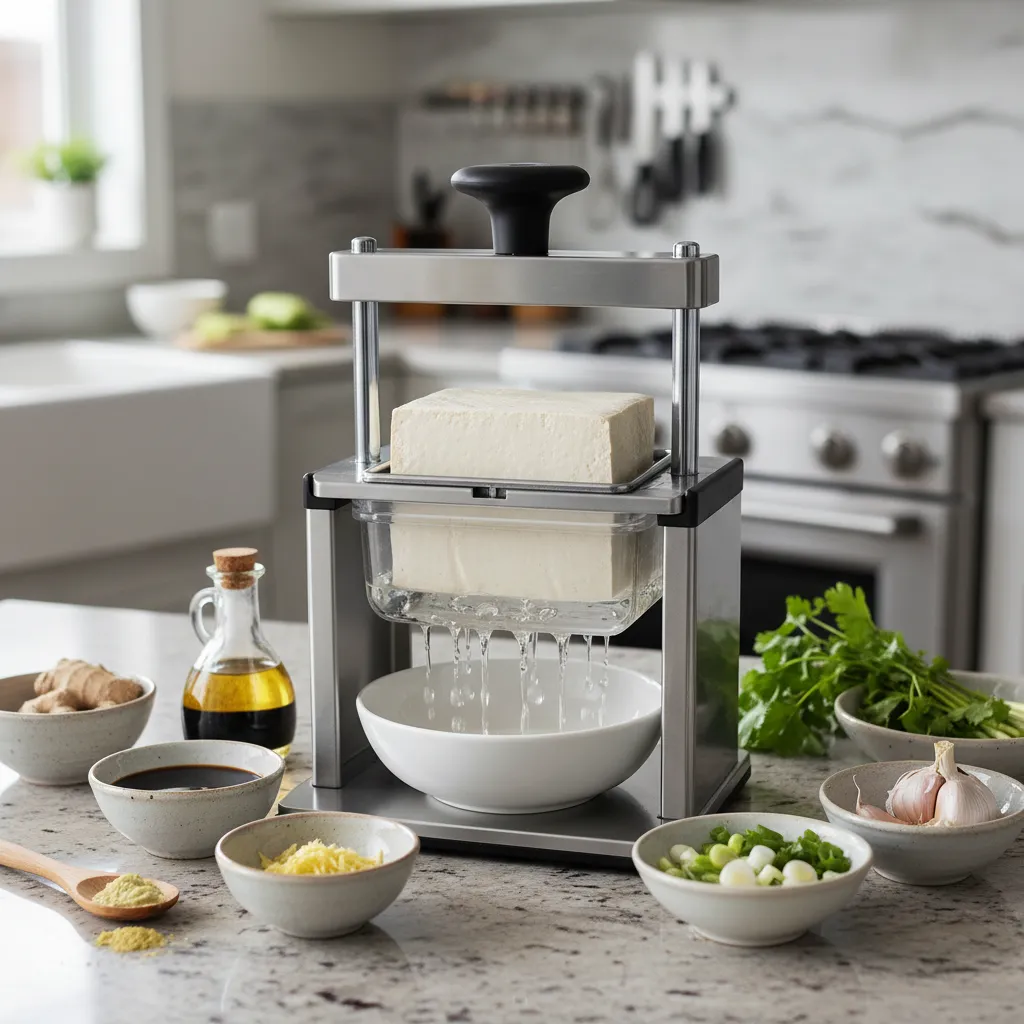
The Importance of Pressing
Tofu is packaged in water to keep it fresh, but this water is the enemy of flavour absorption. Think of tofu like a sponge; if it is full of water, it cannot absorb marinade. For any recipe requiring firm tofu (stir-fries, baking, grilling), you must press it. Wrap the block in a clean tea towel and place a heavy object, such as a cast-iron skillet or a stack of cookbooks, on top for at least 30 minutes. This compresses the curd and expels moisture, resulting in a chewier, meatier texture that crisps up beautifully.
Marinating Magic
Unlike meat, which can sometimes be toughened by acidic marinades, tofu is resilient. It has a neutral flavour profile, making it the perfect canvas for bold NZ flavours. For a deep flavour infusion, prick the tofu block with a fork before marinating. Allow it to sit in the liquid for at least an hour, or preferably overnight. Ingredients like soy sauce, garlic, ginger, lemon zest, and horopito (native NZ pepper tree) work exceptionally well.
Tempeh: The Fermented Superfood
Tempeh is made from fermented whole soy beans and has a nuttier, earthier flavour and a firmer texture than tofu. It is less processed and higher in fibre. In New Zealand kitchens, tempeh works brilliantly as a bacon substitute. Thinly slice the tempeh and marinate it in liquid smoke, maple syrup, and paprika, then fry until crisp. This “facon” can be used in Caesar salads, sandwiches, or alongside a Sunday breakfast fry-up.
For more detailed information on the nutritional benefits of soy products and how they fit into a balanced diet, you can refer to the New Zealand Ministry of Health guidelines or explore resources on Healthline regarding soy consumption.
Frequently Asked Questions
What is the best tofu brand available in New Zealand?
While preferences vary, brands like Tonzu and Bean Supreme are highly regarded in New Zealand. Tonzu offers organic, traditional style tofu that is excellent for pressing, while Bean Supreme provides a wide range of marinated and firm tofu options readily available in most supermarkets.
Can I freeze tofu to change its texture?
Yes, freezing tofu is a popular technique to alter its texture. When tofu freezes, the water inside expands and forms ice crystals. Upon thawing, these crystals drain away, leaving small pockets that give the tofu a spongy, chewy, and meat-like texture, perfect for soaking up sauces.
Is soy milk suitable for making coffee in NZ?
Absolutely. Soy milk is a favourite among NZ baristas because it creates a creamy, stable micro-foam similar to dairy milk. However, it is important to use a “barista blend” soy milk to prevent curdling when added to acidic coffee.
How do I make crispy tofu without a deep fryer?
To achieve crispy tofu without deep frying, press the tofu to remove excess moisture, cut it into cubes, and toss them in cornflour (cornstarch). Pan-fry in a generous amount of oil over medium-high heat, or bake in the oven at 200°C for 25-30 minutes, flipping halfway through.
What is the difference between silken and firm tofu?
Silken tofu has a high water content and a custard-like texture, making it ideal for smoothies, puddings, and egg replacements in baking. Firm tofu has been pressed to remove water, holding its shape well for stir-fries, grilling, and curries.
Are there gluten-free soy sauce options in NZ?
Yes, Tamari is a type of soy sauce that is traditionally made without wheat and is widely available in New Zealand. Always check the label to ensure it is certified gluten-free if you have an intolerance or celiac disease.