
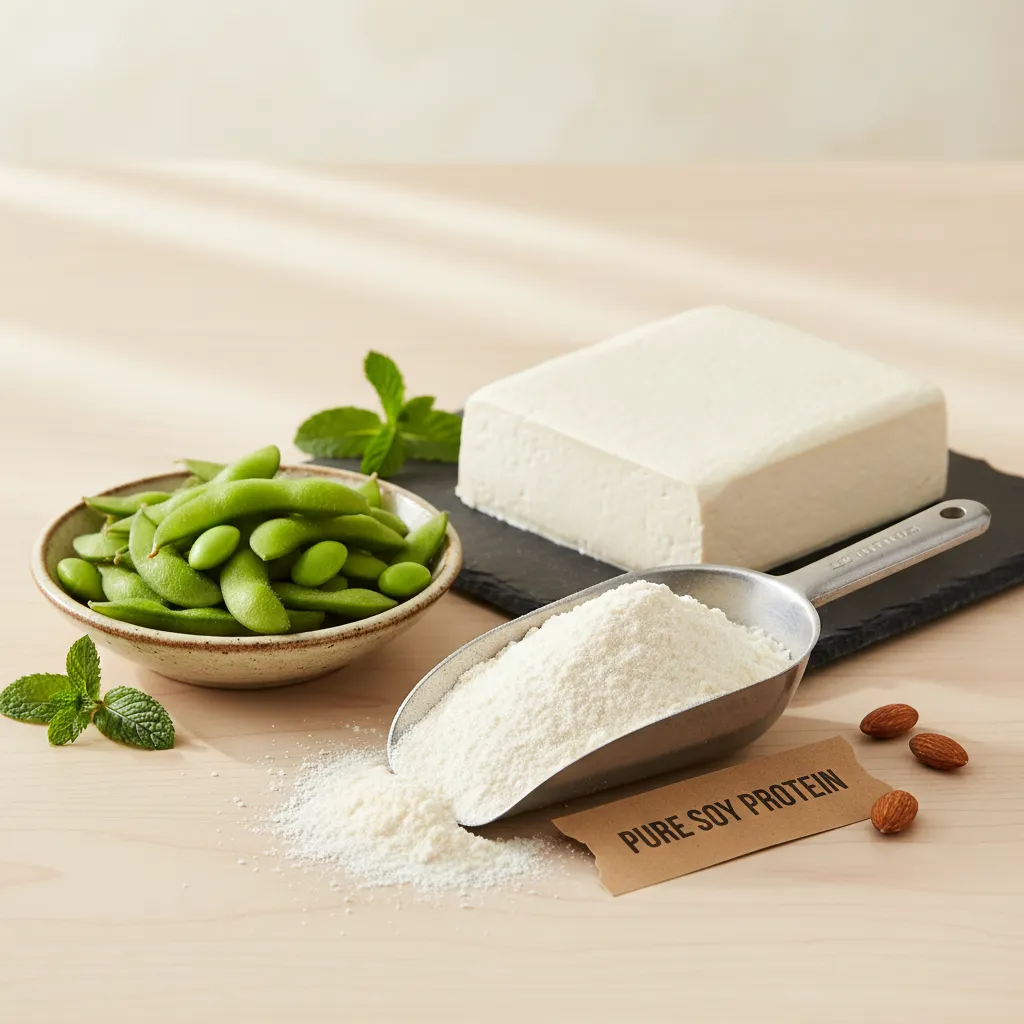
Soy protein benefits encompass a wide range of clinically proven health advantages, including enhanced muscle synthesis through a complete amino acid profile, improved cardiovascular health via cholesterol reduction, and increased bone density. As one of the few plant-based complete proteins, soy serves as a vital, high-quality dietary staple for vegans, vegetarians, and health-conscious individuals seeking to optimize their nutrition.
The Nutritional Powerhouse: Understanding Soy Protein
In the evolving landscape of global nutrition, few ingredients have garnered as much attention—and scrutiny—as the humble soybean. Particularly in New Zealand, where the demand for sustainable, plant-based nutrition is reaching unprecedented heights, understanding the science behind soy is essential. Soy protein is derived from the soybean plant (Glycine max) and stands distinct in the plant kingdom. Unlike most other legumes and grains, soy is a “complete” protein.
To understand why this matters, one must look at amino acids, the building blocks of life. There are twenty amino acids the human body uses to build proteins, but nine of these are considered “essential” because the body cannot synthesize them on its own; they must be obtained through diet. While animal proteins naturally contain all nine, most plant sources are deficient in one or more. Soy is the exception. It provides a balanced profile of histidine, isoleucine, leucine, lysine, methionine, phenylalanine, threonine, tryptophan, and valine.
Beyond its protein content, soy is rich in vitamins, minerals, and insoluble fiber. However, its most unique components are isoflavones—a class of phytochemicals that function as potent antioxidants. These compounds are responsible for many of the specific health benefits discussed in this guide.
Soy Protein and Muscle Growth: A Complete Amino Acid Profile
For decades, the fitness industry was dominated by whey and casein. However, modern sports nutrition research has firmly established soy protein as a formidable contender for muscle hypertrophy and repair. The efficacy of a protein source is often measured by the Protein Digestibility Corrected Amino Acid Score (PDCAAS), which evaluates protein quality based on human amino acid requirements and their ability to be digested.
The PDCAAS Gold Standard
Soy protein isolate holds a PDCAAS of 1.0, the highest possible score. This places it on par with milk, egg whites, and casein. This score signifies that soy protein provides amino acids in the exact proportions required by the human body and is highly digestible. For athletes and bodybuilders in New Zealand looking to diversify their protein intake without sacrificing quality, this is a crucial metric.
Leucine and Muscle Synthesis
Muscle protein synthesis (MPS) is the biological process of building new muscle mass. The primary trigger for MPS is the amino acid leucine. While whey protein is traditionally cited as having the highest leucine content, soy protein contains a significant amount—enough to trigger robust MPS when consumed in appropriate quantities. Studies have shown that when matched for leucine content, soy protein stimulates muscle growth effectively, making it an excellent option for post-workout recovery.
Time-Release Absorption
Protein absorption rates vary. Whey is absorbed rapidly, while casein is slow-digesting. Soy protein occupies a unique middle ground. It digests at a moderate rate, providing a sustained release of amino acids into the bloodstream. This makes it versatile; it is effective immediately after a workout but also useful as a general meal replacement to maintain an anabolic state throughout the day.
Impact of Soy on Heart Health and Cholesterol
Cardiovascular disease remains a leading cause of mortality globally. One of the most well-documented soy protein benefits is its positive impact on heart health. This relationship is so strong that various health organizations worldwide have acknowledged the correlation between soy consumption and reduced heart disease risk.
Lowering LDL Cholesterol
High levels of Low-Density Lipoprotein (LDL), often termed “bad” cholesterol, can lead to plaque buildup in arteries (atherosclerosis). A meta-analysis of randomized controlled trials has demonstrated that soy protein supplementation significantly reduces serum concentrations of total cholesterol, LDL cholesterol, and triglycerides. The mechanism behind this is believed to be twofold: the protein itself may alter cholesterol metabolism in the liver, and the naturally occurring isoflavones may improve arterial flexibility.
Blood Pressure Regulation
Beyond cholesterol, soy may assist in managing hypertension. Soy protein contains peptides (small chains of amino acids) that mimic the action of ACE inhibitors, a class of medication used to treat high blood pressure. By inhibiting the angiotensin-converting enzyme, these bioactive peptides help relax blood vessels, improving blood flow and reducing strain on the heart.
According to the American Heart Association, replacing foods high in saturated fat (like red meat) with soy options can have a compounding positive effect on cardiovascular health, not just by adding beneficial nutrients, but by displacing harmful ones.
Soy and Bone Density: What the Research Says
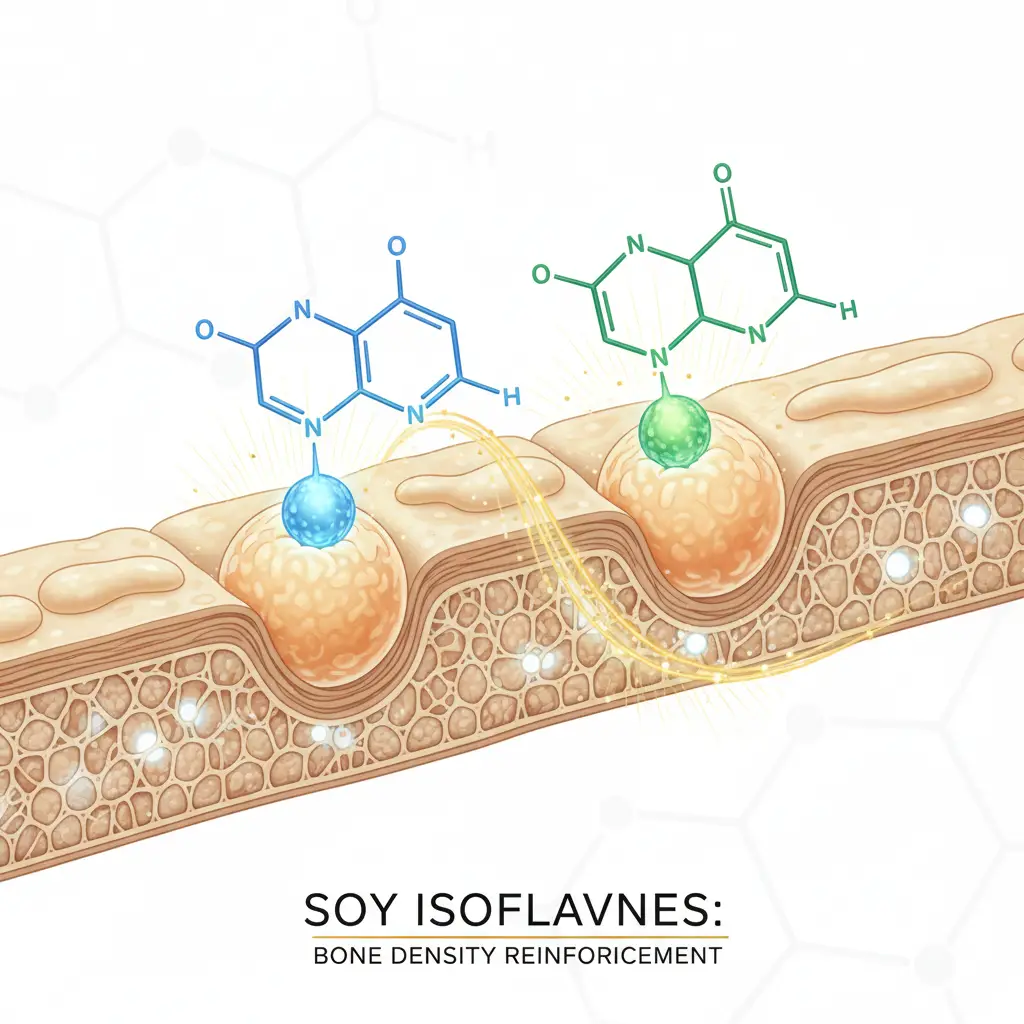
As we age, bone mineral density (BMD) naturally declines, increasing the risk of osteopenia and osteoporosis, particularly in post-menopausal women. This demographic experiences a sharp drop in estrogen, a hormone crucial for maintaining bone mass. This is where the unique properties of soy isoflavones—specifically genistein and daidzein—come into play.
The Role of Isoflavones
Isoflavones are phytoestrogens, plant-derived compounds that have a chemical structure similar to human estrogen. However, they are not estrogen. They bind to estrogen receptors in the body but with much weaker effects. In the context of bone health, these isoflavones can mimic the bone-sparing effects of estrogen.
Research indicates that regular consumption of soy protein containing isoflavones can slow the loss of bone mass in the lumbar spine and hips of post-menopausal women. While soy should not replace medical treatments for osteoporosis, it serves as a powerful preventative dietary strategy. For New Zealanders, who generally have active lifestyles but face aging populations, integrating soy milk, tofu, or fortified protein powders can be a proactive measure for long-term skeletal health.
Weight Management and Metabolic Benefits
In the battle against obesity, protein is a critical ally. Soy protein, in particular, offers specific advantages for those seeking to lose fat while maintaining lean muscle mass.
Satiety and Appetite Control
Protein is the most satiating macronutrient, meaning it keeps you feeling fuller for longer compared to carbohydrates or fats. Soy protein has been shown to modulate appetite-regulating hormones such as ghrelin and GLP-1. By stabilizing blood sugar levels and preventing insulin spikes, soy protein shakes or snacks can prevent the mid-afternoon cravings that often derail diet plans.
Thermic Effect of Food (TEF)
The body expends more energy digesting protein than it does digesting fats or carbs. This is known as the Thermic Effect of Food. By increasing the protein percentage of your diet with soy, you naturally boost your metabolic rate. Furthermore, because soy supports lean muscle retention during a caloric deficit, it prevents the metabolic slowdown that typically accompanies weight loss.
Dispelling Myths: Soy, Hormones, and Safety
Despite the overwhelming evidence supporting soy protein benefits, myths persist. Most of these revolve around the concept of phytoestrogens and their alleged impact on hormonal balance. It is vital to separate internet hearsay from clinical consensus.
Myth: Soy Lowers Testosterone in Men
This is perhaps the most pervasive myth. The fear is that because isoflavones are phytoestrogens, they will feminize men. Comprehensive reviews of clinical data have repeatedly debunked this. A meta-analysis published in Fertility and Sterility analyzed dozens of studies and found that neither soy foods nor isoflavone supplements alter measures of bioavailable testosterone concentrations in men. High-performance male athletes can consume soy protein without fear of hormonal disruption.
Myth: Soy Causes Breast Cancer
Historically, there was concern that phytoestrogens might stimulate the growth of estrogen-sensitive breast cancer cells. However, current research suggests the opposite may be true. In Asian populations where soy consumption is high from childhood, breast cancer rates are significantly lower than in Western populations. The American Cancer Society notes that consuming soy foods is safe and may even lower the risk of breast cancer recurrence. The key distinction is that phytoestrogens bind to estrogen receptors differently than human estrogen, often acting as a blocker against the more potent endogenous hormones.
Choosing Quality Soy Products in New Zealand
Not all soy is created equal. To maximize the health benefits, one must consider the source and processing of the soy protein.
Isolate vs. Concentrate
- Soy Protein Isolate: This is the most refined form, containing about 90-95% protein. It has very little fat or carbohydrate and is the best choice for a post-workout shake where rapid absorption and purity are required.
- Soy Protein Concentrate: This contains about 70% protein and retains more of the bean’s fiber. It is excellent for general health, baking, and meal replacements as the fiber aids in digestion.
The Importance of Non-GMO
New Zealand maintains high standards for food quality. When selecting soy products, look for Non-GMO (Genetically Modified Organism) certification. While the scientific consensus on GMO safety is still evolving, choosing non-GMO soy ensures you are consuming a product closer to its natural state, often with fewer pesticide residues. Whole food sources like Edamame, Tempeh, and Miso are also excellent ways to get soy protein along with beneficial probiotics (in the case of fermented options).

Conclusion
The verdict on soy protein is clear: it is a nutritional powerhouse capable of supporting elite athletic performance, promoting cardiovascular longevity, and protecting bone health. By offering a complete amino acid profile and unique bioactive compounds like isoflavones, soy stands as a superior plant-based protein choice.
Whether you are a bodybuilder looking to diversify your nitrogen sources, a post-menopausal woman seeking bone protection, or simply someone wanting to improve their heart health, incorporating high-quality soy protein into your diet is a scientifically sound strategy. As the New Zealand market continues to embrace plant-based living, soy remains a versatile, sustainable, and proven foundation for a healthy life.
People Also Ask
Is soy protein good for you every day?
Yes, consuming soy protein daily is safe and beneficial for most people. The FDA and other health organizations recognize 25 grams of soy protein a day as part of a diet low in saturated fat and cholesterol to help reduce the risk of heart disease.
Does soy protein affect testosterone levels in men?
No. Extensive clinical research and meta-analyses have shown that neither soy foods nor soy protein supplements lower testosterone levels or increase estrogen levels in men. It is considered safe for male consumption.
Is soy protein better than whey protein?
It depends on your goals and dietary restrictions. Whey digests faster and has slightly higher leucine content, making it marginally better for immediate synthesis. However, soy is a complete plant protein, equals whey in long-term muscle building, offers heart health benefits, and is suitable for vegans and those with lactose intolerance.
Can soy protein help with weight loss?
Yes. Soy protein is high in protein and fiber (in whole forms), which promotes satiety and reduces overall calorie intake. Its high thermic effect also helps boost metabolism, aiding in fat loss while preserving lean muscle tissue.
What are the potential side effects of soy protein?
Soy is generally safe, but some individuals may experience mild digestive issues such as bloating or constipation, especially if they are not used to high-fiber foods. Those with a soy allergy must avoid it. People with thyroid issues should consult a doctor, as soy can interfere with thyroid medication absorption if not timed correctly.
Is soy protein safe for women who have had breast cancer?
Current research from major cancer organizations indicates that moderate consumption of soy foods is safe for breast cancer survivors. The isoflavones in soy may potentially reduce the risk of recurrence, though supplements should be discussed with an oncologist.