
Water Usage: The Deep Dive into Dairy Milk vs. Soy Milk
As global water scarcity becomes an increasingly urgent crisis, consumers are looking toward their diets to reduce their environmental impact. One of the most significant shifts in recent years has been the move from traditional bovine dairy to plant-based alternatives. Among these, the water footprint soy milk provides is often cited as a benchmark for sustainability. In this comprehensive analysis, we explore the intricate details of water consumption in the production of both dairy and soy milk, providing a data-driven perspective on why your choice of beverage matters for the planet’s hydration.
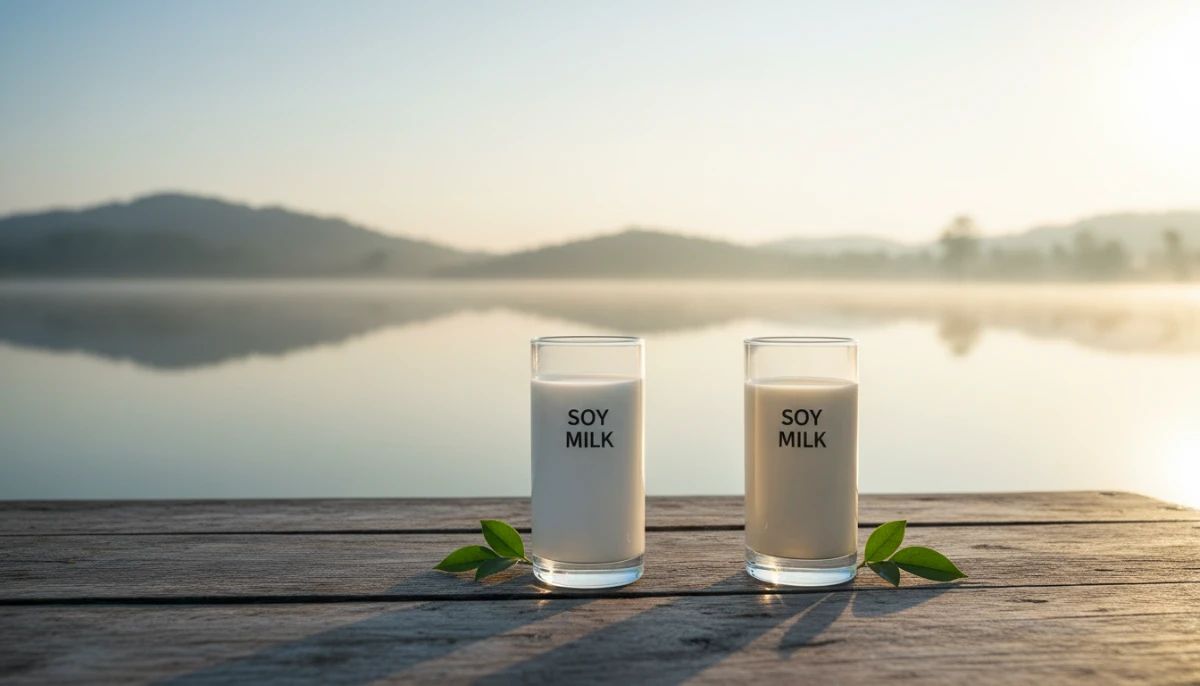
1. Understanding the Water Footprint Concept
To accurately assess the water footprint soy milk or dairy milk entails, we must first understand how water usage is calculated. The Water Footprint Network categorizes usage into three distinct types: Green, Blue, and Grey water. Green water refers to the precipitation that is stored in the root zone of the soil and evaporated, transpired, or incorporated by plants. Blue water is the volume of surface and groundwater consumed during the production of a product. Grey water is the volume of freshwater required to assimilate the load of pollutants based on existing ambient water quality standards.
When we discuss the environmental impact of beverages, we are looking at the ‘virtual water’—the total volume of water used throughout the entire supply chain. This includes the water drunk by the animals, the water used to grow their feed, and the water used in the processing and cleaning facilities. For crops like soy, it involves irrigation and the processing of the beans into a liquid state. By breaking down these components, we gain a professional and transparent view of how much pressure each industry puts on our global water reservoirs.
2. The Enormous Thirst of Dairy Production
Dairy production is notoriously water-intensive. The primary driver of this high water footprint is not actually the water the cow drinks, though that is substantial. Rather, it is the water required to grow the massive amounts of feed needed to sustain a lactating cow. Dairy cows are biological machines that require high-protein, high-energy diets consisting of alfalfa, corn, and soy meal. Growing these crops requires vast amounts of irrigation (Blue Water) and rainfall (Green Water).
The Lifecycle of Dairy Water
On average, a single dairy cow can consume between 30 to 50 gallons of water per day just for hydration. However, when we include the feed, the number skyrockets. Research indicates that it takes approximately 628 liters of water to produce just one liter of cow’s milk. This figure varies by region; in arid climates like California or parts of Australia, the Blue Water requirement is much higher due to the lack of consistent rainfall.
Processing and Sanitation
Beyond the farm, dairy plants require massive amounts of water for sanitation. To prevent bacterial growth and ensure food safety, every pipe, vat, and tanker must be flushed with water and cleaning agents multiple times a day. This contributes significantly to the Grey Water footprint, as the effluent must be treated to remove nutrients like phosphorus and nitrogen before it can be safely returned to the environment.
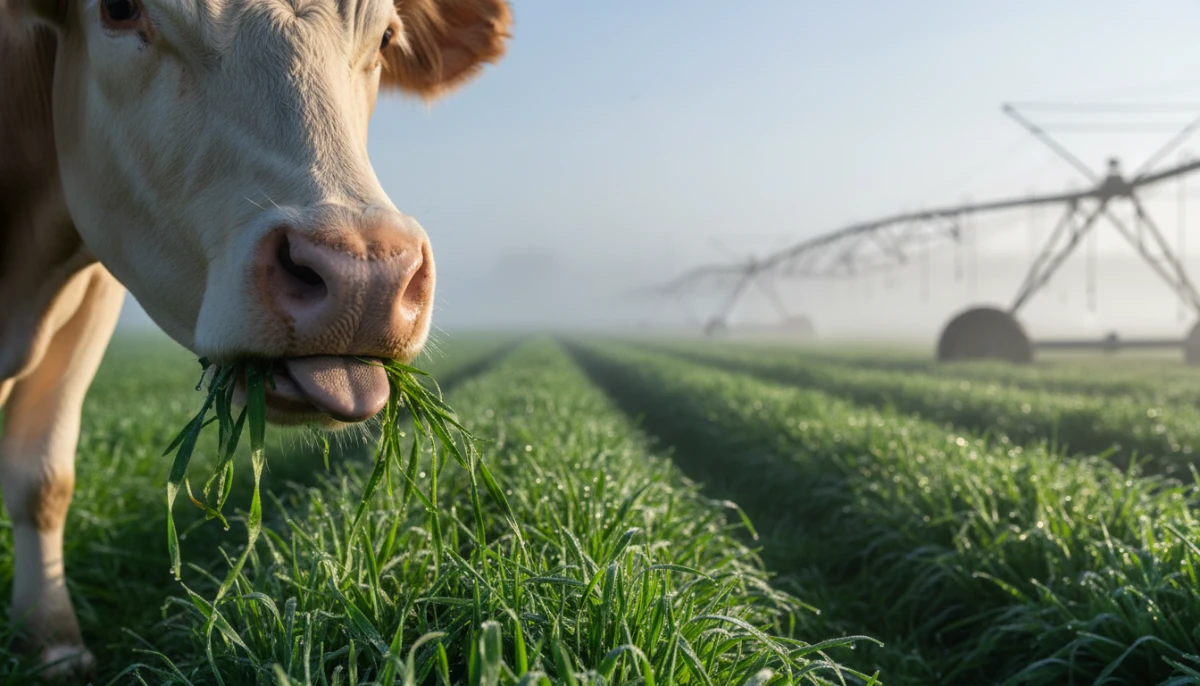
3. Soy Milk: Efficiency in the Field
The water footprint soy milk presents is a stark contrast to its dairy counterpart. Soybeans are hardy legumes that are remarkably efficient at converting water and sunlight into protein. Because the middleman (the cow) is removed, the energy and water transfer is much more direct. When you consume soy milk, you are consuming the output of a plant that was grown, harvested, and processed, without the biological overhead of maintaining a 1,500-pound mammal.
Agricultural Advantages of Soy
Soybeans are often grown in regions where rainfall is sufficient to cover most of their water needs, reducing the reliance on Blue Water (aquifers and rivers). Furthermore, as legumes, soybeans have the unique ability to fix nitrogen in the soil. This reduces the need for synthetic fertilizers, which in turn lowers the Grey Water footprint because there is less chemical runoff into local waterways.
The Manufacturing Process
Producing soy milk involves soaking, grinding, and boiling the beans. While this process does use water, it is highly optimized. Modern soy processing facilities utilize closed-loop systems to recycle water used for cooling and cleaning. The result is a production cycle that uses a fraction of the water required by the dairy industry. Recent data suggests that soy milk requires approximately 28 to 30 liters of water per liter of finished product—nearly 22 times less than dairy milk.

4. Side-by-Side: The Quantitative Comparison
To truly appreciate the difference, let us look at the global averages for water consumption across different milk types. While soy milk is a leader in water efficiency, it is helpful to see where it sits in the broader spectrum of plant-based milks.
| Milk Type | Liters of Water per Liter of Milk | Water Savings vs Dairy |
|---|---|---|
| Cow’s Milk | 628L | 0% |
| Almond Milk | 371L | 41% |
| Rice Milk | 270L | 57% |
| Oat Milk | 48L | 92% |
| Soy Milk | 28L | 95% |
As shown, the water footprint soy milk offers is significantly lower than even other popular alternatives like almond or rice milk. Almonds, for instance, are notoriously thirsty crops, often grown in water-stressed regions like the Central Valley of California, making their Blue Water impact disproportionately high despite being lower than dairy.
5. Beyond H2O: Land and Carbon Synergy
The discussion of the water footprint soy milk generates cannot be fully separated from land use and carbon emissions. These factors often work in tandem. Dairy requires roughly 10 times more land than soy production to yield the same amount of milk. This land usage often leads to deforestation, which disrupts local water cycles and reduces the land’s ability to retain moisture.
Furthermore, the greenhouse gas emissions from dairy—primarily methane from enteric fermentation—contribute to climate change, which exacerbates drought conditions globally. By choosing soy milk, you are participating in a system that requires less land, emits fewer gases, and preserves more water. It is a holistic environmental win that goes beyond the simple liter-for-liter water comparison.

6. Frequently Asked Questions
What is the specific water footprint soy milk compared to almond milk?
Soy milk is considerably more water-efficient than almond milk. While soy milk uses approximately 28 liters of water per liter produced, almond milk requires about 371 liters. This is because almonds require constant irrigation, whereas soybeans can often rely on natural rainfall.
Does organic dairy milk use less water?
Not necessarily. While organic farming practices may use fewer synthetic chemicals (improving Grey Water metrics), the actual volume of water consumed by the cattle and for feed production remains high, often similar to conventional dairy.
Why is soy milk considered the most sustainable?
Soy milk strikes an ideal balance between low water usage, minimal land requirements, and high nutritional density (protein content), making it one of the most resource-efficient beverages available.