
Soy nutrition facts NZ reveal that soybeans are a rare plant-based “complete protein,” containing all nine essential amino acids required for human health. Rich in iron, calcium, and isoflavones, soy products like tofu and fortified soy milk offer a nutrient-dense alternative to meat, adhering to New Zealand dietary guidelines for heart-healthy eating.
In the evolving landscape of New Zealand’s culinary culture, plant-based nutrition has moved from the fringes to the mainstream. Whether driven by environmental concerns, ethical choices, or health optimization, more Kiwis are turning to legumes to power their days. Among these, the humble soybean stands out as a nutritional powerhouse. Unlike many other plant foods, soy offers a unique profile that rivals animal products in protein quality while providing a host of other physiological benefits.
Understanding the specific nutritional makeup of soy is essential for anyone looking to optimize their diet, particularly within the context of New Zealand’s food standards and product availability. This guide unpacks the science behind soy, detailing why it is considered a dietary staple for longevity and vitality.
What Makes Soy a Complete Protein?
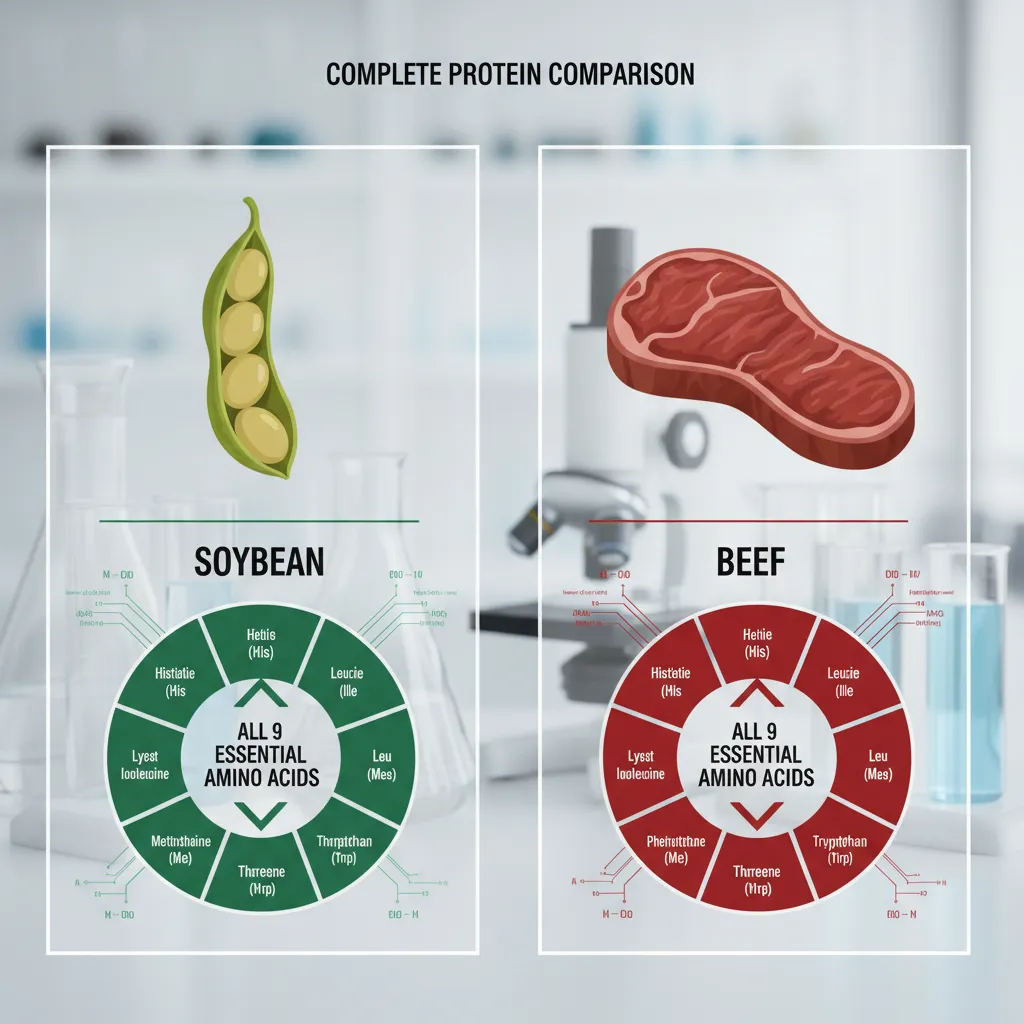
The term “complete protein” is often thrown around in fitness and nutrition circles, but its definition is specific and biological. Proteins are built from chains of amino acids. While the human body can synthesize many of these, there are nine “essential” amino acids (histidine, isoleucine, leucine, lysine, methionine, phenylalanine, threonine, tryptophan, and valine) that must be obtained directly from food.
Most plant-based protein sources are “incomplete,” meaning they lack adequate amounts of one or more of these essential amino acids. For example, grains are typically low in lysine, while beans are often low in methionine. This is why traditional diets often combine rice and beans to form a complete protein profile. Soy, however, is an anomaly in the plant kingdom.
Soybeans contain all nine essential amino acids in sufficient quantities to meet the physiological requirements of adults and children. This protein quality is often measured by the Protein Digestibility Corrected Amino Acid Score (PDCAAS). Soy protein isolate has a PDCAAS of 1.0, which is the highest possible score, placing it on par with milk protein (casein), egg whites, and beef. This makes soy an incredibly efficient fuel source for muscle repair, enzyme production, and immune function.
The Role of Lysine
One of the critical advantages of soy is its high lysine content. Lysine is the limiting amino acid in many vegan and vegetarian diets that rely heavily on cereals and grains. By incorporating soy nutrition into your daily routine, you ensure that your body has the necessary building blocks to synthesize protein effectively, preventing the muscle wasting that can occur with poorly planned plant-based diets.
Key Vitamins and Minerals in Soy Products
While protein is the headline act, the supporting cast of micronutrients in soy is equally impressive. When analyzing soy nutrition facts NZ consumers should be aware that the nutrient density can vary slightly between whole soybeans (edamame), fermented products (tempeh), and processed derivatives (tofu, soy milk).
Iron and Bioavailability
Soybeans are a significant source of plant-based (non-heme) iron. A common concern in New Zealand, particularly among women, is iron deficiency. While non-heme iron is generally less absorbed by the body than the heme iron found in red meat, soy contains ferritin, a form of iron that may be absorbed more efficiently than other plant sources. To maximize absorption, nutritionists recommend consuming soy products alongside foods rich in Vitamin C, such as kiwifruit, capsicum, or citrus, which can significantly enhance iron uptake.
Calcium and Bone Health
Calcium is vital for maintaining bone density, a major health priority for aging populations in NZ. Whole soybeans contain calcium, but the levels in tofu can vary depending on the coagulant used during manufacturing. Tofu set with calcium sulfate (often labeled as “calcium-set”) is an excellent source, sometimes containing more calcium per serving than cow’s milk. Furthermore, many soy milks available in New Zealand supermarkets are fortified with calcium to match dairy equivalents, ensuring that those avoiding dairy do not miss out on this critical mineral.
Essential B-Vitamins and Minerals
Soy is also rich in B vitamins, particularly folate (B9) and thiamine (B1), which are crucial for energy metabolism and neurological health. Additionally, soy provides substantial amounts of minerals such as:
- Magnesium: Essential for muscle function and nervous system regulation.
- Potassium: Helps counteract the effects of sodium and maintain healthy blood pressure.
- Zinc: Vital for immune health and wound healing.
According to the New Zealand Nutrition Foundation, legumes including soy are a core component of a healthy diet, providing fiber and nutrients that help reduce the risk of chronic disease.
Soy Nutrition Facts NZ: A Product Breakdown
Not all soy is created equal. The processing method impacts the nutritional profile. Here is how common NZ soy products stack up:
Edamame (Whole Green Soybeans)
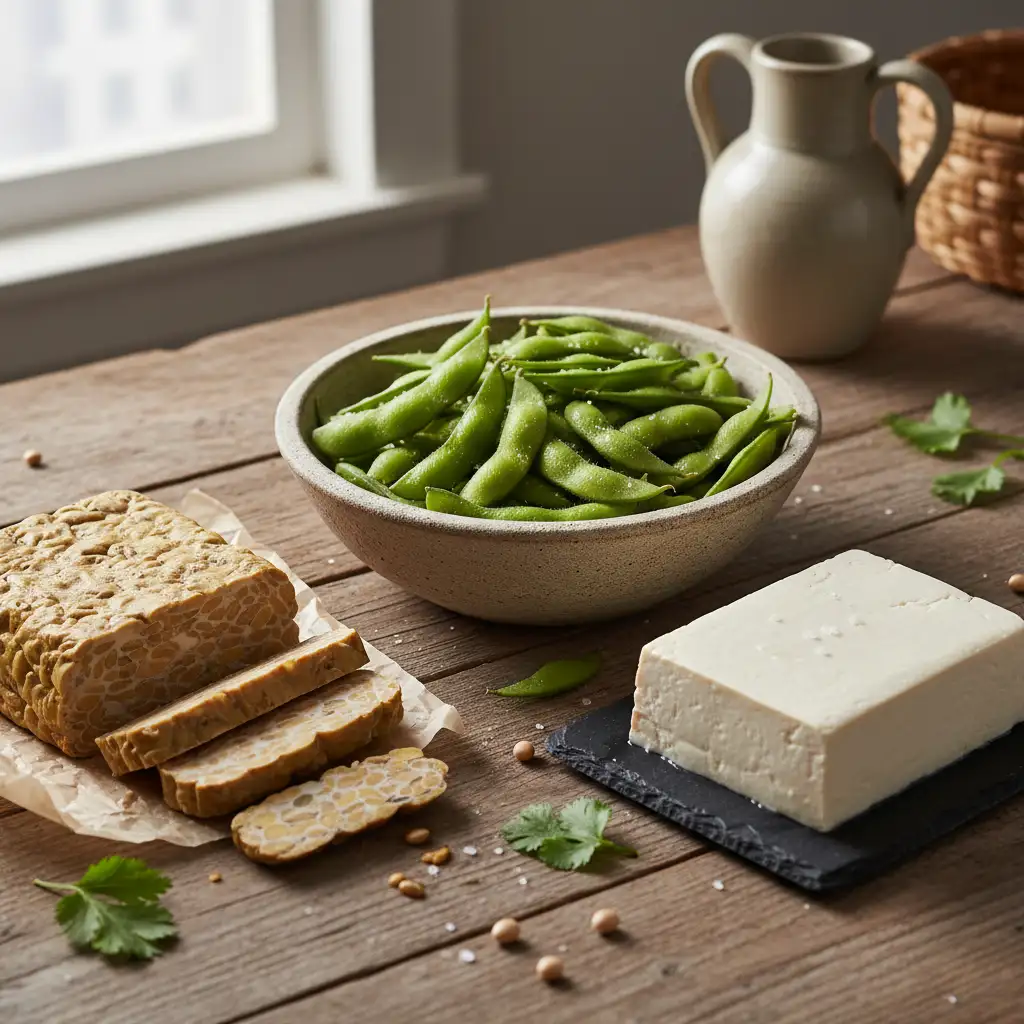
Edamame are young soybeans harvested before they ripen or harden. They are the most natural form of soy and are rich in fiber, protein, and Vitamin K. Because they are unprocessed, they have a low glycemic index, making them an excellent snack for blood sugar management.
Tofu (Bean Curd)
Made by coagulating soy milk and pressing the curds into blocks, tofu is a versatile staple. It comes in silken, soft, firm, and extra-firm varieties. Generally, the firmer the tofu, the higher the protein and fat content. It is naturally low in sodium and absorbs the flavors of the dish it is cooked in.
Tempeh
Tempeh is a traditional Indonesian product made from fermented whole soybeans formed into a block. The fermentation process improves the digestibility of the protein and increases the absorption of minerals like zinc and calcium by breaking down anti-nutrients (phytates). It has a nutty flavor and a firm texture, with a higher fiber content than tofu.
Health Benefits of Soy: Beyond Protein
The conversation around soy often stops at protein, but its bioactive compounds offer significant long-term health advantages.
Heart Health and Cholesterol
New Zealand has high rates of cardiovascular disease, making heart-healthy dietary choices imperative. Soy protein has been extensively studied for its ability to lower LDL (bad) cholesterol levels. The mechanism is believed to involve the synergy between soy protein and isoflavones, which help regulate lipid metabolism. Replacing foods high in saturated fat (like processed meats) with soy-based alternatives is a strategy supported by numerous heart health organizations.
Isoflavones: Nature’s Antioxidants
Soy is the richest dietary source of isoflavones, a class of phytoestrogens. These are plant compounds that structurally resemble human estrogen but behave differently in the body. Isoflavones function as antioxidants, protecting cells from oxidative damage. Research suggests that regular consumption of isoflavones may improve arterial health and reduce inflammation.
Menopause and Bone Density
For women navigating menopause, soy can be particularly beneficial. The decline in estrogen during menopause contributes to hot flashes and accelerated bone loss. Because phytoestrogens can bind weakly to estrogen receptors, they may help alleviate the severity of hot flashes in some women. Furthermore, the combination of high-quality protein, calcium, and isoflavones in soy foods supports the maintenance of bone mineral density, offering a dietary defense against osteoporosis.
Addressing Common Misconceptions About Soy
Despite the evidence supporting soy nutrition, myths persist. It is crucial to address these with scientific clarity, especially for NZ consumers bombarded with conflicting information online.
The “Feminization” Myth
One of the most pervasive myths is that soy consumption lowers testosterone or causes feminizing effects in men due to phytoestrogens. This has been debunked by extensive clinical research. Phytoestrogens are not estrogen. They are plant compounds that bind to estrogen receptors but with a much weaker effect—approximately 1000 times weaker than human estrogen. Meta-analyses of clinical studies have shown that neither soy foods nor isoflavone supplements affect testosterone levels or reproductive health in men.
Soy and Breast Cancer
Historically, there was concern that phytoestrogens might stimulate the growth of estrogen-sensitive breast cancer cells. However, modern research indicates the opposite may be true. Studies in Asian populations, where soy consumption is high from childhood, show a reduced risk of breast cancer. Current guidelines from major cancer organizations state that moderate consumption of whole soy foods is safe for breast cancer survivors.
Genetically Modified Organisms (GMOs)
In New Zealand, there is a strong preference for non-GMO foods. While a large percentage of the world’s soy crop is genetically modified (mostly for animal feed), soy foods intended for human consumption in NZ—such as tofu, soy milk, and tempeh—are frequently made from non-GMO beans. Under Food Standards Australia New Zealand (FSANZ) regulations, any food sold in NZ that contains novel DNA or protein from a GM source must be clearly labeled. This transparency allows Kiwi consumers to make informed choices.
Incorporating Soy into the Kiwi Diet
Adopting soy doesn’t mean you have to overhaul your entire diet. Small, sustainable swaps can yield health benefits. Here are practical ways to enjoy soy nutrition in New Zealand:
- The Morning Coffee: Swap cow’s milk for fortified soy milk in your flat white. Soy milk textures well and offers a creamy consistency similar to dairy.
- The Sunday BBQ: Marinate tempeh skewers or use soy-based veggie sausages. The robust texture of tempeh holds up well on the grill.
- Winter Warmers: Add firm tofu to curries and stir-frys. Pressing the tofu first removes excess water, allowing it to soak up the rich flavors of kumara, coconut milk, and spices.
- Snacking: Keep a bag of frozen edamame in the freezer. Steamed and sprinkled with sea salt, they make a high-protein alternative to chips.
By understanding the depth of soy nutrition facts, NZ consumers can confidently include this versatile legume in their diet. It provides a complete protein solution that supports heart health, bone density, and overall wellness, all while being sustainable and delicious.
Frequently Asked Questions
Is soy healthy for men to eat every day?
Yes, soy is healthy for men. Extensive research shows that soy consumption does not lower testosterone levels or affect fertility. It is a heart-healthy source of protein that can help maintain muscle mass.
Is soy milk in New Zealand fortified with calcium?
Most major brands of soy milk sold in New Zealand supermarkets are fortified with calcium and often Vitamin D to match the nutritional profile of cow’s milk. Always check the nutrition label to confirm.
Does eating soy increase the risk of breast cancer?
No. Current research indicates that consuming moderate amounts of soy foods does not increase the risk of breast cancer and may even be protective, particularly when soy is consumed from a young age.
What is the difference between tofu and tempeh?
Tofu is made from coagulated soy milk and has a soft, neutral taste. Tempeh is made from fermented whole soybeans, has a firmer, chewier texture, a nutty flavor, and generally contains more fiber and protein than tofu.
Is soy a good source of iron for vegetarians?
Yes, soy is a rich source of non-heme iron. To improve absorption, it is recommended to consume soy products with foods high in Vitamin C, such as citrus fruits, capsicum, or broccoli.
Can children eat soy products safely?
Yes, soy is safe and nutritious for children. It provides essential amino acids, calcium (if fortified), and energy required for growth. However, if a child has a soy allergy, it must be strictly avoided.