
What are Phytoestrogens? A Complete Guide to Plant Estrogens and Health
An in-depth exploration of what phytoestrogens are, how they function in the human body, and the latest clinical research on their health impacts.
What are Phytoestrogens? A Fundamental Overview
Understanding what are phytoestrogens is the first step toward optimizing a plant-based diet for hormonal health. Phytoestrogens are naturally occurring polycyclic phenols—bioactive compounds found in various plants. The prefix “phyto-” originates from the Greek word for plant, while “estrogen” refers to the primary female sex hormone. While they are not hormones in the plant itself, they share a striking structural similarity to 17′‒estradiol (E2), the main estrogen produced by the human body.

These compounds act as a plant’s defense mechanism, often protecting the organism from fungi or stress. However, when consumed by humans, they have the unique ability to mimic or modulate the effects of endogenous estrogens. This dual nature—acting both as a weak estrogen and as an estrogen blocker—makes them a topic of intense scientific interest. In the modern nutritional landscape, phytoestrogens are primarily discussed in the context of soy consumption, but their presence spans across hundreds of edible plant species, including legumes, grains, and seeds.
The Biochemistry of Plant Estrogens
The molecular structure of phytoestrogens is the key to their function. The core similarity between 17′‒estradiol and phytoestrogens lies in the presence of a phenolic ring and the distance between two hydroxyl groups. This specific geometry allows phytoestrogens to fit into the binding pockets of estrogen receptors (ERs), albeit with a lower affinity than human-produced estrogen.
There are two primary types of estrogen receptors in the human body: Alpha (ER′) and Beta (ER′). ER′ is predominantly found in the uterus and breast tissue, while ER′ is more prevalent in the vascular system, bone, and brain. Research indicates that most phytoestrogens have a significantly higher affinity for ER′. This preference is why phytoestrogens are often associated with positive effects on heart and bone health without the high level of proliferation in reproductive tissues typically associated with synthetic estrogen therapy.
Classification and Subclasses of Phytoestrogens
Phytoestrogens are not a single substance but a broad category divided into several chemically distinct groups. Understanding these subclasses is essential for nutritional planning.
1. Isoflavones
Isoflavones are the most researched and well-known group. Found primarily in members of the Fabaceae (legume) family, particularly soy. The most prominent isoflavones are genistein, daidzein, and glycitein. In whole plants, these often exist as glycosides (bound to a sugar molecule), but when digested, they are converted into their active aglycone forms.
2. Lignans
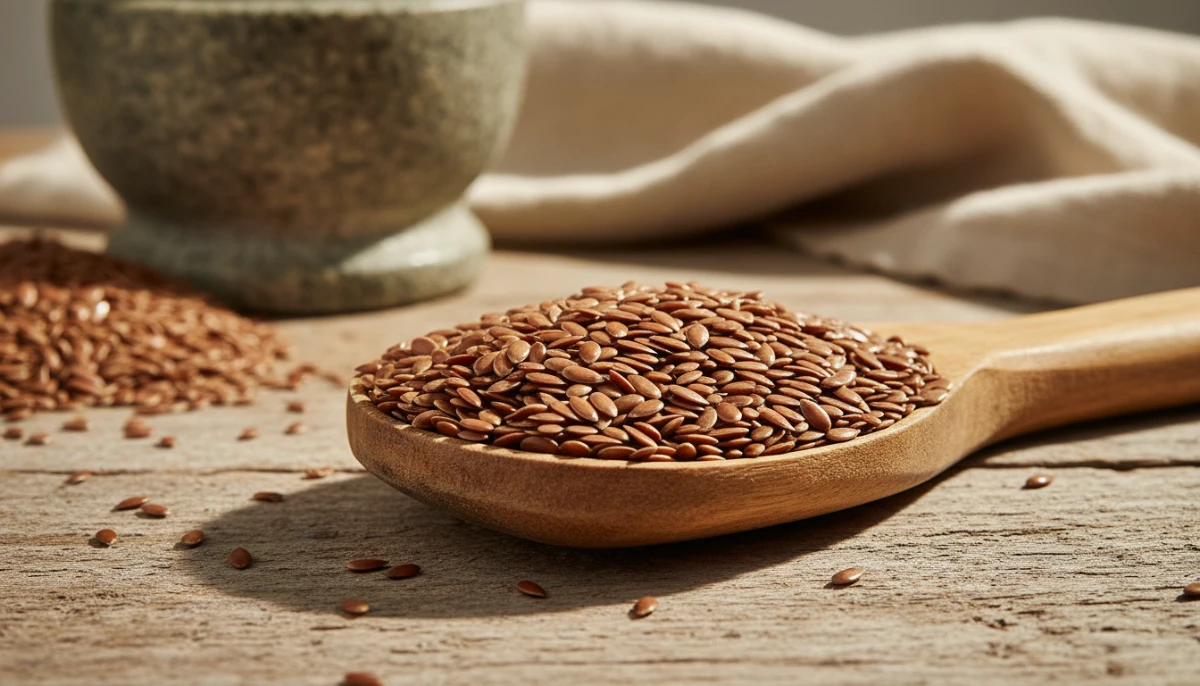
Lignans are components of plant cell walls and are found in high concentrations in seeds (especially flax), whole grains, and some vegetables. The primary plant lignans are secoisolariciresinol and matairesinol. Once ingested, intestinal bacteria convert them into “mammalian lignans” like enterolactone and enterodiol, which are the forms that exert biological effects in humans.
Dietary Sources and Concentration
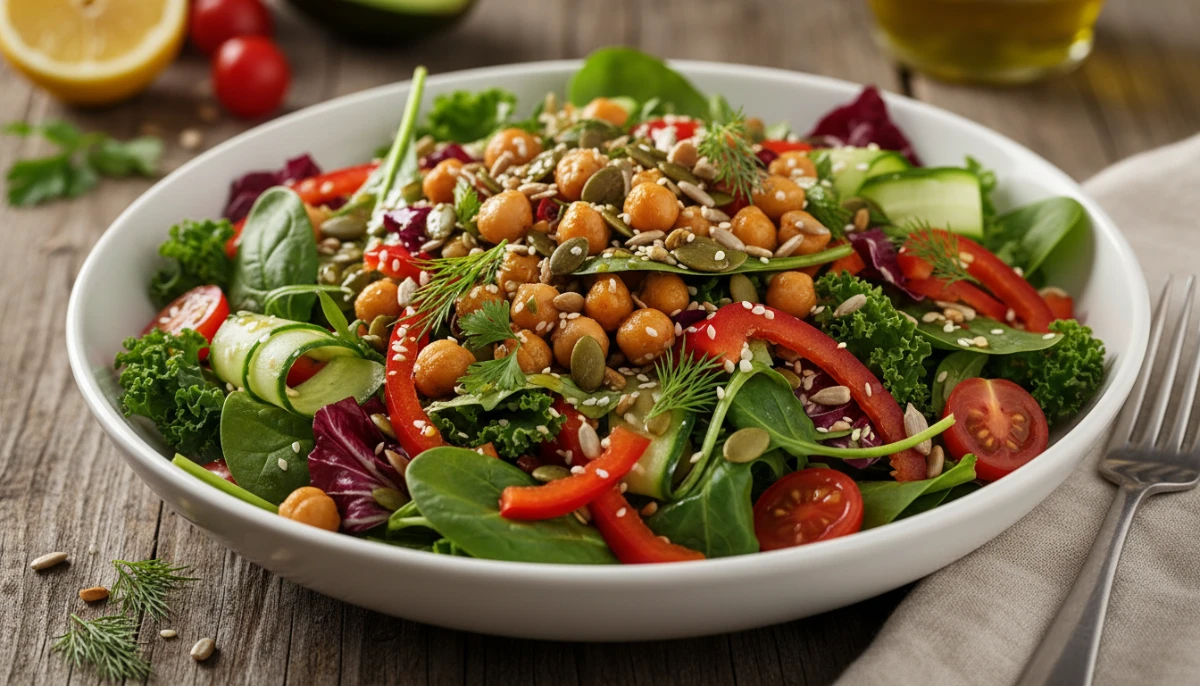
If you are looking to increase or monitor your intake, knowing which foods contain the highest concentrations of phytoestrogens is vital. Below is a breakdown of common dietary sources:
| Food Category | Top Sources | Primary Type |
|---|---|---|
| Legumes | Soybeans, Tofu, Tempeh, Miso, Chickpeas | Isoflavones |
| Seeds | Flaxseeds (Linseed), Sesame seeds, Sunflower seeds | Lignans |
| Whole Grains | Oats, Barley, Rye, Wheat bran | Lignans |
| Vegetables | Garlic, Onions, Broccoli, Sprouts, Winter Squash | Lignans/Coumestans |
Mechanism of Action: How They Work in the Body
The most fascinating aspect of phytoestrogens is their adaptogenic-like behavior. This is often described through two main mechanisms:
- The Estrogenic Effect: In environments where endogenous estrogen levels are low (such as in postmenopausal women), phytoestrogens can bind to empty receptors and provide a mild estrogenic signal.
- The Anti-Estrogenic Effect: In environments where endogenous estrogen levels are high (such as in premenopausal women), phytoestrogens compete with the body’s much stronger natural estrogen for receptor sites.
Health Benefits: From Menopause to Bone Density
The health benefits of phytoestrogens have been observed in epidemiological studies comparing Western diets to traditional Asian diets, the latter of which typically include 10 to 50 times more isoflavones.
1. Menopause Symptom Relief
The drop in estrogen during menopause leads to vasomotor symptoms, commonly known as hot flashes. Multiple meta-analyses have shown that soy isoflavones can reduce the frequency and severity of hot flashes.
Addressing the Controversies: Soy, Cancer, and Male Health
Despite their benefits, phytoestrogens are often the subject of misinformation. Let’s look at the science behind common concerns:
The Breast Cancer Debate
Historically, there were concerns that phytoestrogens might stimulate the growth of estrogen-sensitive breast cancer cells. However, large-scale human observational studies have consistently shown the opposite. High intake of soy from a young age is actually associated with a lower risk of breast cancer.
The Role of the Gut Microbiome in Phytoestrogen Metabolism
Not everyone processes phytoestrogens the same way. The efficacy of these compounds depends heavily on an individual’s gut microbiota. A prime example is the conversion of the soy isoflavone daidzein into equol, a metabolite with much higher potency.
Frequently Asked Questions (FAQ)
What are the best food sources of phytoestrogens?
The best sources include soybeans (tofu, tempeh, edamame), flaxseeds, sesame seeds, chickpeas, and whole grains like oats.
Conclusion
In summary, understanding what are phytoestrogens reveals a complex and beneficial relationship between plant compounds and human health. Far from being “disruptors,” these plant estrogens often serve as selective modulators that can support bone density, cardiovascular health, and menopausal comfort. By incorporating a variety of whole foods like soy, flaxseeds, and legumes into your diet, you can leverage these bioactive molecules for long-term hormonal balance. As research continues to evolve, the consensus remains: phytoestrogens are a safe and valuable component of a healthy, plant-forward lifestyle.