
The Kiwi Soy Pantry: Mastering Tofu Recipes NZ and Essential Soy Products
Tofu recipes NZ encompasses a diverse range of culinary applications, from crispy fried silken tofu to hearty marinated blocks suitable for the traditional Kiwi barbecue. As New Zealanders increasingly embrace plant-based protein, understanding the nuances of local soy varieties, fermentation methods, and preparation techniques becomes essential for modern home cooks seeking nutritious, flavorful, and sustainable meals.
Modernizing the NZ Pantry
The New Zealand pantry has undergone a significant transformation over the last two decades. Gone are the days when a block of cheese and a leg of lamb were the sole cornerstones of the Kiwi diet. Today, the culinary landscape in Aotearoa is defined by a fusion of fresh, local produce and global influences, particularly from East Asia. Central to this shift is the humble soybean, a powerhouse of nutrition that has moved from the fringes of health food stores to the mainstream aisles of supermarkets like New World, Pak’nSave, and Countdown.
Modernizing your pantry involves more than just stocking soy sauce; it requires a deep understanding of how soy-based ingredients can elevate everyday cooking. The integration of soy products offers a sustainable alternative to animal proteins without compromising on the savory depth—often referred to as umami—that New Zealanders crave. Whether you are a strict vegan, a flexitarian, or simply a food enthusiast looking to expand your repertoire, mastering the use of tofu and its derivatives is crucial.
In this guide, we explore the comprehensive “Kiwi Soy Pantry.” We analyze the textures of locally manufactured tofu, the fermentation profiles of artisanal misos available in New Zealand, and, most importantly, provide actionable tofu recipes NZ cooks can rely on for consistency and flavor. By understanding the science and art behind these ingredients, you can transform simple vegetables into gourmet experiences.
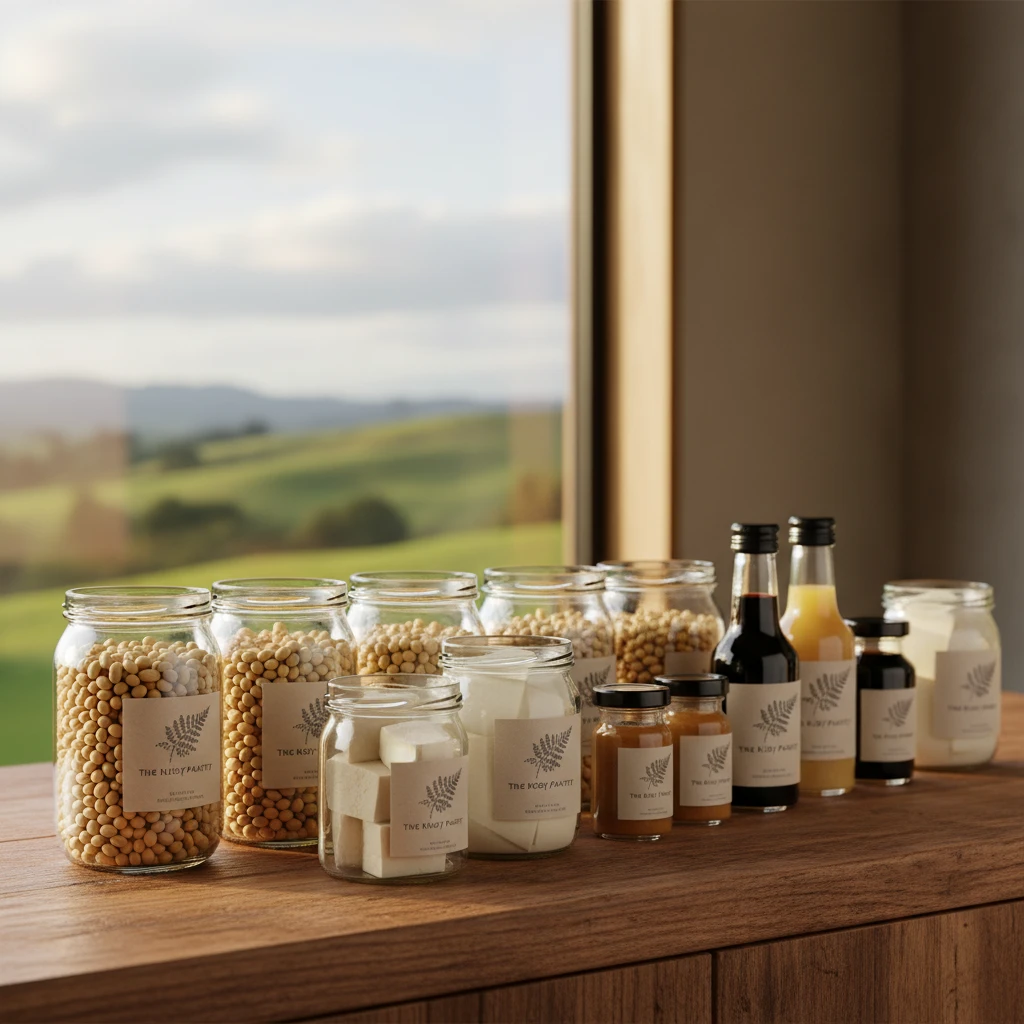
Essential Soy Sauces, Misos, and Oils
Before diving into specific recipes, one must curate the foundational liquids and pastes that bring soy dishes to life. In New Zealand, the variety of soy sauces and misos available can be overwhelming. Selecting the right grade and type is the difference between a mediocre stir-fry and a restaurant-quality dish.
Soy Sauce Varieties in Aotearoa
The generic “soy sauce” label is insufficient for the discerning cook. Your pantry should ideally contain at least three distinct types:
- Light Soy Sauce (Sheng Chou): This is the workhorse of the kitchen. It is thinner, saltier, and used primarily for seasoning during cooking. In NZ, brands like Lee Kum Kee and Kikkoman are staples, but look for organic options that use whole soybeans for a cleaner taste.
- Dark Soy Sauce (Lao Chou): Thicker, less salty, and slightly sweet, this sauce is used for adding rich caramel color to braises and stews. It is essential for giving tofu dishes that appetizing golden-brown hue.
- Tamari: Often gluten-free, Tamari is a Japanese-style sauce that is richer and less salty than Chinese light soy sauce. It is an excellent dipping sauce and a vital alternative for those with celiac disease in New Zealand.
Miso: The Fermented Gold
Miso paste is a mixture of soybeans, salt, and koji (a fermentation culture) that has been aged. In New Zealand, we are seeing a rise in locally produced artisan misos, such as those from Urban Hippie.
- White Miso (Shiro Miso): Sweet and mild with a shorter fermentation time. It is perfect for salad dressings, light soups, and marinades for fish or tofu.
- Red Miso (Aka Miso): Salty and pungent with a long fermentation period. Use this for rich stews, hearty glazes, or to add depth to a vegan gravy.
A Guide to NZ Tofu Brands & Usage
To execute the best tofu recipes NZ has to offer, you must start with the correct raw material. New Zealand boasts several high-quality tofu manufacturers who utilize non-GMO soybeans, often sourced organically. Understanding the texture and structural integrity of these brands is key to cooking success.
Tonzu: The Traditionalist
Tonzu is perhaps the most revered name in the NZ tofu market. Produced by Chalmers Organics, Tonzu tofu is known for its traditional firmness and distinct soy flavor. It is a “pot-set” tofu, meaning it retains a rustic texture that absorbs marinades exceptionally well.
- Best Use: Cubed in curries, crumbled for a tofu scramble, or sliced thick for deep-frying. Its structural integrity means it won’t fall apart under vigorous stirring.
Bean Supreme: The Innovator
Bean Supreme offers a wide range of soy products, from plain blocks to pre-marinated varieties. Their firm tofu is smoother than Tonzu’s, making it versatile for both Asian and Western applications.
- Best Use: Grilling on the BBQ, baking in sheets, or blending into quiches. Their pre-marinated ranges (like Hoisin or Ginger & Garlic) are excellent time-savers for quick weeknight meals.
Choosing the Right Texture
When shopping in NZ supermarkets, you will typically encounter three main textures:
- Silken: Custard-like and fragile. Do not try to stir-fry this. Use it for smoothies, vegan desserts, or traditional Japanese Hiyayakko (chilled tofu).
- Firm: The standard block. It holds its shape but can be pressed to remove excess water. Ideal for most stir-fries.
- Extra Firm: Dense and chewy. This is the best substitute for meat in hearty dishes.
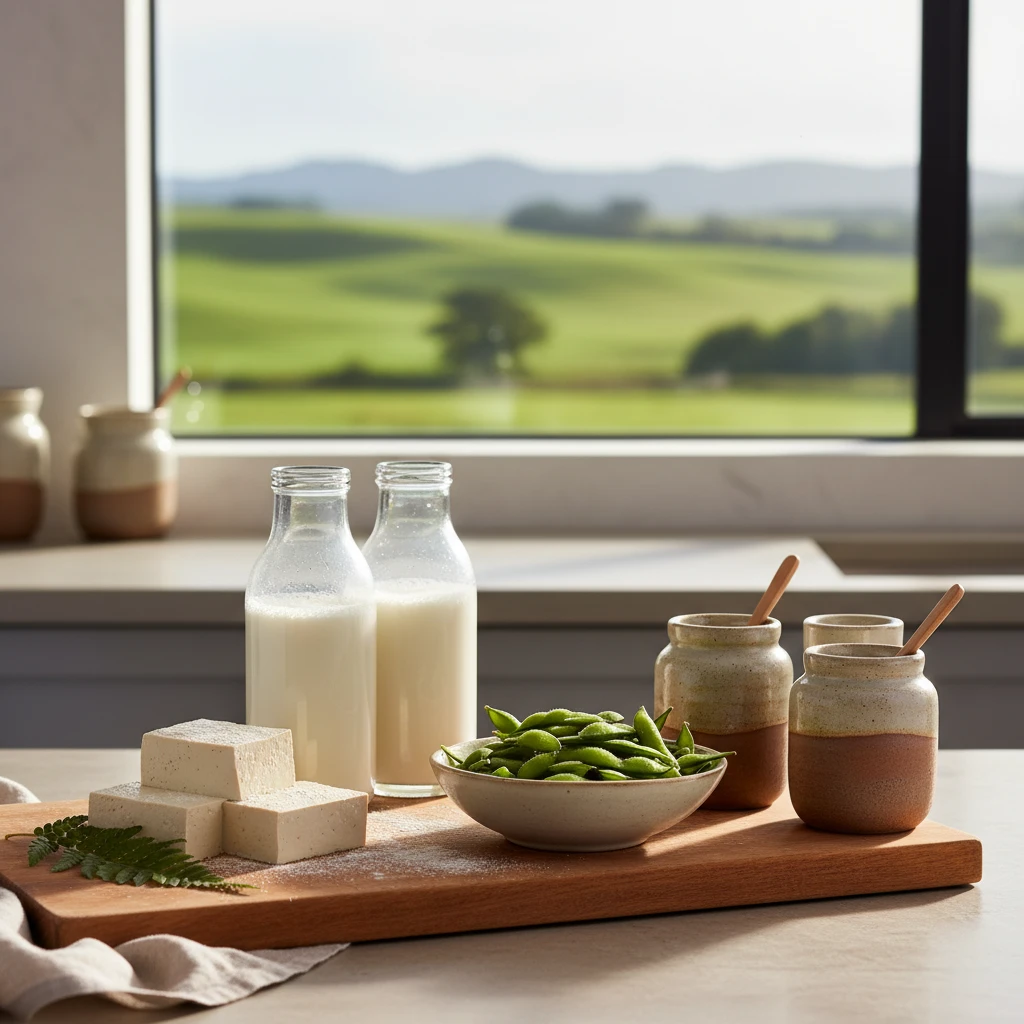
Signature Tofu Recipes for the Kiwi Kitchen
Now that your pantry is stocked, let’s explore specific tofu recipes NZ home cooks can master. These recipes are designed to bridge the gap between traditional Asian techniques and the Kiwi palate.
1. The Classic Kiwi BBQ Tofu Skewers
New Zealanders love a barbecue, and tofu is an excellent candidate for the grill if treated correctly. The secret lies in pressing the tofu and using a sugar-based marinade to create char.
Ingredients:
- 2 blocks of Firm Tofu (Tonzu or Bean Supreme)
- 1 Red Capsicum, cubed
- 1 Red Onion, cubed
- Marinade: 1/2 cup Tamari, 2 tbsp Maple Syrup, 1 tbsp Smoked Paprika, 1 tsp Garlic Powder, 1 tbsp Sesame Oil.
Method:
- Press the Tofu: Wrap the tofu blocks in a clean tea towel and place a heavy object (like a cast-iron skillet) on top for 30 minutes. This removes excess water and allows the marinade to penetrate deeper.
- Marinate: Cut the pressed tofu into large cubes. Whisk the marinade ingredients together. Toss the tofu in the marinade and let sit for at least 1 hour (overnight is better).
- Assemble: Thread tofu, capsicum, and onion onto skewers.
- Grill: Cook on a hot BBQ grill for 3-4 minutes per side until char marks appear. Brush with remaining marinade during cooking.
2. Crispy Salt and Pepper NZ Tofu
This is a staple “fakeaway” dish that rivals any local takeaway shop. The key is using cornflour (cornstarch) to achieve a gluten-free crunch.
Ingredients:
- 1 block Firm Tofu
- 1/2 cup Cornflour
- 1 tsp Salt
- 1 tsp Sichuan Peppercorns (toasted and ground) or black pepper
- 1 tsp Five Spice Powder
- High smoke point oil (Rice Bran or Canola) for shallow frying
- Fresh Chilli and Spring Onion for garnish
Method:
- Prep: Press the tofu as described above, then cut into bite-sized triangles.
- Coat: Mix cornflour, salt, pepper, and five-spice in a bowl. Dredge each tofu piece in the mixture, shaking off excess.
- Fry: Heat oil in a wok or deep pan. Fry tofu in batches until golden and crispy (approx. 3-4 minutes). Drain on paper towels.
- Serve: Toss immediately with fresh chilli and spring onion. Serve with steamed jasmine rice.
3. Silken Tofu Chocolate Mousse
For a dessert application, silken tofu provides a creamy texture without the need for dairy or eggs. This recipe often surprises skeptics.
Ingredients:
- 300g Silken Tofu
- 150g Dark Chocolate (Whittaker’s 50% or 72% works beautifully)
- 2 tbsp Maple Syrup
- 1 tsp Vanilla Extract
Method:
- Melt: Melt the chocolate using a double boiler or microwave.
- Blend: Place the silken tofu, melted chocolate, syrup, and vanilla into a blender or food processor. Blend until completely smooth.
- Set: Pour into serving glasses and refrigerate for at least 2 hours to set.
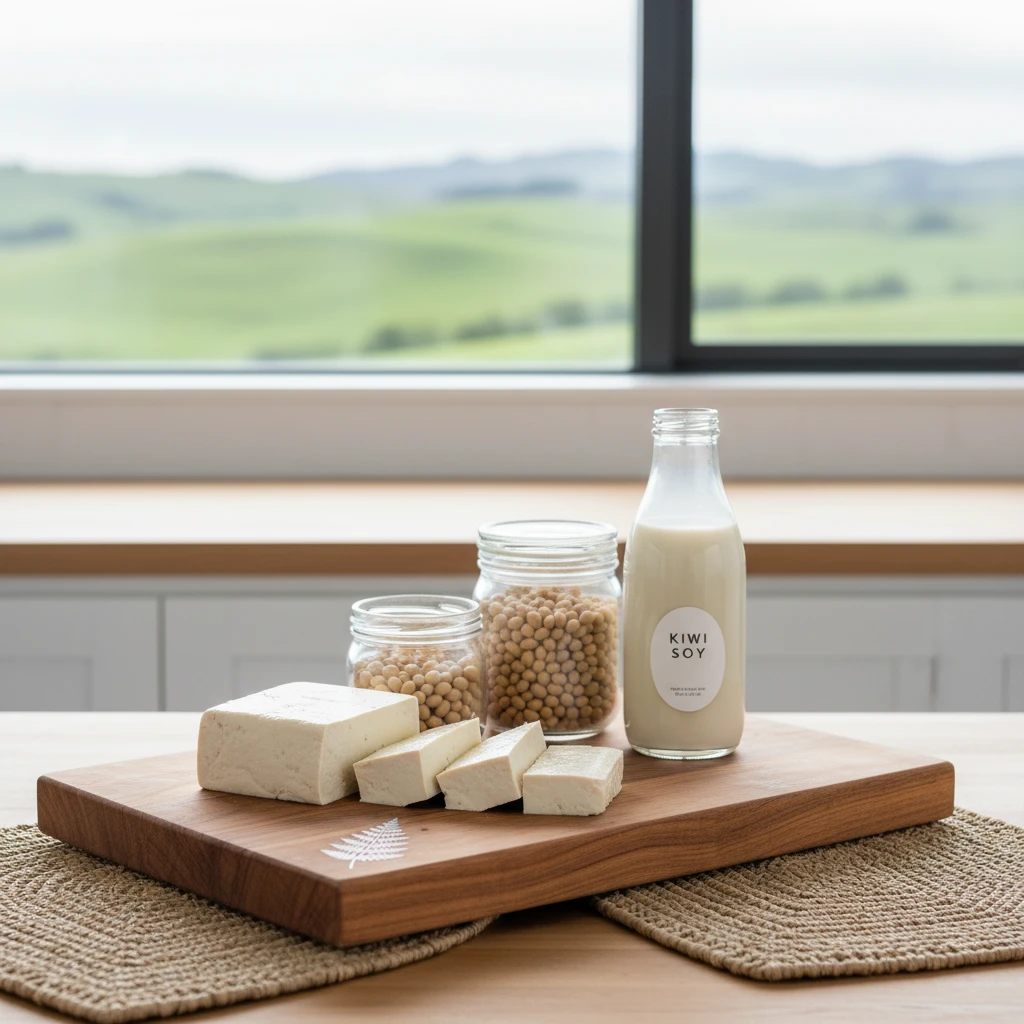
Fermented Soy: Tempeh and Beyond
While tofu is a curdled soy product, tempeh is a fermented whole soybean cake. It originates from Indonesia but has found a dedicated following in New Zealand due to its high protein content and gut-healthy probiotics. Brands like Tonzu and local artisan producers offer organic tempeh that is nutty, earthy, and texturally complex.
Tempeh requires a different cooking approach than tofu. Because it is fermented, it can have a slightly bitter edge. To neutralize this, many chefs recommend steaming the block of tempeh for 10 minutes before marinating or frying. This opens up the pores of the soybeans and softens the flavor profile.
Tempeh Usage Ideas:
- Tempeh Bacon: Slice thinly and marinate in liquid smoke, soy sauce, and maple syrup, then pan-fry until crisp. A great addition to a vegetarian BLT.
- Crumble for Bolognese: Crumble the tempeh block and sauté with onions, garlic, and herbs before adding tomato passata. The texture mimics ground meat remarkably well.
For more detailed nutritional guidelines on soy intake, refer to the New Zealand Ministry of Health resources, or explore sustainable living tips at Consumer NZ.
Frequently Asked Questions
What is the best tofu brand in New Zealand for stir-fries?
For stir-fries, Tonzu firm tofu is widely considered the best option in New Zealand. Its dense, traditional texture holds up well to high heat and vigorous tossing without crumbling, unlike softer supermarket varieties.
Do I need to press NZ supermarket tofu before cooking?
Yes, most firm tofu brands found in NZ supermarkets (like Bean Supreme or generic house brands) contain significant water content. Pressing the tofu for 20–30 minutes improves its texture and allows it to absorb marinades more effectively.
Where can I find silken tofu in NZ?
Silken tofu is available in the international or health food aisle of major supermarkets like New World and Countdown. It is often sold in shelf-stable Tetra Paks (e.g., Morinaga brand) rather than the refrigerated section.
Is soy sauce gluten-free?
Standard soy sauce contains wheat and is not gluten-free. If you are cooking for someone with celiac disease in NZ, look for Tamari or soy sauces specifically labeled “Gluten-Free” (often available from brands like Kikkoman or Ceres Organics).
Can I eat tofu raw?
Yes, tofu is pre-cooked during the manufacturing process and is safe to eat raw. Silken tofu is often eaten cold in salads or desserts, while firm tofu can be cubed into salads, though most people prefer firm tofu cooked for better texture.
How long does leftover tofu last in the fridge?
Once opened, uncooked tofu should be submerged in fresh water in an airtight container and kept in the fridge. Change the water daily to keep it fresh. It should be consumed within 3 to 5 days.