
The Kiwi Kitchen: A Deep Dive into NZ Style Plant Based Cooking
Exploring the intersection of indigenous wisdom, seasonal abundance, and contemporary culinary innovation in Aotearoa.
The Evolution of the Kiwi Palate
The landscape of New Zealand’s culinary scene is undergoing a profound transformation. Traditionally known for its high-quality dairy and meat exports, Aotearoa is now witnessing a quiet revolution: the rise of nz style plant based cooking. This movement is not merely a dietary trend but a sophisticated reimagining of what it means to eat in the South Pacific. It is a philosophy that marries the ruggedness of the land with a refined, contemporary sensibility. In the Kiwi kitchen, plant-based cooking isn’t about substitution; it’s about celebration. We are seeing a shift away from ‘meat-and-three-veg’ toward a plate where the vegetables are the protagonists, treated with the same reverence and technical skill once reserved for prime cuts of lamb.
This evolution is driven by several factors: a deepening respect for Kaitiakitanga (guardianship of the land), an increasing awareness of the health benefits of whole foods, and a creative surge among local chefs and home cooks who are rediscovering the wild pantry of New Zealand. From the bustling cafes of Wellington to the remote garden-to-table retreats in Central Otago, nz style plant based cooking is defining a new national identity—one that is sustainable, inclusive, and deeply rooted in the unique terroir of these islands.
Māori Heritage and Indigenous Ingredients
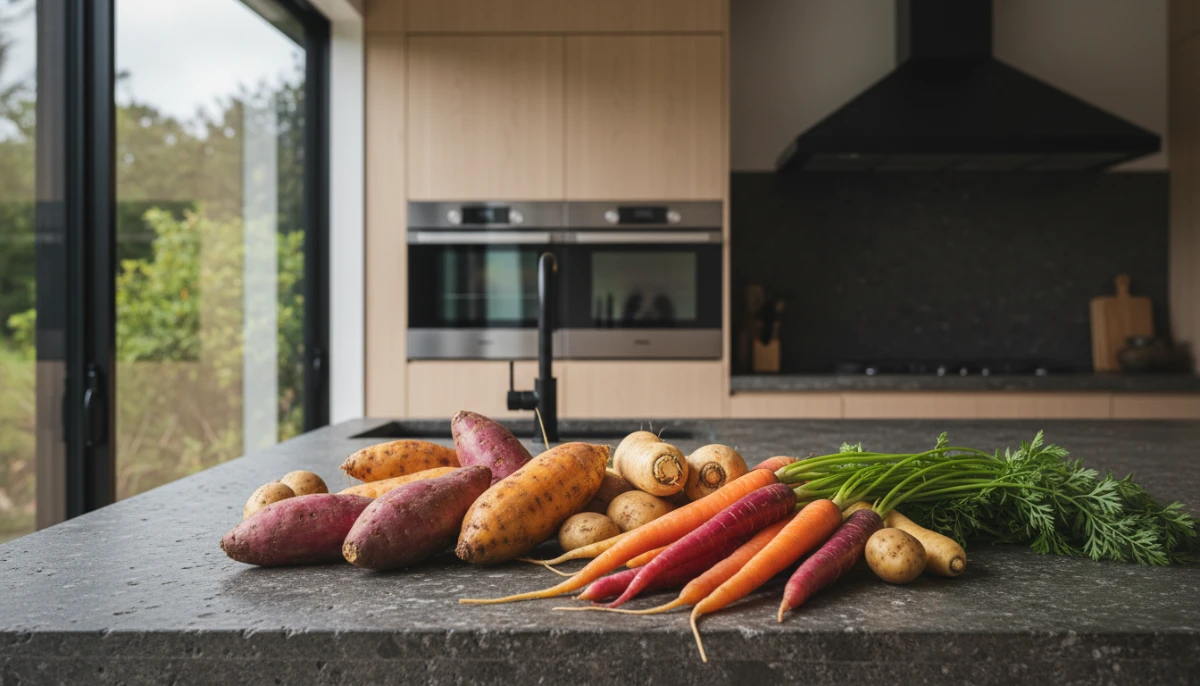
To understand nz style plant based cooking, one must first understand the foundation laid by Māori, the tangata whenua (people of the land). Long before European arrival, the Māori diet was heavily reliant on cultivated plants and foraged wild greens. The Kūmara (sweet potato) is perhaps the most iconic of these. Brought across the Pacific by early settlers, it became a staple crop that sustained iwi (tribes) through the winters. Today, the Kūmara remains the heart of the Kiwi plant-based kitchen, valued for its versatility, nutritional density, and deep cultural resonance.
The Wild Pantry: Puha and Watercress
Beyond cultivated crops, the practice of foraging is essential to the authentic Kiwi kitchen. Puha (sow thistle) and Wātakirihi (watercress) are two greens that have been gathered from the wild for generations. Puha, often found growing in the margins of gardens, offers a slightly bitter, peppery profile that cuts through the richness of roasted vegetables. Watercress, found in the cool, clear streams of the backcountry, provides a crisp, spicy bite. These are not just garnishes; they are nutrient-dense powerhouses that embody the wild spirit of the New Zealand landscape.
Rongoā and Culinary Flavor
Modern NZ plant-based cooking also draws from Rongoā Māori (traditional medicine). Plants like Kawakawa and Mānuka are being used in innovative ways. Kawakawa leaves, with their heart-shaped form and peppery taste, are being dried and ground into spice rubs or infused into oils and teas. Mānuka, while famous for its honey, also provides wood for smoking vegetables, imparting a distinctive, earthy aroma that is uniquely New Zealand. Incorporating these elements into plant-based dishes adds layers of complexity and a sense of place that cannot be replicated elsewhere.
The Rhythm of the Seasons in Aotearoa
True nz style plant based cooking is slave to the seasons. In a country where the weather can change in a heartbeat, the kitchen must be adaptable. This seasonal focus ensures that produce is eaten at its peak of flavor and nutritional value, while also supporting local growers and reducing food miles.
Spring & Summer
The arrival of spring brings asparagus from the Waikato, followed by the legendary Jersey Benne potatoes from the South Island. Summer is a riot of stone fruit from Central Otago—apricots, nectarines, and cherries—alongside sun-ripened tomatoes and sweet corn. Plant-based cooking in this period is light, fresh, and often involves quick grilling or raw preparations.
Autumn & Winter
As the air cools, the focus shifts to the earth. Pumpkins, squash, and heritage pears take center stage. Winter is the time for fermentation and preservation. The Kiwi kitchen relies on pickled radishes, fermented cabbage (kimchi and kraut), and jars of preserved summer fruits to provide brightness during the shorter days. Slow-cooked stews and roasted root vegetables become the dietary mainstays.
Essential Ingredients for the Plant-Based Kiwi Kitchen
Building a repertoire of nz style plant based cooking requires a few non-negotiable staples that reflect the country’s agricultural strengths. These ingredients provide the backbone for creative culinary exploration.
- New Zealand Hemp Seeds: NZ is a leader in high-quality hemp production. These seeds are a complete protein source and are used to make creamy milk, pestos, and nutritional toppings.
- Avocados from the North: Particularly from the Bay of Plenty and Northland, these provide the healthy fats and creamy textures essential for plant-based dressings and desserts.
- Sea Lettuce (Parengo): Harvesting seaweed is a burgeoning industry. Dried sea lettuce adds a salty, umami kick to dishes, acting as a natural seasoning that bridges the gap between land and sea.
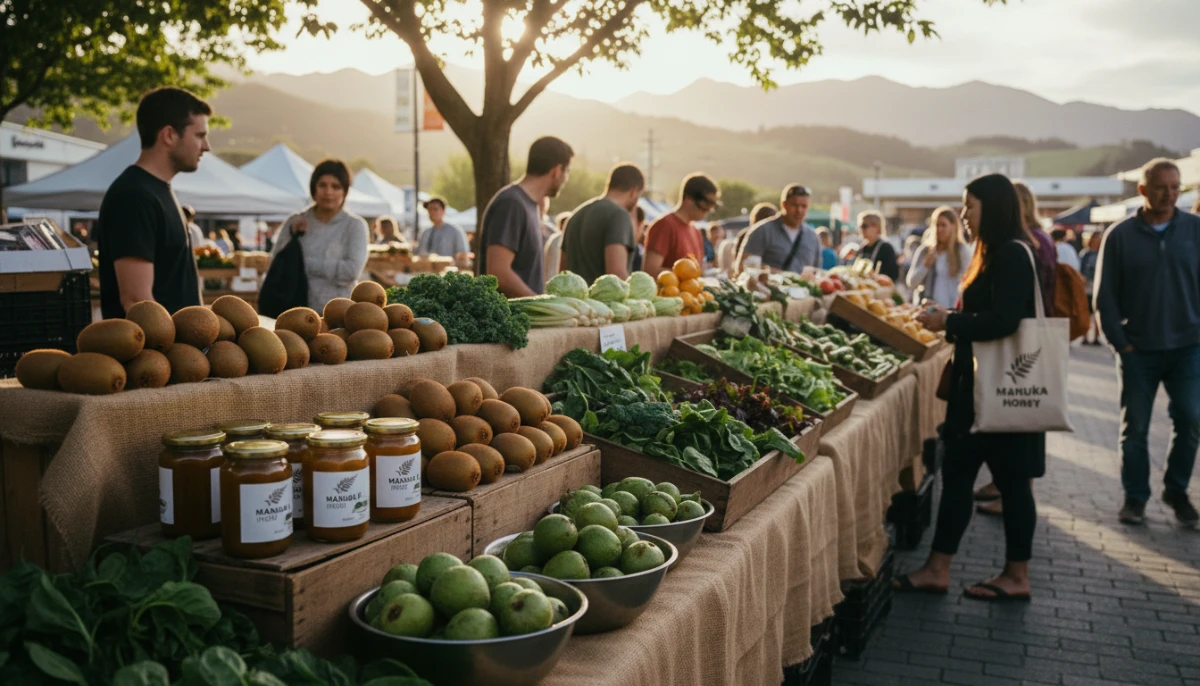
- Kiwifruit: Beyond a snack, kiwifruit is used in marinades and dressings. Its natural enzymes are excellent for tenderizing other plant-based proteins like tempeh or mushrooms.
- Locally Milled Grains: Canterbury-grown oats and ancient grains like quinoa are becoming common in the Kiwi pantry, providing the bulk for hearty plant-based bowls.
Innovative Techniques: From Hāngī to Modern Fusion
The magic of nz style plant based cooking often lies in the technique. How we apply heat and flavor can transform a simple vegetable into a gourmet experience. One of the most exciting developments is the adaptation of the traditional Hāngī for plant-based ingredients. Traditionally an earth oven used for meat and vegetables, the modern plant-based Hāngī focuses on slow-steaming large quantities of pumpkin, kūmara, and cabbage in the earth, resulting in a unique smoky-sweet profile that is impossible to achieve in a conventional oven.
Modern fusion also plays a huge role. New Zealand is a melting pot of Pacific and Asian influences. We see this in the way Kiwi chefs use miso to glaze roasted parsnips, or how coconut milk—a Pacific staple—is used to create rich, velvety laksa-inspired vegetable soups. Fermentation is another key technique; many Kiwi kitchens now house ‘scobys’ for kombucha and ‘starters’ for sourdough, alongside jars of fermenting seasonal vegetables.
Sustainability and the Ethics of Local Eating
For the modern Kiwi, plant-based eating is inextricably linked to sustainability. Aotearoa’s economy and environment are deeply connected, and there is a growing realization that our food choices impact the health of our soil, water, and climate. Nz style plant based cooking emphasizes regenerative agriculture and the reduction of waste. This means using the ‘root-to-stem’ approach—utilizing broccoli stalks in slaws, turning carrot tops into pesto, and composting scraps to feed the next generation of crops.
The ethics of eating locally are also paramount. Choosing New Zealand-grown soy or local nuts over imported alternatives reduces the carbon footprint and supports the local economy. This ‘locavore’ mindset ensures that the Kiwi kitchen remains a force for good, preserving the natural beauty of the country for future generations while providing world-class culinary experiences.
Sample Menu: A Day of NZ Plant-Based Excellence
Breakfast: The Alpine Start
Creamy Canterbury oats cooked with hemp milk, topped with poached Central Otago pears, a drizzle of Rewarewa honey (or maple for vegans), and toasted pumpkin seeds.
Lunch: The Coastal Bowl
A base of tri-color quinoa mixed with foraged watercress, roasted golden kūmara, pickled red onions, and a creamy avocado-lime dressing, sprinkled with dried sea lettuce.
Dinner: The Forest Feast
Mānuka-smoked king oyster mushrooms served on a bed of cauliflower and truffle puree, accompanied by sautéed puha and a kawakawa-infused reduction.

Frequently Asked Questions
What makes ‘NZ style’ plant-based cooking unique?
It is defined by the use of indigenous Māori ingredients (like Kūmara and Kawakawa), a fierce commitment to extreme seasonality, and a Pacific-fusion flavor profile that incorporates influences from across the Polynesian and Asian regions.
Where can I find indigenous NZ ingredients?
Many ingredients like Kawakawa and Puha can be foraged (with proper knowledge), while Kūmara and specialty greens are available at local farmers’ markets. Specialist online retailers also provide dried versions of native herbs.
Is plant-based eating expensive in New Zealand?
While some specialty products can be pricey, the core of NZ style plant-based cooking—seasonal vegetables, grains, and legumes—is very cost-effective, especially when bought from local growers or grown at home.