
Introduction: The Shift in New Zealand’s Protein Landscape
For decades, the New Zealand diet has been synonymous with dairy and meat production. We are a nation built on agriculture, where lamb, beef, and milk have traditionally formed the cornerstone of nutritional guidelines. However, a significant shift is occurring across Aotearoa. As medical research advances and environmental consciousness grows, the soy health benefits NZ residents are seeking have moved from the fringe to the mainstream.
Soy is no longer just a substitute ingredient for vegetarians; it is recognized as a functional food with potent preventative health properties. Yet, misinformation persists. Is it safe for hormones? How does it compare to our beloved whey protein or beef? This definitive guide serves as the New Zealand Soy Lifestyle & Medical Integration Hub’s comprehensive resource, dissecting the biochemistry, clinical evidence, and practical applications of soy consumption.
We will explore the specific advantages soy offers to the Kiwi population, backed by rigorous scientific scrutiny, to help you make informed decisions about your dietary architecture.

The Nutritional Profile of Soy: More Than Just Protein
To understand the health implications of soy, one must first understand its unique biological composition. The soybean (Glycine max) is an anomaly in the plant kingdom. Unlike most plant-based foods, soy provides a complete protein profile.
The Amino Acid Advantage
Proteins are built from amino acids. There are nine “essential” amino acids that the human body cannot synthesize and must obtain from food. Most plant sources (like rice or beans) are incomplete, lacking one or more of these building blocks. Soy, however, contains all nine essential amino acids in sufficient quantities to support human health, growth, and repair.
Isoflavones: The Secret Weapon
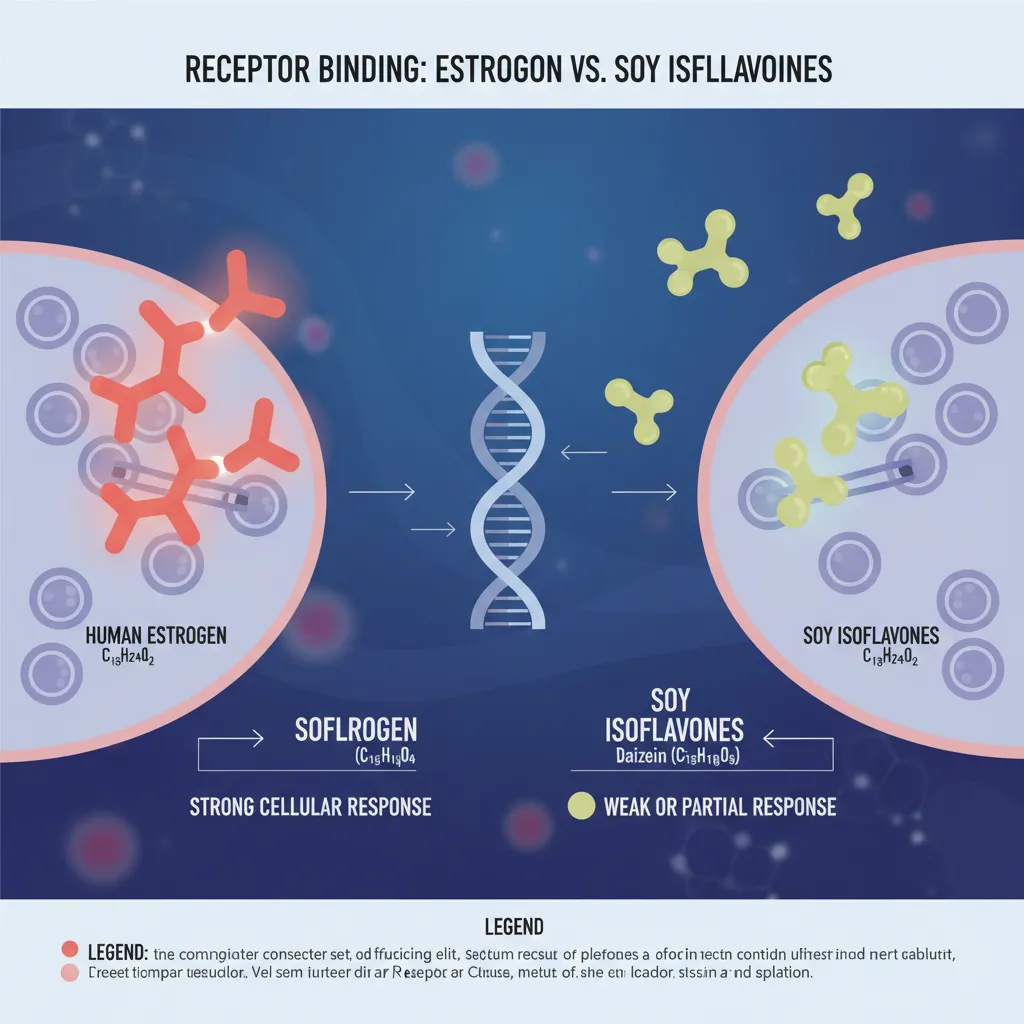
Beyond macronutrients, soy is the richest dietary source of isoflavones, specifically genistein, daidzein, and glycitein. These are a class of phytoestrogens—plant-derived compounds that structurally mimic human estrogen but function very differently within the body. This distinction is critical for understanding soy’s role in cancer prevention and hormonal balance, which we will detail later in this guide.
Soy Protein vs. Animal Protein: The Scientific Breakdown
In New Zealand, the debate often centers on whether plant protein can truly compete with animal protein. The metric used by the World Health Organization to evaluate protein quality is the PDCAAS (Protein Digestibility Corrected Amino Acid Score). Soy protein isolate has a PDCAAS of 1.0, which is the highest possible score, placing it on par with egg whites and casein (milk protein).
However, the package the protein comes in matters just as much as the protein itself. Below is a detailed comparison of soy versus traditional animal sources common in NZ diets.
| Nutrient / Factor | Soy Protein (Firm Tofu, 100g) | Animal Protein (Lean Beef, 100g) |
|---|---|---|
| Protein Content | ~12-17g (varies by firmness) | ~26g |
| Saturated Fat | Low (~0.5g) | High (~2-5g depending on cut) |
| Cholesterol | 0mg | ~90mg |
| Fiber | High (~2-3g) | 0g |
| Phytonutrients | Rich in Isoflavones | None |
| Kidney Load | Low renal acid load | High renal acid load |
While animal protein is denser per gram, it comes accompanied by cholesterol and saturated fat, which are risk factors for cardiovascular disease. Soy protein comes accompanied by fiber, healthy polyunsaturated fats, and antioxidants. For New Zealanders looking to improve longevity, swapping 2-3 meat-based meals a week for soy-based meals can significantly alter blood lipid profiles.
Soy and Hormone Health: Debunking the Estrogen Myth
Perhaps the most pervasive myth surrounding soy in New Zealand is the fear that it disrupts hormones, causes “man boobs” (gynecomastia) in men, or increases breast cancer risk in women. This stems from a misunderstanding of phytoestrogens.
Selective Estrogen Receptor Modulators (SERMs)
Soy isflavones act as natural SERMs. The human body has two types of estrogen receptors: Alpha and Beta. Estrogen binds to both. However, soy isflavones preferentially bind to Beta receptors.
- Alpha Receptors: Found in breast and reproductive tissue. Over-stimulation here can promote cell growth (cancer risk).
- Beta Receptors: Found in bone, brain, and blood vessel tissue. Stimulation here is generally protective.
Because soy isflavones bind weakly to Alpha receptors and can actually block stronger human estrogen from binding there, research suggests soy may have an anti-estrogenic effect in reproductive tissues, potentially lowering the risk of hormone-dependent cancers.
Impact on Men’s Health
A comprehensive meta-analysis published in Fertility and Sterility analyzed dozens of clinical studies and found that soy protein and isoflavone intake had no effect on testosterone levels in men. The fear of feminization is not supported by clinical data in humans consuming standard dietary amounts of soy.
Heart Health and Cholesterol Management
Cardiovascular disease remains a leading cause of death in New Zealand. This is where soy shines as a therapeutic food. The connection between soy and heart health is so strong that many international health bodies allow health claims regarding soy’s ability to lower cholesterol.
“Clinical trials consistently demonstrate that replacing animal protein with soy protein directly lowers LDL (bad) cholesterol levels while maintaining or slightly increasing HDL (good) cholesterol.”
The mechanism is twofold:
- Displacement: By eating tofu instead of a steak, you are directly reducing your intake of saturated fat.
- Intrinsic Action: Soy protein regulates the liver’s LDL receptors, improving the body’s ability to clear cholesterol from the bloodstream.
For the average Kiwi diet, which can be high in dairy fats and processed meats, integrating soy milk or tempeh is a strategic move for arterial health.
Medical Professional Views on Soy in NZ
What do New Zealand’s health authorities actually say? The consensus among dietitians and medical bodies is overwhelmingly positive, provided the soy is consumed as whole foods rather than highly processed supplements.
Dietitians NZ & The Heart Foundation
Registered dietitians in NZ frequently recommend soy products (tofu, tempeh, fortified soy milk) as excellent alternatives to meat. The Heart Foundation of New Zealand encourages the consumption of legumes, including soybeans, as part of a heart-healthy dietary pattern. They highlight the importance of choosing products low in added sugars and sodium.
Cancer Society of New Zealand
The Cancer Society acknowledges that while myths exist, current evidence indicates that soy foods are safe for breast cancer survivors and may even reduce recurrence. They emphasize whole soy foods over concentrated isoflavone powders or pills.
Pros and Cons: A Balanced Perspective
To provide a truly objective view for the NZ consumer, we must weigh the benefits against potential drawbacks.
The Pros
- High-Quality Protein: Complete amino acid profile essential for muscle repair.
- Cholesterol Reduction: Proven to lower LDL cholesterol and support heart health.
- Bone Health: Isoflavones may improve bone mineral density, vital for post-menopausal women.
- Menopause Relief: Can reduce the frequency and severity of hot flushes.
- Sustainability: Lower carbon footprint and water usage compared to NZ dairy and beef farming.
The Cons
- Thyroid Interference: In individuals with existing hypothyroidism and low iodine intake, excessive soy may inhibit medication absorption (ensure adequate iodine intake).
- Allergies: Soy is one of the top allergens; those with specific sensitivities must avoid it.
- GMO Concerns: While most soy grown in NZ is non-GMO, imported processed soy ingredients can be genetically modified (look for organic certification).
- Anti-Nutrients: Contains phytates which can reduce mineral absorption (mitigated by fermentation, e.g., Tempeh/Miso).
Incorporating Soy into the Kiwi Diet
Adopting soy doesn’t mean giving up the culinary culture of New Zealand. It means evolving it. Here are practical ways to integrate soy health benefits into a standard NZ lifestyle:
1. The Flat White Upgrade
New Zealand coffee culture is world-class. Switch your dairy milk for soy milk. Modern barista-blend soy milks are formulated to stretch perfectly without curdling. Pro-tip: Ensure the soy milk is calcium-fortified to match the bone-health benefits of cow’s milk.
2. The Sunday Roast Alternative
Tempeh is a fermented soy product with a nutty, meaty texture. Marinated in soy sauce, garlic, and rosemary, it can be roasted alongside kumara and potatoes for a nutrient-dense, plant-based Sunday dinner.
3. Summer BBQs
Instead of processed veggie sausages, try firm tofu skewers. Press the tofu to remove water, cube it, and marinate in a Kiwi-style BBQ sauce. It chars beautifully on the grill and absorbs flavor better than meat.
Frequently Asked Questions
Does soy affect thyroid function in New Zealanders?
Soy is goitrogenic, meaning it can interfere with iodine uptake. Since New Zealand soils are naturally low in iodine, this is a valid consideration. However, for healthy adults with sufficient iodine intake (from iodized salt or seafood), soy poses no risk to thyroid function. Those on thyroid medication should space out soy consumption from their medication time.
Is soy milk better than oat or almond milk?
Nutritionally, yes. Soy milk is the only plant milk that naturally rivals dairy milk in protein content (approx. 8g per cup). Almond and oat milks are often low in protein and high in carbohydrates. For a nutritional swap for cow’s milk, soy is the superior choice.
Is most soy in NZ Genetically Modified (GMO)?
Strict regulations govern GMOs in New Zealand. Fresh soy products manufactured in NZ often use non-GMO beans. However, imported processed foods containing soy lecithin or protein isolate may be GMO. To be certain, look for “Certified Organic” or “Non-GMO” labels.
Can children eat soy products?
Yes, soy is safe and nutritious for children. It provides essential protein, calcium (if fortified), and vitamins necessary for growth. It is a common ingredient in infant formulas for babies intolerant to cow’s milk protein.
How much soy should I eat per day for health benefits?
Research suggests that 2 to 3 servings of whole soy foods per day provide significant health benefits without exceeding safety limits. A serving could be one cup of soy milk, 1/2 cup of tofu, or 1/2 cup of edamame.