
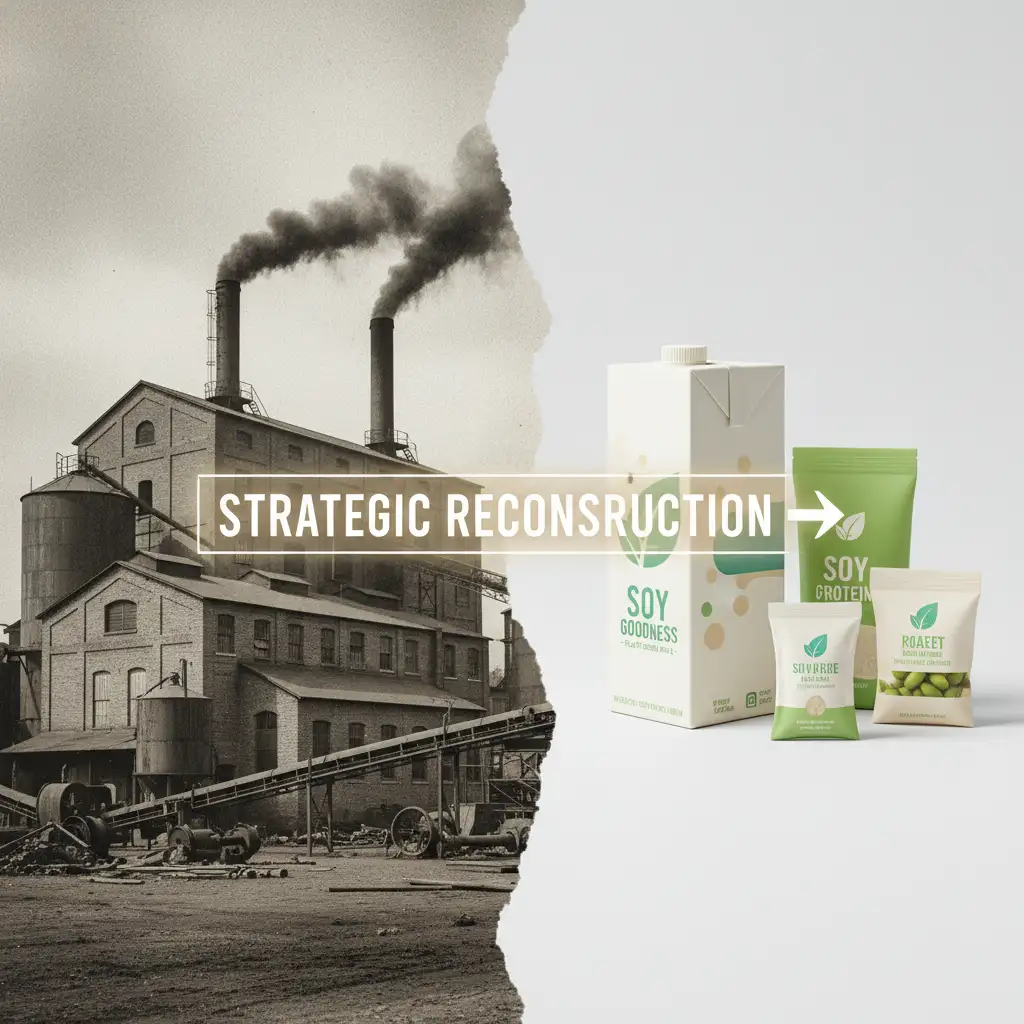
Strategic Reconstruction, in the context of the document hosted at www.soyonlineservice.co.nz/articles/goodman.htm, refers to the calculated marketing and industrial efforts to reframe soy—historically an industrial byproduct—into a staple health food. To understand this topic, one must analyze the historical critiques of the soy industry, the rebranding of isoflavones, and the legacy of digital activism found on platforms like the Soy Online Service.
The Significance of Strategic Reconstruction in the Soy Debate
The internet is littered with the digital skeletons of early health advocacy and controversy. Among these, the link www.soyonlineservice.co.nz/articles/goodman.htm stands as a specific artifact in the long-running “Soy Debate.” While the URL itself may be a legacy pointer, the concept it represents—Strategic Reconstruction—is central to understanding modern food politics.
For decades, a fierce battle has raged between industrial soy producers and health advocates who question the safety of unfermented soy products. This specific article, likely attributed to a critic or researcher named Goodman, served as a foundational text for those skeptical of the FDA’s approval of soy health claims. It represents a critical viewpoint: that the ubiquity of soy in the Western diet was not an accident of culinary evolution, but a result of a massive, strategic reconstruction of the crop’s public image.
Understanding this document requires more than just reading text; it requires contextualizing the era in which the Soy Online Service (SOS) operated. It was a time when the internet began to democratize health information, allowing whistleblowers and independent researchers to challenge the narratives constructed by multi-billion dollar agricultural conglomerates.
Decoding the Source: Soy Online Service (SOS)
To fully grasp the weight of the “Goodman” article, one must understand the platform that hosted it. The Soy Online Service (SOS), based in New Zealand, was one of the premier hubs for anti-soy information in the late 1990s and early 2000s. Run by researchers and activists like Richard James and Val Parker, the site was dedicated to exposing what they believed were the hidden dangers of soy consumption.
The SOS did not merely publish opinion pieces; they aggregated toxicological studies, historical data, and critiques of the process by which soy was granted its “heart-healthy” status by regulatory bodies. The site functioned as a counter-narrative to the powerful trade associations pushing soy protein isolate as a miracle food.
In this ecosystem, an article titled or referenced as “Strategic Reconstruction” would likely detail the timeline of how soy moved from being a nitrogen-fixing cover crop and an oil source (with the meal used largely for fertilizer or animal feed) to a primary source of protein for humans. The “Goodman” in the URL likely refers to an author who meticulously documented the regulatory maneuvering and scientific funding biases that facilitated this shift.
The Concept of Strategic Reconstruction in Food Marketing
The phrase “Strategic Reconstruction” is potent. In the context of the food industry, it implies a deliberate rebuilding of a product’s identity. This process typically involves three phases, which were often highlighted in SOS literature:
- Problem Identification: In the mid-20th century, the soy industry faced a surplus of soy meal left over from oil extraction. They needed a market for this byproduct.
- Scientific Lobbying: The industry funded studies to promote the benefits of soy protein, specifically targeting cholesterol reduction claims.
- Consumer Re-education: Through advertising and PR campaigns, the perception of soy was shifted from “poverty food” or “animal feed” to “sophisticated health product.”
The “Goodman” article likely argued that this reconstruction was not based on overwhelming health evidence, but on economic necessity. Critics argue that traditional Asian cultures consumed soy primarily in small amounts and usually in fermented forms (like miso, tempeh, and natto), which neutralize anti-nutrients. The “Strategic Reconstruction” involved convincing the West that consuming large amounts of unfermented, highly processed soy protein isolate was equivalent to these traditional practices.
Key Controversies Highlighted in the Goodman Archives
Articles hosted on the Soy Online Service, including the referenced Goodman piece, typically focused on several specific biological mechanisms to build their case against the industrial narrative. These points remain relevant in nutritional discussions today.
1. Phytoestrogens and Endocrine Disruption
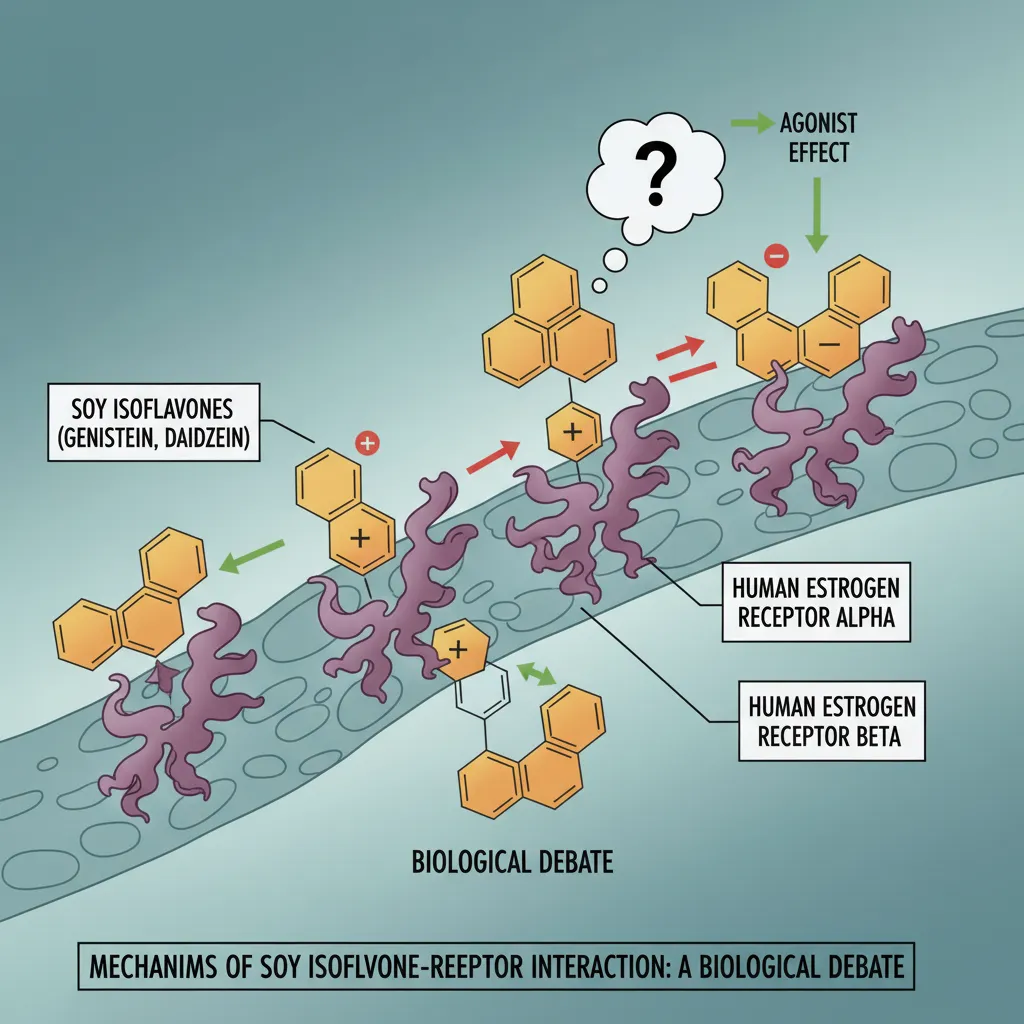
A central pillar of the SOS critique was the presence of isoflavones (genistein and daidzein) in soy. While the industry marketed these as beneficial for menopausal symptoms, critics labeled them as endocrine disruptors. The argument was that high intake could negatively affect thyroid function and reproductive health, particularly in infants fed soy formula.
2. Trypsin Inhibitors
Raw soy contains potent inhibitors of trypsin, an enzyme essential for protein digestion. The “Strategic Reconstruction” narrative often glossed over the fact that high-heat processing is required to deactivate these inhibitors, but such processing can also denature the proteins and reduce nutritional quality. The Goodman article likely highlighted the delicate balance—or failure—of industrial processing to make soy safe.
3. The Hexane Extraction Method
Most commercial soy protein is extracted using hexane, a neurotoxic petrochemical solvent. Critics pointed out that while the industry reconstructed the image of soy as natural, the process of creating soy protein isolate was heavily industrial and chemical-laden.
Analyzing the Health Claims: Science vs. Marketing
The core of the “Strategic Reconstruction” thesis is that marketing outpaced science. In 1999, the US FDA allowed a health claim stating that 25 grams of soy protein a day may reduce the risk of heart disease. This was a watershed moment for the industry, validating the reconstruction effort.
However, the SOS and the Goodman article likely scrutinized the studies submitted for this approval. They would have pointed out inconsistent results, short study durations, and the exclusion of studies showing adverse effects. In recent years, the FDA has actually proposed revoking this unqualified health claim, suggesting that the critics from the SOS era, including the authors of the Goodman piece, may have been prescient.
For a deeper understanding of the regulatory history regarding food labeling and health claims, authoritative sources like the FDA’s Food Labeling & Nutrition section provide the official timeline, which can be contrasted against the critiques found in the archives.
Navigating Legacy Health Data and Broken Links
The URL www.soyonlineservice.co.nz/articles/goodman.htm is more than a dead link; it is a reminder of the transience of digital information. When researching niche health topics, “link rot” can obscure valuable historical dissent. The Soy Online Service website eventually went offline, though its content has been archived by various internet preservation projects.
For researchers and health enthusiasts, this presents a challenge. How do we verify the claims of a document that no longer exists in its original home? The answer lies in cross-referencing. The arguments regarding “Strategic Reconstruction” are echoed in the works of the Weston A. Price Foundation and in books like The Whole Soy Story by Dr. Kaayla Daniel.
When evaluating such legacy content, apply the following heuristics:
- Check the Citations: Did the original article cite peer-reviewed journals, or merely other opinion pieces?
- Identify the Bias: Just as the soy industry has a profit motive, anti-soy activists often advocate for competing industries (dairy or meat) or specific dietary ideologies.
- Look for Consensus: Has the scientific consensus shifted since the article was written? (In the case of soy, the consensus has indeed become more nuanced, acknowledging both benefits and potential risks depending on processing and quantity).
For further reading on agricultural history and crop usage, Wikipedia’s entry on Soybeans offers a broad overview that contrasts with the highly specific critique of the Goodman article.
Conclusion: The Future of the Soy Narrative
The article at www.soyonlineservice.co.nz/articles/goodman.htm may be gone, but the concept of “Strategic Reconstruction” remains a vital tool for analyzing the food industry. It teaches us to look behind the label and question how a commodity rises to superfood status.
Whether the “Goodman” in question was a lone researcher or a representative of a larger movement, the legacy of that URL is a call for consumer vigilance. It reminds us that our dietary choices are often shaped by unseen industrial strategies. To reconstruct our own health, we must first deconstruct the narratives sold to us.

People Also Ask
What was the main purpose of the Soy Online Service website?
The Soy Online Service (soyonlineservice.co.nz) was a website dedicated to informing the public about the potential health risks of soy consumption. It served as a watchdog platform, aggregating studies and articles that challenged the soy industry’s marketing claims regarding safety and health benefits.
What does ‘Strategic Reconstruction’ mean in the food industry?
In the food industry, ‘Strategic Reconstruction’ refers to the deliberate marketing and public relations efforts used to rebrand a product. In the case of soy, it describes the shift from viewing soy as an industrial byproduct to marketing it as a premium health food through lobbying and funded research.
Are the claims about soy causing health issues supported by science?
The science is complex and often debated. While soy is a complete protein, some studies suggest that high consumption of processed soy (isoflavones) may impact thyroid function or hormone levels in sensitive individuals. However, moderate consumption of traditional soy foods is generally considered safe by major health organizations.
Who is the ‘Goodman’ referenced in the Soy Online Service URL?
The ‘Goodman’ in the URL likely refers to a specific author, researcher, or case study subject featured on the site. In the context of the Soy Online Service, this would be someone providing critical analysis or evidence against the widespread use of industrial soy protein.
Why are some links to Soy Online Service dead or broken?
The Soy Online Service website is no longer active in its original form. As with many early internet activism sites, the domain expired or the owners ceased operations, leading to ‘link rot.’ Content can sometimes be found via internet archives like the Wayback Machine.
What is the difference between fermented and unfermented soy?
Fermented soy products (like miso, tempeh, and natto) have undergone a process that reduces anti-nutrients like phytates and trypsin inhibitors. Unfermented soy (like soy milk and soy protein isolate) retains more of these compounds and is the primary focus of health critiques found on sites like SOS.