
Cost effective plant protein NZ refers to protein sources available within the New Zealand market that provide the highest density of complete amino acids per dollar spent. Among current market options, soy products—specifically textured vegetable protein (TVP) and tofu—consistently rank as the superior financial choice, offering a complete protein profile at a fraction of the cost of imported pea isolates or branded oat-based alternatives.
Understanding the NZ Plant Protein Market
In recent years, the New Zealand grocery landscape has undergone a significant transformation. Driven by a global shift toward sustainability and a domestic cost-of-living crisis, Kiwis are increasingly examining the price tags on their protein sources. While New Zealand has traditionally been a dairy and meat powerhouse, the rising shelf price of animal products has forced many households to seek alternatives. This search has led to a booming interest in plant-based diets, not merely for ethical reasons, but as a fiscal necessity.
However, not all plant proteins are created equal, nor are they priced equally. The supermarket shelves in Auckland, Wellington, and Christchurch are now stocked with a dizzying array of options ranging from almond and oat derivatives to pea protein isolates and traditional soy products. For the budget-conscious consumer, navigating this aisle requires more than just looking at the sticker price; it requires understanding the protein density relative to that price.
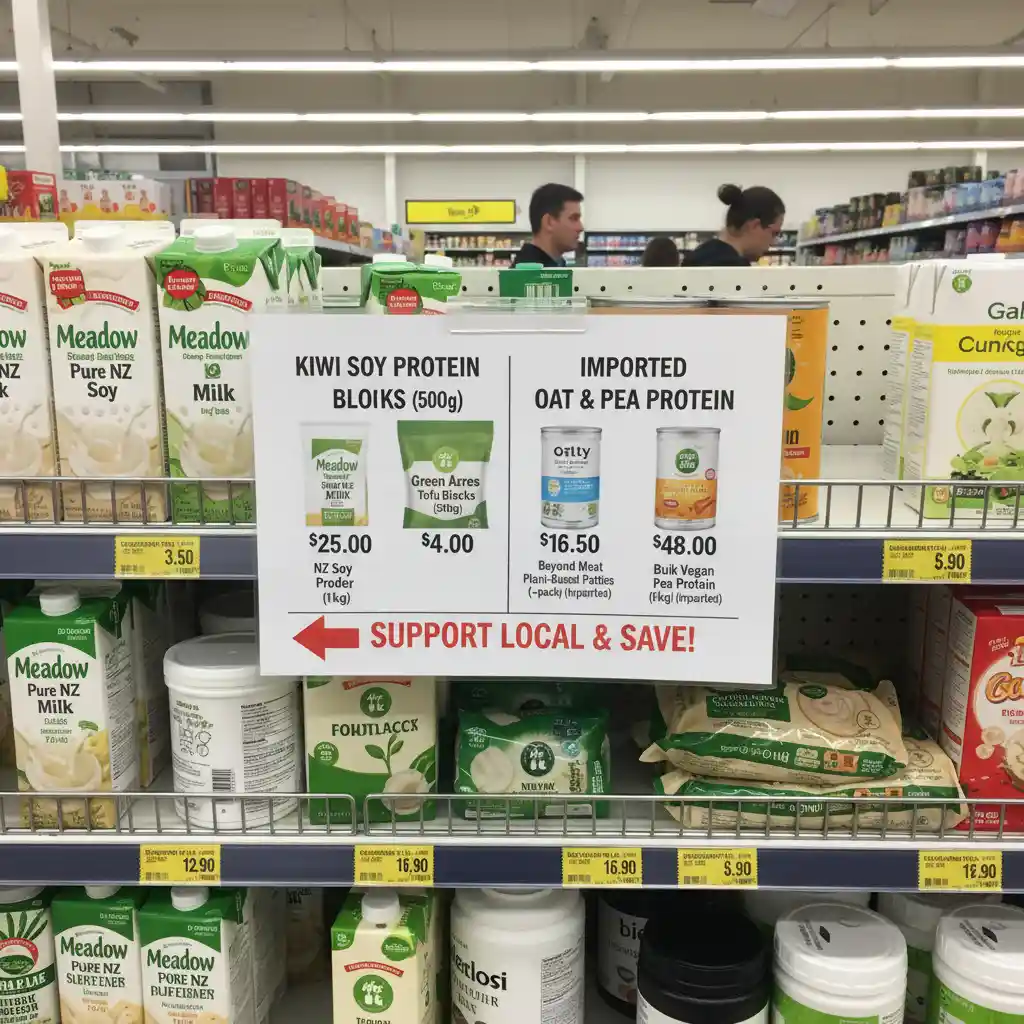
The market is currently segmented into two distinct categories: the “trendy” alternatives and the “traditional” staples. The trendy sector, dominated by oat milk and processed pea-protein meat analogues, often carries a premium due to marketing, import costs, and complex processing requirements. Conversely, the traditional sector, primarily soy-based foods like tofu, tempeh, and Textured Vegetable Protein (TVP), remains relatively insulated from the hype-tax, offering a raw economic advantage that is often overlooked. According to data from Stats NZ, food prices have seen historic increases, making the cost-efficiency of basic staples like soy more critical than ever for maintaining a balanced household budget.
Comparative Cost Analysis: Soy vs Oat vs Pea
To truly identify the most cost effective plant protein NZ has to offer, we must strip away the branding and look at the raw mathematics of protein purchasing. We will compare three primary contenders: Soy, Oat, and Pea protein. The analysis focuses on the “Cost Per Gram of Protein” (CPGP), which is the only metric that matters for nutritional budgeting.
1. The High Cost of Oat Protein
Oat-based products have surged in popularity, particularly in the beverage sector. However, as a protein source, oats are financially inefficient. A standard litre of oat milk typically contains only 1% to 3% protein. To achieve the same protein intake as a single block of tofu, a consumer would often need to consume liters of oat milk or large quantities of oat-based meat alternatives, which are frequently bulked up with starches and oils. When calculated, the cost per gram of protein for oat products is astronomically high, often exceeding NZD $0.15 per gram of protein due to the low protein density of the raw ingredient.
2. The Mid-Range: Pea Protein
Pea protein is the current darling of the “fake meat” industry. It is a solid performer with a decent amino acid profile. However, in New Zealand, much of the pea protein isolate used in manufacturing is imported. This exposure to global supply chain fluctuations and shipping costs keeps the price mid-to-high. While cheaper than meat, pea protein isolates (often found in protein powders or burger patties) usually range between NZD $0.06 and $0.10 per gram of protein. It is a viable option, but rarely the cheapest.
3. The Financial Champion: Soy
Soy remains the undisputed king of cost-efficiency. Let us look at Textured Vegetable Protein (TVP), a dehydrated soy product available in bulk bins across NZ. TVP is approximately 50% protein by weight. If you purchase TVP at a bulk store (like Bin Inn) for roughly NZD $10.00 per kilogram, you are effectively paying for 500 grams of pure protein. This results in a cost of roughly NZD $0.02 per gram of protein. Even standard supermarket firm tofu, costing around NZD $3.00 for a 300g block (containing ~45g of protein), comes out to roughly NZD $0.06 per gram. This makes soy anywhere from 30% to 600% cheaper than its competitors per unit of nutrition.
Nutritional Value for Money: The Hidden Metric
Price is only half the equation; bioavailability is the other. When seeking a cost effective plant protein NZ consumers must consider the Protein Digestibility Corrected Amino Acid Score (PDCAAS). This score measures how well the human body can use the protein provided.
Soy is one of the few plant proteins that is considered a “complete protein,” boasting a PDCAAS score near 1.0, which is comparable to beef and egg whites. This means that nearly every gram of protein you pay for is utilized by your body for muscle repair and enzymatic function.
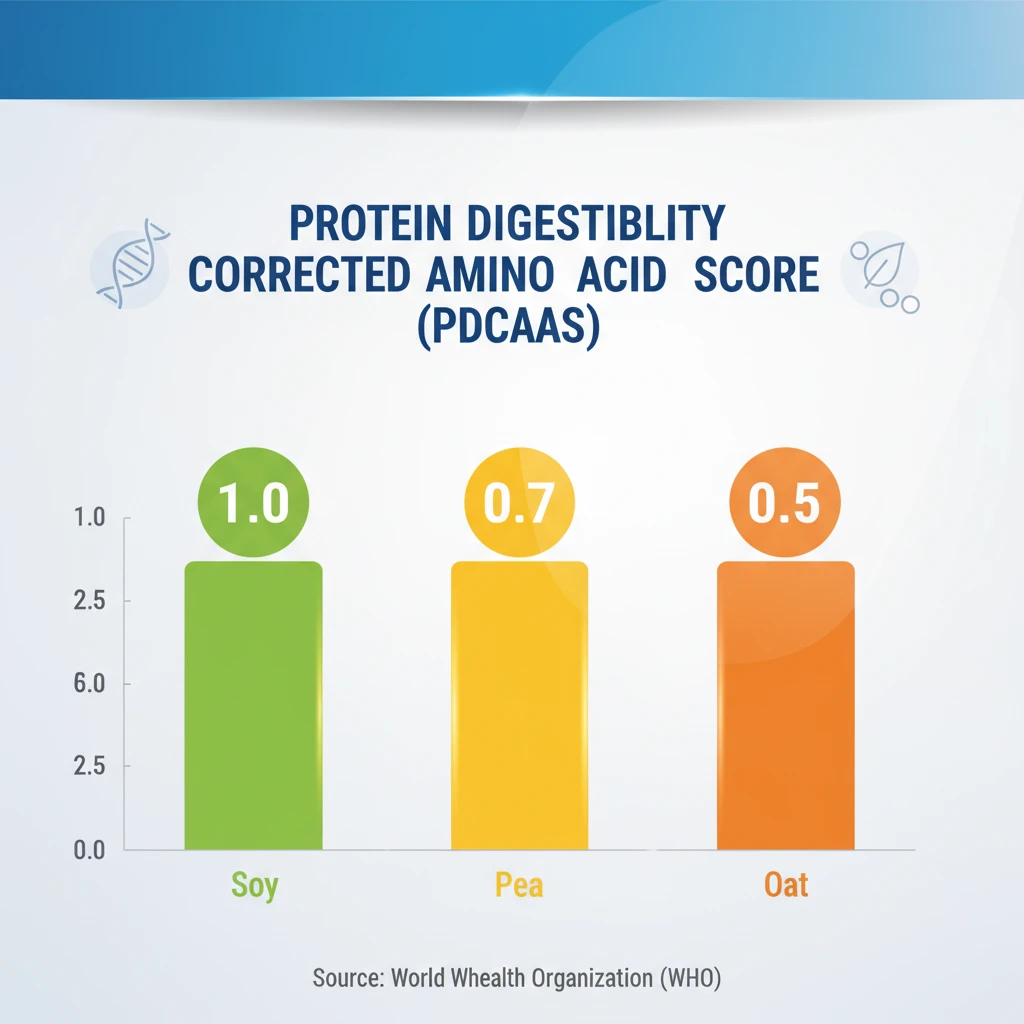
In contrast, wheat gluten (seitan) and oat protein are incomplete proteins. They lack essential amino acids like lysine. To make them nutritionally equivalent to soy, you must pair them with other foods (like beans or lentils), which adds to the total meal cost. Therefore, when you buy soy, you are buying a standalone nutritional solution. Buying oats or wheat often requires supplementary spending to round out the amino acid profile. For detailed guidance on protein requirements, resources like Manatū Hauora – Ministry of Health provide excellent benchmarks for New Zealanders.
Long-Term Savings with Soy
Adopting soy as a primary protein source yields compounding financial benefits over time. The savings extend beyond the weekly grocery receipt.
Shelf Life and Waste Reduction
One of the hidden costs of fresh meat and some processed plant alternatives is spoilage. Fresh mince or fancy pea-protein patties have a short fridge life. If not cooked within a few days, the investment goes into the rubbish bin. Soy products, particularly TVP and dried soy beans, are non-perishable. They can sit in a pantry for months or years without degrading. Even tofu, when sealed, has a shelf life of weeks, and can be frozen to extend its life by months. This reduction in food waste is a critical component of long-term financial health.
Medical and Health Costs
While this article focuses on direct financial costs, the indirect economic impact of health cannot be ignored. High consumption of processed meats is linked to various health issues that incur costs later in life. Soy is naturally low in saturated fat and contains zero cholesterol. By swapping high-cost, high-risk animal proteins for low-cost, heart-healthy soy, New Zealanders invest in their future physical capital, potentially reducing healthcare expenditures associated with diet-related lifestyle diseases.
Where to Buy Affordable Soy Products in NZ
To maximize your savings, knowing where to shop is as important as knowing what to buy. Here is a strategic guide to sourcing the most cost effective plant protein NZ has available.
1. Bulk Food Stores (Bin Inn)
For the absolute lowest price, bulk stores are essential. Stores like Bin Inn allow you to dispense TVP, soy beans, and soy chunks from gravity bins. By bringing your own containers, you save on packaging costs. This is where you will find the “2 cents per gram” value mentioned earlier.
2. Asian Supermarkets
New Zealand has a vibrant network of Asian grocers (e.g., Tai Ping, Lim Chhour). These retailers often stock fresh tofu, dried bean curd sticks (yuba), and soy milk at prices significantly lower than mainstream supermarkets. It is common to find a kilogram of fresh tofu for under NZD $6.00, a price point that mainstream chains rarely match.
3. Mainstream Supermarket Private Labels
If you must shop at Countdown (Woolworths), New World, or Pak’nSave, stick to the private label (home brand) soy products. The “Macro” or “Pams” brands of tofu and soy milk are often produced in the same facilities as premium brands but sold at a discount. Avoid the imported, fancy-packaged “artisan” soy products if your goal is strict cost-effectiveness.
Frequently Asked Questions
Here are common questions regarding the cost and efficacy of soy protein in New Zealand.
Is soy protein cheaper than whey protein in NZ?
Yes, soy protein is generally cheaper than whey protein in New Zealand. While whey prices fluctuate with the dairy market, soy isolate and bulk soy foods (like TVP) remain more stable and cost-effective per serving.
What is the most affordable form of soy protein?
Textured Vegetable Protein (TVP) is the most affordable form. Bought in bulk, it provides the highest protein-to-price ratio compared to tofu, tempeh, or soy milk.
Is soy protein considered a complete protein?
Yes, soy is a complete protein, meaning it contains all nine essential amino acids necessary for human health, making it nutritionally superior to oats or wheat gluten.
Where can I buy bulk soy protein in NZ?
You can buy bulk soy protein at stores like Bin Inn, various Asian supermarkets, or online wholefood retailers in New Zealand which offer lower prices per kilogram than standard supermarkets.
Does soy milk cost more than cow’s milk in NZ?
Historically, soy milk was more expensive, but the gap has narrowed. Private label (home brand) soy milk is now often comparable in price to standard cow’s milk, and significantly cheaper than artisan oat or almond milks.
Is eating soy daily safe for men?
Yes, extensive research shows that moderate daily consumption of soy is safe for men and does not negatively affect testosterone levels. It is a healthy, heart-friendly protein source.