
The future of plant based protein is defined by the convergence of agricultural heritage and biotechnology, where soy serves as the critical substrate for innovation. By leveraging advanced processing and precision fermentation, the industry is transforming this complete protein into a versatile scaffold for next-generation meat analogues, ensuring food security through sustainable, scalable technology.
While the global conversation around alternative proteins often chases the newest, shiniest ingredients—from mycelium to cricket flour—one crop remains the undisputed heavyweight champion: the soybean. Often misunderstood and frequently debated, soy is not merely a relic of the vegetarian movements of the past; it is the technological backbone of the future. As we navigate a projected population of 10 billion by 2050, the future of plant based protein relies heavily on our ability to optimize, fractionate, and reassemble the soybean.
In the context of the New Zealand lifestyle, which values both agricultural integrity and cutting-edge innovation, understanding soy’s trajectory is essential. This guide explores how the “OG superfood” is being reimagined through the lens of future food tech, bridging the gap between traditional farming and the high-tech laboratories defining what we will eat tomorrow.
The Foundational Role of Soy in the Protein Revolution
To understand where the industry is going, we must acknowledge the unique architecture of the soybean. Unlike other legumes, soy is a “complete” protein, meaning it contains all nine essential amino acids necessary for human health in adequate proportions. This biological fact makes it the gold standard against which all other plant proteins are measured.
In the early days of meat alternatives, soy was primarily used in its whole form or as simple textured vegetable protein (TVP). However, the future of plant based protein is moving away from simple extrusion and toward molecular reconstruction. Soy protein isolates and concentrates are now being engineered to mimic the fibrous texture of muscle tissue more accurately than ever before.
The versatility of soy lies in its functional properties—gelling, emulsification, and water-holding capacity. These are the mechanical levers food scientists pull to create products that do not just “taste” like meat but behave like it during cooking. As we look forward, we are seeing a shift from masking soy’s flavor to utilizing its neutral profile as a canvas for high-fidelity flavor systems.
Precision Fermentation and Molecular Farming
The most exciting frontier in food technology is not just using plants, but using plants to program microorganisms. This is where soy enters the realm of precision fermentation and molecular farming. The future of plant based protein is not strictly “plant-based” in the traditional sense; it is often a hybrid of biology and technology.
Soy Leghemoglobin and the “Bleeding” Factor
One of the most famous applications of this technology is the production of heme (iron-containing molecules) using soy DNA. By inserting the genetic code for soy leghemoglobin into yeast, food tech companies can produce the specific molecule responsible for the metallic, savory flavor of meat via fermentation tanks. This innovation proved that soy holds the genetic keys to unlocking meat-identical flavors without the animal.
Scaffolding for Cultivated Meat
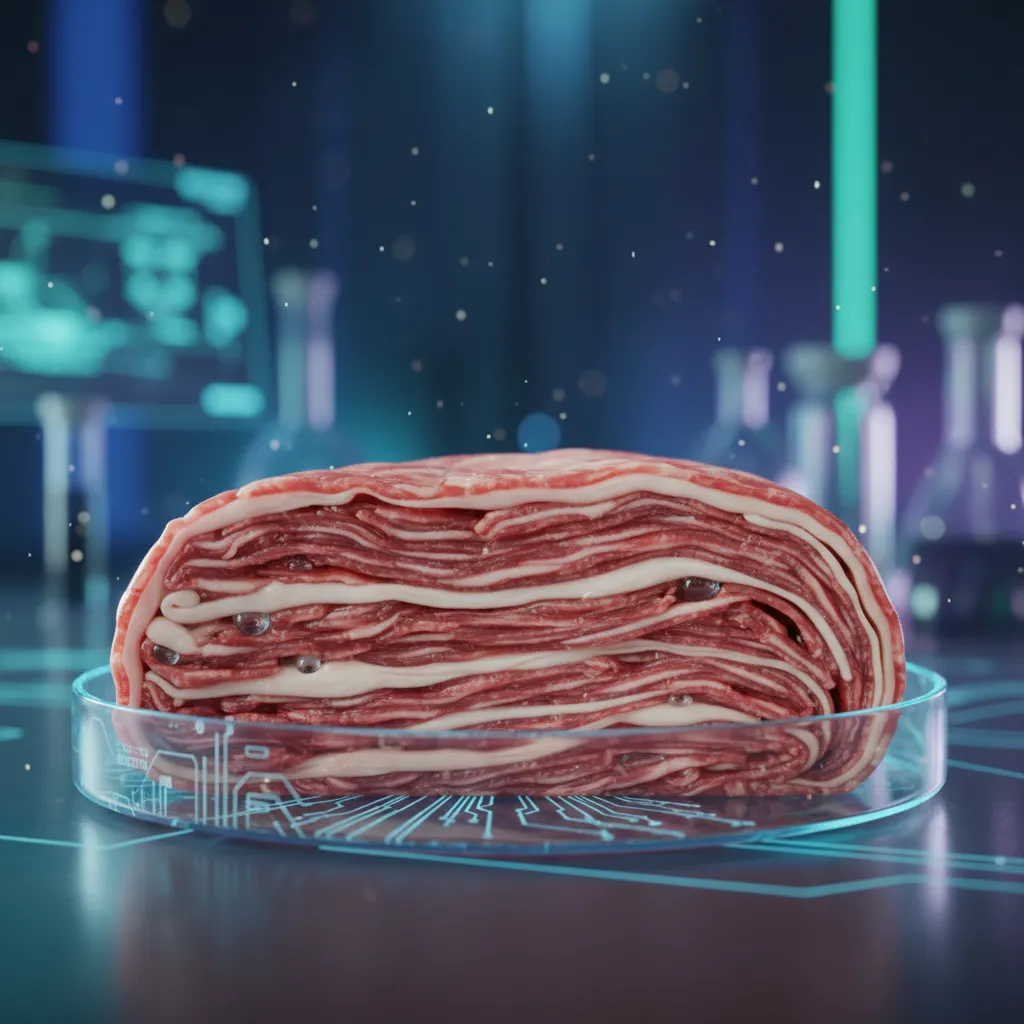
Beyond fermentation, soy is playing a critical role in the nascent cultivated (lab-grown) meat industry. Growing animal cells requires a structure—or scaffold—to cling to as they proliferate and differentiate into muscle fibers. Textured soy protein is currently being researched as a leading edible scaffold. It provides a porous, biocompatible structure that supports cell growth while contributing its own nutritional density to the final product. In this scenario, soy acts as the skeleton upon which the future of meat is built.
Sustainability: Debunking Myths and Analyzing Impact
A discussion on the future of plant based protein is incomplete without addressing the environmental elephant in the room: deforestation. Critics often point to soy cultivation as a driver of Amazonian deforestation. While factually true that soy expansion is an issue, the context is crucial.
According to data from Our World in Data, more than three-quarters (77%) of global soy production is used to feed livestock for meat and dairy production. Only about 7% is processed directly for human food products like tofu, soy milk, and tempeh. The efficiency argument here is stark: consuming soy directly is exponentially more resource-efficient than cycling it through an animal.
Water and Land Efficiency
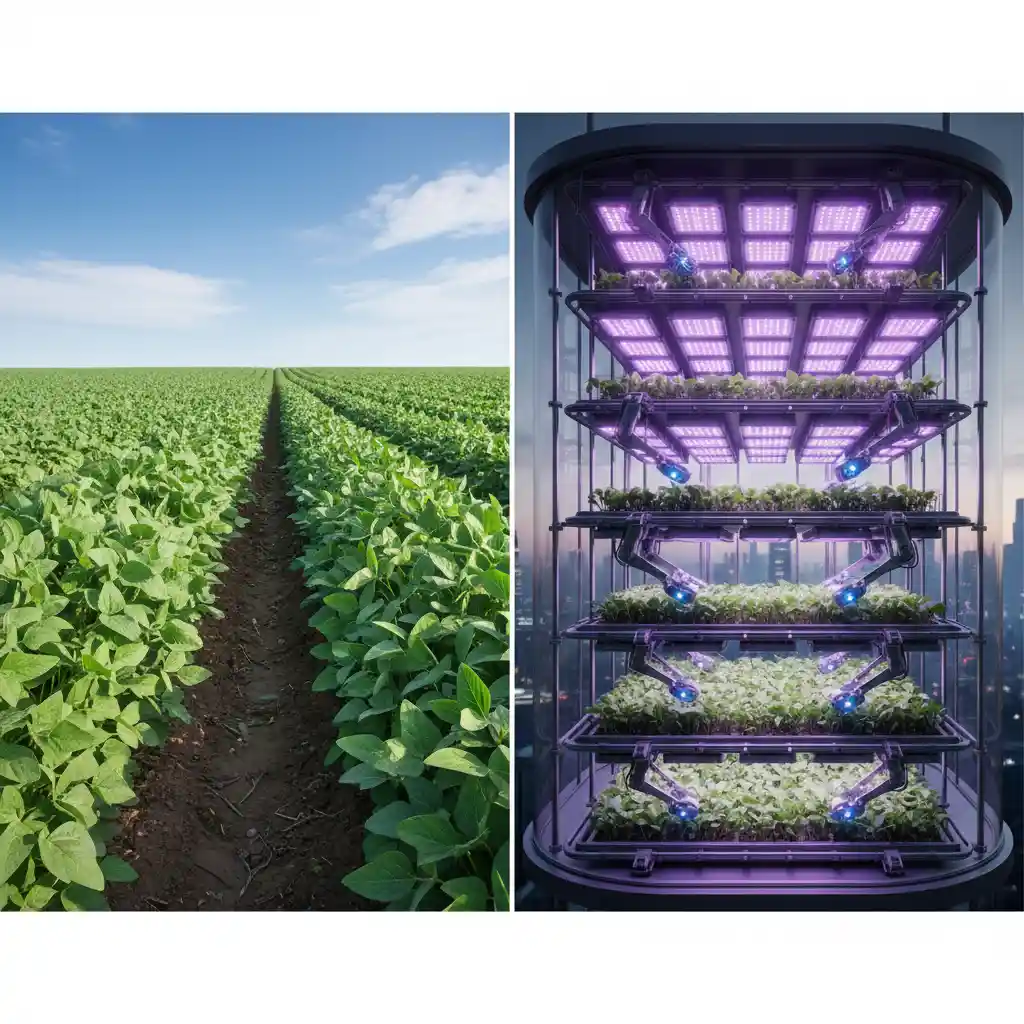
Soy is remarkably efficient compared to animal protein sources. To produce one kilogram of protein from beef requires significantly more land and water than producing the same amount from soy. As climate change alters precipitation patterns and reduces arable land, the drought resistance and nitrogen-fixing capabilities of legumes like soy become vital for global food security.
Future agritech is further enhancing this sustainability. We are seeing the rise of “Regenerative Soy,” where crops are grown using no-till farming, cover cropping, and minimal chemical inputs to sequester carbon back into the soil. This shifts the narrative of soy from an extractive crop to a restorative one.
Advanced Nutritional Science: Beyond Basic Macros
The nutritional debate surrounding soy is evolving. For years, misinformation regarding phytoestrogens plagued the industry. However, modern science has firmly established the safety and benefits of soy consumption. The future of plant based protein focuses on maximizing bioavailability and functional health benefits.
The PDCAAS Score
The Protein Digestibility Corrected Amino Acid Score (PDCAAS) is the method used to evaluate the quality of a protein based on both the amino acid requirements of humans and their ability to digest it. Soy protein isolate has a PDCAAS score of 1.0, which is the highest possible score, placing it on par with egg white and casein (milk) protein. This is critical for the future market, as consumers demand high-performance nutrition, not just ethical alternatives.
Bioactive Compounds and Isoflavones
Future processing techniques are looking at how to retain specific bioactive compounds while isolating protein. Soy is rich in isoflavones (genistein, daidzein, and glycitein), which have antioxidant properties. Emerging food tech aims to create “functional soy isolates” that are enriched with these compounds to offer targeted health benefits, such as cardiovascular support and bone health preservation, tailored to aging populations.
Forecasting the Future: Hybrid Systems and Global Trends
What does the next decade look like for soy? We are moving toward a “Hybrid Future.” The binary distinction between “animal product” and “plant product” is blurring. We will likely see the mass adoption of hybrid products—burgers that are 50% beef and 50% high-fidelity soy protein. These products offer a transitional pathway for consumers, reducing meat consumption without requiring a total dietary overhaul.
Furthermore, New Zealand and Australia are positioned to become leaders in high-value soy protein fractionation. By utilizing clean energy grids and advanced manufacturing, the region can produce premium, carbon-neutral soy isolates for the global market. This aligns with the “Clean, Green” brand, pivoting from dairy exports to becoming a powerhouse in the future of plant based protein.
The integration of AI in food formulation is another leap forward. Algorithms are now being used to predict the optimal combination of soy peptides to mask off-notes and enhance umami, reducing the need for sodium and artificial additives. This technological layer ensures that soy remains the versatile, invisible hero of the food system.
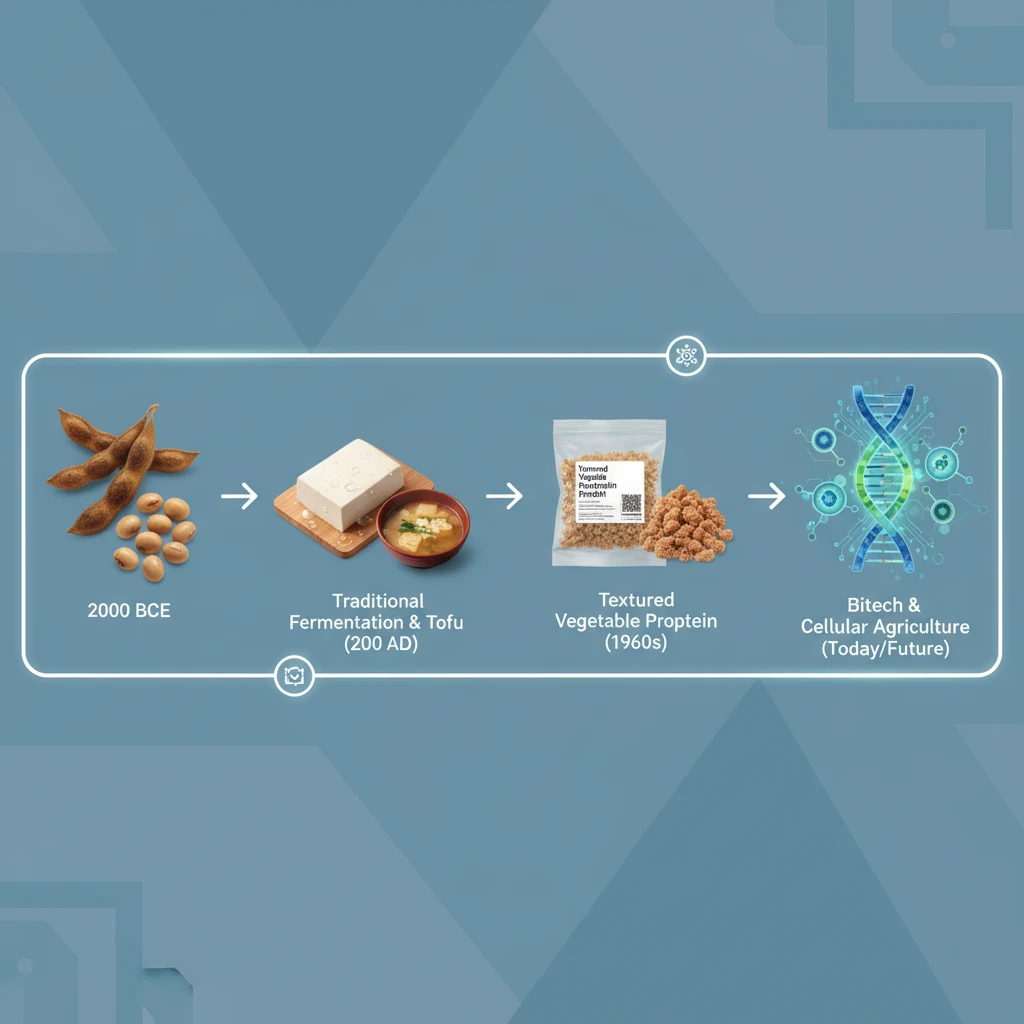
In conclusion, while new protein sources will continue to emerge, soy provides the scalability, nutritional density, and functional versatility that the future food system demands. It is the original superfood, upgraded for the digital age.
Frequently Asked Questions (PAA)
What is the future of plant-based protein?
The future of plant-based protein involves advanced processing technologies like precision fermentation and shear-cell technology. These methods transform crops like soy into molecularly identical meat alternatives, focusing on improved texture, nutritional density, and sustainability to meet global food demands.
Why is soy considered the best plant protein source?
Soy is considered the superior plant protein because it is a “complete” protein, containing all nine essential amino acids required by the human body. It has a PDCAAS score of 1.0, making it nutritionally equivalent to animal proteins like milk and eggs, which is rare for plant sources.
Is soy production sustainable for the environment?
Yes, soy production for human consumption is highly sustainable. It requires significantly less water and land than animal agriculture. The majority of environmental concerns regarding soy, such as deforestation, are linked to soy grown specifically for animal feed, not for direct human food products.
How is soy used in lab-grown meat?
In lab-grown (cultivated) meat, textured soy protein is often used as an edible scaffold. It provides a porous structure that animal cells can adhere to and grow upon, mimicking the texture of real muscle fibers while adding plant-based nutritional value to the final hybrid product.
Are processed soy foods healthy?
Generally, yes. While whole foods are optimal, processed soy foods like tofu and soy protein isolate retain high-quality protein and low saturated fat content. Modern food tech focuses on retaining isoflavones and minimizing additives, making them a heart-healthy alternative to red and processed meats.
What are hybrid meat products?
Hybrid meat products are foods that combine animal meat with plant-based ingredients, typically soy or wheat protein. These products aim to reduce the environmental footprint and cholesterol content of meat consumption while delivering the authentic taste and texture that meat-eaters prefer.