
Soy Sustainability & Ethics: A Global and Local Perspective
Navigating the complex landscape of global soy production, its ecological footprint, and the specific soy environmental impact in NZ.
1. The Paradox of Soy: Nutrition vs. Nature
Soy is one of the most versatile crops on the planet. From tofu and soy milk to the biodiesel in our vehicles and the high-protein meal fed to livestock, its utility is unmatched. However, this versatility comes at a staggering cost. As the global demand for protein skyrockets, the expansion of soy plantations has become a primary driver of habitat loss, greenhouse gas emissions, and ethical dilemmas in agricultural supply chains. Understanding soy sustainability requires a deep dive into how our consumption patterns influence distant ecosystems.
2. Global Footprint of Soy Production
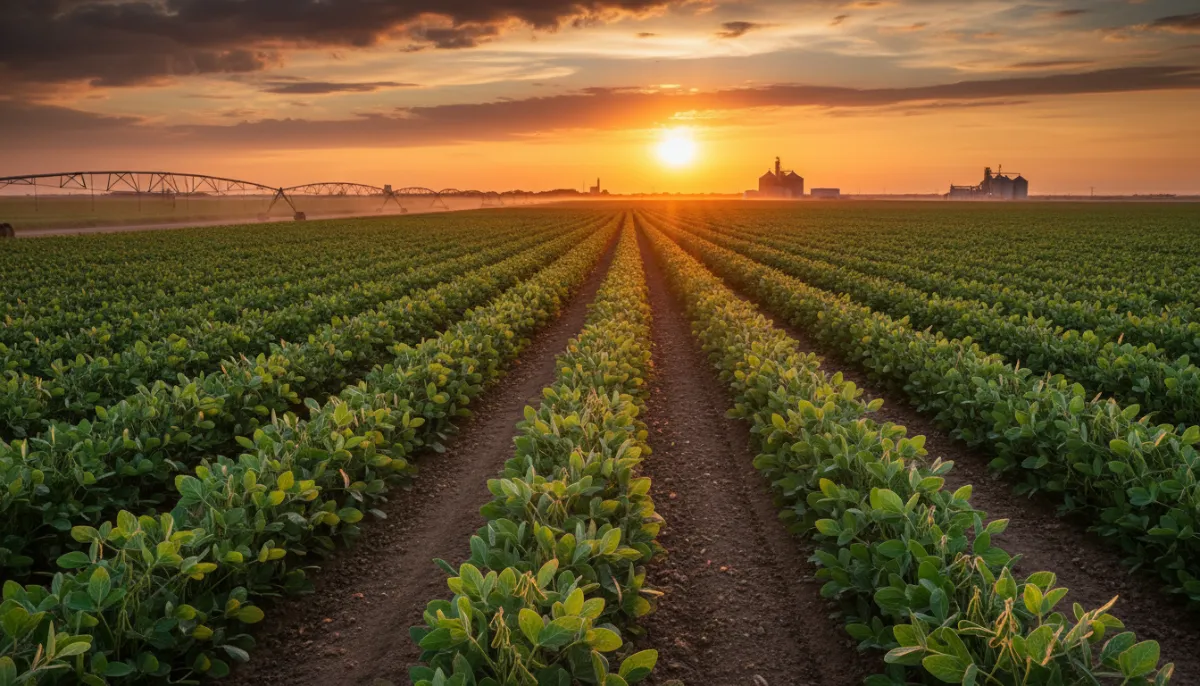
The scale of soy production is difficult to fathom. Over 350 million tonnes are produced annually, with the majority coming from Brazil, the United States, and Argentina. While soy is often associated with vegetarian diets, nearly 75-80% of global soy is used as animal feed. This conversion of plant protein to animal protein is inherently inefficient, requiring vast tracts of land to produce relatively small amounts of meat. This inefficiency is the root of the soy environmental impact, as it necessitates the clearing of diverse biomes to make room for monoculture crops.
Biodiversity and Soil Health
Monocropping soy leads to a decline in soil health. Without crop rotation or integrated pest management, the heavy use of herbicides like glyphosate becomes a necessity. This chemical runoff pollutes local waterways, affecting both aquatic life and human communities that rely on these sources for drinking water. Furthermore, the loss of native vegetation means the loss of natural pest controllers, creating a feedback loop where more chemical intervention is required each year.
3. Soy Environmental Impact in NZ
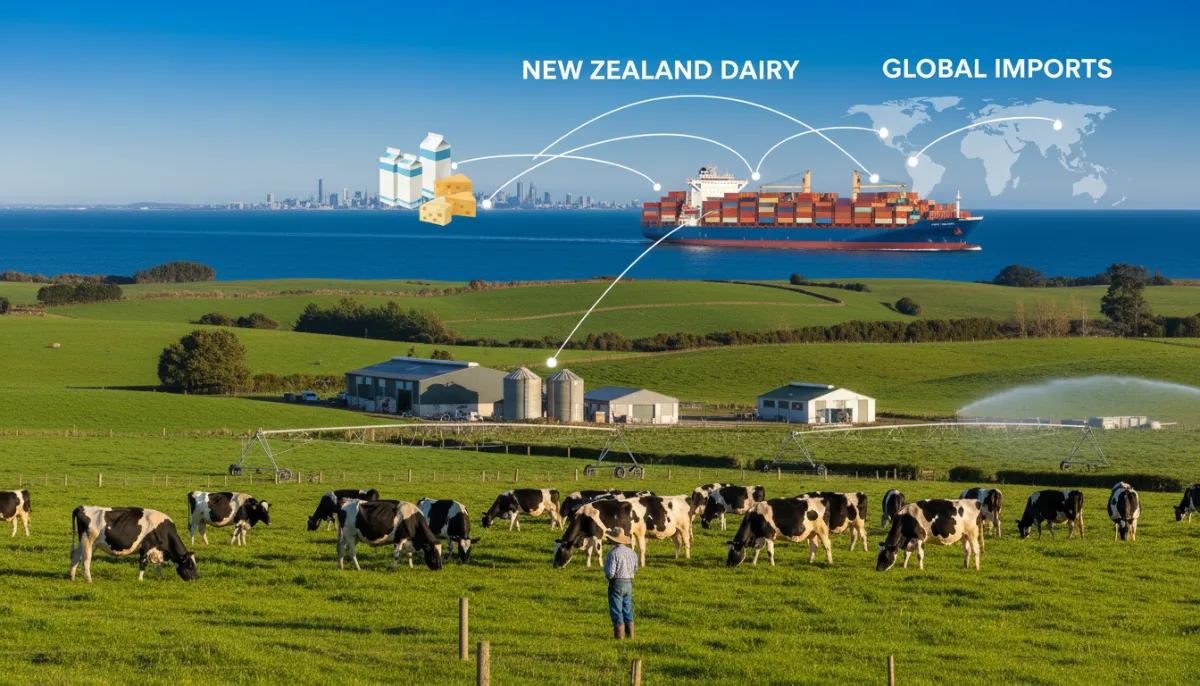
While New Zealand is not a major producer of soy, it is a significant importer. The soy environmental impact nz residents should be concerned about is primarily linked to the dairy and poultry industries. New Zealand relies on imported soy meal to supplement the diet of livestock, especially when grass growth is low. This creates a ‘hidden’ environmental footprint. When we consume NZ dairy or chicken, we are indirectly participating in the global soy economy.
The Logistics of Importation
Shipping thousands of tonnes of soy meal across the Pacific Ocean adds a significant carbon layer to New Zealand’s agricultural profile. While NZ prides itself on grass-fed systems, the reliance on high-protein supplements like soy and palm kernel expeller (PKE) challenges the ‘clean green’ image. Advocates are calling for greater transparency in the supply chain so that Kiwi consumers can understand the true origin of their food’s inputs.
4. Deforestation and the Amazon Connection
The most critical ethical issue surrounding soy is its role in deforestation. In Brazil, the Cerrado savanna and the Amazon rainforest have seen massive tracts of land converted into soy fields. This destruction releases carbon stored in trees and soil, exacerbating global climate change. It also displaces indigenous species, some of which are found nowhere else on earth. Although the ‘Soy Moratorium’ in the Amazon has seen some success, the pressure has simply shifted to neighboring regions like the Gran Chaco in Argentina and Paraguay.
Carbon sequestration is lost when old-growth forests are razed. A single hectare of rainforest can store hundreds of tonnes of carbon; once replaced by soy, that storage capacity is lost forever, replaced by a crop that is harvested and processed within months, releasing its carbon back into the atmosphere via the food chain.
5. Ethical Labor and Human Rights
Beyond the environmental concerns, soy production is often linked to serious human rights abuses. In several major exporting nations, land grabbing—where large corporations or powerful individuals seize land from smallholder farmers or indigenous groups—is a common occurrence. These communities often lose their livelihoods and their spiritual connection to the land without fair compensation or legal recourse.
Working Conditions
Labor conditions on large-scale soy plantations can be precarious. Reports of ‘modern slavery’ or debt bondage have surfaced in the industry, where workers are recruited with false promises and then kept in a cycle of debt through overpriced housing and food provided by the employer. Ensuring ethical soy means ensuring that every person in the supply chain is treated with dignity and paid a living wage.
6. Sustainable Solutions and Certifications
Can soy be sustainable? The answer lies in certification and supply chain transparency. Organizations like the Round Table on Responsible Soy (RTRS) and ProTerra have developed standards that prohibit the conversion of native forests for soy production and mandate fair labor practices. When purchasing soy products or animal products fed on soy, looking for these certifications is a key step for the conscious consumer.
- RTRS: Focuses on zero-deforestation and responsible agricultural practices.
- ProTerra: Emphasizes non-GMO soy and high social responsibility standards.
- Regenerative Agriculture: Encourages no-till farming and cover cropping to restore soil health.
- Alternative Feeds: New Zealand farmers are exploring insect protein and seaweed as alternatives to imported soy.
7. The Future of Soy Ethics
The future of soy sustainability rests on technological innovation and a shift in dietary habits. Lab-grown meat and precision fermentation could significantly reduce the demand for soy as animal feed. Locally, New Zealand could reduce its soy environmental impact nz by investing in domestic plant-protein industries, such as growing peas or lupins, which are better suited to the local climate and require fewer chemical inputs.

Frequently Asked Questions
What is the main soy environmental impact in NZ?
The main impact is indirect, stemming from the importation of soy meal for use in the dairy and poultry sectors. This contributes to a larger carbon footprint due to transport and the potential for these imports to be linked to deforestation in South America.
Is organic soy better for the environment?
Generally, yes. Organic soy avoids synthetic pesticides and fertilizers, which helps protect soil and water quality. However, it still requires significant land use, so deforestation remains a concern regardless of organic status unless certified as zero-deforestation.
How can I ensure the soy I eat is ethical?
Look for certifications like RTRS, ProTerra, or Fairtrade. Additionally, reducing overall consumption of factory-farmed animal products can significantly lower your personal ‘soy footprint’ since most soy is grown for animal feed.