
The soy protein profile is distinguished as a complete plant-based protein source containing all nine essential amino acids required for human biological function. It achieves a Protein Digestibility Corrected Amino Acid Score (PDCAAS) of 1.0, the maximum score possible, indicating that it meets the amino acid requirements of humans as effectively as animal-derived proteins like milk and eggs.
Understanding the Soy Protein Profile and Quality
In the realm of nutritional science, few plant-based sources garner as much attention—and scrutiny—as the soybean (Glycine max). As the global shift towards plant-based diets accelerates, understanding the biochemical makeup of these protein sources becomes paramount. The soy protein profile stands out as an anomaly in the plant kingdom; while most vegetable proteins are deficient in one or more essential amino acids, soy offers a robust, balanced spectrum that rivals animal proteins.
Protein quality is generally determined by two primary factors: the amino acid composition (specifically the presence of essential amino acids) and the digestibility of those amino acids. Soy protein is unique because it is one of the few non-animal sources that provides a “complete” protein profile. This means it supplies adequate amounts of histidine, isoleucine, leucine, lysine, methionine, phenylalanine, threonine, tryptophan, and valine.
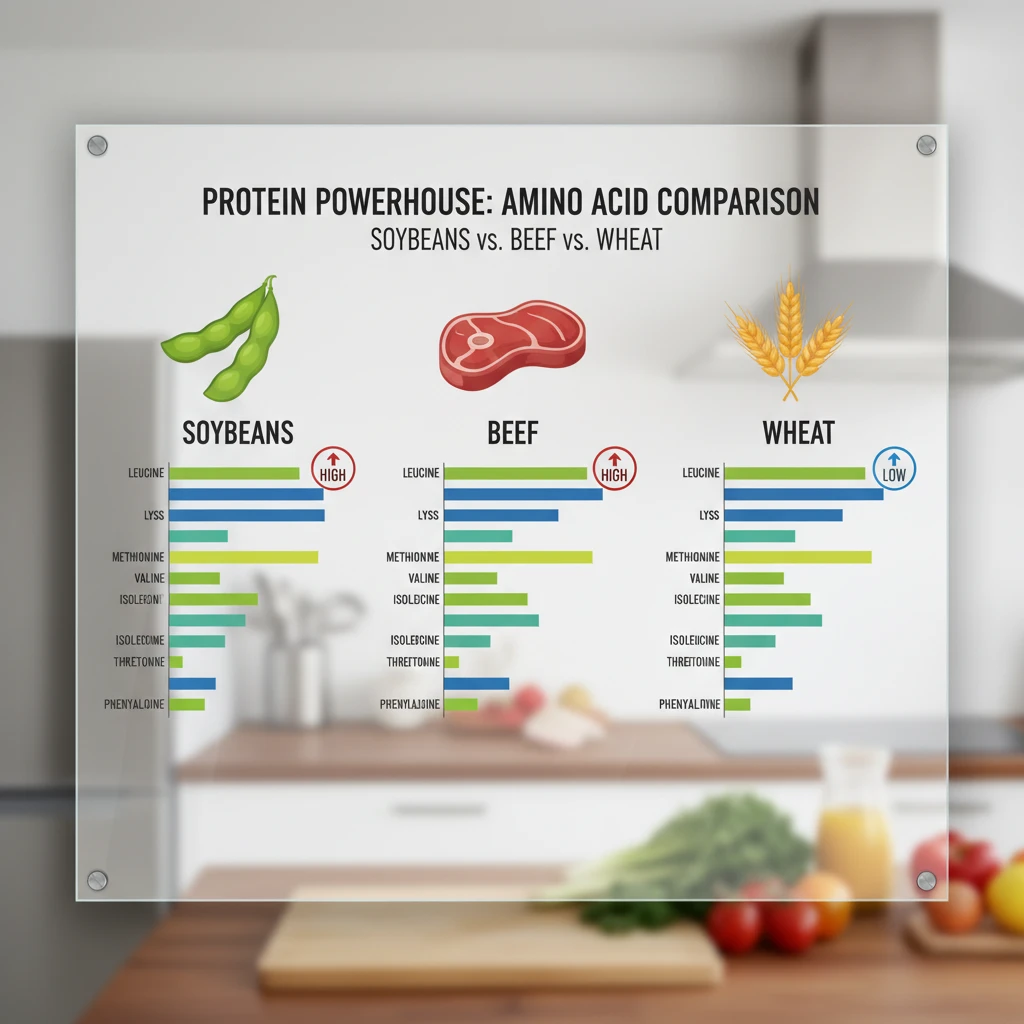
However, the conversation regarding soy extends beyond mere presence. It involves the ratios of these amino acids and how well the human body can utilize them. This brings us to the critical metric of protein evaluation: the PDCAAS.
What is PDCAAS? The Gold Standard of Protein Evaluation
The Protein Digestibility Corrected Amino Acid Score (PDCAAS) has been the standard method for evaluating protein quality adopted by the US Food and Drug Administration (FDA) and the World Health Organization (WHO) since the early 1990s. Before PDCAAS, protein quality was often measured by the Protein Efficiency Ratio (PER), which was based on the growth of laboratory rats. However, because rats have higher requirements for sulfur-containing amino acids than humans, PER often underestimated the quality of plant proteins.
PDCAAS evaluates a protein based on human amino acid requirements and its ability to be digested. The scoring works as follows:
- Amino Acid Score: The content of the first limiting essential amino acid in the test protein is compared to a reference pattern based on the requirements of preschool-age children (the most demanding group).
- Digestibility Correction: This score is then multiplied by the true fecal digestibility of the protein.
The highest possible score is 1.0. A score of 1.0 means that the protein provides 100% (or more) of the indispensable amino acids required by the human body after digestion.
Soy’s Perfect Score
Soy protein isolate and soy protein concentrate typically achieve a PDCAAS of 1.0 (or very close to it, ranging from 0.91 to 1.0 depending on processing). This places soy in the same elite category as casein (milk protein), whey, and egg whites. In contrast, other plant proteins often fall short:
- Wheat gluten: ~0.25
- Pea protein concentrate: ~0.60–0.70
- Black beans: ~0.75
It is important to note that while PDCAAS truncates scores at 1.0, some animal proteins technically score higher mathematically (e.g., whey might be 1.1 or 1.2). However, for practical human nutrition, a score of 1.0 indicates that the protein meets all physiological needs. For a deeper dive into the methodology of protein scoring, the Food and Agriculture Organization (FAO) provides extensive documentation on nutritional quality evaluation.
The Amino Acid Composition of Soy
To fully appreciate the soy protein profile, we must analyze its specific amino acid breakdown. Amino acids are the building blocks of muscle and enzymes. Of the 20 amino acids used by the body, nine are “essential,” meaning the body cannot synthesize them and they must be obtained through diet.
The Essential Amino Acids (EAAs)
Soy is particularly rich in several key EAAs that are crucial for athletes and general health:
- Leucine, Isoleucine, and Valine (BCAAs): Soy contains a respectable amount of Branched-Chain Amino Acids (BCAAs). Leucine, the primary driver of Muscle Protein Synthesis (MPS), is present in soy at approximately 8% of the total protein content. While this is lower than whey (approx. 11-13%), it is significantly higher than most other plant proteins.
- Lysine: Cereal grains (like wheat, rice, and corn) are notoriously low in lysine. Soy is abundant in lysine, making it an excellent complementary protein to pair with grains.
- Arginine: While not always classified as essential, arginine is vital for blood flow and nitric oxide production. Soy protein contains significantly higher levels of arginine compared to whey or casein.
The Limiting Amino Acid: Methionine
Despite being a complete protein, soy is not biochemically identical to meat. The “limiting amino acid”—the one present in the lowest quantity relative to human needs—in soy is methionine. Methionine is a sulfur-containing amino acid essential for metabolism and detoxification.
However, the term “limiting” can be misleading in practical contexts. While methionine is the lowest EAA in soy relative to the reference pattern, the levels in soy protein isolate are usually sufficient to meet the requirements of adults, provided total protein intake is adequate. Furthermore, because methionine is abundant in cereal grains, a diet containing both soy and grains easily corrects this minor imbalance.
Soy Protein Isolate vs. Concentrate: Profile Differences
Not all soy products offer the exact same protein profile. The processing method significantly impacts the concentration of amino acids and the PDCAAS.
Soy Protein Isolate (SPI)
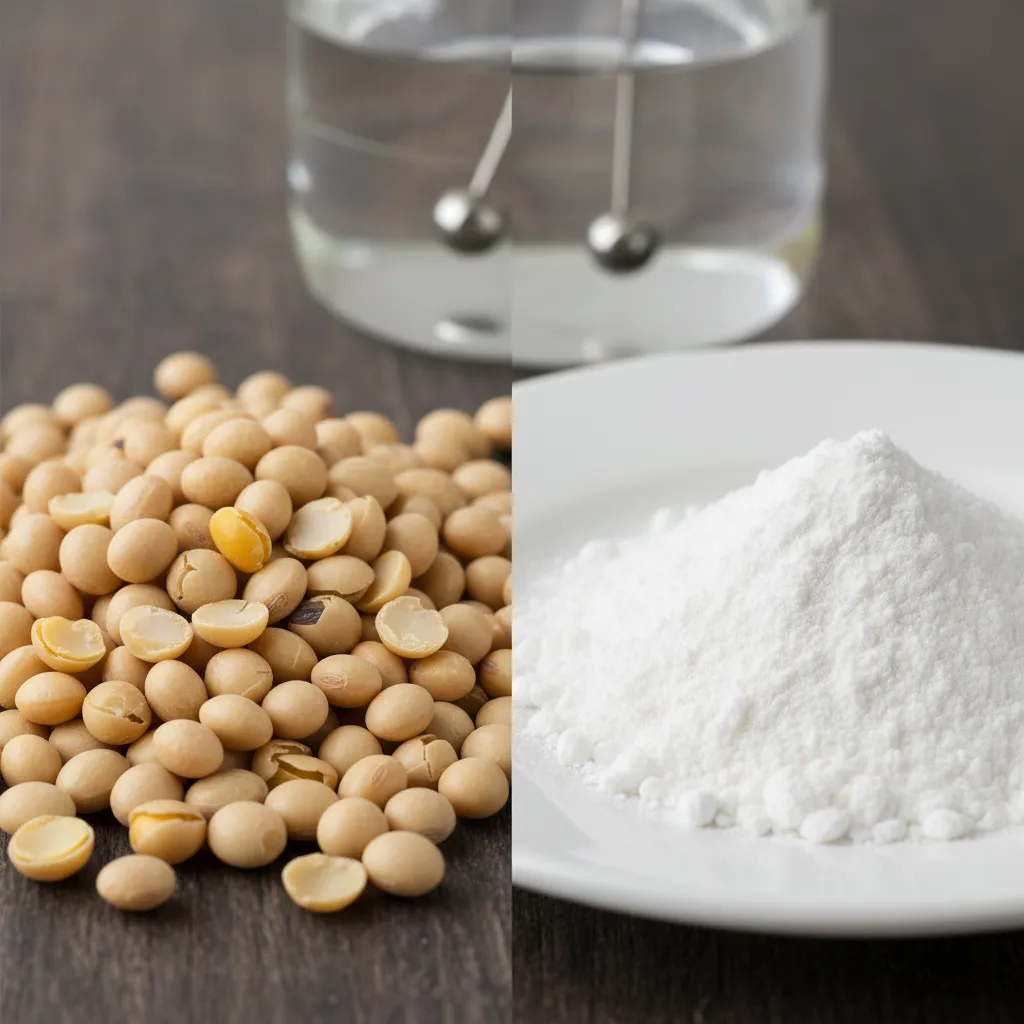
SPI is the most refined form of soy protein. It is produced by removing the fat and carbohydrates (sugars and dietary fiber) from defatted soy flakes. The result is a powder that is at least 90% protein by weight. SPI has the highest digestibility and consistently scores a PDCAAS of 1.0. It is the form most commonly found in protein powders, bars, and meat alternatives.
Soy Protein Concentrate (SPC)
SPC is produced by removing soluble sugars from defatted soy flakes but retaining more of the fiber. It is typically about 70% protein. While the amino acid profile remains largely the same as the isolate, the digestibility can be slightly lower due to the presence of fiber, potentially affecting the net protein utilization slightly, though it remains a high-quality source.
Comparing Soy to Whey, Casein, and Other Plant Proteins
Understanding where soy stands in the hierarchy of proteins helps consumers make informed decisions based on their dietary preferences and goals.
Soy vs. Whey Protein
Whey protein is derived from milk and is considered the gold standard for muscle hypertrophy due to its rapid absorption and high leucine content.
- Absorption Rate: Whey is a “fast” protein, spiking amino acid levels in the blood quickly. Soy is an “intermediate” protein; it absorbs faster than casein but slower than whey.
- Anabolic Response: Studies suggest that while whey stimulates muscle protein synthesis slightly better than soy initially, soy is superior to casein for this purpose. Over a prolonged period, the differences become negligible for most recreational athletes.
Soy vs. Casein
Casein is the “slow” milk protein. It gels in the stomach and releases amino acids over several hours. Soy does not have this gelling property. However, soy supports antioxidant status better than casein due to its isoflavone content.
Soy vs. Pea Protein
Pea protein has risen in popularity as a hypoallergenic alternative. While pea protein is rich in BCAAs, it is lower in methionine than soy and generally has a lower PDCAAS (around 0.70-0.80) unless fortified or blended with rice protein. Soy remains the superior standalone plant protein regarding the completeness of the profile.
Bioavailability and Digestibility Factors
The raw amino acid count is irrelevant if the body cannot access it. Soybeans contain “anti-nutrients” that can inhibit digestion, specifically trypsin inhibitors and phytates.
Trypsin Inhibitors: Trypsin is an enzyme that digests protein. Raw soybeans contain high levels of inhibitors that block this enzyme, drastically reducing protein digestibility. However, heat treatment (cooking) and the commercial processing used to create Soy Protein Isolate deactivate the vast majority of these inhibitors. This is why commercial soy protein has high digestibility (95-98%).
Phytates: Phytates can bind to minerals like zinc and iron, reducing absorption. While they don’t directly block protein digestion, they are a consideration for overall nutrition. Fermented soy products (like tempeh or miso) and protein isolates have significantly reduced phytate levels compared to raw beans.
Health Implications of the Soy Amino Acid Profile
The specific profile of soy protein offers distinct health advantages beyond simple muscle repair.
Cardiovascular Health
The specific ratio of arginine to lysine in soy protein is believed to play a role in lipid metabolism. A higher arginine-to-lysine ratio (characteristic of soy) has been associated with lower cholesterol levels. This is partly why the FDA has allowed a health claim stating that “25 grams of soy protein a day, as part of a diet low in saturated fat and cholesterol, may reduce the risk of heart disease.”
Renal Function
Animal proteins create a higher acid load and renal solute load than plant proteins. For individuals with compromised kidney function, the amino acid profile of soy places less filtration stress on the kidneys compared to beef or dairy protein, potentially slowing the progression of renal disease.
Conclusion
The soy protein profile is robust, complete, and highly bioavailable. With a PDCAAS of 1.0, it stands as the nutritional equal of animal proteins, distinguishing itself as the premier protein source in the plant kingdom. While it contains slightly less methionine than animal sources and less leucine than whey, its high arginine content and balanced spectrum of essential amino acids make it an exceptional choice for muscle building, general health, and cardiovascular support.
For vegans, vegetarians, and omnivores alike, incorporating soy protein offers a way to meet daily protein requirements efficiently without the saturated fat associated with many meat sources. By understanding the science behind the amino acids and PDCAAS scores, consumers can move past myths and utilize soy as a powerful tool in their nutritional arsenal.
Frequently Asked Questions
Is soy protein considered a complete protein?
Yes, soy protein is a complete protein. This means it contains all nine essential amino acids (histidine, isoleucine, leucine, lysine, methionine, phenylalanine, threonine, tryptophan, and valine) in sufficient quantities to support human health.
What is the PDCAAS score of soy protein isolate?
Soy protein isolate typically has a Protein Digestibility Corrected Amino Acid Score (PDCAAS) of 1.0. This is the highest score possible on the scale, indicating it meets 100% of the essential amino acid requirements for children and adults.
What is the limiting amino acid in soy protein?
The limiting amino acid in soy protein is methionine. Although soy contains methionine, it is present in slightly lower concentrations relative to the other essential amino acids when compared to egg or meat protein. However, the levels are generally sufficient for adults consuming a balanced diet.
How does the amino acid profile of soy compare to whey?
Both soy and whey are complete proteins. Whey is higher in Branched-Chain Amino Acids (BCAAs), particularly leucine, which drives rapid muscle protein synthesis. Soy is higher in arginine and glutamine. Whey is absorbed faster, while soy has an intermediate absorption rate.
Does processing affect the soy protein profile?
Yes. Soy Protein Isolate (SPI) is more processed and has a higher protein percentage (90%+) and better digestibility than Soy Protein Concentrate (SPC) or soy flour. The processing removes carbohydrates and anti-nutritional factors, improving the PDCAAS.
Is the PDCAAS the only way to measure soy quality?
While PDCAAS is the current standard for labeling in the US, a newer method called DIAAS (Digestible Indispensable Amino Acid Score) is gaining traction. DIAAS measures digestibility at the end of the small intestine rather than the total digestive tract. Even under DIAAS, soy performs very well, though slightly lower than under PDCAAS.