
Soy products NZ refers to the wide array of soybean-derived foods available in New Zealand, ranging from locally crafted artisan tofu by brands like Tonzu to calcium-fortified soy milks and textured vegetable protein. These ingredients serve as primary plant-based protein sources for Kiwi households, offering versatile, sustainable, and nutritious alternatives to traditional meat and dairy staples.
As the plant-based movement gains momentum across Aotearoa, the humble soybean has transitioned from a niche health food store item to a staple in the average Kiwi pantry. Whether you are a lifelong vegetarian, a flexitarian looking to reduce meat consumption, or simply curious about culinary diversity, understanding the landscape of soy products in New Zealand is essential. From the chillers of Woolworths and New World to the shelves of specialized Asian grocers, the variety of soy options has never been greater. This guide explores the availability, culinary application, and nutritional impact of soy in the New Zealand context.
Popular Soy Products in NZ Supermarkets
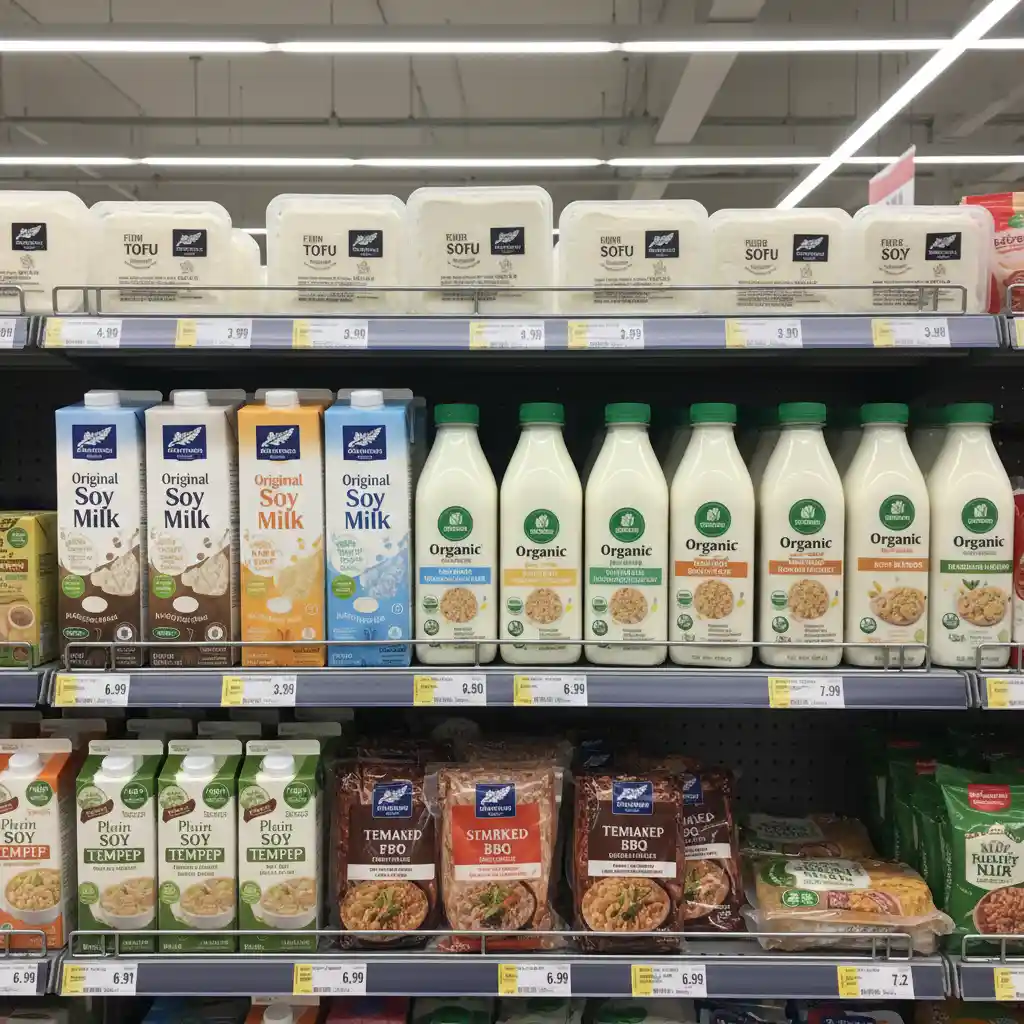
New Zealand supermarkets have significantly expanded their plant-based offerings over the last decade. While soy milk was once the only visible soy product, today’s shelves are stocked with a plethora of options catering to different tastes and dietary requirements. Understanding the nuances between these products is key to selecting the right ingredient for your cooking.
Tofu Varieties: From Silken to Super Firm
Tofu, or bean curd, is arguably the most versatile soy product available. In New Zealand, consumers generally encounter three main categories:
- Silken Tofu: Usually found in shelf-stable tetra packs in the international or health food aisle. It has a custard-like texture perfect for smoothies, desserts, or as an egg substitute in baking.
- Firm and Pressed Tofu: Located in the chiller section. Brands like Bean Supreme and Tonzu (a highly respected local brand produced by Chalmers Organics) dominate this space. Tonzu, in particular, is renowned for its traditional Japanese manufacturing methods used right here in NZ.
- Marinated and Flavoured Tofu: To cater to convenience, many NZ brands offer pre-cubed, marinated tofu in flavours like Teriyaki, Honey Soy (often using agave alternatives), or Spicy Sriracha. These are excellent for quick stir-fries or tossing into salads.
Soy Milk and Dairy Alternatives
Soy milk remains a coffee culture staple in New Zealand. Unlike some other plant milks which can split in acidic coffee, formulated “barista blends” are widely available. Major players like Sanitarium So Good and Vitasoy offer products fortified with Calcium and Vitamin D, essential for those moving away from cow’s milk. It is important to note that New Zealand has specific fortification standards, and many soy milks here are designed to match the protein profile of dairy milk closely.
Tempeh and Fermented Options
Tempeh, a fermented soy product originating from Indonesia, offers a nuttier flavour and firmer texture than tofu. While less ubiquitous than tofu, it is gaining traction in NZ supermarkets. It is a whole-bean product, meaning it retains more fibre. Local artisan producers are beginning to experiment with tempeh made from other legumes, but soy remains the standard. It is typically found vacuum-sealed near the tofu.
Meat Alternatives: TVP and Sausages
Textured Vegetable Protein (TVP) and soy-based meat analogues are the backbone of the “fake meat” industry. In NZ, classic vegetarian sausages often rely on soy protein isolate for structure. These products are designed for the Kiwi BBQ, capable of withstanding high heat without falling apart, a common issue with bean-based patties.
Traditional and Modern Kiwi Soy Recipes
Adapting soy to the New Zealand palate involves bridging the gap between traditional Asian preparations and classic Kiwi comfort foods. Here is how you can integrate soy products into meals that feel right at home in a Kiwi kitchen.
The Classic Kiwi BBQ: Soy Skewers and Sausages
No New Zealand summer is complete without a barbeque. While lamb chops and sausages are traditional, soy offers a fantastic alternative that absorbs marinade exceptionally well.
Recipe Idea: Sticky Manuka Honey & Soy Skewers
Use firm tofu for this recipe. Press the tofu for at least 30 minutes to remove excess water—this is crucial for achieving a crispy exterior. Cut into cubes and thread onto skewers with red onion and capsicum. Glaze with a mixture of soy sauce (or tamari), crushed garlic, ginger, and NZ Manuka honey. Grill on the BBQ until charred. The sugars in the honey caramelize beautifully against the savoury soy.
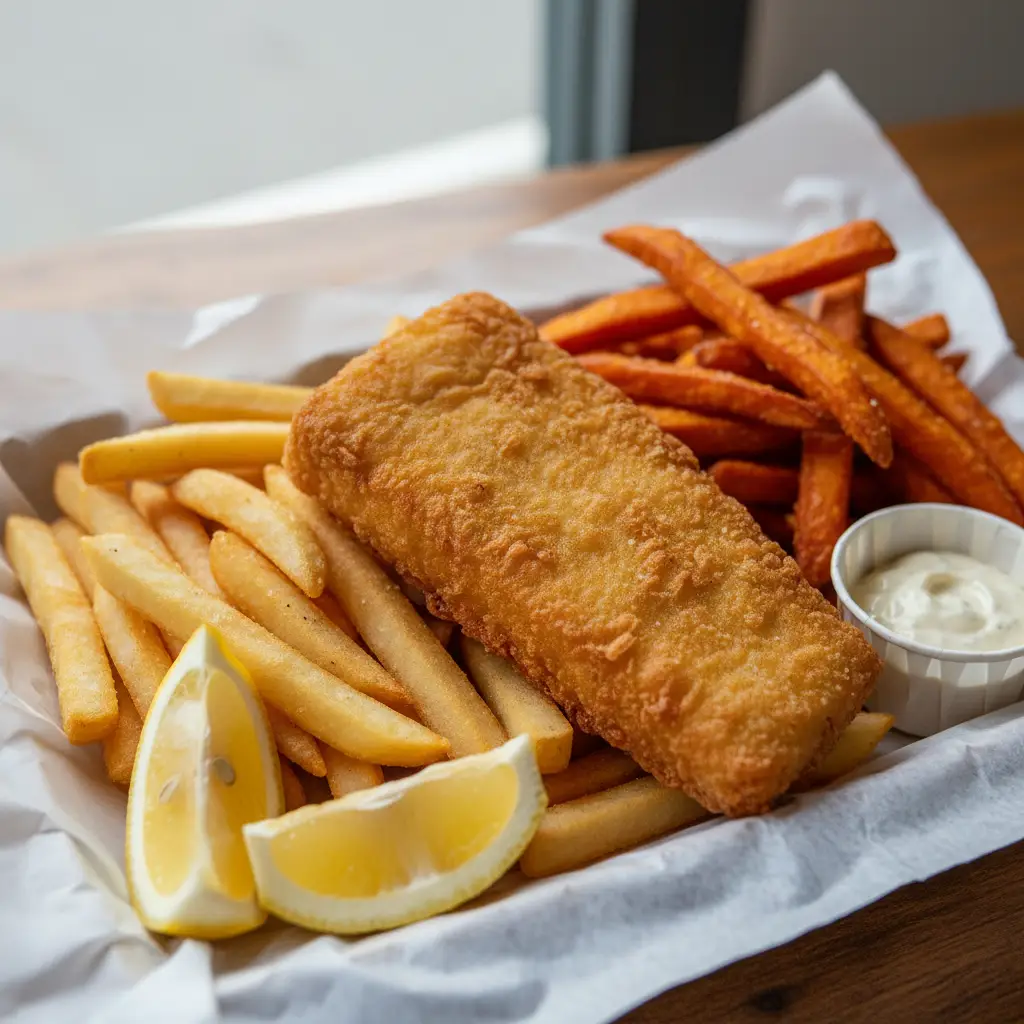
Tofu “Fish” and Chips
A plant-based take on the Friday night takeaway. To replicate the flakey texture of fish, use a block of firm tofu wrapped in nori (seaweed) sheets before battering. The nori imparts the necessary oceanic flavour.
Batter Tip: Use a tempura-style batter made with soda water and flour. Deep fry until golden and serve with a wedge of lemon and a side of kumara chips (sweet potato fries) for a local twist. This dish satisfies the craving for greasy, salty comfort food without the seafood.
Soy-Glazed Roast Alternative
For a Sunday roast, a stuffed soy roast can replace chicken or lamb. Many supermarkets sell frozen plant-based roasts during the holiday season, but making your own using a mixture of vital wheat gluten and soy pulp (okara) allows for customization. Season with rosemary, thyme, and sage to mimic the flavour profile of a traditional stuffing.
Sustainable Soy: Sourcing and Environmental Impact
One of the most common contentions regarding soy consumption is its environmental footprint. It is vital to distinguish between soy grown for direct human consumption and soy grown for animal feed.
Understanding the Supply Chain
The vast majority of global soy production is destined for livestock feed, contributing to deforestation in regions like the Amazon. However, the soy products found on New Zealand shelves—specifically tofu, soy milk, and tempeh—are largely sourced from sustainable supply chains. Most NZ manufacturers, such as Bean Supreme and Tonzu, source their soybeans from non-GMO crops, often grown in Canada, Australia, or locally where possible.
GMO vs. Non-GMO in New Zealand
New Zealand has strict regulations regarding Genetically Modified Organisms (GMOs). Under the Food Standards Australia New Zealand (FSANZ) code, any food produced using gene technology must be labelled if it contains novel DNA or protein. Consequently, most soy products sold directly to consumers in NZ are non-GMO. This transparency allows Kiwi consumers to make informed choices that align with their environmental and ethical values.
For more detailed information on food standards and labelling laws, you can refer to the Food Standards Australia New Zealand (FSANZ) website, which provides authoritative guidance on GM food requirements.
Integrating Soy into a Balanced NZ Diet
Soy is a nutritional powerhouse, unique among plant proteins because it is a “complete protein,” containing all nine essential amino acids necessary for human health. For New Zealanders, who traditionally have high meat consumption rates, integrating soy can offer significant health benefits.
Nutritional Benefits for Kiwis
- Heart Health: Replacing saturated fats from red meat with polyunsaturated fats found in soy can lower cholesterol levels. The Heart Foundation of New Zealand recognizes legumes, including soy, as heart-healthy foods.
- Bone Health: Many soy milks in NZ are fortified with Calcium to levels equivalent to cow’s milk (approx. 120mg/100ml). This is crucial for preventing osteoporosis, a concern for the aging population.
- Hormonal Health: Soy contains phytoestrogens (isoflavones). Contrary to outdated myths, current research suggests these compounds may have a protective effect against certain cancers and do not negatively impact testosterone levels in men.
Addressing Common Myths
There is often confusion surrounding soy and hormones. It is important to clarify that phytoestrogens are plant compounds that are structurally similar to human estrogen but behave much more weakly. Moderate consumption of soy foods (1-3 servings per day) is considered safe and beneficial for the general population, including children and pregnant women.
Where to Buy Specialty Soy Products in New Zealand
While supermarkets cover the basics, exploring specialized retailers can unlock a wider world of soy cuisine.
Asian Supermarkets
Chains like Tai Ping, Jadan, and Wang Mart are treasure troves for soy enthusiasts. Here, you can find fresh tofu made that morning, expansive varieties of soy sauces (light, dark, mushroom-flavoured), and bulk bags of dried soybeans for making your own milk. The prices in these establishments are often significantly lower than mainstream supermarkets.
- Yuba (Tofu Skin): Often found in the freezer section, these sheets are excellent for wrapping dim sum or adding texture to soups.
- Fermented Bean Curd: Sold in jars, this salty, cheese-like condiment adds depth to stir-fries and marinades.
Local Artisanal Producers
New Zealand’s artisan food scene is thriving. Farmers’ markets in regions like Nelson, Wellington, and Auckland often feature stallholders selling small-batch tempeh or smoked tofu. Supporting these local producers not only ensures a fresher product but also reduces “food miles,” contributing to a lower carbon footprint.
For those interested in the broader context of plant-based nutrition in New Zealand, the Vegan Society Aotearoa New Zealand offers resources and accreditation information for local products.
Frequently Asked Questions
What are the best soy milk brands in New Zealand?
Popular and highly-rated soy milk brands in New Zealand include Vitasoy, Sanitarium So Good, and Bonsoy. Vitasoy and So Good are widely available in supermarkets and often fortified with Calcium. Bonsoy is a premium option favoured by baristas for its creamy texture and ability to hold foam in coffee.
Is soy grown in New Zealand?
While New Zealand has a small amount of experimental soy cultivation, the climate is generally not warm enough for commercial-scale soybean farming compared to major producers. Most soy products manufactured in NZ, such as Tonzu tofu, use imported beans, often sourced from organic growers in Australia or North America.
Are soy products in NZ genetically modified (GMO)?
Generally, no. New Zealand has strict labelling laws for GM foods. Most soy products sold for human consumption (tofu, soy milk) are made from non-GMO beans. If a product contains GM ingredients, it must be stated on the label, allowing consumers to avoid them if they choose.
How do I press tofu properly?
To press tofu, wrap the block in a clean tea towel or paper towels. Place it on a plate and put a heavy object on top, such as a cast-iron skillet or a stack of cookbooks. Let it sit for 20 to 30 minutes. This removes excess water, allowing the tofu to absorb marinades better and crisp up when cooked.
Is soy healthy for children?
Yes, soy is generally considered safe and healthy for children. It provides high-quality protein, calcium (if fortified), and essential fats. However, if a child has a soy allergy, it must be strictly avoided. Always consult a paediatrician or dietitian for specific dietary advice.
What is the difference between firm and silken tofu?
The difference lies in the water content and pressing process. Firm tofu is pressed to remove water, resulting in a solid block that holds its shape during frying or grilling. Silken tofu is unpressed, retaining all its moisture, resulting in a custard-like texture suitable for soups, smoothies, and desserts.