
Soy Consumption and Cancer Risk Meta-Analysis: Evaluating the Scientific Evidence
A comprehensive review of the soy link to breast cancer, hormonal interactions, and long-term clinical outcomes based on the latest meta-analytical data.
For decades, the nutritional landscape has been divided over the safety and efficacy of soy consumption. At the heart of this debate is the soy link to breast cancer, a concern stemming from the presence of isoflavones, which are plant-derived compounds that structurally resemble human estrogen. This meta-analysis seeks to synthesize data from hundreds of clinical trials, observational studies, and cohort analyses to provide a definitive perspective on how soy consumption influences cancer risk and progression.
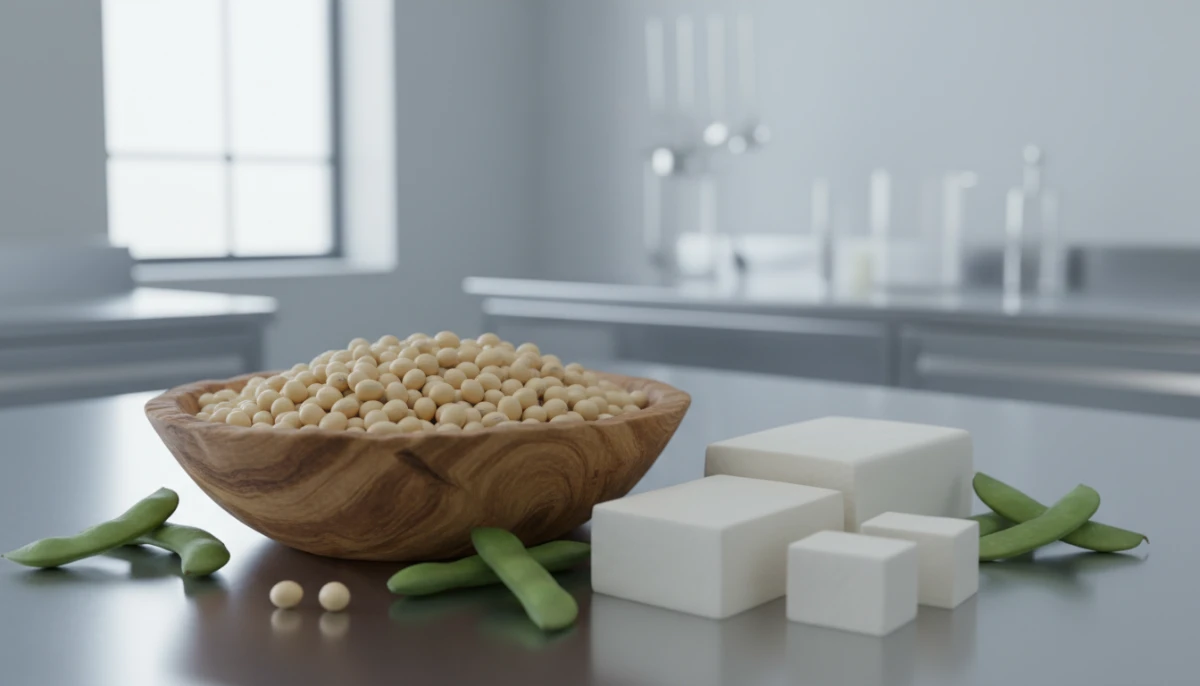
Soybeans (Glycine max) are unique among legumes due to their high concentration of isoflavones, primarily genistein, daidzein, and glycitein. Because these compounds can bind to estrogen receptors in the human body, early animal-based research suggested they might stimulate the growth of estrogen-sensitive tumors. However, as human epidemiological data has matured, a more nuanced—and largely protective—picture has emerged, challenging the archaic warnings that once dominated clinical nutrition.
1. The Biochemistry of Phytoestrogens
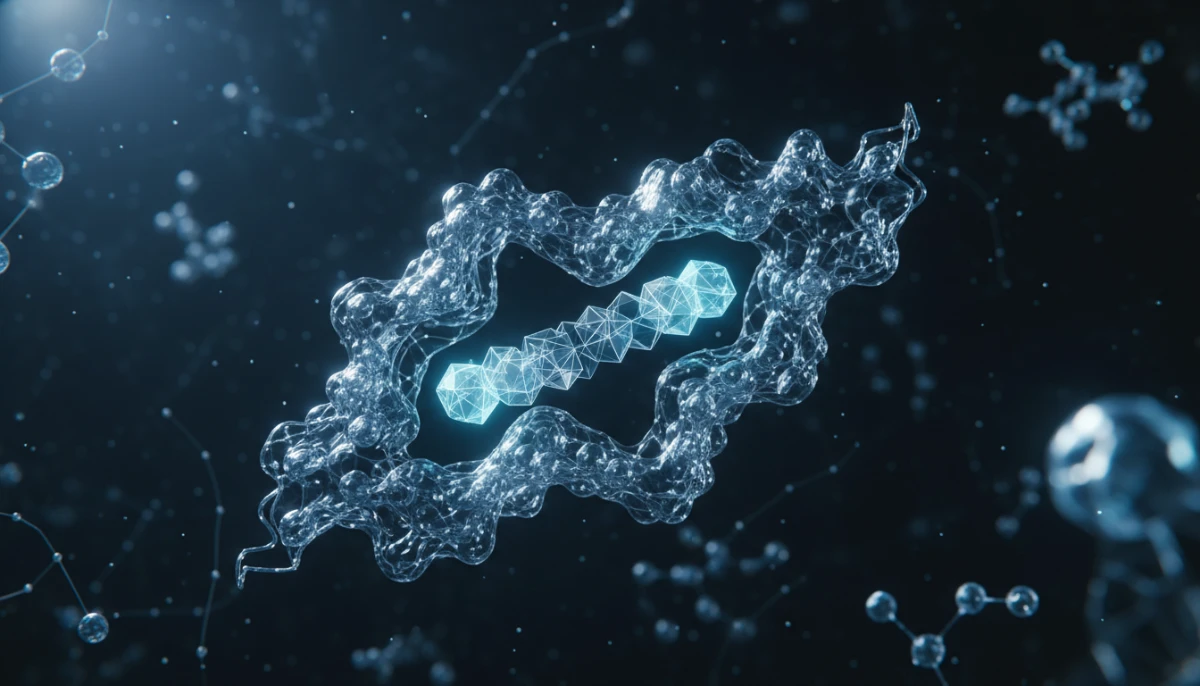
Isoflavones are a subclass of flavonoids known as phytoestrogens. Unlike synthetic estrogen or the endogenous estradiol produced by the human body, isoflavones act as Selective Estrogen Receptor Modulators (SERMs). This distinction is critical for understanding the soy link to breast cancer. In the human body, there are two primary types of estrogen receptors: Alpha (ER-α) and Beta (ER-β).
- ER-Alpha: Predominantly found in the breast and uterus; activation is typically associated with cell proliferation.
- ER-Beta: Found in various tissues, including the breast, bone, and vascular system; activation is often associated with anti-proliferative and protective effects.
Genistein, the primary isoflavone in soy, has a significantly higher affinity for ER-β than for ER-α. This preference explains why soy does not exert the same stimulatory effects on breast tissue as pharmaceutical estrogen. Furthermore, isoflavones can compete with the more potent endogenous estrogens for receptor binding sites, potentially exerting an anti-estrogenic effect in high-estrogen environments.
2. The Soy Link to Breast Cancer: A Deep Dive
The primary concern regarding the soy link to breast cancer revolves around the potential for phytoestrogens to promote the growth of estrogen receptor-positive (ER+) tumors. To address this, meta-analyses have looked at pre-menopausal and post-menopausal women separately. A landmark meta-analysis published in the journal Nutrients examined 35 prospective cohort studies and found that high soy intake was associated with a 13% reduction in breast cancer risk overall.
The Timing of Exposure (The Early-Life Hypothesis)
One of the most compelling findings in soy research is the “early-life hypothesis.” Data from the Shanghai Women’s Health Study suggests that soy consumption during adolescence and early adulthood provides the most significant protective effect. This is likely due to the influence of isoflavones on the maturation of breast tissue, making cells more resistant to carcinogenic transformations later in life. Women who began high soy intake in childhood showed a nearly 50% reduction in lifetime breast cancer risk compared to those who started in adulthood.
3. Comparative Epidemiology: Asian vs. Western Contexts
The disparity between results in Asian and Western populations is a recurring theme in soy research. In many Asian countries, the average daily intake of isoflavones ranges from 25 to 50 milligrams. In contrast, the average American or European consumes less than 2 milligrams per day. This “dosage gap” often explains why Western studies sometimes fail to show a statistically significant protective effect.
Asian Cohort Observations
Consistent inverse relationship between soy intake and cancer. Focus is largely on whole foods like miso, tofu, and tempeh consumed from a young age.
Western Cohort Observations
Inconsistent results often due to low overall consumption and the use of processed soy isolates or supplements rather than traditional fermented foods.
Furthermore, gut microbiome composition plays a vital role. About 30-50% of the population possesses the specific gut bacteria required to metabolize daidzein into equol, a compound with even stronger biological activity. Equol-producers, who are more common in Asian populations, appear to derive the greatest cancer-protective benefits from soy consumption.
4. Expanding the Scope: Prostate and Lung Cancer
While the soy link to breast cancer dominates headlines, the evidence for other cancers is equally promising. A meta-analysis of 30 studies on prostate cancer found that total soy intake was associated with a 26-30% reduction in risk. This is particularly relevant given the role of ER-β in the prostate, where it acts as a tumor suppressor.
For lung cancer, a meta-analysis involving over 400,000 participants indicated that high soy intake was linked to an 18% lower risk of developing the disease. This relationship held true even after adjusting for smoking status, suggesting that the anti-inflammatory and antioxidant properties of genistein may mitigate oxidative stress in lung tissue.
5. Meta-Analysis of Clinical Outcomes in Survivors
Perhaps the most vital area of modern research is the safety of soy for breast cancer survivors. For years, clinicians advised survivors of ER+ breast cancer to avoid soy. However, recent data from the LACE (Life After Cancer Epidemiology) study and the After Breast Cancer Choices (ABC) study have revolutionized these recommendations.
Meta-analyses of these survivor cohorts consistently show that soy intake does not increase the risk of recurrence. In fact, several studies have shown that high soy consumption (roughly 10mg of isoflavones per day) is associated with a 25% reduction in recurrence and a reduction in all-cause mortality. These findings suggest that soy may interfere with the mechanisms of tumor regrowth, possibly by inhibiting angiogenesis or inducing apoptosis (programmed cell death) in residual cancer cells.
6. The Role of Food Processing: Tofu vs. Soy Isolates
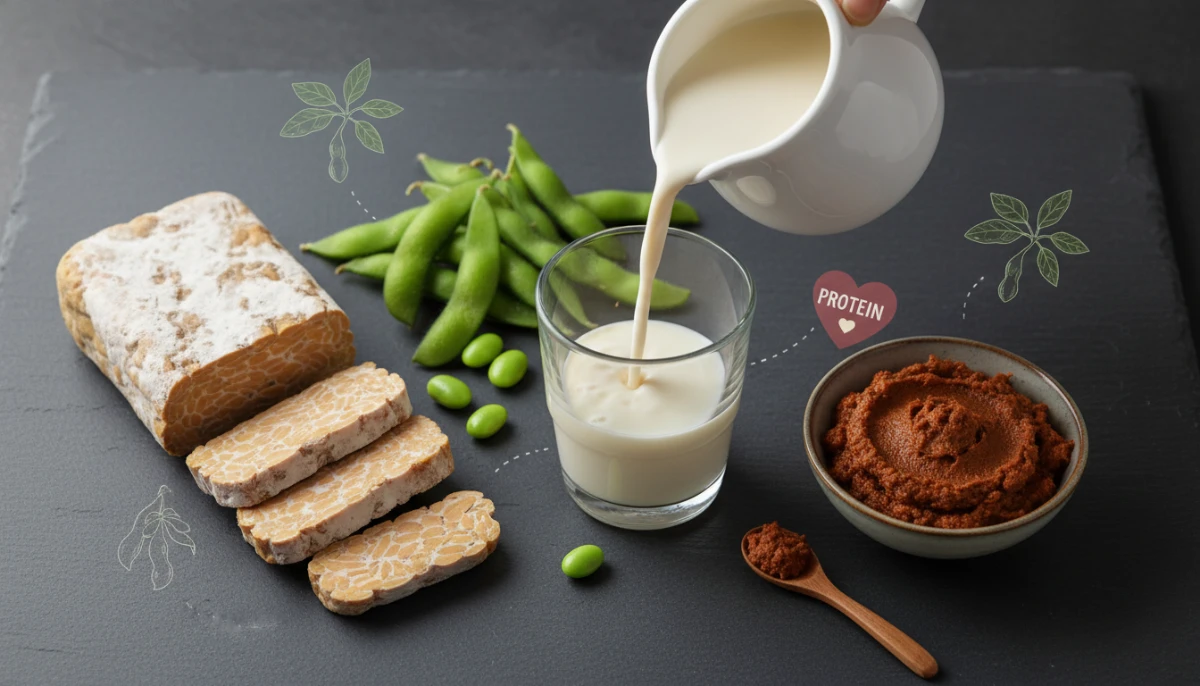
When analyzing the soy link to breast cancer, the quality of the soy source is paramount. Traditional soy foods like tofu, tempeh, and edamame contain a matrix of fiber, high-quality protein, and saponins that work synergistically with isoflavones. In contrast, ultra-processed soy products, such as Soy Protein Isolate (SPI) found in some protein bars and meat substitutes, may lack these beneficial co-factors.
The Verdict on Supplements
Current clinical guidelines recommend obtaining isoflavones from whole food sources. While high-dose isoflavone supplements (extracts) have shown safety in most trials, they do not offer the same comprehensive nutritional profile as whole soybeans and have not been as extensively studied for long-term cancer prevention.
Frequently Asked Questions (FAQ)
No. Multiple meta-analyses of human studies indicate that soy consumption is either neutral or protective against breast cancer. The “estrogen-mimicking” effect is limited to beneficial ER-beta receptors, which does not promote tumor growth in the same way human estrogen does.
Yes. Research involving thousands of survivors has shown that moderate soy intake (1-2 servings a day) does not increase recurrence risk and may actually improve survival outcomes.
Evidence suggests that 1 to 2 standard servings of whole soy foods (e.g., 1/2 cup of tofu or 1 cup of soy milk) per day is sufficient to capture the protective benefits observed in clinical studies.
Clinical meta-analyses of male subjects have shown that soy does not significantly alter testosterone or estrogen levels in men, nor does it affect fertility or cause feminizing effects.