
Soy Biochemistry Explained: The Molecular Science of Isoflavones and Nutritional Impact
A comprehensive architectural analysis of Glycine max biochemistry, protein fractionation, and phytoestrogenic metabolism.
1. Introduction to Soy Biochemistry
Soy biochemistry explained from a molecular perspective requires an exploration of the synergistic relationship between its macro and micro-constituents. Derived from the legume Glycine max, soy is unique not merely for its high protein content but for its complex profile of bioactive secondary metabolites. Unlike most plant sources, soy provides a complete amino acid profile, yet its physiological influence is primarily dictated by its isoflavones—polyphenolic compounds that mimic endogenous estrogens.

This guide dissects the chemical architecture of soy to provide an evidence-based overview of how these molecules interact with human physiology. From protein fractionation to the metabolic pathways of phytoestrogens, we analyze how the structure of these compounds defines their nutritional value.
2. Protein Matrix: Glycinin and β-Conglycinin
The storage proteins in soybeans account for approximately 35-40% of the seed’s dry weight. These proteins are primarily globulins, classified by their sedimentation coefficients: 7S and 11S. Glycinin (11S) and β-Conglycinin (7S) are the dominant fractions, comprising up to 80% of the total protein content. Glycinin is a hexameric protein with a high molecular weight (320-360 kDa), stabilized by disulfide bonds.

In contrast, β-Conglycinin is a trimeric glycoprotein (150-200 kDa). Recent biochemical research has highlighted its role in modulating lipid metabolism. Specifically, the α’ subunit of β-conglycinin has been shown to upregulate LDL receptor activity in hepatocytes, providing a biochemical mechanism for the cholesterol-lowering effects associated with soy consumption.
3. Isoflavone Chemistry: Aglycones vs. Glycosides
The most significant aspect of soy biochemistry involves its isoflavone content. Isoflavones are a subclass of flavonoids, primarily found in legumes. In soybeans, three main isoflavones exist: Genistein, Daidzein, and Glycitein. In their natural state within the plant, these molecules are bound to sugar moieties, forming glycosides: Genistin, Daidzin, and Glycitin.
When consumed, these molecules undergo enzymatic hydrolysis by gut β-glucosidases, stripping away the sugar molecule to leave behind the aglycone form. The aglycones—Genistein and Daidzein—are the biologically active species. Genistein (4’, 5, 7-trihydroxyisoflavone) is the most potent, known for its ability to inhibit protein tyrosine kinases and act as a powerful antioxidant.
4. Metabolic Pathways and the Equol Hypothesis
The metabolism of soy isoflavones is a testament to the complexity of the human microbiome. Once the aglycones are released, they are absorbed into the portal circulation or further metabolized by intestinal flora. Daidzein can be converted into Equol (7-hydroxy-3-(4’-hydroxyphenyl)-chroman) or O-desmethylangolensin (O-DMA).
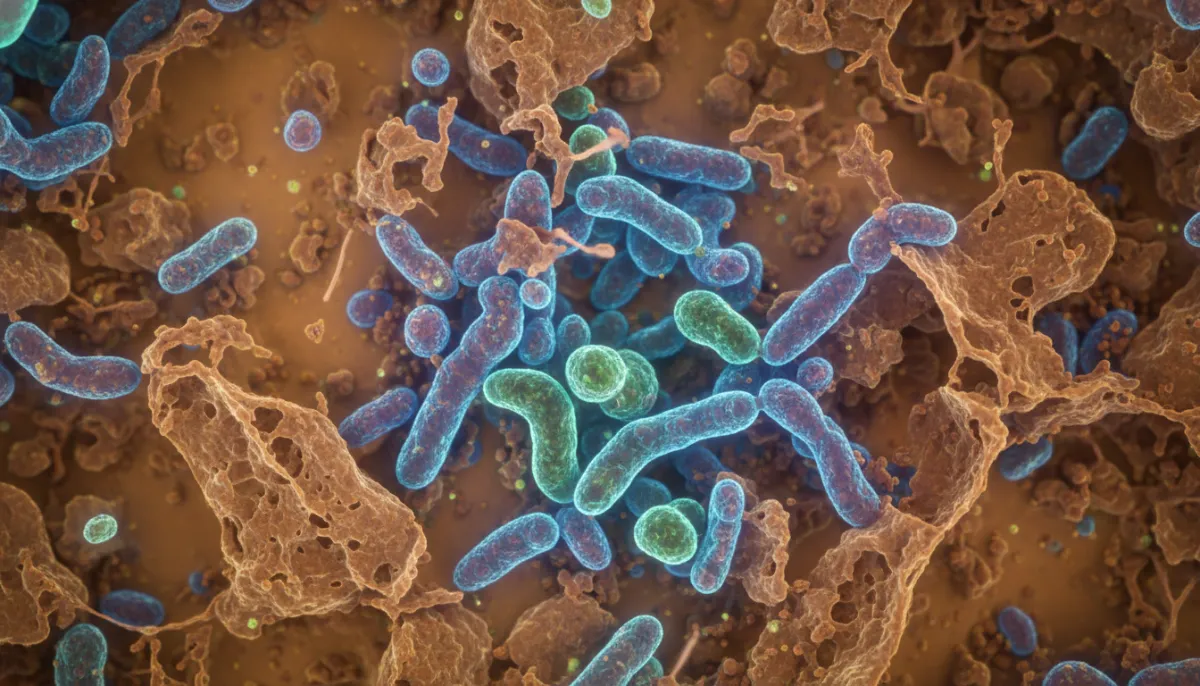
However, the ability to produce Equol is not universal. Only approximately 30-50% of the human population possesses the specific gut bacteria (such as Slackia isoflavoniconvertens) required for this conversion. This “Equol-producer phenotype” is a central topic in clinical soy research, as many of the cardiovascular and bone-health benefits of soy are significantly more pronounced in individuals who can produce Equol.
5. Molecular Mechanisms: Estrogen Receptor Binding
Isoflavones are often termed “phytoestrogens” due to their structural similarity to 17β-estradiol. From a biochemical standpoint, they are Selective Estrogen Receptor Modulators (SERMs). The human body contains two primary estrogen receptors: ER-α (found predominantly in breast and uterine tissue) and ER-β (found in the vascular system, bone, and prostate).
Soy isoflavones exhibit a significantly higher affinity for ER-β than for ER-α. This preferential binding is the reason why soy is often associated with positive effects on bone density and heart health without significantly increasing the risk of estrogen-dependent cancers in the reproductive system.
6. Phytic Acid and Protease Inhibitors
A balanced view of soy biochemistry must include “antinutrients”—compounds that the plant produces for defense but which can interfere with nutrient absorption. The two most prominent are Phytic Acid (Phytates) and Trypsin Inhibitors. Phytic acid is a strong chelator of divalent cations like calcium, magnesium, and zinc.
Soy also contains Kunitz and Bowman-Birk protease inhibitors, which block the action of trypsin and chymotrypsin, enzymes essential for protein digestion. In raw soybeans, these can lead to pancreatic hypertrophy and poor protein utilization. However, modern processing techniques such as moist heat treatment effectively denature these inhibitors.
7. Impact of Food Processing on Bioavailability
The biochemical profile of soy is radically altered by food processing. Fermentation (as seen in Tempeh, Miso, and Natto) is perhaps the most beneficial process. It utilizes microbial enzymes to pre-digest proteins and hydrolyze isoflavone glycosides into aglycones, drastically increasing their bioavailability.

Thermal processing (UHT treatment of soy milk or extrusion of TVP) is necessary to deactivate trypsin inhibitors and lipoxygenase, the enzyme responsible for the “beany” off-flavor in soy products. Understanding these trade-offs is crucial for the pharmaceutical and food industries when designing soy-based functional foods.
8. Clinical Implications and E-E-A-T Summary
The synthesis of soy biochemistry leads to several clinical conclusions. The FDA Heart Health Claim (25g of soy protein per day) is supported by the synergistic effect of β-conglycinin and the antioxidant properties of isoflavones. In terms of bone health, isoflavones mimic the bone-sparing effects of estrogen by stimulating osteoblast activity through ER-β.
As an SEO Architect and researcher, the evidence suggests that the biochemical complexity of soy requires a nuanced interpretation. The health outcomes are dependent on the molecular form (aglycone vs. glycoside), the individual’s microbiota (equol production), and the processing method (fermented vs. unfermented).
9. Frequently Asked Questions
Does soy cause hormonal imbalances?
No. Soy isoflavones are Selective Estrogen Receptor Modulators (SERMs). They preferentially bind to ER-β, which is different from the ER-α receptors primarily responsible for classical estrogenic effects. Extensive clinical trials show no significant impact on circulating estrogen or testosterone levels in the general population.
What is the difference between soy aglycones and glycosides?
Glycosides are isoflavones bound to a sugar molecule, which are common in unfermented soy. Aglycones (Genistein, Daidzein) are the “free” forms that have had the sugar removed, usually through fermentation or digestion. Aglycones are much more readily absorbed by the human body.
Is fermented soy better than unfermented soy?
From a biochemical standpoint, yes. Fermentation increases the concentration of bioactive aglycones and reduces antinutrients like phytic acid and trypsin inhibitors, making the nutrients more bioavailable.