
Soy and Thyroid Function: An Evidence-Based Review
A comprehensive analysis of the interaction between soy isoflavones, iodine status, and thyroid health based on decades of clinical research.
Introduction
The interaction between dietary soy and the endocrine system, specifically the thyroid gland, has been a subject of intense scientific scrutiny and public concern for over half a century. As plant-based diets become increasingly prevalent, the consumption of soy-derived products—ranging from traditional tofu and tempeh to modern soy protein isolates—has reached unprecedented levels. This rise in popularity has been mirrored by concerns regarding the potential goitrogenic effects of soy isoflavones, specifically their ability to interfere with thyroid hormone synthesis and the efficacy of thyroid hormone replacement therapy.
The debate often centers on whether soy consumption can lead to hypothyroidism or exacerbate existing conditions in those with compromised thyroid function. To understand this relationship, we must look beyond headlines and examine the nuanced mechanisms of action, the role of iodine status, and the results of large-scale meta-analyses. This review aims to provide a definitive, evidence-based exploration of soy and thyroid function, addressing both the metabolic risks and the established safety parameters for healthy individuals and those with thyroid disorders.
The Biochemical Profile of Soy: Isoflavones and Beyond
Soybeans (Glycine max) are unique among legumes for their high concentration of isoflavones, a class of phytoestrogens. The primary isoflavones in soy are genistein, daidzein, and glycitein. These compounds are structurally similar to the human hormone estradiol (E2), allowing them to bind to estrogen receptors, albeit with a significantly lower affinity. In the context of thyroid health, the primary interest lies in the potential of these isoflavones to act as inhibitors of certain enzymatic processes.
Genistein and Daidzein
Genistein is the most abundant isoflavone in soy and has been the focus of numerous in vitro studies. It is recognized as a potent inhibitor of thyroid peroxidase (TPO), the enzyme responsible for the iodination of tyrosine residues in thyroglobulin—a critical step in the production of thyroxine (T4) and triiodothyronine (T3). Daidzein, while less potent, exhibits similar inhibitory properties. It is this biochemical interaction that forms the basis for the hypothesis that high soy intake could lead to goiter formation or hypothyroidism.
Phytates and Saponins
Beyond isoflavones, soy contains phytates (phytic acid), which can interfere with the absorption of essential minerals such as iodine, zinc, and selenium. Selenium is particularly vital for thyroid health, as it is a component of the deiodinase enzymes that convert T4 into the active T3 hormone. Therefore, the nutritional matrix of soy is complex, involving multiple compounds that could theoretically influence thyroid homeostasis.
Understanding Thyroid Physiology and the Soy Connection
To evaluate the impact of soy, one must understand how the thyroid gland functions. The thyroid requires iodine to synthesize hormones. When iodine is present in sufficient quantities, the gland is remarkably resilient. It uses an internal feedback loop involving the hypothalamus and pituitary gland (the HPT axis) to maintain stable hormone levels. When circulating T4 levels drop, the pituitary releases Thyroid Stimulating Hormone (TSH) to prompt the thyroid to produce more.
The theoretical concern with soy is that isoflavones compete for the iodine that would otherwise be used to create thyroid hormones. In laboratory settings, genistein has been shown to act as a “suicide inhibitor” of TPO. However, the critical caveat discovered in human studies is that this inhibition is largely overcome by adequate iodine intake. In iodine-sufficient individuals, the thyroid can compensate for the minor inhibitory effects of soy isoflavones without a significant rise in TSH or a drop in T4.
Goitrogens and the Thyroid: Fact vs. Fiction
The term “goitrogen” refers to any substance that can cause an enlargement of the thyroid gland (a goiter). While soy is frequently cited in lists of goitrogenic foods alongside cruciferous vegetables like kale and broccoli, the mechanism is distinct. Unlike the glucosinolates in kale which interfere with iodine uptake, soy isoflavones interfere with the processing of iodine after it has already been taken up by the gland. This means that increasing iodine intake is a highly effective strategy for neutralizing the goitrogenic potential of soy, a fact often omitted from popular health narratives.
Human Clinical Evidence: What the Research Shows
Decades of human clinical trials have sought to determine if soy consumption translates to clinical hypothyroidism. A landmark meta-analysis published in the journal “Thyroid” analyzed 14 clinical trials and concluded that soy foods and isoflavones have little to no effect on thyroid function in euthyroid (healthy) individuals with adequate iodine intake. The researchers noted that while there may be a slight, clinically insignificant rise in TSH levels in some individuals, the circulating levels of T4 and T3 remained stable.
The Impact on Subclinical Hypothyroidism
One area of concern remains individuals with subclinical hypothyroidism—a state where TSH is mildly elevated but T4 is normal. A study published in the “Journal of Clinical Endocrinology & Metabolism” found that women with subclinical hypothyroidism were three times more likely to progress to overt hypothyroidism when consuming high doses of soy phytoestrogens (30mg/day). This suggests that for those whose thyroid function is already borderline, soy may provide the additional stress needed to push the gland into a state of failure.
Soy and Levothyroxine Interaction: The Absorption Issue
Perhaps the most critical clinical concern regarding soy and hypothyroidism is not the effect on the gland itself, but the effect on medication absorption. Patients with hypothyroidism are typically prescribed Levothyroxine (synthetic T4). Clinical data suggests that soy protein can significantly inhibit the absorption of this medication in the gastrointestinal tract.
This does not mean that patients on thyroid medication must avoid soy entirely. Rather, it necessitates a timing strategy. The consensus among endocrinologists is the “four-hour rule.” Patients should wait at least four hours after taking their thyroid medication before consuming any soy products. This window allows the medication to be absorbed into the bloodstream before the soy protein can interfere with its transport across the intestinal wall.
Special Populations: Infants and the Developing Thyroid
The use of soy-based infant formula has been a point of contention. In the late 20th century, reports emerged of infants developing goiters while on soy formula. However, these cases were almost exclusively linked to formulas that were not supplemented with iodine. Since modern soy formulas are now fortified with iodine, the risk of goiter has essentially been eliminated. Nevertheless, researchers continue to monitor the long-term endocrine health of “soy-formula babies,” with current data suggesting no significant increase in thyroid disease in adulthood, though some studies suggest a slight increase in autoimmune thyroid markers.

Practical Dietary Recommendations
For the vast majority of people, soy can be a healthy part of a balanced diet. To maximize the benefits while minimizing any potential thyroid risk, consider the following evidence-based guidelines:
- Ensure Adequate Iodine Intake: This is the single most important factor. Use iodized salt or consume iodine-rich foods like seaweed, fish, and dairy to ensure your thyroid has the raw materials it needs to resist isoflavone-induced inhibition.
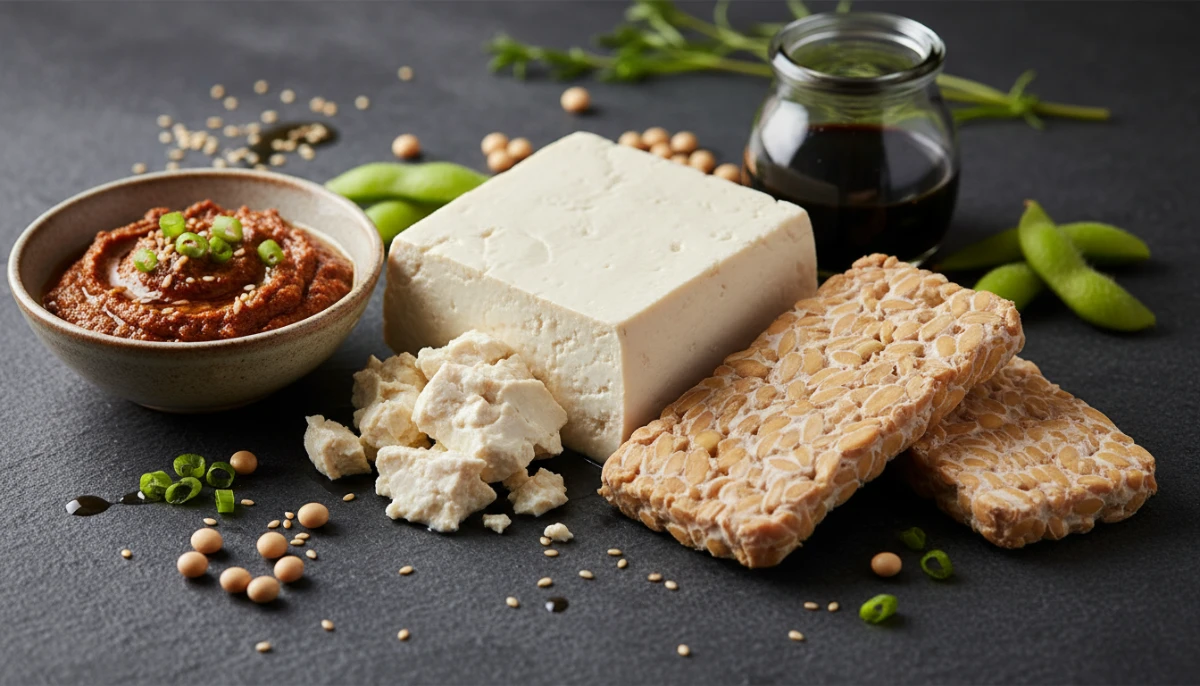
- Prioritize Fermented Soy: Products like tempeh, miso, and natto undergo fermentation, which breaks down phytates and may alter the bioavailability of isoflavones in a way that is gentler on the endocrine system.
- Monitor Intake if Hypothyroid: If you have been diagnosed with hypothyroidism or subclinical hypothyroidism, keep soy intake moderate (1-2 servings per day) and consistently monitor your TSH levels with your physician.
- Adhere to the Four-Hour Rule: If taking Levothyroxine, ensure a strict 4-hour gap between your medication and any soy consumption.
- Focus on Whole Foods: Choose tofu, edamame, and whole soybeans over highly processed soy protein isolates found in protein powders and “fake meat” products, as the latter often contain much higher concentrations of isolated isoflavones.
Conclusion
The scientific consensus on soy and hypothyroidism is one of cautious reassurance. For healthy individuals with sufficient iodine intake, soy does not pose a significant threat to thyroid health. For those with existing thyroid conditions, soy is not “off-limits,” but requires careful management of medication timing and a focus on dietary iodine. As with all nutritional topics, the dose makes the poison, and a moderate intake of whole-food soy is likely to provide more cardiovascular and metabolic benefits than thyroid-related risks.
Frequently Asked Questions
Can eating soy cause hypothyroidism in healthy people?
No. Extensive clinical reviews show that in people with normal thyroid function and adequate iodine levels, soy does not cause hypothyroidism.
Why do people say soy is bad for the thyroid?
This stems from the fact that soy isoflavones can inhibit the enzyme TPO in laboratory settings. However, in the human body, this effect is usually too weak to cause clinical disease unless there is an iodine deficiency.
Do I have to stop eating tofu if I take thyroid medication?
No. You can continue to eat tofu, but you must ensure you do not eat it within four hours of taking your thyroid hormone replacement medication.
Is fermented soy better for the thyroid?
Fermented soy products like tempeh and miso have lower levels of phytates, which can improve mineral absorption (like iodine), making them a slightly better choice for those concerned about thyroid health.