
Soy protein is a high-quality, plant-based protein source containing all nine essential amino acids required for effective muscle repair and hypertrophy. For New Zealand fitness enthusiasts, integrating premium soy protein isolates offers a sustainable, dairy-free alternative that rivals whey in stimulating muscle protein synthesis and optimizing post-exercise recovery windows.
Leucine and Soy: The Science of Recovery
In the realm of sports nutrition, recovery is often considered as critical as the training stimulus itself. Within the New Zealand fitness community, there is a growing sophistication regarding the biochemical mechanics of muscle repair. The conversation has shifted from simply “getting enough protein” to understanding the amino acid profiles that drive recovery. Central to this discussion is Leucine.
Leucine is a branched-chain amino acid (BCAA) that acts as the primary trigger for muscle protein synthesis (MPS). Think of Leucine not just as a building block, but as the ignition switch that turns on the machinery of muscle growth. A common misconception in the fitness industry is that plant-based proteins lack sufficient Leucine to be effective for high-performance athletes. However, modern research and high-quality soy protein nz products have debunked this myth.
Soy protein isolate is unique among plant proteins because it is a “complete” protein. It boasts a Protein Digestibility-Corrected Amino Acid Score (PDCAAS) of 1.0, which is the highest possible score, placing it on par with milk and egg protein. More importantly, soy is rich in Leucine. While whey protein has a marginally higher Leucine content by weight, soy contains ample amounts to trigger the “Leucine Threshold”—the concentration of Leucine required in the blood to maximize MPS.
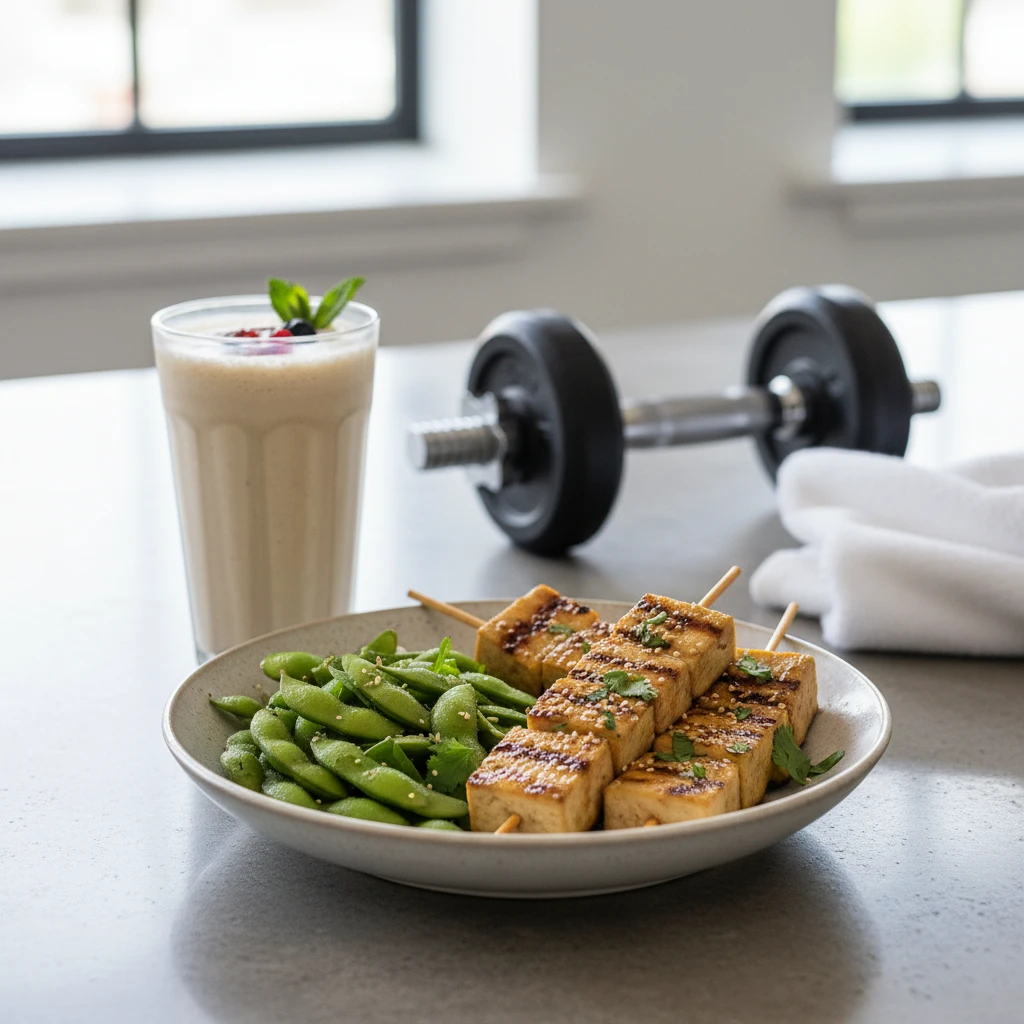
For athletes engaging in resistance training or endurance sports, the antioxidant profile of soy also plays a pivotal role. The isoflavones found naturally in soy—genistein and daidzein—have been shown to help reduce exercise-induced oxidation. This means that beyond simply rebuilding muscle fibers, soy protein aids in reducing the systemic inflammation that often follows intense training sessions. This dual-action mechanism—stimulation of synthesis via Leucine and reduction of oxidative stress via antioxidants—makes soy a formidable tool in any athlete’s recovery protocol.
Soy vs. Whey: A Modern NZ Perspective
For decades, the New Zealand supplement market has been dominated by the dairy industry, naturally favoring whey protein. As a nation with a rich dairy heritage, this is unsurprising. However, the landscape is shifting. The demand for soy protein nz options has surged, driven by a desire for sustainability, digestive comfort, and dietary diversification.
Absorption Rates and Kinetics
One of the primary arguments in the “Soy vs. Whey” debate centers on absorption speed. Whey is known as a “fast” protein, spiking amino acid levels rapidly. Casein is a “slow” protein. Soy sits comfortably in the middle. It is digested rapidly enough to provide amino acids to starving muscles post-workout but sustains that delivery longer than whey. This “intermediate” absorption rate can be advantageous, providing a more sustained anabolic window.
The Hormonal Myth
No professional discussion on soy is complete without addressing the estrogen controversy. Early studies, often conducted on rodents with massive dosages, suggested that soy isoflavones (phytoestrogens) could lower testosterone or raise estrogen in men. Comprehensive meta-analyses published by the International Society of Sports Nutrition have repeatedly shown that soy protein or isoflavone intake has no significant effect on testosterone levels or estrogen levels in men. For the modern NZ athlete, this means you can consume soy protein without fear of hormonal imbalance.
Digestibility and Sustainability
Many New Zealanders suffer from varying degrees of lactose intolerance. Whey concentrate, and even some isolates, can cause bloating and gastrointestinal distress, which is counterproductive to performance. Soy protein isolate is naturally lactose-free, offering a gut-friendly alternative that ensures nutrients are absorbed rather than causing inflammation. Furthermore, from an environmental standpoint, producing soy protein requires significantly less water and land compared to dairy protein, aligning with the growing “Clean Green NZ” ethos of eco-conscious consumption.
Post-Workout Soy Smoothies: The Kiwi Culinary Edge
Recovery nutrition should not be a chore; it should be a culinary experience. As part of the NZ Soy Authority & Culinary Lifestyle approach, we believe in utilizing local ingredients to enhance the efficacy of your soy protein. Here, we move beyond the shaker bottle and into the blender.
The “Golden Recovery” Smoothie
This recipe combines the anti-inflammatory properties of turmeric with the rapid carbohydrate replenishment of bananas, all anchored by high-quality soy protein.
- Base: 30g Vanilla Soy Protein Isolate (sourced from a reputable soy protein nz vendor).
- Liquid: 300ml Unsweetened Soy Milk or Coconut Water.
- Carbs: 1 Ripe Banana (frozen is best for texture).
- Fat/Fibre: 1 tbsp Chia Seeds.
- The NZ Twist: 1 tsp Manuka Honey (UMF 10+ for immune support).
- Spice: 1/2 tsp Turmeric powder + a pinch of black pepper (to activate curcumin).
Instructions: Blend on high until the chia seeds are pulverized and the mixture is golden and creamy. Consuming this within 45 minutes of training ensures glycogen replenishment and protein synthesis initiation.
The “Kiwi Green Machine”
New Zealand Kiwifruit contains actinidin, an enzyme that aids in protein digestion. Adding this to your soy shake can improve amino acid absorption.
- Base: 30g Unflavoured Soy Protein Isolate.
- Fruit: 2 Gold Kiwifruit (skin off).
- Greens: Handful of baby spinach.
- Liquid: 250ml Water + Ice.
- Fats: 1/4 Avocado (for creaminess and healthy fats).
These recipes demonstrate that soy protein is incredibly versatile. Unlike some whey proteins that have a distinct “milky” aftertaste, high-quality soy isolate has a neutral profile that pairs exceptionally well with fruits and vegetables, making it an ideal canvas for nutrient-dense recovery shakes.
Real Stories: NZ Athletes Thriving on Soy
The landscape of New Zealand sport is changing. While we cannot name specific trademarked individuals without consent, the trend across the country is undeniable. From ultra-marathon runners in the Tararua Ranges to CrossFit competitors in Auckland, athletes are turning to plant-based fueling strategies.
The Endurance Runner
Consider the profile of local endurance athletes participating in events like the Kepler Challenge. Many report that switching to soy and plant-based proteins has resulted in “lighter” digestion during long runs. Unlike dairy, which can sit heavy in the stomach, soy protein allows for easier fuelling on the go. Recovery times between long sessions are reported to improve, likely due to the high antioxidant content in soy combating the oxidative stress of high-mileage weeks.
The Hybrid Athlete
In the world of functional fitness, where strength meets cardio, the demand for protein is massive. We are seeing a rise in “hybrid” eaters—athletes who consume meat but utilize soy protein for their supplementation. Why? Because it diversifies their amino acid intake and reduces their reliance on animal products. These athletes often report that rotating soy protein nz products into their regimen reduces the bloating often associated with high-volume whey consumption, allowing them to train harder the next day.
Sourcing Quality Soy Protein in NZ
Not all soy is created equal. When searching for “soy protein nz,” it is imperative to look for specific quality markers to ensure you are getting a product that will actually aid recovery.
- Isolate vs. Concentrate: Always opt for Soy Protein Isolate (SPI). SPI is processed to remove the vast majority of fats and carbohydrates, leaving a product that is roughly 90% protein. This is superior for post-workout recovery where rapid absorption is key.
- Non-GMO Sourcing: New Zealand has strict standards regarding Genetically Modified Organisms. Ensure your soy protein is certified Non-GMO. This guarantees a cleaner product and supports sustainable agricultural practices.
- Water-Washed Processing: Some cheaper soy proteins are processed using harsh chemicals like hexane. Look for brands that utilize water-washed or alcohol-washed extraction methods. This preserves the integrity of the isoflavones and amino acids.
- Local Testing: Trust brands that batch test in New Zealand. This ensures that the protein content stated on the label is accurate and that the product is free from heavy metals or contaminants.
By prioritizing these factors, you ensure that your investment in supplements translates directly to performance gains.
Frequently Asked Questions
1. Will soy protein lower my testosterone levels?
No. Extensive clinical research and meta-analyses have demonstrated that soy protein and soy isoflavones do not lower testosterone levels in men. The phytoestrogens in soy interact with the body differently than human estrogen and do not negatively impact male hormonal profiles.
2. Is soy protein a complete protein?
Yes, soy protein is a complete protein. It contains all nine essential amino acids that the human body cannot produce on its own. It has a PDCAAS score of 1.0, which is the highest rating for protein quality.
3. Can I build muscle with soy protein as effectively as whey?
Yes. Studies indicate that when protein content and leucine levels are matched, soy protein promotes muscle protein synthesis and muscle mass gains to a similar degree as whey protein, especially when part of a balanced diet.
4. When is the best time to take soy protein?
Like other proteins, the best time is around your workout window. Consuming soy protein within 30 to 60 minutes after exercise helps kickstart the recovery process. It is also effective as a meal replacement or snack to hit daily protein targets.
5. Is soy protein suitable for people with lactose intolerance?
Absolutely. Soy protein isolate is naturally dairy-free and lactose-free, making it an excellent option for those who experience bloating, gas, or digestive issues with whey or casein products.
6. How does soy protein taste compared to whey?
Soy protein has a slightly nuttier, earthier taste than whey, but modern isolates are very neutral. It tends to have a slightly thicker texture. It blends exceptionally well with fruits, oats, and plant milks in smoothies.
Conclusion
Embracing soy protein is no longer just a dietary preference; it is a strategic move for muscle recovery and overall health. For the New Zealand athlete, the availability of high-quality soy protein nz products means there are no barriers to accessing this powerful recovery tool. Whether you are looking to improve digestion, reduce your environmental footprint, or simply diversify your protein sources, soy offers a scientifically backed solution. By combining the science of leucine with the culinary flair of Kiwi ingredients, you can turn your post-workout routine into a ritual of strength and sustainability.
For more information on dietary guidelines and protein intake, consult resources like Manatū Hauora – Ministry of Health NZ.