
Comprehensive Guide to Nut-Free and Soy-Free School Lunchboxes in New Zealand
Navigating the complexities of food allergies while ensuring your child remains energized for the school day requires a strategic approach to meal planning within the NZ context.
1. The New Zealand School Food Landscape
In New Zealand, the Ministry of Education and individual school boards have increasingly adopted ‘allergy-aware’ or ‘nut-free’ policies to protect vulnerable students. For parents, this means that even if your child does not have an allergy, the contents of their lunchbox must adhere to safety guidelines to prevent cross-contamination in communal eating areas. The challenge is amplified when a child requires both a nut-free and soy-free diet, as soy is a ubiquitous filler in many processed NZ food products, from commercial breads to deli meats.
Understanding the difference between ‘nut-free’ and ‘soy-free’ is critical. While nuts are often the focus of high-profile school bans, soy is one of the eight major allergens and is frequently found in vegetable oils, emulsifiers (soy lecithin), and protein boosters. In the New Zealand market, checking labels for ‘May Contain’ statements is a daily necessity for families managing these dietary restrictions.
2. Defining Nut-Free and Soy-Free Requirements
What to Avoid
When preparing nut-free soy lunch ideas for NZ schools, you must exclude all peanuts and tree nuts (almonds, walnuts, cashews, etc.), as well as all soy derivatives. This includes tofu, tempeh, edamame, soy milk, and most importantly, soy protein isolate and soybean oil. In NZ supermarkets, many budget-friendly breads and crackers use soy flour as a conditioner, making label-reading an essential skill.
The ‘Hidden’ Soy Checklist
- Vegetable oils (often a blend including soy)
- Hydrolyzed vegetable protein (HVP)
- Vitamin E (sometimes derived from soybean oil)
- Mono- and diglycerides
- Natural and artificial flavourings
3. Achieving Nutritional Balance Without Allergens
A successful lunchbox provides sustained energy for a child’s brain and body. Without the easy protein of peanut butter or the convenience of soy-based snacks, we must look to alternative sources. The ‘Perfect NZ Lunchbox’ formula should include a complex carbohydrate, a lean protein, a healthy fat, and at least two servings of produce.
Protein
Roast chicken, hard-boiled eggs, chickpeas, pumpkin seeds (pepitas), and grass-fed beef strips.
Carbohydrates
Kumara chunks, quinoa, brown rice cakes, and soy-free sourdough bread.
Fats
Avocado, olive oil dressings, and sunflower seed butter (a fantastic nut-butter alternative).
4. Substantial Main Meal Ideas (No Bread Required)
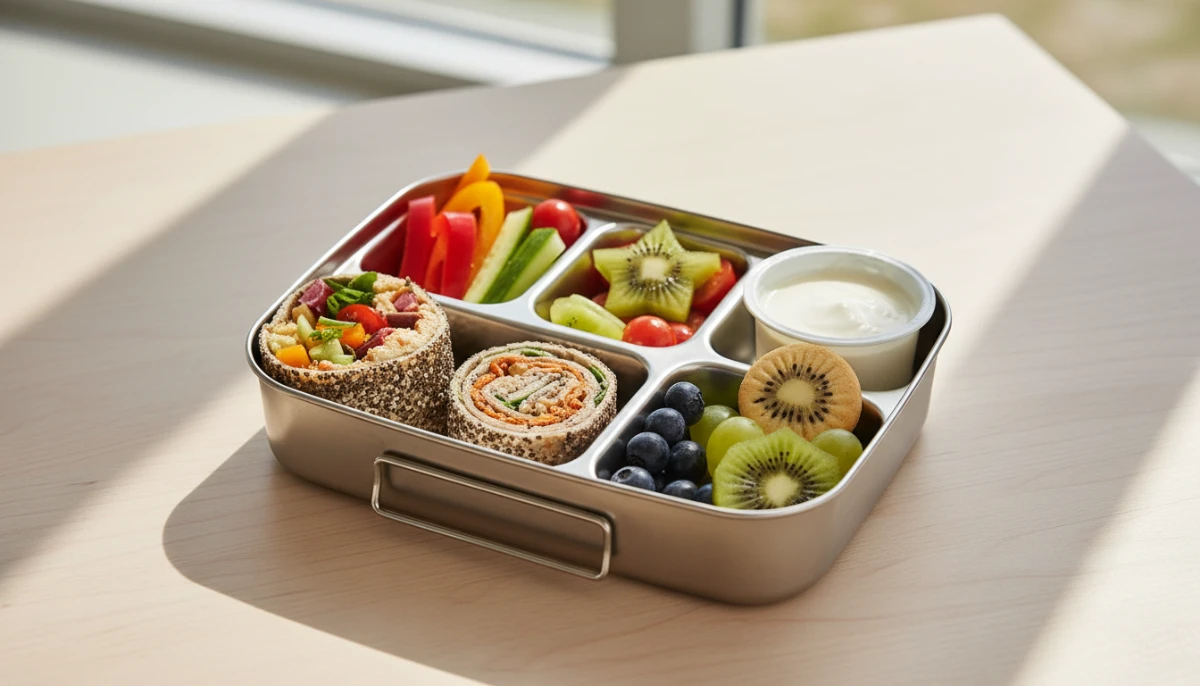
While sandwiches are the staple of the NZ school yard, they can be a minefield for soy-free diets. Expanding the repertoire to include ‘bento-style’ meals or warm flasks can make lunch more exciting and safer.
The ‘Kiwi Bento’ Selection
Using a multi-compartment lunchbox allows for a variety of small, nutrient-dense portions. This is particularly effective for children who prefer ‘grazing’ over a single large meal.
- Rice Salad with Roast Kumara: Use New Zealand-grown orange kumara, cold jasmine rice, seeds, and a honey-lemon dressing (ensure no soy-based oils).
- Mini Frittatas: Whisk eggs with spinach, bacon, and nutritional yeast (instead of cheese if dairy-free too). Avoid soy-based cooking sprays; use butter or olive oil.
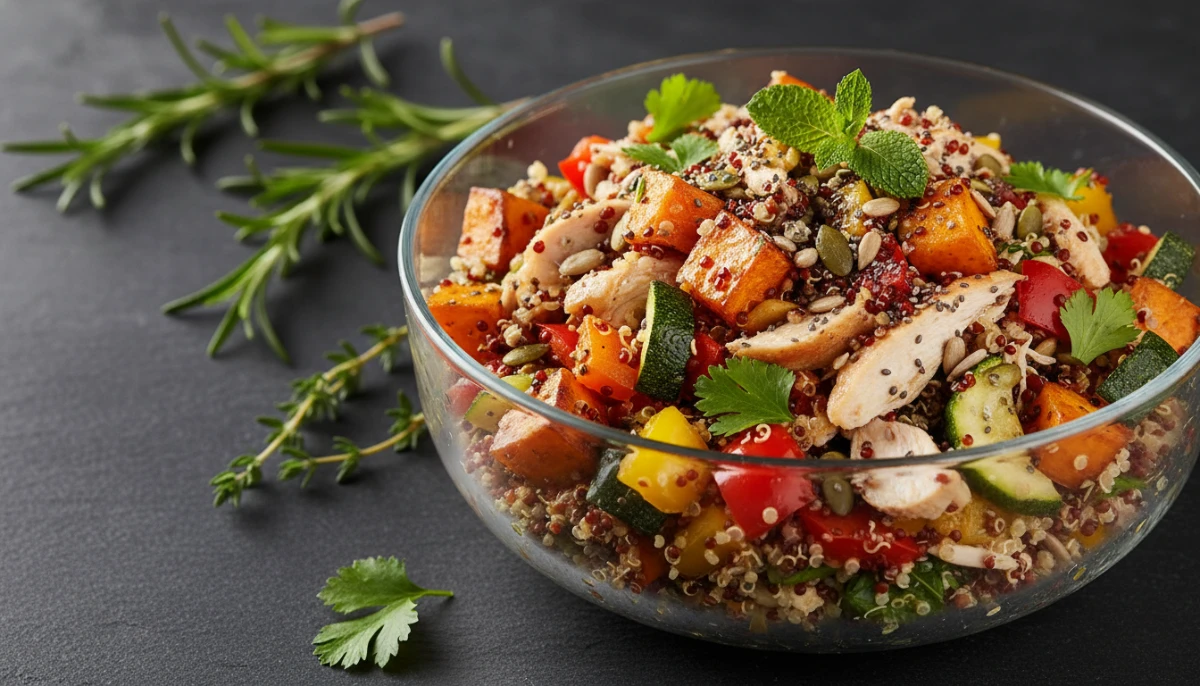
- Quinoa and Chicken Bowls: Shredded chicken breast mixed with quinoa, grated carrot, and a splash of coconut aminos (the perfect soy-free soy sauce alternative available in NZ health aisles).
5. Navigating Bread and Wraps in NZ
Many commercial breads in NZ contain soy flour or emulsifiers. When searching for ‘nut free soy lunch ideas nz schools’, bread is often the hardest component to source. Look for ‘Artisan’ sourdoughs which typically only contain flour, water, and salt. Alternatively, certain boutique brands in New Zealand supermarkets specify ‘Soy Free’ on their packaging.
Wrap Alternatives
- Lettuce Cups: Use sturdy Cos or Iceberg leaves to wrap fillings like tuna (check the can for soybean oil) and corn.
- Rice Paper Rolls: A naturally gluten-free, nut-free, and soy-free option. Fill with vermicelli noodles, mint, carrot, and prawns. Provide a dipping sauce made from sunflower butter and coconut aminos.
- Homemade Oat Wraps: Blend oats and water to create a batter, then fry like a pancake. These are robust and soy-free.
6. High-Energy Snacks and Fruit Pairings
Snacks are where hidden allergens often hide. Pre-packaged muesli bars almost universally contain soy lecithin and frequently nuts. In NZ, we are blessed with incredible seasonal fruit which should be the cornerstone of the snack section.
Seasonal NZ Fruit Calendar
Integrating seasonal fruit ensures the highest nutrient density and supports local growers. Pair these with a protein or fat to prevent blood sugar spikes.
| Season | Fruit Selection | Allergen-Safe Pairing |
|---|---|---|
| Summer | Stonefruit (Peaches, Nectarines) | Sunflower seeds |
| Autumn | Feijoas, Apples | Hard cheese cubes |
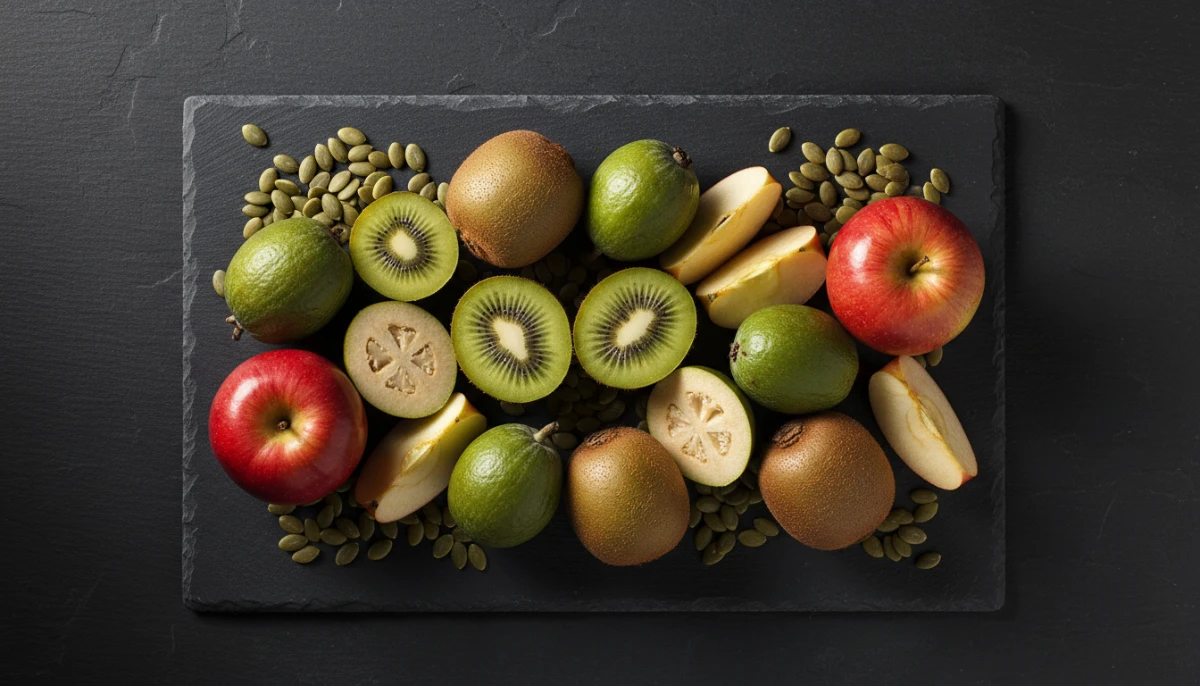
| Winter | Kiwifruit, Mandarins | Pumpkin seeds |
| Spring | Strawberries | Coconut yogurt (ensure soy-free) |
7. Home-Baking: The Allergen-Safe Solution
Because store-bought snacks are often unsafe, home-baking is the gold standard for soy and nut-free lunches. By controlling the ingredients, you eliminate the risk of cross-contamination. Use New Zealand butter (a natural soy-free fat) and high-quality flours.
The ‘No-Nut’ Bliss Ball
Traditionally made with almonds or cashews, bliss balls can be easily adapted. Swap nuts for a mix of sunflower seeds, pumpkin seeds, and shredded coconut. Bind with dates and a touch of cocoa powder. These provide a dense source of energy that satisfies the ‘sweet’ craving without the sugar crash of commercial candies.
Savory Muffins
Baking a batch of savory muffins on a Sunday is a classic NZ ‘meal prep’ move. Use grated zucchini, carrot, corn kernels, and bacon. Ensure the baking powder used is soy-free (most are, but always check). These freeze exceptionally well and can be popped into the lunchbox frozen to act as an ice pack, thawing by morning tea.
8. Storage and Food Safety in NZ Climates
New Zealand’s variable climate, particularly in the humid northern regions or the hot summers of Central Otago, requires careful consideration of food safety. Without soy-based preservatives, fresh food can spoil faster. High-quality, insulated lunch bags are non-negotiable.
- Stainless Steel Bento Boxes: These are durable, easy to clean, and don’t retain smells. Brands like ‘PlanetBox’ or local NZ alternatives are excellent.
- Ice Packs: Essential for keeping protein sources (chicken, eggs, dairy) at a safe temperature. Use at least two thin packs for maximum coverage.
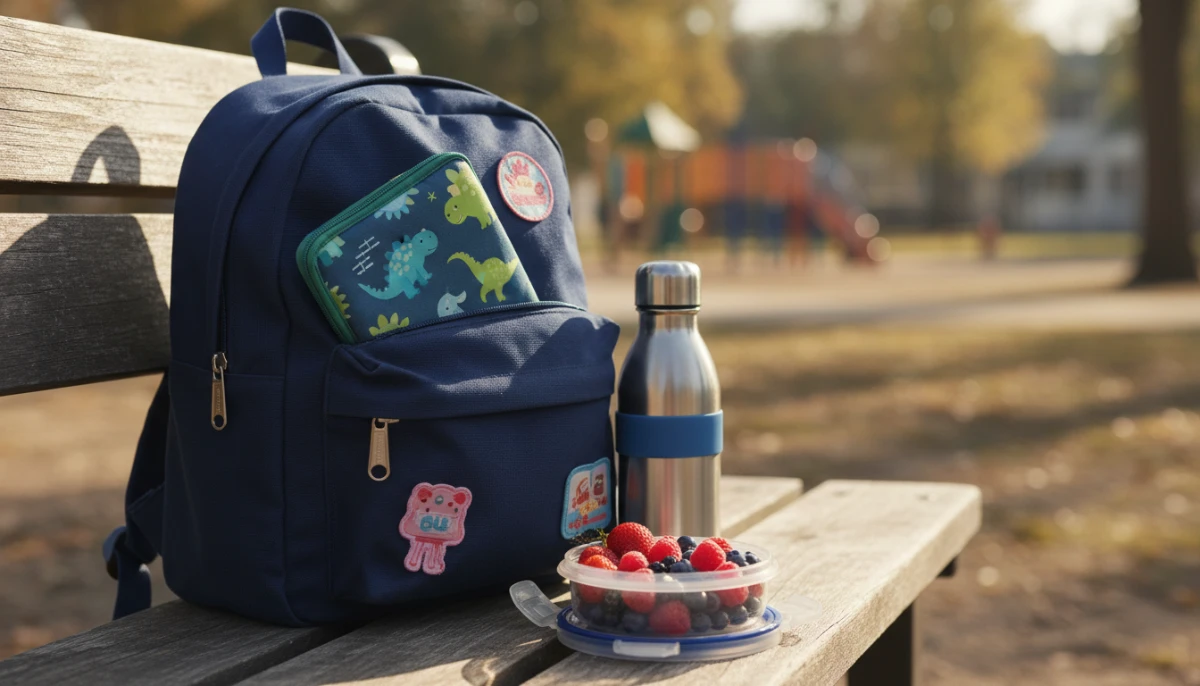
- Insulated Flasks: For the colder months, a high-quality vacuum flask can keep soy-free soups or stews warm for up to 5 hours.
9. Frequently Asked Questions
Are all New Zealand breads soy-free?
No. In fact, the majority of supermarket breads in NZ contain soy flour or soy lecithin as an emulsifier. Always check the ingredient list for ‘Soy’ in bold. Sourdough from local bakeries is often the safest bet.
What is a good nut-free alternative to peanut butter?
Sunflower seed butter (SunButter) is the closest in flavor and texture. Tahini (sesame seed paste) is another option, though some schools may also have restrictions on sesame.
How do I identify soy in NZ food labels?
Under FSANZ (Food Standards Australia New Zealand), soy must be clearly declared. Look for ingredients like ‘Soybean oil’, ‘Soy protein’, ‘Emulsifier (322 from soy)’, and ‘Vegetable oil (contains soy)’.