
Processed vs Fermented Soy: A Comprehensive Deep Dive into Health, Bioavailability, and Industrial Impact
Navigating the complex landscape of soy consumption requires understanding the fundamental shift between traditional fermentation and modern industrial processing.
The soybean (Glycine max) is arguably the most controversial legume in the modern diet. For thousands of years, it has served as a cornerstone of East Asian nutrition, lauded for its high protein content and versatility. However, as soy transitioned from a traditional staple to a global industrial commodity, its nutritional profile underwent a radical transformation. Today, the debate centers not on soy itself, but on the processing vs. fermentation of the bean.
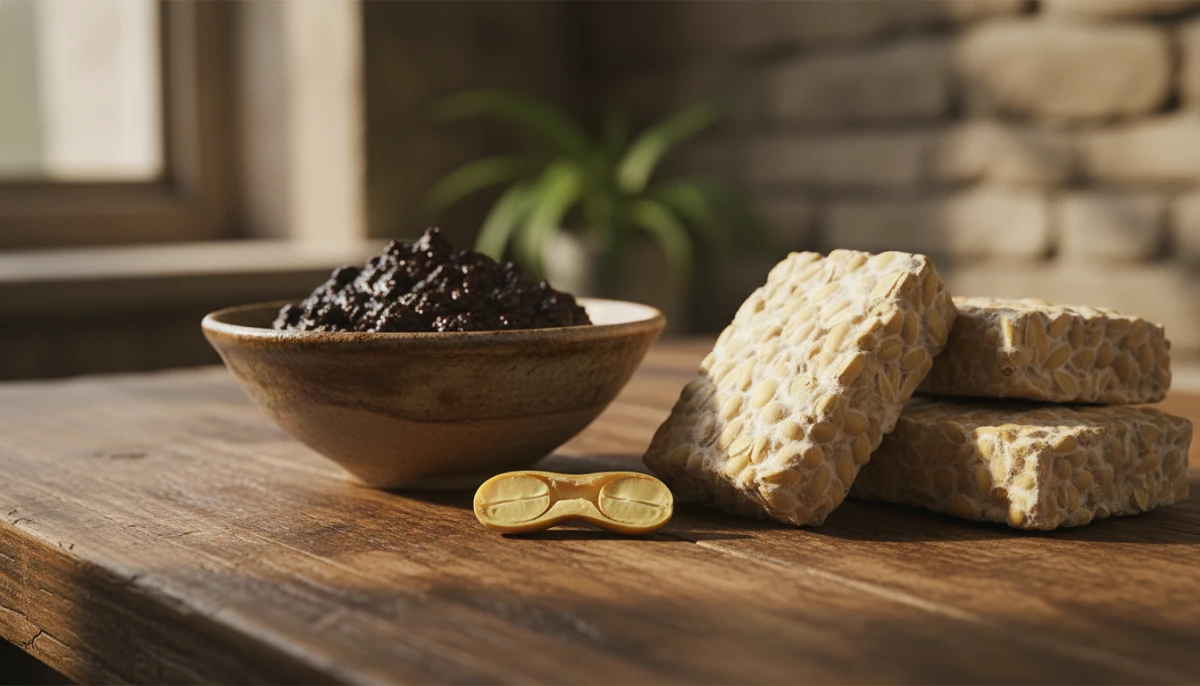
To understand the difference, one must look at how the soybean is prepared. Fermentation is a slow, biological process that utilizes bacteria, yeasts, or molds to predigest the bean. In contrast, modern processing often involves high-heat extraction, chemical solvents like hexane, and industrial refining to create soy protein isolates and oils. This guide explores why these two methods yield vastly different health outcomes.
The Biological Profile of the Soybean
The raw soybean is a powerhouse of nutrients, but it is also protected by a suite of “antinutrients” designed by nature to prevent digestion by predators. These include:
- 1
Phytic Acid: A compound that binds to minerals like calcium, magnesium, copper, iron, and zinc in the intestinal tract, preventing their absorption.
- 2
Trypsin Inhibitors: These interfere with protein digestion and may cause pancreatic distress if consumed in high quantities without proper preparation.
- 3
Goitrogens: Substances that can interfere with iodine uptake by the thyroid gland, potentially impacting metabolic function.
The core difference between fermented and processed soy lies in how these antinutrients are handled. Fermentation neutralizes them; industrial processing often concentrates them or leaves them intact while stripping away beneficial fibers.
Fermented Soy: The Traditional Gold Standard
The Alchemy of Fermentation
During fermentation, microorganisms such as Rhizopus oligosporus (for tempeh) or Bacillus subtilis (for natto) break down the complex carbohydrates and proteins in the soy. This process increases the bioavailability of isoflavones, transforming them into their ‘aglycone’ form, which is more readily absorbed by the human body.
Key Fermented Varieties
- Tempeh: A whole-bean cake with a nutty flavor, rich in fiber and probiotics.
- Miso: A savory paste used in soups, rich in enzymes that aid digestion.
- Natto: Fermented whole beans known for high Vitamin K2 (MK-7) content.
- Traditional Shoyu: Naturally brewed soy sauce using age-old techniques.
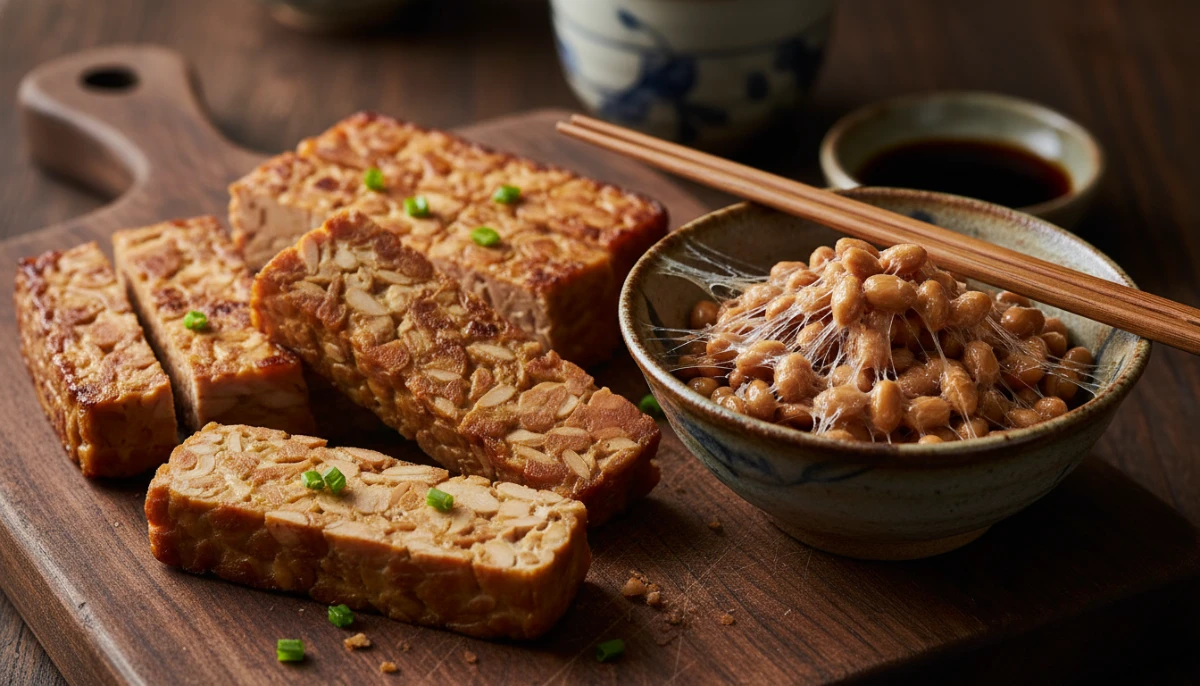
The most significant benefit of fermented soy is the presence of Vitamin K2, specifically in Natto. Vitamin K2 is essential for cardiovascular health and bone density, as it helps direct calcium out of the arteries and into the bones. Modern processed soy contains virtually zero Vitamin K2.
Modern Processed Soy: Industrial Evolution
Industrial soy processing is a feat of chemical engineering designed to maximize yield and create versatile additives. The journey usually begins with Hexane Extraction. Soybeans are crushed and soaked in hexane, a chemical solvent, to separate the oil from the protein. While the hexane is later evaporated, traces may remain, and the high heat used in the process can denature the delicate proteins.

The primary products of this process include:
- Soy Protein Isolate (SPI): A highly refined powder that is up to 90% protein. It is found in energy bars, protein shakes, and infant formulas. The processing of SPI often results in the formation of lysinoalanine and nitrosamines, which are undesirable compounds.
- Soybean Oil: Often marketed as “vegetable oil,” this highly refined fat is rich in Omega-6 fatty acids, which can contribute to systemic inflammation if not balanced with Omega-3s.
- Texturized Vegetable Protein (TVP): A meat substitute created through extrusion cooking, which involves extreme pressure and heat.
The fundamental issue with processed soy is that it is often GMO (Genetically Modified). Over 90% of the soy grown in the United States is engineered to be “Roundup Ready,” meaning it can withstand heavy applications of glyphosate, a herbicide that has raised significant health and environmental concerns.
Bioavailability: Why it Matters
The Fermented Advantage
Fermentation increases the solubility of nutrients. In fermented soy, the protein is already partially broken down into amino acids, making it easier for the stomach to process. Furthermore, the reduction in phytic acid means that the iron and zinc naturally present in the bean are actually absorbed by the body rather than passing through.
The Processed Pitfall
Processed soy, particularly isolates, can be difficult to digest for many individuals. Because it lacks the natural enzymes and fiber of the whole bean, it can lead to bloating or gastric distress. Additionally, the lack of Vitamin K2 and the potential presence of chemical residues make it a nutritionally inferior choice compared to its fermented counterparts.
Hormonal Impact & Isoflavones
One of the most debated aspects of soy is its content of isoflavones (genistein and daidzein), which are phytoestrogens. These compounds can mimic or block the effects of estrogen in the body. However, the form of the isoflavone matters immensely.
In fermented soy, isoflavones are present as aglycones. These are small molecules that are easily absorbed into the bloodstream. Research suggests that in this form, soy may actually have a protective effect against certain hormone-dependent cancers, such as breast and prostate cancer, by occupying estrogen receptors and preventing stronger synthetic estrogens from binding.
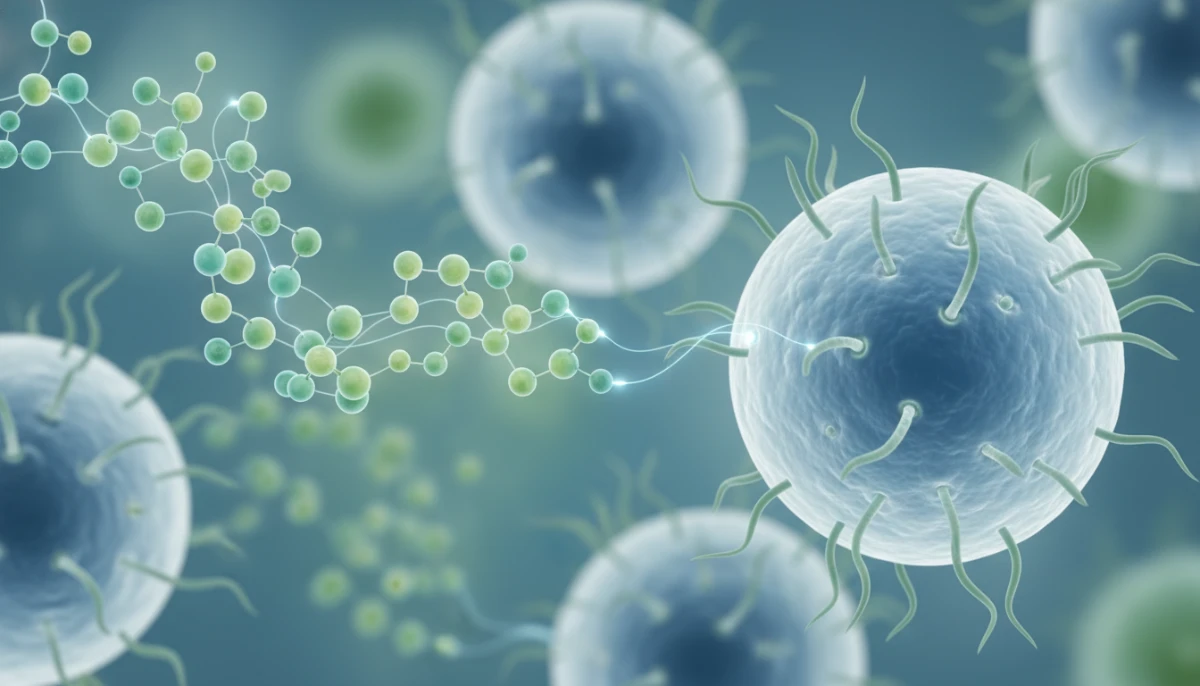
In processed soy, the concentration of isoflavones can be unnaturally high or inconsistently low depending on the extraction method. Furthermore, without the balancing nutrients found in the whole fermented bean, the body’s hormonal response may be less predictable. This is particularly relevant for infant formulas based on soy protein isolate, which can expose developing systems to high levels of phytoestrogens.
How to Read Labels: Identifying Hidden Soy
| Term on Label | What it Usually Means | Recommendation |
|---|---|---|
| Soy Protein Isolate | Ultra-processed protein extract. | Avoid |
| Hydrolyzed Vegetable Protein | Often soy-based, used as a flavor enhancer. | Limit |
| Organic Tempeh | Fermented, whole-bean, non-GMO. | Optimal |
| Soy Lecithin | Emulsifier derived from soy oil. | Acceptable (small doses) |
| Natto / Miso | Traditional fermented soy. | Optimal |
The Final Verdict
When it comes to soy, the method of preparation is the deciding factor for health. Fermented soy offers a bioavailable, nutrient-dense profile that supports heart, bone, and gut health. Processed soy, however, is often a stripped-down industrial byproduct that may contribute more to inflammation than to vitality. To reap the benefits of this ancient legume, stick to organic, fermented varieties and leave the processed isolates on the shelf.
Frequently Asked Questions
Tofu is neither fermented nor ultra-processed in the industrial sense. It is made by coagulating soy milk (a process similar to cheesemaking). While it doesn’t have the probiotic benefits of tempeh, it is much healthier than soy protein isolates, especially if it is organic.
Yes, but they are in the aglycone form, which is more easily utilized by the body and generally considered to have a balancing rather than a disruptive effect on hormones.
Vitamin K2 is a byproduct of the bacterial fermentation process. The specific bacteria used to make Natto, Bacillus subtilis, is one of the most prolific producers of the MK-7 form of Vitamin K2 in the world.