
Soy in New Zealand cuisine represents a dynamic fusion of traditional Pacific flavors and modern plant-based innovation. From artisan tofu production in Auckland to soy-marinated kai moana (seafood), the ingredient has evolved from a niche alternative into a staple protein, driving a culinary revolution across the country’s top restaurants and home kitchens.
The Evolution of Soy in Aotearoa: Beyond the Alternative
New Zealand, traditionally known as a powerhouse of dairy and lamb exports, has undergone a significant gastronomic transformation over the last two decades. The integration of soy in New Zealand cuisine is no longer relegated to the back shelves of health food stores; it is front and center in the nation’s culinary identity. This shift is driven by a confluence of factors: a growing health-consciousness among Kiwis, a robust Asian migration influence, and a global pivot toward sustainability.
Historically, the New Zealand diet was heavily meat-centric, often jokingly referred to as “meat and three veg.” However, the modern Kiwi palate is far more adventurous and globally connected. The introduction of soy products initially catered to vegetarian subcultures and Asian communities. Today, however, soy has transcended these boundaries to become a culinary staple. It is not uncommon to find high-end bistros in Queenstown or Napier utilizing soy-based glazes on venison or incorporating silken tofu into sophisticated desserts.
The acceptance of soy is also a reflection of New Zealand’s adaptability. As a nation that prides itself on innovation and environmental stewardship, the move toward plant-based proteins aligns with the country’s “clean, green” image. Soy offers a versatile canvas for the rich, fresh produce that New Zealand grows, bridging the gap between ethical eating and gourmet satisfaction.
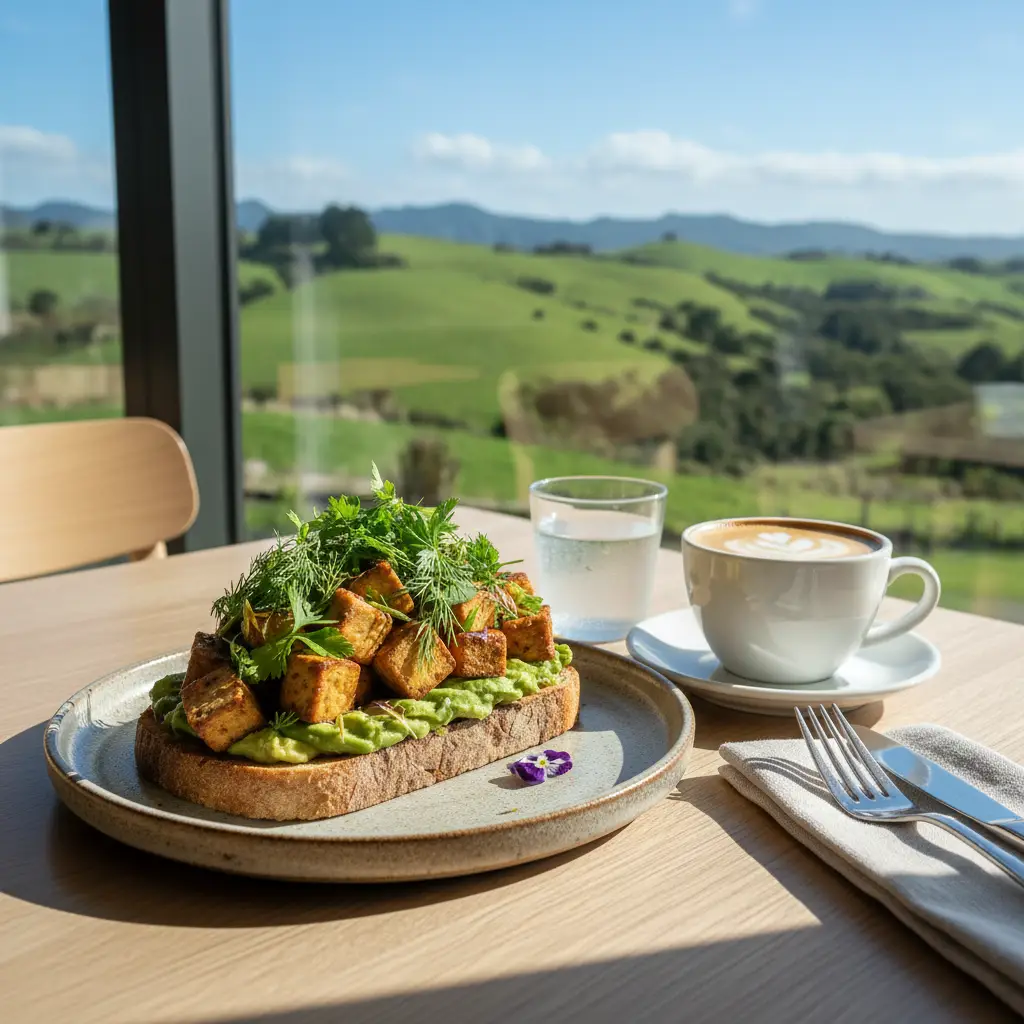
Culinary Fusion: Where Kiwi Classics Meet the Soybean
One of the most exciting aspects of soy in New Zealand cuisine is how it is being woven into the fabric of traditional and fusion dishes. The culinary landscape in Aotearoa is a melting pot, heavily influenced by Māori, Pasifika, and Asian cuisines.
Soy and Kai Moana (Seafood)
New Zealand is famous for its seafood, or kai moana. Chefs are increasingly using soy sauce and miso (fermented soybean paste) to enhance the natural sweetness of local delicacies like Green Lipped Mussels, Bluff Oysters, and King Salmon. A popular modern preparation involves a soy, ginger, and lime dressing drizzled over raw snapper (Kokoda style) or seared scallops. The umami depth of soy complements the briny freshness of the ocean without overpowering it.
The Modern Boil-Up
The traditional Māori boil-up usually consists of pork bones, pūhā (watercress), doughboys, and kūmara. However, in contemporary kitchens and health-conscious households, chefs are experimenting with smoked tofu or firm soy chunks as a protein substitute. This allows the dish to retain its hearty, comforting texture while offering a plant-based alternative that respects the wairua (spirit) of the dish.
Asian-Kiwi Fusion
With a significant population of Chinese, Japanese, and Korean New Zealanders, the cross-pollination of food cultures is immense. It is standard to find “Kiwi burgers”—traditionally containing beetroot and egg—now offered with soy-based patties or marinated tempeh strips. This hybridization creates a unique flavor profile that is distinctly New Zealander: relaxed, fresh, and multicultural.
The Coffee Culture Capital: The Rise of the Soy Flat White
You cannot discuss New Zealand cuisine without mentioning coffee. New Zealand claims to have invented the Flat White, and the country boasts one of the most sophisticated coffee cultures in the world. For years, soy milk was the primary, and often only, alternative to dairy milk in cafes from Dunedin to Whangārei.
The “Soy Flat White” became a cultural marker in the early 2000s and remains a staple order today, despite the rise of oat and almond milks. New Zealand baristas are masters at texturing soy milk, preventing the curdling often seen in less coffee-obsessed nations. The specific brand of soy milk matters intensely to Kiwi consumers, with many cafes proudly displaying the local or organic soy brands they utilize.
This dedication to the perfect soy coffee speaks to the broader New Zealand approach to food and beverage: quality is paramount. If soy is to be used, it must be textured perfectly, heated to the exact right temperature, and served with the same artistry as full-cream dairy.
Top Plant-Based Dining Destinations in Auckland and Wellington
For the culinary traveler seeking the best expressions of soy in New Zealand cuisine, the major cities of Auckland and Wellington serve as the primary hubs. These cities host a vibrant array of eateries ranging from street food markets to fine dining establishments that champion soy.
Auckland: The Cosmopolitan Hub
Auckland, the largest city, is a playground for plant-based innovation. The suburb of Ponsonby is particularly renowned for its chic cafes and progressive dining.
- The Butcher’s Son: Despite the name, this is a fully plant-based eatery revolutionizing how soy is perceived. Their menu features creative uses of soy protein to replicate comfort foods, proving that soy can be indulgent.
- Gorilla Kitchen: Known for utilizing fermented soy products like tempeh in bold, flavor-packed dishes that draw on global influences.
- Fine Dining in the CBD: Many top-tier restaurants in the Britomart precinct offer dedicated vegetarian tasting menus where artisan tofu is treated with the same reverence as Wagyu beef, often paired with native herbs like horopito or kawakawa.
Wellington: The Creative Capital
Wellington, known for its bohemian spirit and incredibly high density of cafes and restaurants per capita, is a haven for soy enthusiasts. Cuba Street is the epicenter of this movement.
- Mockingbird: A cult favorite that uses soy-based proteins to create “junk food” that is entirely plant-based. Their use of soy in burger patties and nuggets is indistinguishable from meat to the untrained palate.
- Aroha Plant-Based: This spot focuses on whole-food plant-based nutrition, often making their own soy yogurts and cheeses from scratch, highlighting the versatility of the bean.
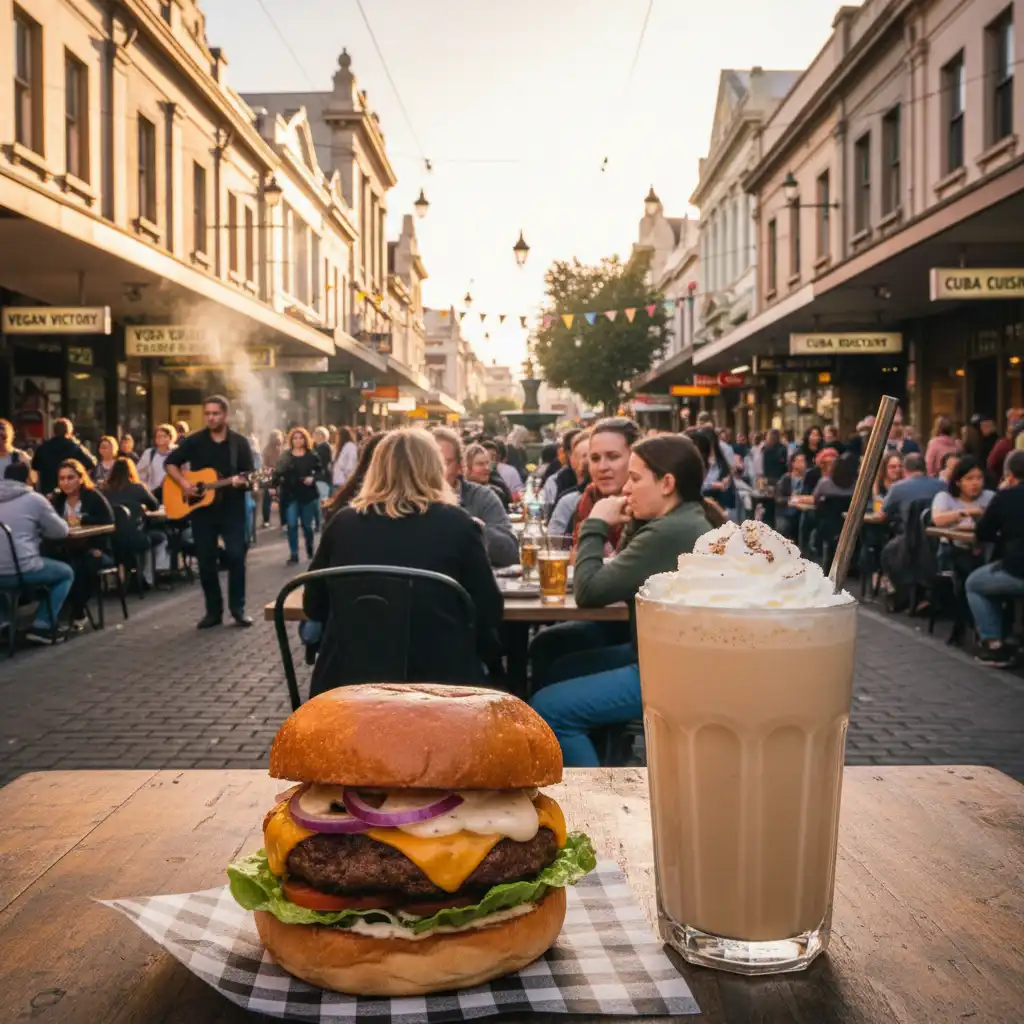
Artisan Production: Locally Made Tofu and Tempeh
While imported soy products are available, there is a strong movement towards locally manufactured soy foods. New Zealand’s focus on biosecurity and high agricultural standards extends to its domestic soy producers. Several artisan makers in Nelson and Auckland produce small-batch, non-GMO tofu using traditional Japanese methods but with New Zealand water, which is renowned for its purity.
Local tempeh production is also on the rise. Unlike mass-produced versions, Kiwi artisan tempeh is often wrapped in banana leaves or reusable materials, aligning with the country’s plastic-free goals. These producers often sell directly at farmers’ markets, allowing consumers to taste fresh soy products that have a distinctively cleaner, nuttier flavor profile than their vacuum-packed counterparts.
For authoritative information on New Zealand’s food safety standards regarding soy and other crops, you can refer to the Ministry for Primary Industries (MPI), which oversees the safety and suitability of food production in the country.
Navigating New Zealand Markets and Food Tours
To truly experience the grassroots level of soy in New Zealand cuisine, one must visit the local markets. The Grey Lynn Farmers Market in Auckland and the Harbourside Market in Wellington are prime locations.
What to Look For
At these markets, look for stalls selling “fresh tofu.” This product is vastly superior to supermarket varieties, often served warm with a simple dressing of soy sauce and chili oil. You will also find stalls selling soy-based baking—vegan pies, sausage rolls (a Kiwi classic reimagined), and slices.
Food Tours
Several tour operators now offer “Plant-Based Food Tours” in major cities. These guided experiences take visitors through the hidden alleyways of the cities to taste everything from soy-gelato to high-end soy-based cheeses. These tours are excellent for Commercial Investigation, as they allow visitors to sample a wide variety of products before purchasing.
Future Tech: New Zealand’s Agritech Approach to Plant Protein
New Zealand is positioning itself as a leader in the future of food. The government and private sector are investing heavily in agritech to explore sustainable protein sources. While New Zealand’s climate is generally too cool for large-scale soybean cropping (which typically requires tropical or sub-tropical climates), research is underway into cold-tolerant varieties and indoor vertical farming techniques.
Furthermore, New Zealand food technologists are world-leaders in protein extraction and texturization. The Riddet Institute, a Centre of Research Excellence, is at the forefront of food structure research. They are exploring how to process plant proteins, including soy, to mimic the fibrous texture of meat more effectively, catering to the flexitarian market. This places New Zealand at the cutting edge of the global shift away from animal agriculture, utilizing soy not just as a crop, but as a technological substrate for the food of the future.

People Also Ask
Is soy popular in New Zealand cuisine?
Yes, soy is extremely popular in New Zealand. It serves as a staple in the diets of the large Asian population and the growing vegetarian and vegan communities. It is widely available in supermarkets, cafes, and restaurants, featuring in everything from flat white coffees to modern fusion dishes.
Can I find non-GMO soy products in New Zealand?
Yes, New Zealand has strict regulations regarding genetically modified organisms. Many local artisan tofu and tempeh producers pride themselves on using non-GMO beans. However, for imported processed foods, it is always best to check the label for non-GMO certification.
What is a Soy Flat White?
A Soy Flat White is a variation of the classic New Zealand coffee drink. It consists of a double shot of espresso topped with silky, micro-foamed soy milk. It requires skill to texture the soy milk correctly so it doesn’t curdle or separate in the acidic coffee.
Are there soy-free options in New Zealand for those with allergies?
Absolutely. New Zealand has very strict food labeling laws. Allergens, including soy, must be clearly declared on packaging. Restaurants are also generally very accommodating to dietary requirements and can guide diners toward soy-free options.
Does New Zealand grow its own soybeans?
Commercial soybean production in New Zealand is limited due to the climate, as soybeans typically prefer warmer temperatures. Most soy used in New Zealand is imported, though there are small-scale trials and research into cold-tolerant varieties underway.
What are the best New Zealand dishes to try with soy?
Visitors should try soy-marinated seafood (like raw fish salad or Kokoda), artisan smoked tofu from local markets, and modern plant-based versions of the classic Kiwi mince and cheese pie using soy mince.