
The Ultimate NZ Consumer Buying Guide: Best Soy Products in NZ
Navigating the plant-based revolution in Aotearoa: A comprehensive 2024 analysis of premium soy-based nutrition, sustainability, and local brand performance.
Table of Contents
Introduction to the New Zealand Soy Landscape
In recent years, the New Zealand food landscape has undergone a seismic shift toward plant-based alternatives, with soy products leading the charge. Once relegated to niche health food aisles, soy is now a staple in the pantries of Kiwi households from Invercargill to Kaitaia. Whether you are a dedicated vegan, a flexitarian, or simply someone looking to reduce their dairy intake for health or environmental reasons, finding the best soy products in NZ requires a nuanced understanding of quality, sourcing, and culinary application. This guide serves as your definitive roadmap to navigating the high-quality soy offerings available in local supermarkets and specialty stores.
The appeal of soy in the New Zealand market is driven by several factors: its exceptional protein profile, its versatility in traditional Kiwi recipes, and the growing transparency of local producers. From the creamy consistency of a morning soy flat white to the firm texture of a locally crafted tofu stir-fry, the diversity of products available today is unprecedented. However, not all soy products are created equal. Factors such as genetic modification (GMO) status, organic certification, and the fortification of essential vitamins play a crucial role in determining what truly constitutes the best soy products in NZ.
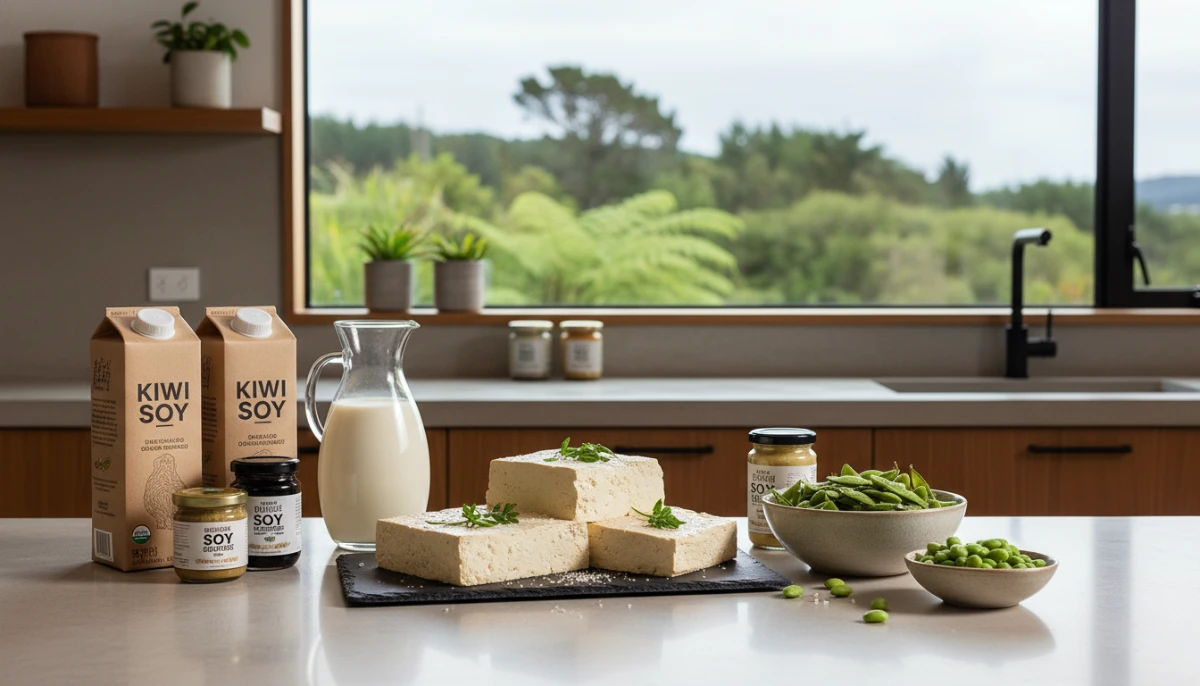
Nutritional Excellence: The Power of the Soy Bean
Soy is unique in the plant kingdom as it provides a complete protein source, containing all nine essential amino acids that the human body cannot produce on its own. For New Zealanders focusing on fitness and muscle recovery, soy offers a bioavailable alternative to animal proteins. A 100g serving of firm tofu can provide upwards of 10-15 grams of protein, making it a heavy hitter in any balanced diet.
Beyond protein, high-quality soy products are rich in polyunsaturated fats, fiber, and an array of vitamins and minerals including calcium, iron, and magnesium. In the context of the New Zealand diet, which can sometimes be lacking in plant-derived calcium, many local soy milks are fortified to match or exceed the calcium content of cow’s milk. Furthermore, soy contains isoflavones, a type of plant estrogen that has been extensively researched for its potential roles in heart health and the reduction of certain chronic disease risks.
Debunking Soy Myths
For years, misinformation regarding soy’s impact on hormone levels circulated widely. However, modern nutritional science—and the consensus among NZ health professionals—supports the safety and benefit of moderate soy consumption. The phytoestrogens found in soy are significantly weaker than human estrogen and do not have the feminizing effects once feared. In fact, for many, soy represents one of the cleanest and most sustainable ways to hit daily nutritional targets without the saturated fat and cholesterol found in many meat products.
The Best Soy Milks for Coffee and Cooking
The ‘Milk’ aisle in a New Zealand supermarket like Countdown or New World is now a complex grid of options. When searching for the best soy milk, the primary consideration is the application. Are you a home barista, or are you baking a cake? The protein and fat content dictate how the milk behaves under heat and pressure.
Vitasoy Soy Milky
Widely regarded as the gold standard for coffee in NZ, this product is formulated to froth beautifully without curdling. Its neutral flavor profile ensures it doesn’t overpower the coffee bean’s notes.
Sanitarium So Good
A household name in New Zealand, So Good offers a variety of fortified options, including ‘Regular’ and ‘Lite’, which are excellent for cereal and general cooking applications.
When evaluating these brands, look for ‘Non-GMO’ labels and minimal additives. While stabilizers like carrageenan were once common, many premium NZ brands are moving toward cleaner labels with fewer gums. For the health-conscious Kiwi, organic options like ‘Pureharvest’ or ‘Bonsoy’ (though imported) are highly sought after for their simplicity—often consisting only of water, organic soybeans, and a touch of sea salt.

Tofu Mastery: Selecting the Right Texture
Tofu is the chameleon of the culinary world, and in New Zealand, we have access to some world-class producers. The key to successful tofu dishes lies in selecting the right firmness. NZ consumers typically have three main choices: Silken, Firm, and Extra Firm.
1. Silken Tofu
This variety has a custard-like consistency. It is best used in desserts, smoothies, or traditional Japanese dishes like Agedashi tofu. In New Zealand, look for brands that offer long-life aseptic packaging, which preserves the delicate texture without the need for preservatives.
2. Firm Tofu (The All-Rounder)
If you are looking for the best soy products in NZ for a weekly stir-fry, firm tofu is your hero. It holds its shape well when cubed and seared. Local brands like Tonzu are iconic here; they use traditional methods and Nigari (a natural mineral coagulant) which results in a superior texture and taste compared to industrial mass-produced versions.
3. Extra Firm and Marinated Tofu
For those new to plant-based eating, pre-marinated tofu (like ‘Satay’ or ‘Honey Soy’ flavors) offers a convenient entry point. These are often denser and can be sliced thin for sandwiches or crumbled into salads to mimic feta or goat cheese. The ‘Bean Supreme’ range is a common find in NZ supermarkets and offers a reliable consistency for quick mid-week meals.

Fermented Superfoods: Miso and Tempeh
The true power of soy is unlocked through fermentation. In New Zealand, the interest in gut health has led to a surge in the popularity of Miso and Tempeh. These products are not just sources of protein but are also rich in probiotics that support a healthy microbiome.
Miso Paste: A staple of the Japanese pantry, miso is now a common ingredient in Kiwi fusion cooking. Whether it’s the light and sweet white miso (Shiro) or the deep, savory red miso (Aka), brands available in NZ health shops often provide unpasteurized versions. These ‘live’ misos contain active cultures that are beneficial for digestion. Always add miso at the end of the cooking process to avoid killing these beneficial bacteria with high heat.
Tempeh: Unlike tofu, tempeh uses the whole soybean, which is fermented into a dense, nutty cake. It is significantly higher in fiber and has a robust texture that appeals to those who find tofu too soft. New Zealand-made tempeh is often found in the chilled section of specialty grocers and is an excellent meat substitute for burgers or ‘bacon’ style strips when marinated in liquid smoke and maple syrup.
Top NZ Brands and Sustainability
Kiwi consumers are increasingly aware of the environmental footprint of their food. When searching for the best soy products in NZ, sustainability is a key differentiator. Fortunately, soy is inherently one of the most efficient crops in terms of land and water use, especially when compared to dairy or beef production.
- Tonzu: A pioneer in the NZ market, Tonzu focuses on certified organic, GE-free soy. Their commitment to traditional stone-ground methods sets them apart for quality and authenticity.
- Sunfed: While famous for their ‘Chicken-Free Chicken’, this NZ success story utilizes yellow pea protein, but their impact on the plant-based market has paved the way for more sophisticated soy-based meat analogues that focus on clean labels.
- King Land: Often found in the dairy-free yogurt section, King Land provides soy-based yogurts and creams that are fermented with vegan cultures, providing a tangy, probiotic-rich alternative to dairy.
Choosing locally produced soy products not only supports the New Zealand economy but also reduces ‘food miles’. While many soybeans are grown in Australia or the Americas, the processing and packaging in NZ ensure that the final product meets our rigorous food safety and quality standards.
