
Menopause & Hot Flashes: The Definitive Guide to Isoflavones
An evidence-based exploration of phytoestrogens, biochemical pathways, and natural management for vasomotor symptoms.
1. Understanding the Vasomotor Response
Menopause represents a profound physiological transition in the female lifecycle, characterized by the permanent cessation of menses resulting from the loss of ovarian follicular activity. Among the various symptoms associated with this transition, vasomotor symptoms (VMS)—commonly referred to as hot flashes and night sweats—are the most prevalent and often the most distressing. It is estimated that up to 80 percent of women experience VMS during the menopausal transition, with symptoms lasting, on average, for seven years or longer.
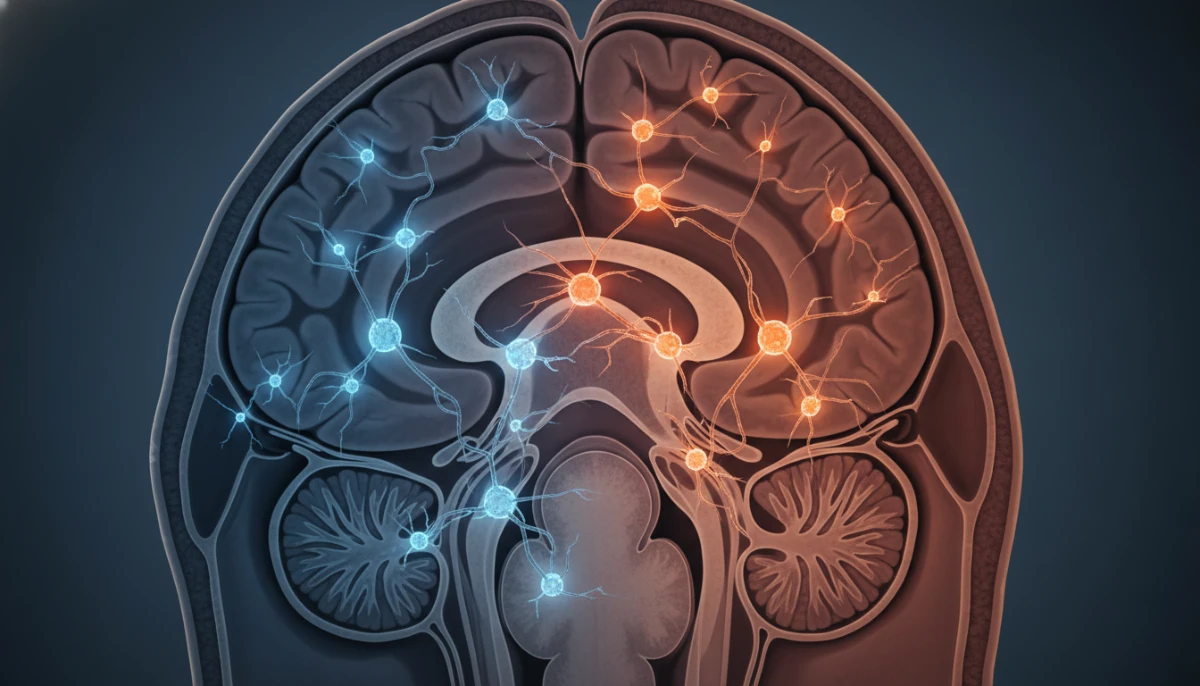
A hot flash is characterized by a sudden sensation of intense warmth, usually over the upper chest, neck, and face, often accompanied by profuse sweating and a subsequent chill. From a physiological standpoint, these episodes are triggered by a narrowing of the thermoregulatory zone in the hypothalamus. As estrogen levels fluctuate and ultimately decline, the body’s internal thermostat becomes hypersensitive, misinterpreting minor increases in core body temperature as overheating. This triggers an exaggerated cooling response, leading to the rapid peripheral vasodilation and perspiration characteristic of a flash.
2. What are Isoflavones?
In the search for alternatives to Hormone Replacement Therapy (HRT), significant scientific attention has turned toward isoflavones. Isoflavones are a subclass of flavonoids—bioactive plant compounds found predominantly in the Fabaceae (legume) family. They are often categorized as phytoestrogens because their chemical structure closely resembles 17β-estradiol, the primary endogenous estrogen in humans.
The most researched isoflavones include genistein, daidzein, and glycitein. These compounds are found in high concentrations in soybeans and Mastering Soy Cooking & Prep, but they are also present in red clover (Trifolium pratense), kudzu, and various other legumes. Unlike synthetic hormones, isoflavones exert a ‘selective’ effect on the body, behaving differently in different tissues. This selective nature has led researchers to classify them as natural Selective Estrogen Receptor Modulators (SERMs).
3. The Estrogen Receptor Mechanism
To understand why using isoflavones for hot flashes is a viable clinical strategy, one must look at the cellular level. Humans possess two primary types of estrogen receptors: ER-alpha (ERα) and ER-beta (ERβ). ERα is found primarily in the uterus, breast tissue, and liver, while ERβ is found in the vascular system, bone, and brain—including the hypothalamus.
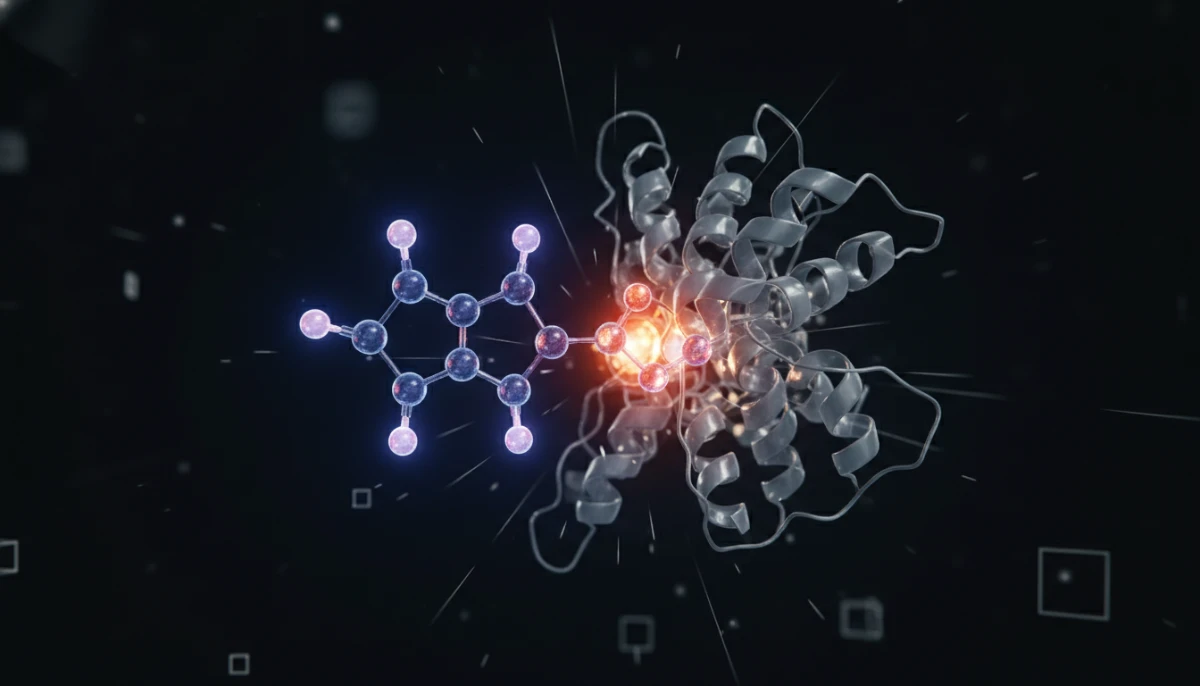
Endogenous estradiol binds with equal affinity to both receptors. However, isoflavones—particularly genistein—show a significantly higher affinity for ERβ. By binding to ERβ in the hypothalamus, isoflavones may help stabilize the thermoregulatory center without overstimulating the ERα receptors in breast or uterine tissue. This provides a theoretical safety profile that is particularly attractive to women who are concerned about the proliferative effects of traditional HRT.
4. Clinical Evidence for Hot Flashes
The efficacy of isoflavones has been the subject of numerous meta-analyses and randomized controlled trials (RCTs). One of the most significant findings in recent years suggests that the success of isoflavone intervention is highly dependent on both the dosage and the specific type of isoflavone used. A meta-analysis published in the journal ‘Menopause’ indicated that isoflavone supplements (with a high proportion of genistein) can reduce the frequency of hot flashes by approximately 20 to 50 percent compared to a placebo.
It is important to note that isoflavones typically take longer to manifest results than synthetic hormones. While HRT might show results in days, isoflavones often require 4 to 12 weeks of consistent intake to achieve peak efficacy. This lag time is attributed to the time required for these compounds to reach a steady-state concentration in the blood and for the body’s receptors to adapt to the phytoestrogen presence.
5. The ‘Equol’ Factor & Gut Health
A fascinating discovery in isoflavone research is the ‘Equol’ hypothesis. When we consume daidzein (an isoflavone found in soy), certain types of gut bacteria convert it into a metabolite called S-equol. Equol has a much higher estrogenic potency and a higher affinity for ERβ than its precursor, daidzein.
However, only about 30-50 percent of the human population possesses the specific gut microflora necessary to produce equol. Research suggests that ‘equol producers’ experience significantly greater relief from hot flashes when consuming isoflavones than ‘non-producers.’ This explains the high degree of variability in clinical trials and highlights the importance of the gut-hormone axis in managing menopausal symptoms. Current research is investigating whether probiotic supplementation can help non-producers gain the benefits of equol production.
6. Optimal Dietary Sources
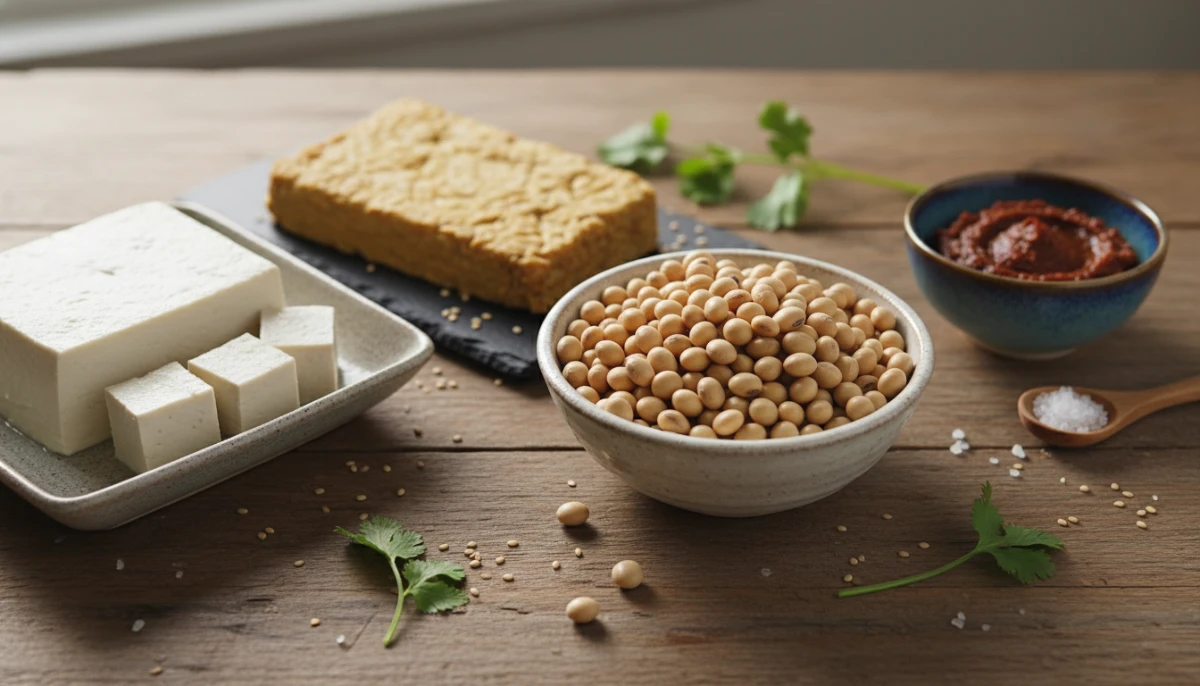
Incorporating isoflavones through Traditional Whole Foods is often recommended by nutritionists due to the ‘synergy effect,’ where the fiber and minerals in whole foods support overall health.
| Food Source | Serving Size | Isoflavone Content (Approx.) |
|---|---|---|
| Soybeans (Boiled) | 1/2 Cup | 40-55 mg |
| Tofu (Firm) | 3.5 oz (100g) | 20-30 mg |
| Tempeh (Fermented) | 1/2 Cup | 40 mg |
| Miso Paste | 1 Tablespoon | 10-12 mg |
| Red Clover Tea | 1 Cup | Highly Variable |
For those who cannot tolerate soy or who prefer a standardized dose, supplements are an option. When choosing a supplement, look for those standardized to contain at least 15-20 mg of genistein per dose, as this specific isoflavone has shown the strongest correlation with hot flash reduction in clinical settings.
7. Safety, Risks, and Contraindications
Safety is a paramount concern for women considering phytoestrogens. A common myth is that isoflavones increase the risk of breast cancer. However, extensive epidemiological studies—particularly those looking at populations in Asia with high lifetime soy consumption—actually show lower rates of breast cancer. The North American Menopause Society (NAMS) and the European Food Safety Authority (EFSA) have both concluded that isoflavone intake does not adversely affect breast or uterine tissue in healthy postmenopausal women.
However, there are specific considerations. Women with a history of estrogen-receptor-positive breast cancer should consult their oncologist before starting high-dose isoflavone supplements. Additionally, because isoflavones can interfere with the absorption of thyroid medication (Levothyroxine), it is recommended to take these supplements at a different time of day than thyroid hormones.

8. Frequently Asked Questions
How long does it take for isoflavones to work?
Typically, it takes 4 to 12 weeks of daily, consistent use to see a significant reduction in hot flash frequency and intensity.
Can I take isoflavones while on HRT?
Combining isoflavones with HRT should only be done under the supervision of a healthcare provider, as they may compete for the same receptors.
What is the recommended daily dose?
Most clinical studies use a range of 40 mg to 80 mg of total isoflavones per day, often split into two doses for better absorption.