
Navigating the ketogenic diet in New Zealand requires a keen understanding of macronutrients, particularly when seeking plant-based protein sources. For years, soy has been a controversial topic in the wellness community, yet it remains one of the most viable, high-quality protein sources for low-carb dieters. Whether you are a strict vegan keto adherent or a flexitarian looking to reduce meat consumption without sacrificing protein, understanding keto friendly soy products NZ offers is essential.
This comprehensive guide explores the nutritional science behind soy, identifies the best low-carb options available in New Zealand supermarkets and health stores, and provides actionable advice for maintaining ketosis while enjoying soy-based foods.
The Intersection of Soy and Ketosis
The ketogenic diet relies on a metabolic state called ketosis, achieved by drastically reducing carbohydrate intake—typically to under 20-50 grams of net carbs per day—and increasing fat consumption. Protein intake remains moderate. The primary challenge for many is finding protein sources that do not come bundled with excessive carbohydrates.
Soybeans are unique among legumes. While most beans (like kidney or chickpeas) are starchy and high in carbohydrates, the soybean is high in protein and fat while being relatively low in net carbohydrates. This macronutrient profile makes specific soy products excellent candidates for the keto diet.
Expert Insight: Not all soy is created equal. The processing method significantly alters the carb count. For example, sweet soy sauce (kecap manis) is sugar-laden and prohibited on keto, whereas fermented tempeh is a nutritional powerhouse.
Top Keto-Approved Soy Products Available in NZ
When browsing the aisles of Countdown, New World, or Pak’nSave, or visiting specialized health food stores like Huckleberry, look for these specific forms of soy.
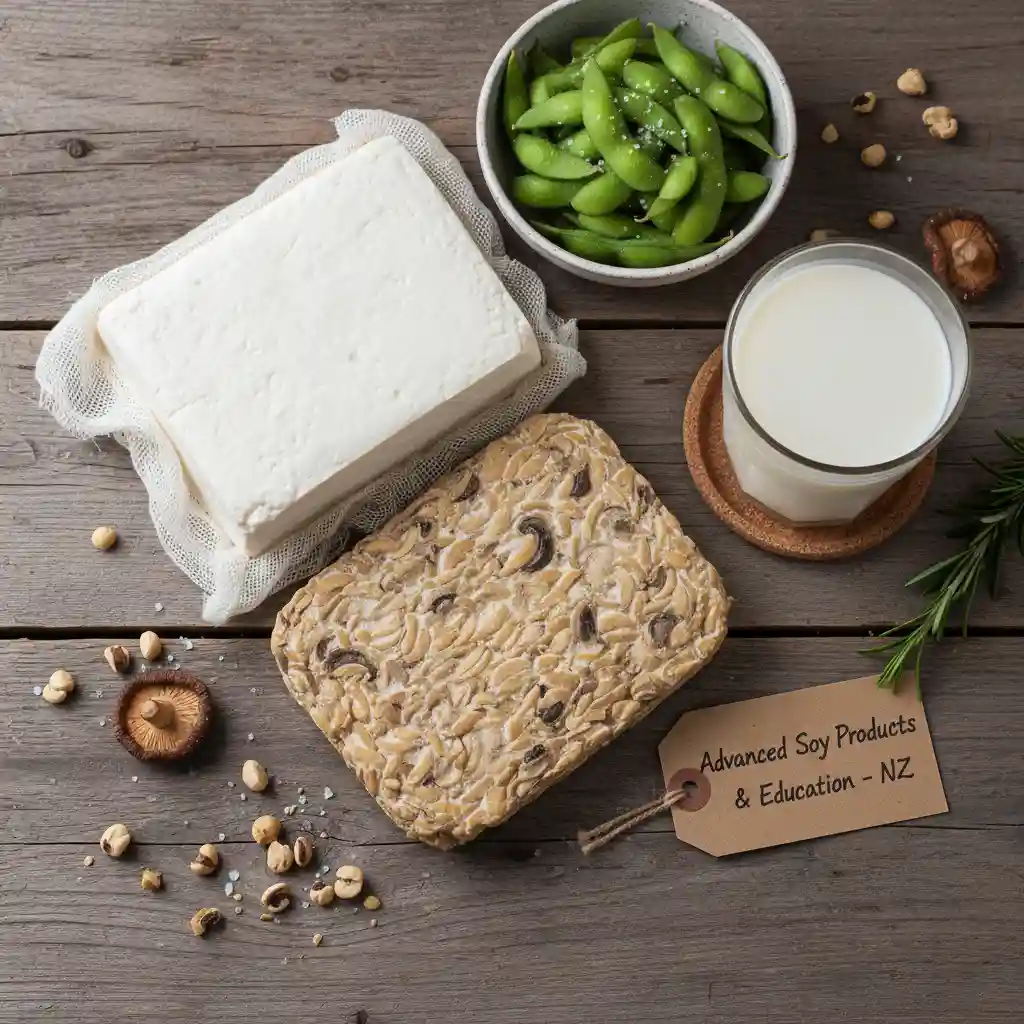
1. Tofu (Bean Curd)
Tofu is the cornerstone of soy consumption. It is made by coagulating soy milk and pressing the resulting curds into blocks. From a keto perspective, Firm and Extra Firm Tofu are superior to Silken Tofu. The pressing process removes more water and whey, which can contain residual carbohydrates, resulting in a dense, protein-rich block with very low net carbs.
2. Tempeh
Originating from Indonesia, Tempeh is made from fermented whole soybeans. The fermentation process introduces beneficial probiotics and reduces the phytic acid content, making nutrients more bioavailable. While tempeh has a slightly higher carb count than tofu due to the inclusion of the whole bean, it is extremely high in fiber. In the context of NZ labeling, strictly check the “Available Carbohydrates” to ensure it fits your daily macros.
3. Edamame
Edamame are immature soybeans, typically sold frozen in pods or shelled. They are a fantastic snack or salad topper. They contain more carbs than tofu but are rich in fiber. A 100g serving is generally safe for keto if portioned correctly.
4. Black Soybeans
Often called the “crown jewel” of keto beans, black soybeans are a variety of soy with a black hull. They are incredibly low in net carbs and high in fiber. While harder to find fresh in NZ, canned organic black soybeans can often be found in health food stores or ordered online. They are the perfect substitute for black beans in keto Mexican dishes.
5. Unsweetened Soy Milk
Many soy milks in New Zealand are fortified with calcium but laden with added sugars. For keto, you must select Unsweetened varieties (e.g., Vitasoy Protein Plus Unsweetened or So Good Unsweetened). These typically contain less than 1g of carbs per serving.
Nutritional Breakdown: Net Carb Content Table
Understanding the numbers is critical. Below is a comparison of common soy products found in NZ. Note that New Zealand nutrition labels typically list “Carbohydrates” with fiber already subtracted (unlike US labels). Therefore, the “Carbohydrates” listed on an NZ package is usually your Net Carb count.
| Soy Product (100g) | Total Carbs (NZ Label) | Fiber | Protein | Fat | Keto Suitability |
|---|---|---|---|---|---|
| Firm Tofu | 1.5g | 1.0g | 15g | 8g | High |
| Tempeh | 4.0g | 5.0g | 19g | 11g | High |
| Edamame (Shelled) | 5.0g | 5.0g | 11g | 5g | Moderate |
| Black Soybeans (Canned) | 1.0g | 6.0g | 11g | 6g | Very High |
| Unsweetened Soy Milk | 0.5g | 0.5g | 3.5g | 2g | Very High |
| Soy Protein Isolate | 0.0g – 1.0g | 0g | 90g | 1g | High |
Soy Protein Isolates vs. Whole Soy Foods for Keto
When selecting keto friendly soy products in NZ, you will encounter two main categories: whole foods (tofu, tempeh) and processed isolates (protein powders, meat alternatives). Understanding the difference is vital for health optimization.
Soy Protein Isolate (SPI)
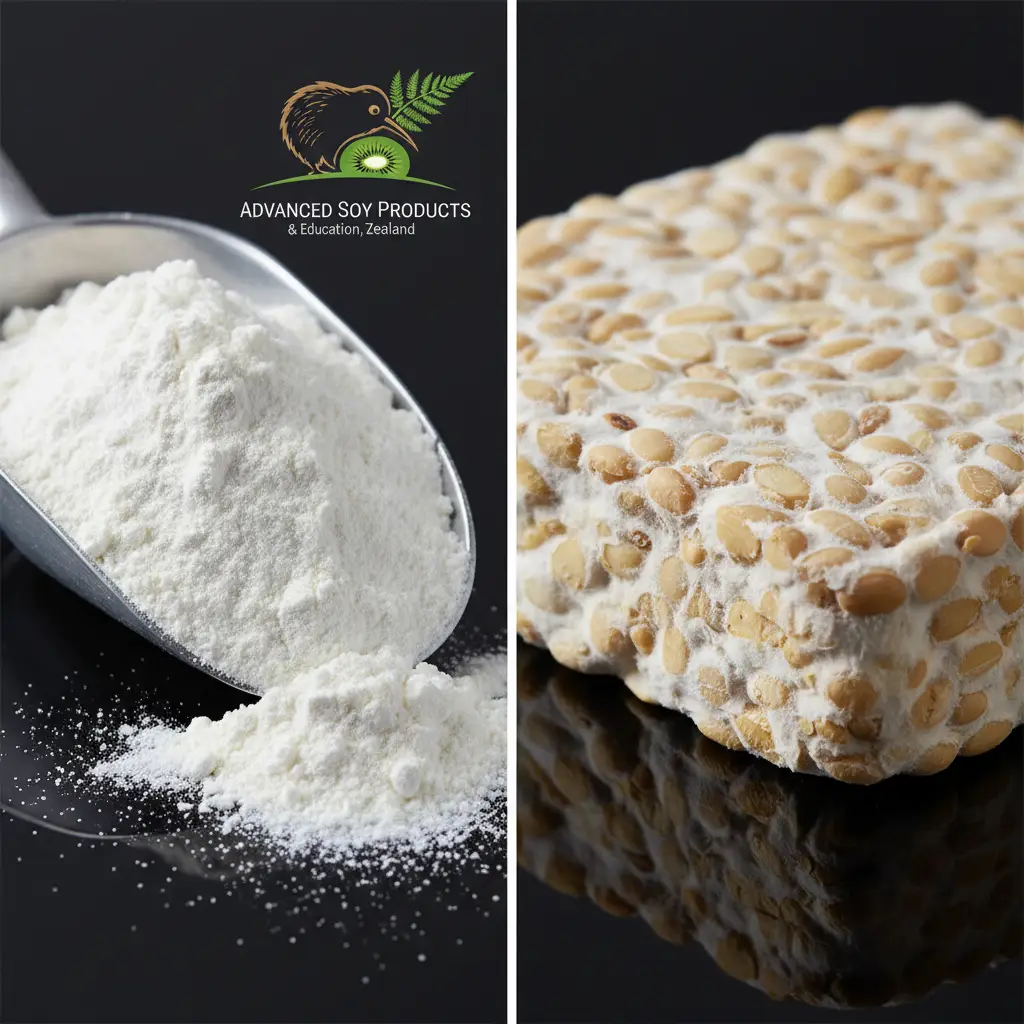
SPI is a highly refined form of soy protein with a minimum protein content of 90%. It is made from defatted soy flour which has had most of the non-protein components, fats, and carbohydrates removed.
Verdict: For strict macro-counting, SPI is excellent because it is virtually zero-carb. It is the primary ingredient in many keto protein bars and shakes. However, it lacks the micronutrients and fiber found in the whole bean.
Whole Soy Foods
Whole soy foods retain the bean’s natural fats and fiber.
Verdict: These are generally healthier for long-term maintenance. They provide essential fatty acids and fiber, which is crucial for gut health on a ketogenic diet where constipation can be a common side effect.
Pros and Cons of Soy on a Ketogenic Diet
Before integrating large amounts of soy into your diet, it is important to weigh the benefits against potential drawbacks.
✅ Pros
- Complete Protein: Soy is one of the few plant sources containing all nine essential amino acids.
- Low Net Carbs: High fat and protein ratios fit the keto macro profile perfectly.
- Affordability: In NZ, tofu and TVP (Textured Vegetable Protein) are significantly cheaper than keto-friendly meats or nuts.
- Versatility: Tofu absorbs flavors readily, making it suitable for sweet or savory keto dishes.
❌ Cons
- Phytoestrogens: Contains isoflavones which mimic estrogen. While generally safe, those with thyroid issues should consult a GP.
- Phytic Acid: Known as an “anti-nutrient,” it can block mineral absorption. Fermented soy (tempeh/miso) reduces this significantly.
- Allergies: Soy is a top allergen.
- GMO Concerns: While many NZ products are non-GMO, cheaper imported soy isolates may be genetically modified.
Tips for Incorporating Soy into a NZ Keto Lifestyle
Successfully adopting soy into your keto regimen requires strategy. Here are expert tips for the New Zealand market:
1. Decode the NZ Nutrition Panel
This is the most critical tip for Kiwis. In the United States, fiber is included in the total carbohydrate count, so keto dieters subtract it to get “net carbs.” In New Zealand and Australia, the “Carbohydrate” line on the Nutrition Information Panel usually represents available carbohydrates (fiber is already removed). Do not subtract fiber from this number, or you will underestimate your carb intake. Always check if the label explicitly states “Total Carbohydrate” vs “Available Carbohydrate.”
2. Prioritize Fermentation
Whenever possible, choose fermented options like Tempeh or Natto. The fermentation process pre-digests some of the carbohydrates and reduces anti-nutrients, making it easier on your digestive system.
3. Watch the Marinades
Pre-marinated tofu sold in supermarkets is often a sugar trap. Flavors like “Teriyaki” or “Sweet Chilli Tofu” are usually high in sugar. Always buy plain tofu and marinate it yourself using keto-friendly ingredients like Tamari (gluten-free soy sauce), sesame oil, ginger, and erythritol.
Keto Recipes Featuring Soy Protein
Soy doesn’t have to be bland. Here are three ways to prepare soy that align with a high-fat, low-carb diet.
Crispy Keto Tofu Stir-Fry
Ingredients:
- 1 block Firm Tofu (pressed and cubed)
- 2 tbsp Avocado Oil
- 1 tbsp Tamari (Soy Sauce alternative)
- 1 tsp Sesame Oil
- 1 cup Broccoli florets
Method: Press the tofu for 30 minutes to remove water. Toss cubes in avocado oil and air-fry or pan-fry until golden and crispy. In a wok, stir-fry broccoli in sesame oil, add the tofu, and deglaze with Tamari. Serve immediately.
Tempeh “Bacon” Strips
Ingredients:
- 200g Tempeh, sliced thin
- 1 tbsp Liquid Smoke
- 1 tbsp Tamari
- 1 tsp Smoked Paprika
- Cooking oil spray
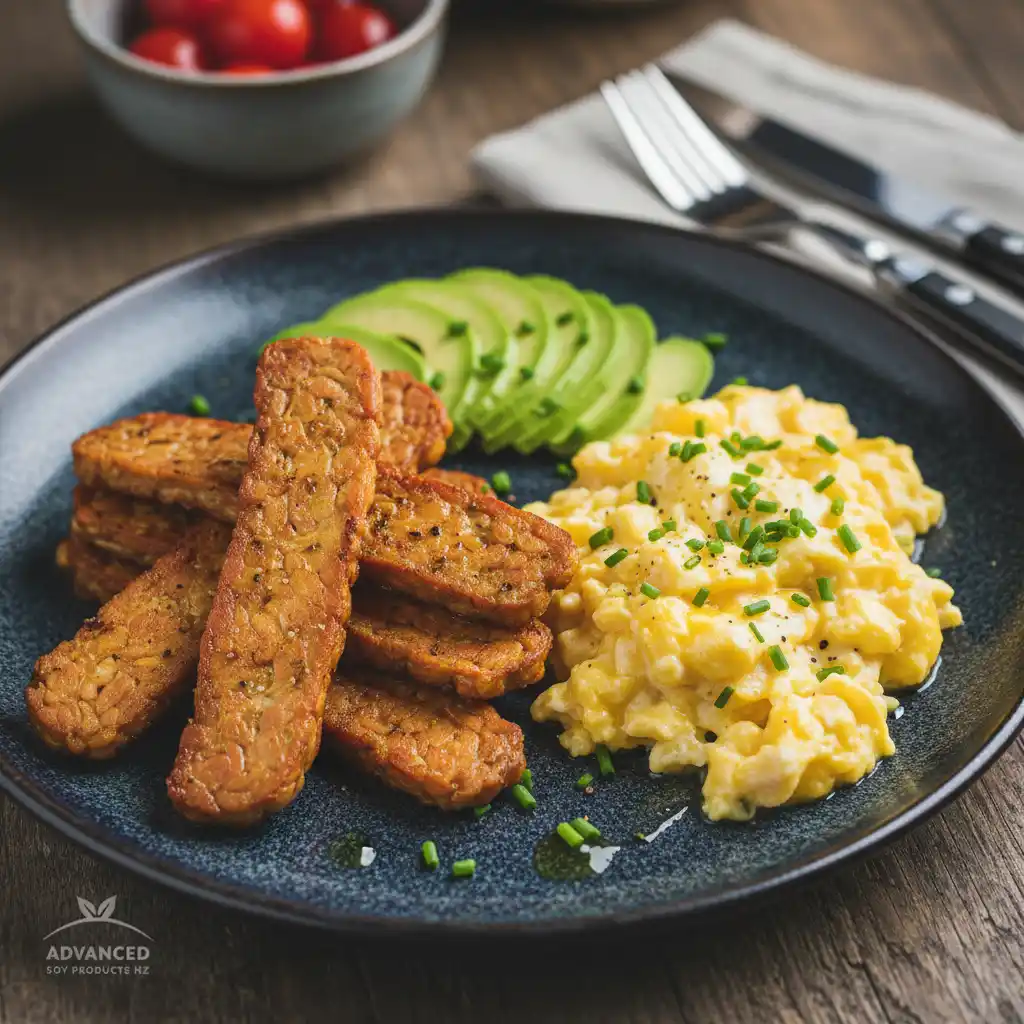
Method: Whisk liquid smoke, Tamari, and paprika. Marinate tempeh slices for 10 minutes. Pan-fry on medium heat until dark brown and crispy. This is a high-protein, high-fiber addition to a keto breakfast.
Frequently Asked Questions
Is soy inflammatory on a keto diet?
For most people, soy is not inflammatory. However, highly processed soy oil (often found in junk food) can be inflammatory due to high Omega-6 content. Whole soy foods like tofu and edamame are generally anti-inflammatory due to their antioxidant content.
Will eating soy kick me out of ketosis?
No, provided you stick to your daily carb limit. Soy is low in carbohydrates. As long as you are tracking your macros and choosing low-carb soy options (like firm tofu or tempeh) rather than sweetened soy milk, you will remain in ketosis.
Can I eat soy sauce on keto?
Traditional soy sauce is low in carbs (about 1g per tablespoon) and is keto-friendly. However, many keto dieters prefer Tamari (which is gluten-free) or Coconut Aminos (soy-free) to avoid wheat and gluten often found in standard soy sauce.
Is there a difference between NZ tofu brands?
Yes. Brands like Bean Supreme or Tonzu (found in NZ) often have different firmness levels and nutritional profiles. Tonzu, for example, is traditionally made and very firm, making it excellent for keto cooking as it holds less water.
Is Textured Vegetable Protein (TVP) keto-friendly?
TVP is made from defatted soy flour. It is very high in protein and low in fat. While it is low-carb, it is highly processed. It is acceptable on keto but should be rehydrated with healthy fats (like broth and olive oil) to meet keto ratios.