
Soy Isoflavones Function: Genistein & Daidzein Guide
Understanding the soy isoflavones function is essential for optimizing hormonal health, cardiovascular wellness, and bone density through plant-based nutrition.
1. Introduction to Soy Isoflavones
The soy isoflavones function is a subject of intense scientific scrutiny, as these polyphenolic compounds serve as the primary secondary metabolites of the soybean (Glycine max). While found in various legumes, they are most concentrated in soy. Among the various isoflavones identified, Genistein and Daidzein are the most studied due to their significant biological activity in humans. These compounds are often categorized as phytoestrogens—plant-derived molecules that possess a structural similarity to 17β-estradiol (E2), the primary female sex hormone.
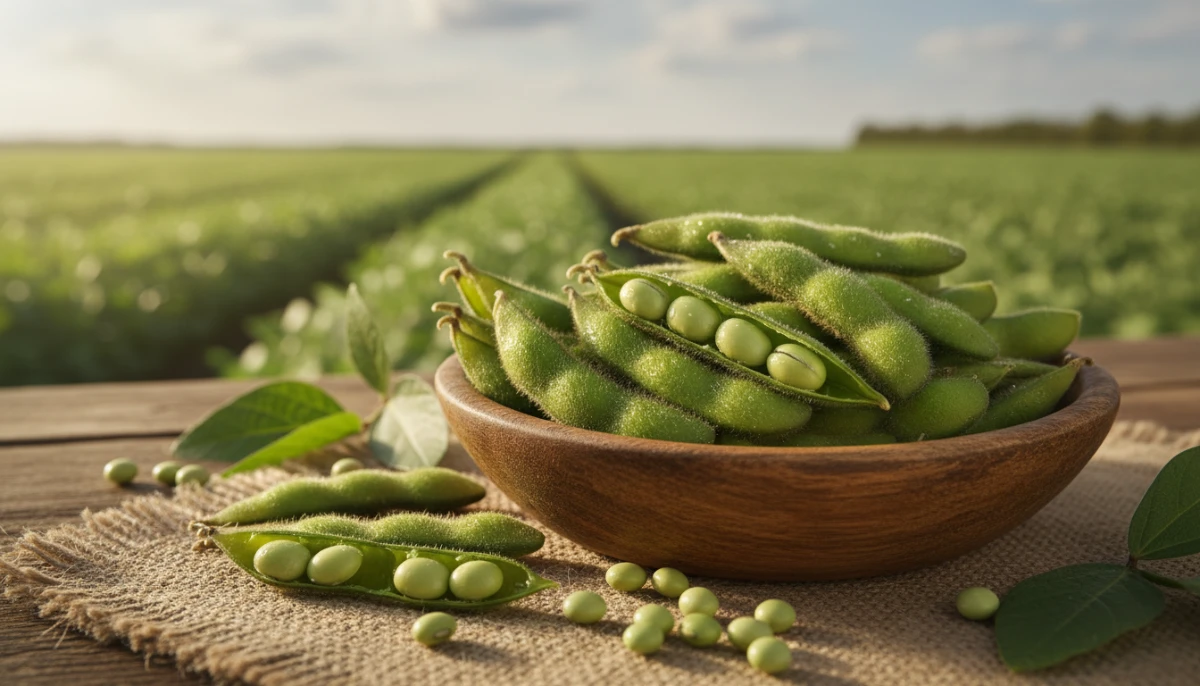
The global interest in soy isoflavones stems from epidemiological observations. Populations in East Asia, where soy is a dietary staple, historically exhibit lower rates of cardiovascular disease, certain hormone-dependent cancers, and menopausal symptoms compared to Western populations. This has led to intensive research into the soy isoflavones function and how these molecules interact with human physiology at a molecular level.
2. Chemical Nature: Genistein & Daidzein
Genistein (5,7,4′-trihydroxyisoflavone) and Daidzein (7,4′-dihydroxyisoflavone) share a basic C6-C3-C6 heterocyclic structure. In raw soybeans, these compounds exist primarily as glycosides—bound to sugar molecules. When consumed, intestinal bacteria cleave the sugar moiety to release the bioactive aglycones: genistein and daidzein.
The molecular mimicry of these compounds is the foundation for their ability to bind to estrogen receptors (ERs), though their binding affinity is significantly lower than that of endogenous estrogen. Genistein is generally considered the more potent of the two, particularly in its role as a protein tyrosine kinase inhibitor.
3. Soy Isoflavones Function: Mechanisms of Action
The soy isoflavones function is multifaceted, involving both genomic and non-genomic pathways. Their primary mechanisms include:
- Selective Estrogen Receptor Modulation (SERM): Unlike synthetic hormones, isoflavones have a higher affinity for ER-beta (found in bone, brain, and vasculature) than ER-alpha (found in breast and uterine tissue).
- Antioxidant Activity: Isoflavones are potent scavengers of reactive oxygen species (ROS) and enhance endogenous antioxidant enzymes.
- Enzyme Inhibition: Genistein inhibits protein tyrosine kinases, influencing cell cycle and apoptosis.
- Inhibition of Angiogenesis: They may inhibit the formation of new blood vessels that feed tumors.
4. Estrogenic vs. Anti-Estrogenic Activity
This duality is known as the “phytoestrogen paradox.” When endogenous estrogen levels are low, isoflavones exert a weak estrogenic effect to alleviate deficiency symptoms. Conversely, when estrogen levels are high, they compete for receptor sites, effectively lowering the overall estrogenic stimulus and potentially reducing the risk of estrogen-driven cancers.
5. Metabolism and the Role of Equol
The efficacy of soy isoflavones is heavily dependent on the individual’s gut microbiome. When daidzein is metabolized by specific intestinal bacteria, it can be converted into a metabolite called Equol. Equol is more biologically active than its parent compound, possessing a higher affinity for estrogen receptors.
6. Menopause and Bone Health
One of the most clinically supported soy isoflavones functions is the management of menopausal symptoms. Meta-analyses suggest that supplementation (particularly those high in genistein) can reduce the frequency and severity of hot flashes by approximately 20-50%.
Regarding bone health, isoflavones help maintain bone mineral density (BMD) by stimulating osteoblast (bone-building cell) activity and inhibiting osteoclasts (bone-resorbing cells).
7. Cardiovascular Protection
The FDA first authorized a health claim for soy protein in 1999. Isoflavones contribute to cardiovascular health by reducing LDL cholesterol, improving endothelial function, and exerting anti-inflammatory effects within the vascular walls.
8. Role in Cancer Prevention
Observational studies consistently show that early-life consumption of soy is associated with a significantly lower risk of breast cancer later in life. In men, high soy intake is linked to a reduced risk of prostate cancer.
9. Dietary Sources and Bioavailability
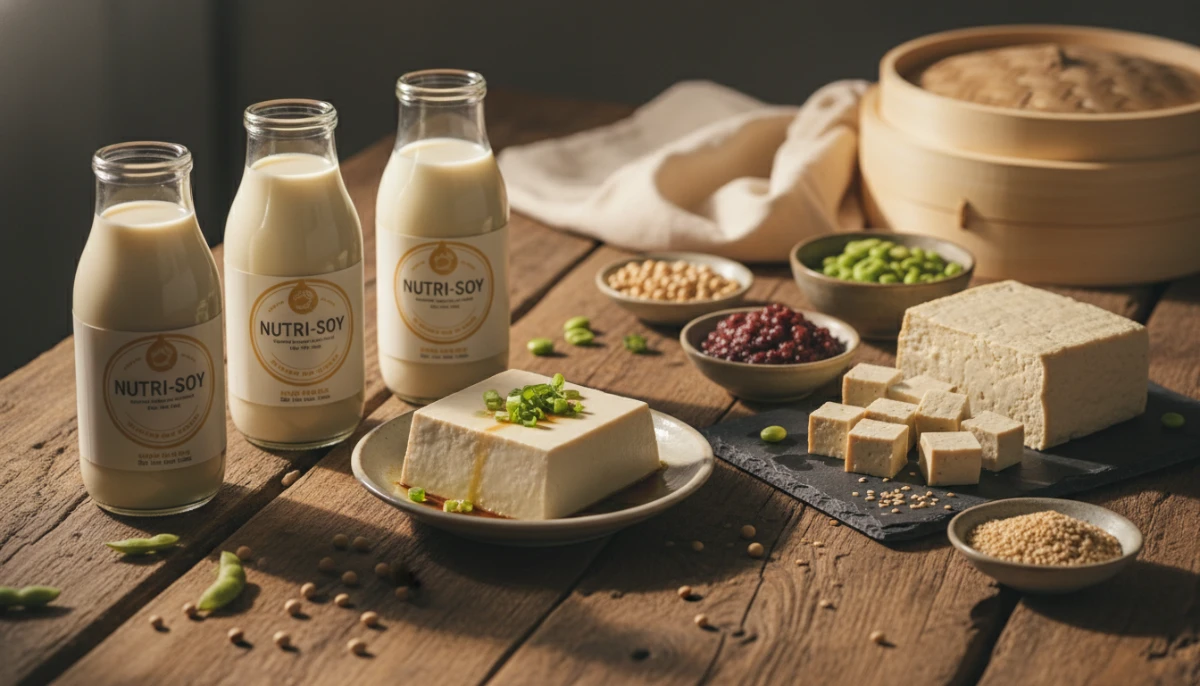
To maximize the soy isoflavones function, it is best to consume them through whole or minimally processed foods. Fermentation increases the bioavailability of isoflavones.
| Food Source | Serving Size | Isoflavone Content (mg) |
|---|---|---|
| Boiled Soybeans | 1/2 cup | 40-55 |
| Tofu | 3 oz | 20-35 |
| Tempeh | 1/2 cup | 30-45 |
| Soy Milk | 1 cup | 15-30 |
| Miso | 1 tbsp | 10-15 |
10. Safety, Concerns, and Myths
- Feminization in Men: Meta-analyses show soy isoflavones do not affect testosterone levels or cause gynecomastia at normal dietary levels.
- Thyroid Function: Soy does not cause thyroid disease in individuals with a healthy thyroid and adequate iodine intake.
- GMO Soy: For those concerned with pesticide residues, organic, non-GMO soy is widely available.
11. Conclusion
The soy isoflavones function as a sophisticated biological toolset. While individual responses vary based on gut microbiome composition, moderate whole soy consumption remains a scientifically sound recommendation for most adults.
12. Frequently Asked Questions
What is the main function of soy isoflavones?
The main function of soy isoflavones is to act as selective estrogen receptor modulators (SERMs). They provide weak estrogenic signals when hormone levels are low or block stronger estrogens when levels are high.